Essence of Africa 2026 in Zanzibar Essence of Africa is a trade forum, which means…
Combining Gorilla Trekking With a Big Five Safari in Uganda
Combining Gorilla Trekking With a Big Five Safari in Uganda
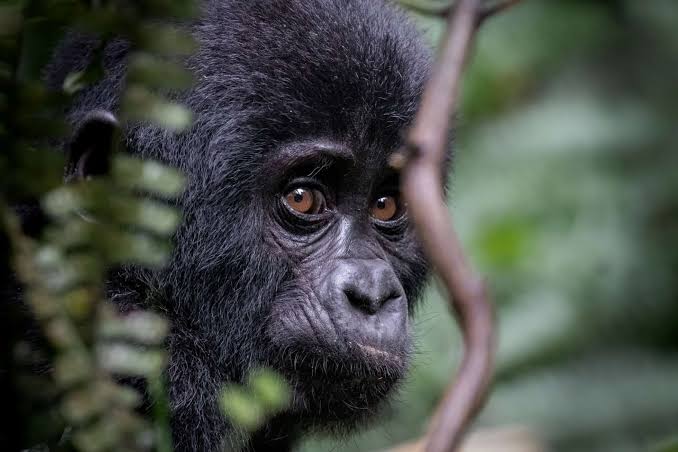
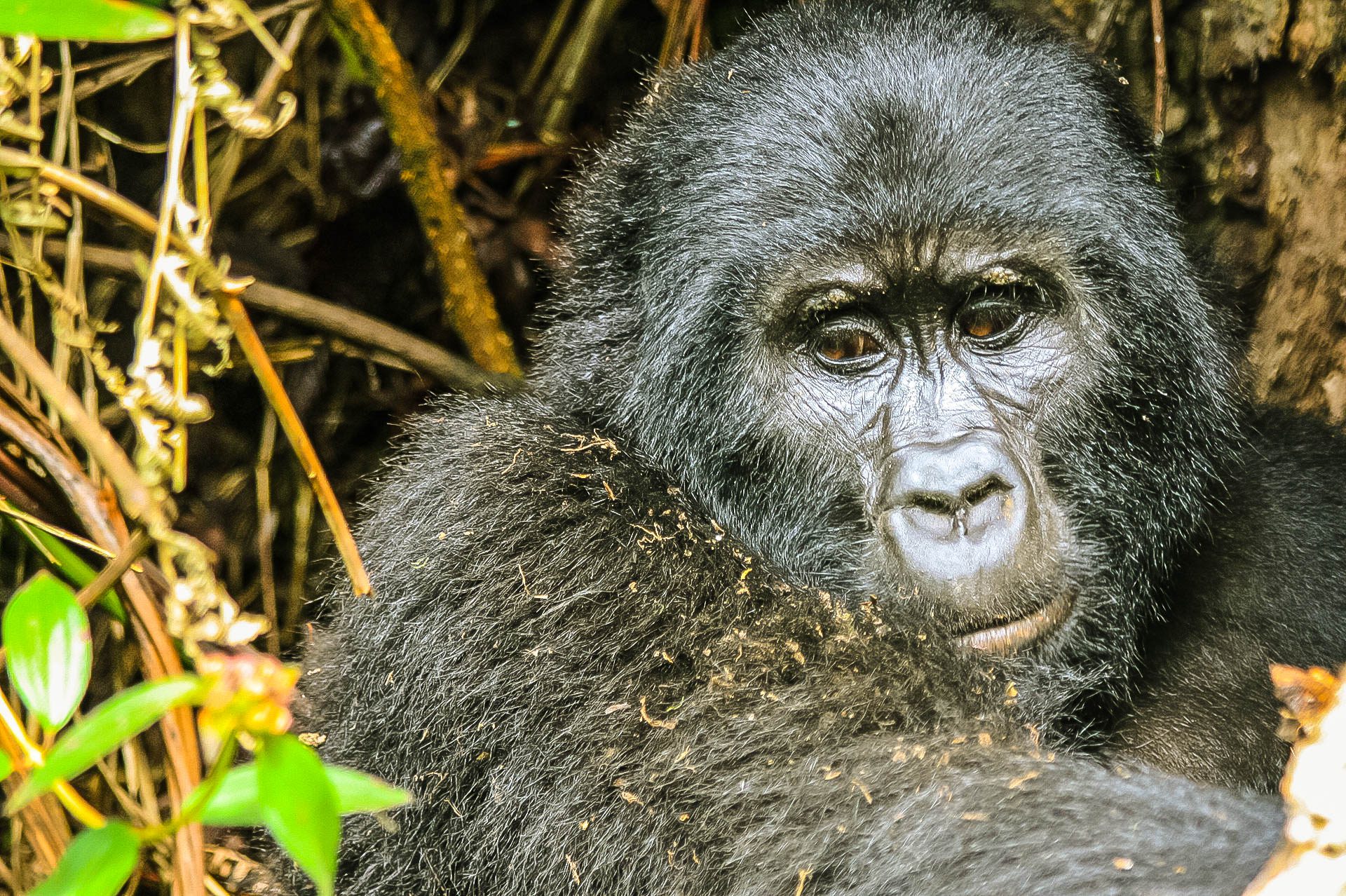
Uganda has always been known first for its gorillas. Roughly half the world’s remaining mountain gorillas live in the country’s southwestern forests, and gorilla trekking in Bwindi Impenetrable National Park is the headline experience that draws most visitors. But focusing only on the gorillas sells Uganda short.
The same country holds tree-climbing lions in the Ishasha plains, huge elephant herds along the Nile, buffalo in their thousands, elusive leopards in the savannah woodlands, and rhinos protected at a dedicated sanctuary on the road north.
Put these together and you have something no other gorilla destination can match: a trip that delivers both the intimacy of a forest gorilla encounter and the sweeping drama of a classic Big Five safari.
This guide explains exactly how to combine gorilla trekking with a Big Five safari in Uganda: what the Big Five means in the Ugandan context, which parks deliver which animals, how the gorilla trek fits into the wider circuit, sample itineraries that link everything together, the best time to go, what it costs.
What Are the Big Five, and Can You Really See Them in Uganda?
The term Big Five was originally coined by big-game hunters to describe the five animals considered most dangerous and difficult to hunt on foot: the lion, the African elephant, the Cape buffalo, the leopard, and the rhinoceros.
Today the phrase has been adopted by the safari industry to mean the five iconic large mammals most visitors most want to see. Seeing all five is the benchmark of a complete savannah safari, and the good news is that Uganda offers all five, though with one important qualification worth understanding before you go.
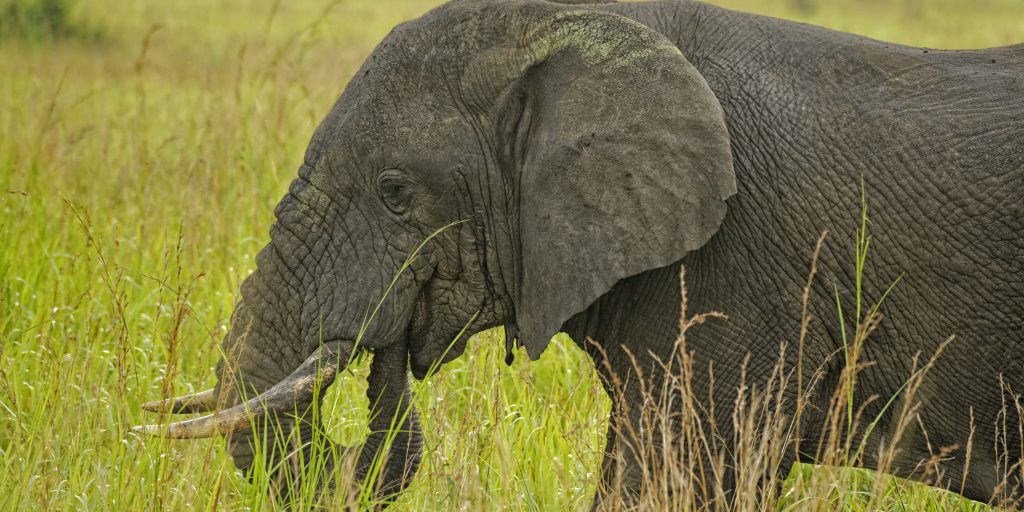
Lions, elephants, buffalo, and leopards all occur naturally and healthily in Uganda’s savannah national parks, particularly Queen Elizabeth National Park, Murchison Falls National Park, and Kidepo Valley National Park. The rhino is the exception.
Rhinos were wiped out in Uganda by poaching and conflict in the 1980s, and they no longer roam the country’s national parks. They have been reintroduced at Ziwa Rhino Sanctuary, a dedicated and protected reserve on the main road north from Kampala, where you can track southern white rhinos on foot.
So the honest picture is this: you can absolutely complete the Big Five in Uganda, but the rhino is seen at Ziwa Sanctuary rather than in a national park, and it is usually added as a stop on the way to or from Murchison Falls. With Ziwa included, a well-planned Uganda safari delivers the full Big Five plus the gorillas.
| Big Five Animal | Where to See It in Uganda | How |
| Lion | Queen Elizabeth, Murchison Falls, Kidepo | Game drives; tree-climbing lions at Ishasha |
| Elephant | Queen Elizabeth, Murchison Falls, Kidepo | Game drives and boat cruises |
| Cape buffalo | Queen Elizabeth, Murchison Falls, Kidepo | Game drives and boat cruises |
| Leopard | Queen Elizabeth, Murchison Falls, Kidepo | Game drives, especially early morning and dusk |
| Rhino (white) | Ziwa Rhino Sanctuary | Rhino tracking on foot |
| Bonus: Mountain gorilla | Bwindi, Mgahinga | Gorilla trekking on foot |
The Gorilla Trekking: Bwindi and Mgahinga
The gorilla half of the trip takes place in the far southwest of Uganda, in one of two parks. Bwindi Impenetrable National Park is by far the most important, home to around half the world’s mountain gorillas and to more than twenty habituated gorilla families spread across its four sectors of Buhoma, Ruhija, Rushaga, and Nkuringo.
The alternative is Mgahinga Gorilla National Park, on the Virunga volcanoes at the meeting point of Uganda, Rwanda, and the DRC, which has a single habituated family. For almost all combined safaris, Bwindi is the gorilla destination of choice because of its far greater number of families and permits.
A gorilla trek in Bwindi begins with an early morning briefing before you set off on foot into steep, dense rainforest to find your assigned family. The hike can take anywhere from under an hour to most of a day, and once you reach the gorillas you spend one magical hour in their presence, watching them feed, groom, and rest just a few metres away.
A standard Uganda gorilla permit costs USD 800 per person for foreign non-residents, and this must be booked well in advance, especially for the dry season. For those wanting even more time, the Gorilla Habituation Experience in the Rushaga sector offers four hours with a semi-habituated family for USD 1,500. The gorilla trek is usually the emotional centrepiece of the whole trip, and most itineraries build the rest of the safari around the date of the permit.
The Big Five: Uganda’s Great Savannah Parks
Queen Elizabeth National Park
Queen Elizabeth National Park is the natural partner to a Bwindi gorilla trek, because it sits directly between Bwindi and the rest of the country and delivers four of the Big Five in one park.
It is Uganda’s most popular savannah destination, spanning open plains, wetlands, and forest, and it is famous above all for the tree-climbing lions of the Ishasha sector in its south, where lions drape themselves across the branches of fig trees in a behaviour seen in only a couple of places in Africa.
The Kasenyi plains hold more lions and large herds of Uganda kob, elephants and buffalo are widespread, and leopards haunt the woodlands. The Kazinga Channel boat cruise, connecting Lakes Edward and George, delivers one of the densest concentrations of hippos and water birds in Africa and brings elephants and buffalo down to the water’s edge.
Because Ishasha is on the direct route between Queen Elizabeth and Bwindi, the tree-climbing lions are often the perfect wildlife bridge between the gorilla forest and the savannah.
Murchison Falls National Park
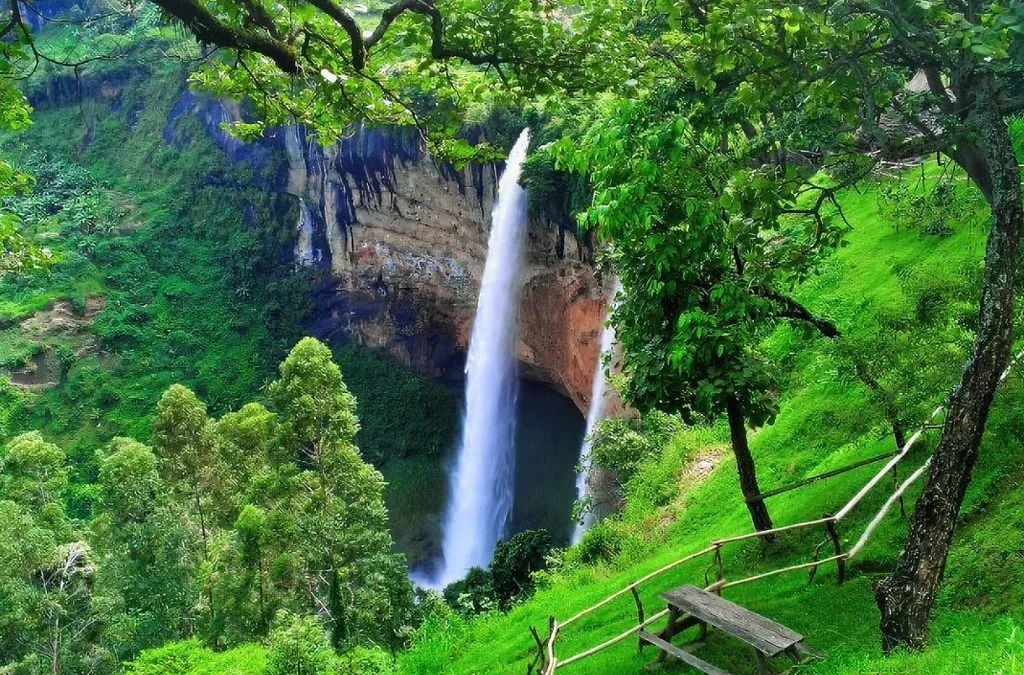
Murchison Falls is Uganda’s largest national park and one of its most dramatic, built around the point where the Victoria Nile explodes through a seven-metre gap in the rocks and crashes down in a thunderous waterfall. The park delivers lion, elephant, buffalo, and leopard across its northern savannah, best explored on game drives through the Buligi plains, while the boat cruise up the Nile to the base of the falls brings you close to elephants, buffalo, hippos, and enormous crocodiles.
Murchison pairs naturally with a visit to Ziwa Rhino Sanctuary, which sits directly on the road between Kampala and the park, allowing you to track rhinos on foot and complete the Big Five on the same leg of the journey. For a combined safari, the northern circuit of Ziwa and Murchison is the most efficient way to tick off the rhino and the rest of the Big Five.
Kidepo Valley National Park
For those with more time and a desire to reach Uganda’s wildest corner, Kidepo Valley National Park in the remote northeast is one of Africa’s great under-visited parks. Ringed by mountains, it holds large prides of lions, elephants, buffalo, leopards, and species found almost nowhere else in Uganda, such as cheetahs and ostriches.
Kidepo is harder and more expensive to reach, usually by light aircraft, and is generally added by returning visitors or those on longer, higher-budget trips rather than first-timers. But for sheer wilderness and uncrowded game viewing, it is unmatched in the country.
How the Combination Works: Linking Gorillas and the Big Five
The beauty of a Uganda safari is how naturally the gorilla trek and the Big Five parks connect. The two most common ways to combine them are the southwestern circuit and the northern circuit, and many longer trips include both.
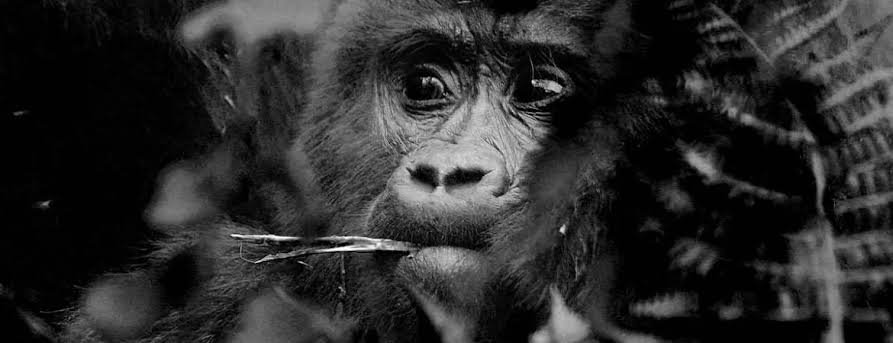
The southwestern circuit is the most popular combination. It links Queen Elizabeth National Park with Bwindi Impenetrable National Park, often adding Lake Mburo National Park on the drive from Kampala for an easy first taste of wildlife.
On this circuit you travel from Kampala southwest, enjoy game drives and a boat cruise in Queen Elizabeth, pass through Ishasha for the tree-climbing lions, and continue to Bwindi for the gorilla trek, all connected by road through beautiful scenery. This circuit delivers four of the Big Five plus the gorillas without ever going far from the western route.
The northern circuit links Murchison Falls National Park and Ziwa Rhino Sanctuary, and is the way to add the rhino and complete the full Big Five. Some ambitious itineraries combine both circuits into one long loop: starting north for Ziwa and Murchison, then travelling south and west to Queen Elizabeth and Bwindi, delivering the complete Big Five plus gorillas in a single grand journey. This fuller loop needs around ten days to two weeks but represents the ultimate Uganda safari.
Sample Itineraries
The Classic Combination | 7 Days | Gorillas and Four of the Big Five
- Day 1: Arrive Entebbe, transfer to Lake Mburo area
- Day 2: Lake Mburo game drive and boat, continue toward Queen Elizabeth
- Day 3: Queen Elizabeth: Kasenyi plains game drive and Kazinga Channel boat cruise
- Day 4: Ishasha sector for tree-climbing lions, transfer to Bwindi
- Day 5: Gorilla trekking in Bwindi Impenetrable National Park
- Day 6: Community or Batwa cultural experience, begin return journey
- Day 7: Transfer to Entebbe and depart
The Full Big Five Plus Gorillas | 10 Days | The Complete Uganda Safari
- Day 1: Arrive Entebbe
- Day 2: Travel north, track rhinos on foot at Ziwa Rhino Sanctuary, continue to Murchison Falls
- Day 3: Murchison Falls game drive and Nile boat cruise to the falls
- Day 4: Optional Budongo chimpanzee trek, transfer toward Fort Portal
- Day 5: Kibale Forest chimpanzee trekking
- Day 6: Transfer to Queen Elizabeth, afternoon game drive
- Day 7: Kazinga Channel cruise and Ishasha tree-climbing lions
- Day 8: Transfer to Bwindi
- Day 9: Gorilla trekking in Bwindi
- Day 10: Return to Entebbe and depart
The seven-day itinerary gives you gorillas and four of the Big Five along the southwestern route, ideal for travellers with a week to spend.
The ten-day itinerary adds the northern circuit and Ziwa Rhino Sanctuary to complete the full Big Five, along with a chimpanzee trek in Kibale for good measure, making it one of the most complete primate-and-savannah safaris possible anywhere in Africa.
Best Time to Combine Gorilla Trekking and a Big Five Safari
Uganda is a year-round safari destination, but the best time for a combined gorilla and Big Five trip is during the two dry seasons, from June to September and from December to February.
In the dry months the forest trails in Bwindi are firmer and less muddy, making the gorilla trek more comfortable, while in the savannah parks the vegetation thins out and animals gather around water sources, making the Big Five easier to spot. These dry months are also the peak season, so gorilla permits and lodges must be booked well in advance.
The wet seasons, from March to May and from October to November, bring heavier rain that makes gorilla trekking muddier and more challenging, but they also bring lush green landscapes, fewer crowds, lower prices, and excellent birding.
Gorillas are seen year-round regardless of season, and the savannah parks still deliver strong game viewing in the green season. For most first-time visitors combining gorillas and the Big Five, the dry seasons offer the best all-round conditions, but travellers seeking value and quieter parks can find the wet season rewarding.
What It Costs
A combined gorilla and Big Five safari in Uganda is a significant investment, driven above all by the gorilla permit. The permit alone is USD 800 per person, and on top of that you have accommodation, park entry fees, a guide and vehicle, and the rhino tracking fee at Ziwa. A midrange combined safari of seven to ten days typically ranges from around USD 3,000 to USD 6,000 per person, while luxury trips with high-end lodges and light-aircraft transfers can run considerably higher. Budget and midrange options do exist, particularly if you travel in a small group to share vehicle and guide costs, and the shoulder and wet seasons bring lower lodge rates.
It is worth remembering the value built into that price. A single Uganda trip that delivers both a wild mountain gorilla encounter and the full Big Five is doing the work of what would otherwise be two separate safaris in two different countries. When you factor in the saved cost of a second set of international flights and a second trip, combining the two in Uganda is not only a richer experience but often a more efficient one. The gorilla permit fee also directly funds the conservation that protects the very animals you have come to see, and a share of park revenue supports the local communities living alongside them.
Related Posts