Lion Tracking vs Gorilla Trekking: Which One Belongs on Your Safari? Guests planning a Uganda…
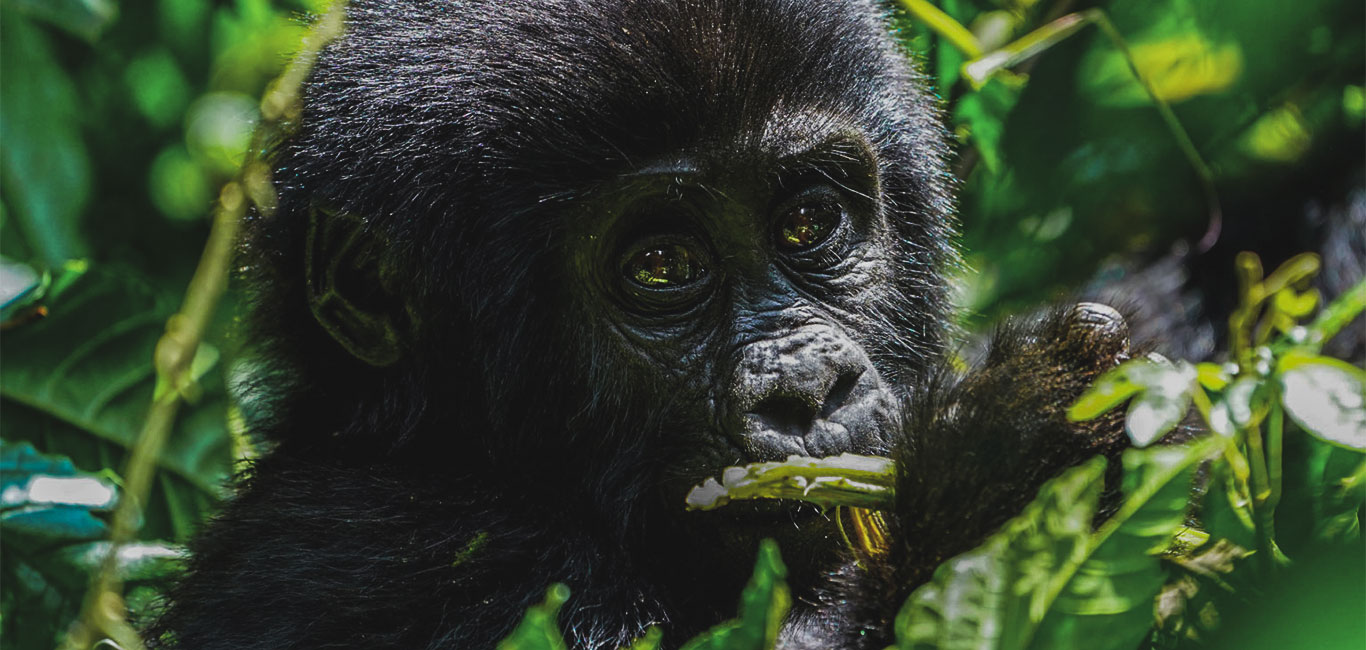
Gorilla Trekking in Uganda Cost Per Person
Gorilla Trekking in Uganda: Cost Per Person
How much does gorilla trekking in Uganda actually cost per person? It sounds like it should have a one-line answer, and most articles give you one, usually just the $800 permit price and nothing else. That number is real, but it is roughly half of what you will actually spend once accommodation, transport, park fees, and the smaller costs that never make it into headline pricing are added in.
We put together enough Uganda gorilla itineraries to know exactly where the real per-person total lands for different travel styles, and this guide breaks it down completely, line by line, so you can budget accurately rather than guessing.
Everything below is structured around what you will actually pay per person, for a solo traveller, a couple, and a small group, across three different comfort levels, so you can find the number that matches how you actually want to travel, and so you can quickly spot which parts of a quoted price are fixed by government policy and which parts are genuinely negotiable through your own choices.
Should You Budget Based on the Permit Price Alone?
Short answer: no, and doing so is the single most common budgeting mistake we see from first-time enquirers, since the permit is typically 30 to 45 percent of the total per-person trip cost, not the whole figure.
The $800 Uganda Wildlife Authority permit fee is fixed and identical for every visitor regardless of where they stay or how they travel, which is exactly why so much online content quotes it as “the cost” of gorilla trekking. But a realistic per-person total needs to include park entry fees, ground transport, accommodation for however many nights your itinerary requires, meals, porter fees, and tips. Skipping this arithmetic is how travelers end up surprised by a final invoice considerably higher than what they had mentally budgeted.
Why Uganda’s Cost Structure Works the Way It Does
Uganda deliberately prices its gorilla permit below Rwanda’s, roughly $800 versus $1,500, as part of a broader strategy to remain the more accessible, volume-friendly gorilla trekking destination in the region.
This lower permit price is precisely why Uganda tends to attract a wider mix of travelers, from backpackers staying in basic guesthouses to guests booking exclusive-use luxury camps, all paying the same fixed permit fee but wildly different amounts for everything built around it.
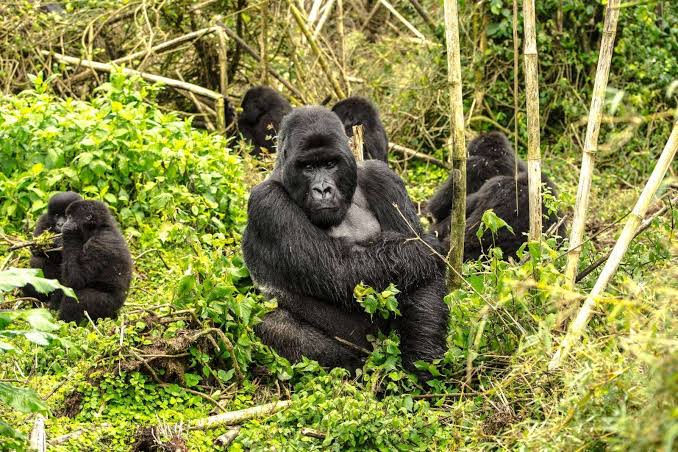
Practical implication: your accommodation and transport choices, not the permit, are where your actual budget control lives, which is good news if you are trying to manage total cost per person.
The Full Cost Breakdown Per Person
| Cost Item | Approximate Cost Per Person | Notes |
| Gorilla trekking permit | $800 | Fixed by the Uganda Wildlife Authority, full payment required at booking. |
| Park entry fee | $40 to $50 per day | Charged separately from the trekking permit for general park access |
| Porter fee | $15 to $20 per trek day | Optional but strongly recommended |
| Accommodation (per night, budget) | $30 to $60 | Guesthouses and basic lodges near park gates |
| Accommodation (per night, mid-range) | $150 to $300 | Ensuite lodges with meals included |
| Accommodation (per night, luxury) | $500 to $1,200+ | Exclusive-use camps, premium service and setting |
| Ground transport (shared vehicle) | $50 to $100 per day | Varies with distance and vehicle type |
| Ground transport (private 4×4 with driver-guide) | $150 to $250 per day | More flexibility and comfort, higher per-day cost |
| Meals (not included in lodging) | $20 to $50 per day | Varies significantly with accommodation tier |
| Tips for guides, porters, rangers | $10 to $20 per day (discretionary) | Customary, not mandatory |
What a Realistic Total Trip Looks Like, Per Person
Line items are useful, but most people want a single number for a full trip. Here is what a typical 4- to 5-day Uganda gorilla trekking itinerary, including a day of arrival, a trekking day, and a buffer or short safari extension, actually costs per person at three comfort levels.
| Trip Style | Total Per Person (4 to 5 days) | What’s Included |
| Budget | $1,300 to $1,800 | Permit, budget guesthouses, shared group vehicle, basic meals, porter fee |
| Mid-range | $2,200 to $3,200 | Permit, ensuite lodges, private vehicle, full-board meals, porter and standard tips |
| Luxury | $4,000 to $6,500+ | Permit, exclusive-use camps, private guide and vehicle, all-inclusive meals and drinks, premium service |
What a 7-Day Itinerary Actually Costs
A pure gorilla trekking trip is rarely the whole story for most guests, since Uganda’s gorilla parks sit close enough to other strong wildlife areas that extending the trip makes sense. Here is what a more complete 7-day itinerary, combining gorilla trekking with Queen Elizabeth National Park for a savannah safari component, costs per person.
| Trip Style | Total Per Person (7 days) | What’s Added Beyond the Core Gorilla Trip |
| Budget | $1,900 to $2,600 | 2 to 3 extra nights of budget accommodation, shared vehicle game drives |
| Mid-range | $3,200 to $4,500 | 2 to 3 extra nights in an ensuite lodge, private vehicle game drives, and a Kazinga Channel boat cruise |
| Luxury | $5,800 to $8,500+ | 2 to 3 extra nights in a luxury lodge, a private guide throughout, premium game drives and a boat cruise |
What’s Usually Included in an Operator’s Quoted Price
Quoted prices from different operators can look inconsistent purely because they bundle different things, which makes direct comparison confusing unless you know what to check for.
- Almost always included: the gorilla permit itself, accommodation as specified, ground transport between listed destinations, an English-speaking driver-guide, and standard meals as noted in the itinerary.
- Sometimes included, sometimes separate: park entry fees, airport transfers in Entebbe, bottled water during game drives, and laundry service at lodges.
- Almost never included: international flights, visa fees, travel insurance, tips and gratuities, alcoholic beverages, and personal purchases such as souvenirs or spa treatments.
Always ask an operator for a written, itemized breakdown rather than a single bottom-line figure, since this is the only reliable way to compare quotes from different companies on an equal footing.
Independent Booking vs. Booking Through an Operator
| Approach | Typical Cost Impact | Trade-offs |
| Fully independent (self-drive, self-booked lodges) | Can be marginally cheaper on paper | Requires significant planning time, permit booking risk, and confident local driving experience |
| Booking through a local ground operator | Comparable total cost, often better value | Professional logistics support, vetted accommodation, and a single point of contact if plans change |
| Booking through a large international agency | Often meaningfully higher cost | Convenience of one familiar point of contact, but frequently a significant markup passed through several booking layers |
For most travellers, a well-established local ground operator offers the best balance between cost and reliability, since the total price is rarely lower with a large international agency layering its own margin on top of the same local ground services, while fully independent booking shifts real logistical risk onto the traveller with limited cost benefit.
The exception worth noting is a confident, experienced overland traveller who already has East Africa driving experience and time to manage permit booking and lodge reservations directly; for that specific traveller, independent booking can shave a modest amount off the total, though rarely enough to justify the added planning burden for a once-in-a-lifetime trip.
How Group Size Changes Your Per-Person Cost
This is a detail many first-time enquirers do not think to ask about, but it meaningfully affects your final per-person price. Fixed costs like the permit stay the same no matter your group size, but shared costs, particularly private vehicle hire, split more favorably across more travelers.
| Group Size | Effect on Per-Person Cost | Why |
| Solo traveler | Highest per-person cost | Full vehicle hire and single accommodation supplement fall on one person. |
| Couple | Moderate per-person cost | Vehicle and double-occupancy accommodation costs are split two ways. |
| Small group (4 to 6) | Lowest per-person cost | Vehicle, guide, and some shared costs split across more travelers |
Solo travelers on a budget should specifically ask about joining a scheduled group departure with a shared vehicle rather than booking a fully private itinerary, since this single decision can reduce per-person transport cost by more than half.
Couples travelling together should also confirm whether their lodge charges per room or strictly per person, since some properties price a double room as a flat rate that works out cheaper per person than two individually priced beds.
Where Cost Varies by Sector
Bwindi Impenetrable Forest is split into four trekking sectors, and while the permit price is identical across all of them, accommodation availability and pricing differ meaningfully.
- Buhoma: the most established sector, with the widest range of budget, mid-range, and luxury accommodation, giving the most price flexibility.
- Ruhija: fewer accommodation options overall, tending toward mid-range pricing with less budget availability.
- Rushaga: a strong mix of options, including access to the higher-priced gorilla habituation experience permit for travellers wanting extended time with a family.
- Nkuringo: fewer lodges, often slightly higher average nightly rates due to more limited supply and premium positioning on a scenic ridge.
None of these sectors carry a different permit price, so choosing based on accommodation budget and scenery preference, rather than assuming one sector is inherently cheaper overall, is the more useful way to think about the decision.
Hidden Costs for First-Timers Often Miss
- Yellow fever vaccination and travel clinic visit. A pre-trip cost unrelated to the trek itself but necessary for entry into Uganda.
- Uganda e-visa fee. Currently required for most nationalities and processed online before arrival.
- Gear purchases. Waterproof boots, gaiters, and a proper rain jacket, if you do not already own them, add a genuine one-time cost.
- Domestic flights, if chosen over road transfers. A charter flight between Entebbe and Bwindi’s nearest airstrips can cost $200 to $400 per person each way, considerably more than road transport but saving significant travel time.
- A second trekking day. Some guests, particularly photographers, book two consecutive permits to improve their odds of good conditions, effectively adding another full permit cost.
When Season Affects Your Cost
| Season | Effect on Total Cost | Notes |
| Dry season (June to September, December to February) | Highest accommodation rates, permit unaffected | Book well ahead; lodges fill fastest in these windows |
| Wet season (March to May, October to November) | Lower accommodation rates, permit unaffected | Genuine savings opportunity if you can accept muddier trekking conditions |
Planning Advice to Manage Your Per-Person Cost
- Decide your comfort tier before comparing quotes. Comparing a budget guesthouse quote against a luxury camp quote will make costs look inconsistent when they are simply different products.
- Ask whether park entry fees are included in your quoted price. Some quotes bundle this in, others list it separately, which can make direct comparisons between operators misleading.
- Consider joining a scheduled departure if travelling solo. This is the most effective lever for reducing your per-person transport cost.
- Travel in the wet season if lodge cost matters more than trail conditions. The permit price does not change, but accommodation savings can be substantial.
- Budget realistically for tips and porter fees from the outset. These are modest individually but add up to a meaningful line item across a multi-day trip.
Frequently Asked Questions
Does the $800 permit include accommodation or transport?
No, the permit only covers the trekking activity itself. Accommodation, transport, meals, and park entry fees are all separate costs.
Is it cheaper to book gorilla trekking as part of a group tour rather than independently?
Often yes, particularly for solo travellers, since group departures share vehicle and guide costs across more people, lowering the per-person total.
How much should I budget for tips?
A reasonable allowance is $10 to $20 per day across guides, drivers, porters, and rangers combined, though this is discretionary rather than fixed.
Can I reduce cost by skipping the porter fee?
You can, but we do not recommend it. At $15 to $20, it is one of the smallest line items in your budget and materially improves trek comfort while directly supporting the local community.
Is the permit price likely to increase soon?
No increase has been announced for Uganda’s standard permit at the time of writing, though prices across the region have trended upward over recent years. Confirm current pricing at the time of booking, since this is the single figure most likely to shift the overall arithmetic in this article.
Are prices quoted in US dollars or Ugandan shillings?
Almost all gorilla trekking pricing, including the permit itself, is quoted and paid in US dollars, even though day-to-day purchases within Uganda use the shilling. Carrying some US dollars in cash is useful for tips and smaller purchases.
Does the price differ if I book last minute versus months in advance?
The permit price itself does not change with booking timing, but accommodation rates can rise closer to peak season dates as availability tightens, so booking early generally protects against higher lodge pricing rather than permit pricing specifically.
Getting an Accurate Number for Your Trip
The honest per-person cost of Uganda gorilla trekking depends far more on your accommodation and transport choices than on the fixed permit fee, which is exactly why two travellers can have completely different total costs for what is, at its core, the same wildlife experience. Working backward from your comfort tier and group size, rather than forward from the permit price alone, gives you a far more accurate budgeting starting point.
Related Posts