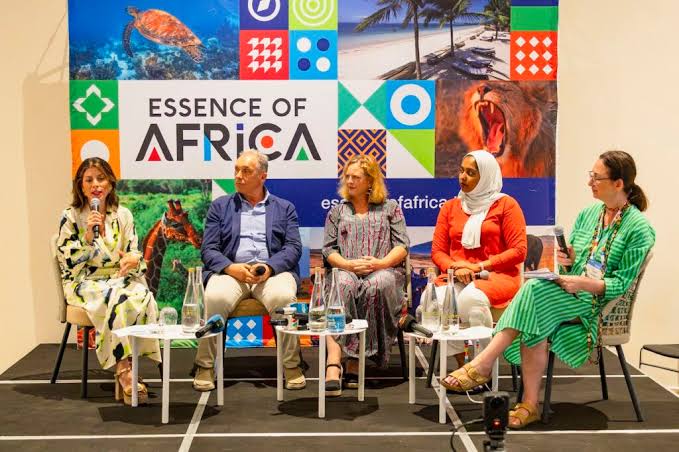
Essence of Africa 2026 in Zanzibar Essence of Africa is a trade forum, which means…
Single-Country Safari vs Multi-Country Safari
Single-Country Safari vs Multi-Country Safari: Which Should You Book?
Single-Country Safari vs Multi-Country Safari; One of the biggest decisions in planning an African safari isn’t necessarily where to go; it’s whether to focus on a single country or combine several.
At first glance, a multi-country safari sounds like the obvious upgrade; more countries surely mean more wildlife, more adventure, and better value. Not necessarily. Adding countries also means adding flights, border crossings, transfer days, and logistics that eat directly into the time you actually spend on safari.
Recent industry data shows multi-country itineraries have become the new standard; 64 percent of 2026 bookings now combine two or more countries, making single-country safaris the minority. But that statistic doesn’t mean multi-country is automatically the right choice for you, only that it’s become more common. This guide works through the honest trade-offs.
The Case for a Single-Country Safari
Staying within one country keeps logistics simple, cuts flight costs, and reduces border formalities to essentially zero. You spend more of your actual trip time on game drives and less in transit, and a single-country focus lets you go considerably deeper into one region’s wildlife and landscapes rather than skimming the surface of several.
This is the ideal choice for first-time safari travellers and shorter trips, roughly a week or less, where the added complexity of multiple countries would eat disproportionately into limited time.
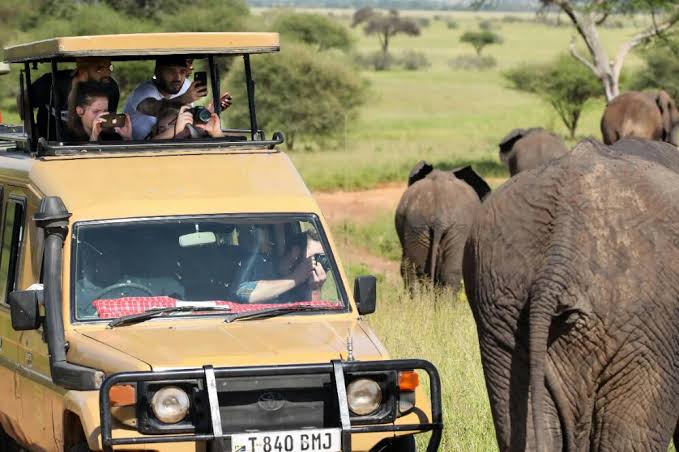
South Africa is usually the better choice for first-time safari travellers, families, self-drivers, and budget-conscious visitors specifically, given its excellent infrastructure and malaria-free options in several regions, while a focused Kenya or Tanzania trip delivers the classic East Africa experience without requiring any international border crossing at all.
The Case for a Multi-Country Safari
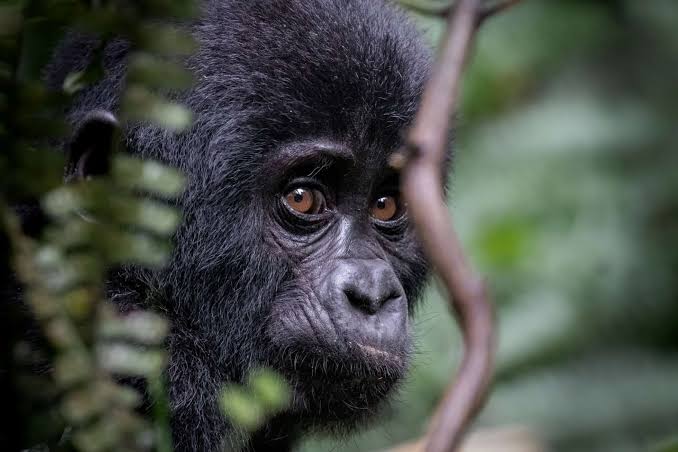
Multi-country itineraries let you pair distinct ecosystems within a single trip: classic game drives across East Africa’s open savanna followed by rainforest trails in search of mountain gorillas represent a considerably stronger contrast than staying within one country’s borders. In this scenario, the border crossing itself buys you an entirely different wildlife experience rather than simply more of the same.
Botswana’s Okavango Delta and Chobe region, followed by Victoria Falls in Zimbabwe or Zambia, offers a comparable contrast: a wildlife safari followed by one of Africa’s great natural landmarks.
The core East African circuit, Kenya, Tanzania, Uganda, and Rwanda, delivers the widest range of land-based wildlife experiences on the planet within a compact four-country radius, all coverable under a single joint visa. For travellers with at least 12 days available, comparing ecosystems this way, savanna migration alongside gorilla forest, justifies the added logistics for many.
The Visa Question: A Genuine Simplifier
Travellers combining Kenya, Uganda, and Rwanda can simplify cross-border logistics through the East Africa Tourist Visa, a joint 90-day, multiple-entry visa covering all three countries in a single application, replacing what would otherwise require three entirely separate visa processes. This detail alone removes one of the more significant administrative barriers that once made multi-country East African trips more complicated to arrange independently.
The Honest Costs of Adding Countries
Combining countries adds genuine travel time between destinations, plus, in some cases, extra visa requirements beyond what the East Africa Tourist Visa covers. Regional flights, border crossings, and transfers consistently take longer than they appear on a map, and a sensible planning rule budgets a full day for each country-to-country move rather than assuming transfers happen instantly.
A longer, higher-priced itinerary combining gorilla trekking with a beach holiday across Tanzania, Rwanda, and Uganda, for instance, earns its higher cost specifically through this kind of genuine ecosystem variety, but travelers should go in understanding that variety costs real time and money, not treat it as a free upgrade.
The Most Common Mistake: Trying to Do Too Much
Three countries in ten days means you’ll spend more time in airports than in the bush. The consistently recommended approach is to pick two countries and go deep, rather than skimming three or more within a tight window.
Underestimating travel time between destinations is the single most common planning error, and letting your primary “anchor” experience, whichever destination matters most to you, determine your main itinerary before building adjacent countries around it produces considerably better results than trying to weight every destination equally.
How to Sequence a Multi-Country Route
Prioritizing circuits that minimize backtracking matters: for East Africa, a standard, geographically logical routing runs Kigali (Rwanda) through Kampala or Bwindi (Uganda) to Nairobi (Kenya) and on to Kilimanjaro or Arusha (Tanzania), flowing in a single direction rather than doubling back on yourself.

Given how far in advance gorilla permits and prime migration-season camps must be booked, six to eighteen months for gorilla permits specifically, confirming these dates before booking any flights is essential rather than an afterthought.
Quick Decision Framework
| Factor | Choose Single-Country | Choose Multi-Country |
| Trip length | Under 10 days | 12+ days |
| Priority | Deep immersion, lower cost | Ecosystem variety, iconic add-ons |
| Experience level | First-time safari travellers | Repeat visitors, experienced planners |
| Budget sensitivity | High (simpler logistics, fewer flights) | Moderate to flexible |
| Example route | Kenya or Tanzania alone | Kenya + Tanzania, or Rwanda + Uganda |
Working With a Specialist for Multi-Country Trips
Multi-country safaris are more complex to plan well, and booking through a reputable operator who handles logistics, connections, and contingencies consistently produces a smoother trip than piecing together flights and border crossings independently. A good specialist doesn’t simply book the safari; they help you make confident decisions about where to go, when to travel, how destinations combine geographically, and what kind of experience will match your specific priorities.
Frequently Asked Questions
What percentage of safari bookings now combine multiple countries?
64% of 2026 bookings combine two or more countries, according to recent industry data, making single-country safaris the current minority rather than the default choice.
Is a single-country safari better for first-time travelers?
Generally yes. Staying within one country keeps logistics simple, reduces cost, and lets you spend more time on game drives and less in transit, making it the ideal choice for shorter trips and first-timers.
Does the East Africa Tourist Visa simplify a multi-country trip?
Yes. It’s a single, joint 90-day multiple-entry visa covering Kenya, Uganda, and Rwanda together, replacing what would otherwise require three separate visa applications.
How many countries can I realistically combine in a 10-day trip?
Generally just one, or at most two if sequenced efficiently. Three countries in 10 days typically means spending more time in airports and transfers than actually on safari.
What’s the biggest mistake people make when planning a multi-country safari?
Underestimating travel time between destinations and trying to cover too many countries too quickly. Picking two countries and going deep consistently produces a better trip than skimming three or more.
Related Posts