Essence of Africa 2026 in Zanzibar Essence of Africa is a trade forum, which means…
Luxury Uganda Safaris: The Ultimate Guide to Gorilla Trekking, Wildlife & Wilderness
Luxury Uganda Safaris: The Ultimate Guide to Gorilla Trekking, Wildlife & Wilderness
The forest is already wet when you arrive at the briefing point in Bwindi.
Your boots are going to get muddy. The trail may climb more sharply than it looked on the map. Somewhere ahead, a tracker is listening for movement in the vegetation, and nobody can tell you exactly how long it will take to reach the gorillas.
That is worth understanding before booking a luxury Uganda safari.
Luxury does not mean that Uganda’s wild places have been made predictable. It means the complicated parts of travelling through the country have been handled well: the right lodge in the right location, a comfortable 4×4, an experienced driver-guide, permits organized properly, sensible driving days and enough time to enjoy where you are rather than constantly packing and unpacking.
A well-planned trip can move from chimpanzee tracking around Kibale to game drives in Queen Elizabeth National Park, then into the hills of Bwindi for gorilla trekking. You can add the Nile at Jinja, hiking around the Virunga volcanoes, the Rwenzori Mountains, Murchison Falls, Lake Mburo or cultural experiences. The challenge is deciding what genuinely belongs in one itinerary, and what should be left for another trip.
What Luxury Really Means on a Safari in Uganda
A luxury safari in Uganda is not necessarily the itinerary with the most expensive lodges.
Location often matters more. If you are staying in a beautiful lodge several hours from the starting point of your gorilla trek, the room will not make the early morning transfer more enjoyable. If you spend half a day crossing Uganda simply to add another destination to the map, a private vehicle will not make the schedule sensible.
The best luxury itineraries usually invest in things travellers notice repeatedly:
- A comfortable private 4×4 when privacy and flexibility are priorities.
- An experienced driver-guide who understands the roads, wildlife and practicalities of travelling between parks.
- Good accommodation in useful locations.
- Gorilla and chimpanzee permits are arranged correctly and in good time.
- Realistic driving days.
- Time for unexpected wildlife sightings and weather changes.
- Local guides and experiences that add something rather than simply filling an afternoon.
- A route that avoids unnecessary backtracking.
This matters particularly for European travellers arriving in Uganda for the first time. Distances can look manageable on a map, but road travel is part of the experience. A journey between Fort Portal, Queen Elizabeth and Bwindi involves winding roads, changing terrain, villages, trading centres and stretches where progress is slower than a European traveller might expect. Good planning turns that reality into part of the safari rather than an inconvenience.
Uganda’s Great Advantage: Forest, Savannah and Mountains in One Trip
Uganda is unusual because a relatively compact itinerary can contain very different ecosystems. You might begin around Entebbe and Lake Victoria, travel west towards Fort Portal and enter the forests of Kibale, continue south towards Queen Elizabeth National Park, then cross into the highlands surrounding Bwindi.
The wildlife changes with the landscape. Kibale is about forest and primates. Queen Elizabeth brings savannah, wetlands, lakes and big mammals. Bwindi is a steep, humid rainforest where the experience is walking rather than driving. Mgahinga offers another perspective on the Virunga landscape, while the Rwenzori Mountains introduce serious mountain terrain.
That variety is one reason Uganda works particularly well for travellers who want more than a conventional game-drive safari. You can spend one morning following chimpanzees through the forest and another sitting quietly beside the Kazinga Channel as hippos surface around the boat.
And because the experiences are so different, itinerary design matters. A traveller interested primarily in primates will build Uganda differently from someone who wants several days of classic savannah safari or a serious mountain trek.
Gorilla Trekking: The Experience That Shapes the Journey
For many visitors, gorilla trekking is the reason Uganda makes the shortlist.
The main trekking destinations are Bwindi Impenetrable National Park and Mgahinga Gorilla National Park. Bwindi has four main trekking sectors: Buhoma, Ruhija, Rushaga and Nkuringo.
The sector matters.
A traveler staying around Buhoma has a different logistical arrangement from someone trekking in Ruhija or Nkuringo. It is therefore better to choose the accommodation and trekking sector together rather than selecting a lodge first and trying to make the permits fit afterwards.
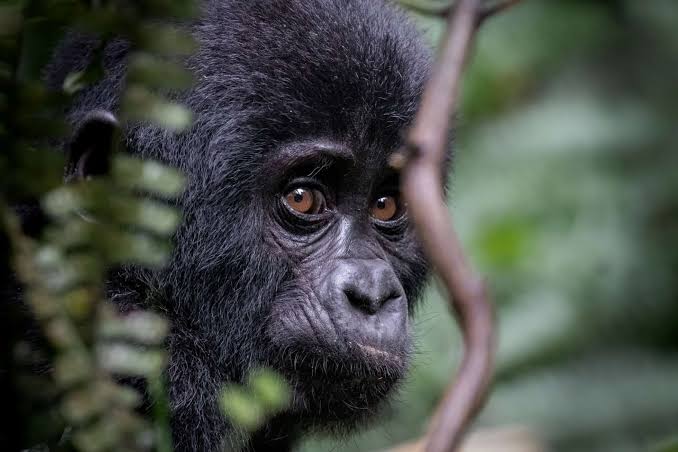
Uganda Wildlife Authority describes gorilla trekking as a physically demanding forest activity, with treks commonly taking around two to seven hours depending on where the gorilla family is located. Once the group reaches the gorillas, the normal viewing period is limited to one classic hour except for gorilla habituation experience where visitors spend four hours viewing and following the gorillas.
The Morning Starts Earlier Than the Encounter
The trek begins with a briefing, not with the gorillas. Visitors report to the relevant trailhead or gate, where permits are checked and the day’s procedures are explained. Official ranger guides and trackers accompany the groups.
Then the walking begins. The forest can be deceptive. A trail that looks gentle on the first section can become steep. Vegetation can close around the path, roots cross the ground and rain can change the character of the trail quickly.
The gorillas themselves determine the day. Trackers work ahead to establish where the family is moving, and your group follows. Sometimes the walk is relatively straightforward. On another day you may be climbing for hours. That unpredictability is not a flaw in the experience. It is why preparation matters.
How Difficult Is Gorilla Trekking?
You do not need to be an elite hiker, but you should be comfortable walking for several hours over uneven ground.
Expect:
- Mud after rain.
- Steep sections.
- Slippery roots and rocks.
- Dense vegetation.
- Humidity.
- Changes in altitude.
- A slower pace than an ordinary forest walk.
Walking poles can help, particularly on muddy slopes. Good hiking shoes are much more useful than fashionable safari footwear. A lightweight waterproof jacket belongs in the daypack even when the morning begins bright and sunny.
Porters can also be valuable. They can help with your bag and provide physical assistance on difficult sections. For many travelers, employing a porter is both practical and a direct way of supporting communities living around the protected area.
What Your Gorilla Permit Actually Pays For
The permit is not simply an entrance ticket. Uganda regulates access to habituated gorilla groups, limits visitor numbers and viewing time, and sets rules intended to reduce stress and disease transmission between people and gorillas.
Under Uganda Wildlife Authority (UWA) published tracking guidelines, gorilla visitors must be at least 15 years old, group sizes are restricted and visitors are required to follow specific health, distance and behavior rules. Visitors showing signs of illness are not permitted to track.
One important point for anyone researching prices online: UWA’s previous published tariff covered July 2024 to June 2026, while the UWA rates page now lists tariff changes for 2026–2027. That means travelers booking now should confirm the applicable current permit rate rather than relying on older figures appearing on safari websites.
Kibale and Kanyanchu: A Very Different Primate Experience
After gorillas, chimpanzee tracking in Kibale can feel like another world. The forest around Kanyanchu is greener, broader and, in places, easier to walk through than Bwindi. But the experience is not simply a smaller version of gorilla trekking.
You are tracking chimpanzees. They move quickly, vocalize across the forest and can spend considerable time above you. You might hear them before seeing them. A sudden burst of calls can move through the canopy, and the guide starts working out where they are likely to go next.
Uganda Wildlife Authority (UWA) current chimpanzee management guidelines identify Kanyanchu and Buraiga in Kibale forest, Budongo forest in Murchison falls national park, Bugoma forest as well as Kyambura and Kalinzu in the Queen Elizabeth Conservation Area, as designated chimpanzee tracking locations. The guidelines also set morning and afternoon tracking periods and a normal one-hour viewing period.
The physical demands are generally different from gorilla trekking, but you still need proper footwear and clothing suitable for wet forest conditions.
Bigodi Adds Something Different
The Bigodi Wetland experience works particularly well for travelers who want to understand the landscape beyond a permit-based primate encounter.
It is a community-oriented nature experience, generally taken on foot, with opportunities to see birds, primates and wetland habitats.
It also changes the pace.
After a morning following chimpanzees, spending time walking with a local guide through the wetland gives you a different perspective on the communities living around Kibale.
That combination of forest, wildlife and community experience — is one reason I would rather give Kibale enough time than squeeze it into a single overnight stop.
Building Kibale into a Western Uganda Safari
For many first-time visitors, one of the most sensible routes is:
Entebbe → Fort Portal/Kibale → Queen Elizabeth National Park → Bwindi → Entebbe
Fort Portal is more than a convenient overnight point. It is a useful gateway into western Uganda, with the landscape changing noticeably as you move towards the foothills and forests.
From Kibale, the route south towards Queen Elizabeth makes geographical sense. From Queen Elizabeth, you can continue towards Bwindi. This is where a private vehicle becomes particularly valuable.
Your driver-guide understands when a planned stop will actually take longer than expected, which roads are likely to slow you down, where a lunch break makes sense and when an interesting roadside sight is worth stopping for.
Queen Elizabeth National Park: The Safari between the Forests
Eventually the dense forest gives way to a more open country. Queen Elizabeth National Park is where the itinerary begins to feel like a classic East African safari again.
Around the Kasenyi plains, game drives can produce sightings of Uganda kob, buffalo, elephants and other savannah species. Lions are possible, but wildlife remains wildlife: no responsible guide can guarantee a particular sighting.
The park has a particularly useful position in a gorilla-and-chimpanzee itinerary because it breaks up the forest experiences.
Mweya and the Kazinga Channel
The Mweya area is a practical base for exploring the park. The Kazinga Channel is the other major attraction. A boat trip takes you onto the water connecting Lake George and Lake Edward, with hippos, crocodiles, elephants and abundant birdlife along the banks.
From the boat, the scale feels different. You are not sitting behind a windscreen looking towards the water. Hippos are at eye level. Elephants may come down to drink. Birds move along the shoreline. It is one of those activities that does not need to be exaggerated to sell itself.
Chimpanzee Trekking Option at Kyambura Gorge
If you want to include chimpanzee tracking without routing the trip through Kibale, Kyambura Gorge is worth considering. Kyambura lies within the Queen Elizabeth Conservation Area and is recognized by Uganda Wildlife Authority as a chimpanzee tracking location. For travelers already staying around Queen Elizabeth, this can make logistical sense.
The experience is different from Kibale, and travelers should not book it simply assuming it is interchangeable with the Kibale chimpanzee trek. But for an itinerary where time and road travel are important considerations, it is a useful option to discuss.
When the Road Becomes Part of the Adventure
Queen Elizabeth also illustrates why an itinerary should not be judged by kilometres alone. The roads around the park vary, and rain can change conditions. The route towards Bwindi then becomes hillier and more winding. A map might make the next destination look close. Your driver knows better.
This is precisely where the value of a well-planned luxury safari becomes apparent. The aim is not to avoid Uganda’s roads; it is to avoid spending unnecessary hours on them.
Murchison Falls: Add It for a Different Safari
Murchison Falls National Park makes sense when the traveler wants a stronger classic-safari component. It is considerably farther from the western Uganda gorilla circuit, so adding it to a short itinerary can create more driving than enjoyment.
With enough time, however, it provides a useful contrast: broader savannah landscapes, game drives, the Nile river and the powerful falls themselves rather than the steep forests of the southwest. The park can also be accessed by air, with airstrips including Pakuba Airfield serving visitors.
For a traveler with two weeks or more, Murchison falls becomes much easier to justify. For a seven-day gorilla-focused trip, I would generally leave it out.
Lake Mburo: A Small Park with a Useful Role
Lake Mburo is often treated as a quick stop between Kampala and western Uganda. It can be more useful than that.
Because of its position, it works well at the beginning or end of a western circuit. It also provides opportunities for guided nature walks and other activities that give travelers a break from conventional game drives.
The landscapes are different from Queen Elizabeth and Murchison falls, and the park can provide a gentler introduction to Uganda’s wildlife before a traveler heads into the more demanding terrain of Bwindi.
For someone with limited time, Lake Mburo may be a strategic stop rather than an essential destination. For someone with more days, it can make the route feel less rushed.
Beyond Wildlife: Uganda for Travelers Who Like to Move
A luxury Uganda safari does not have to mean sitting in a vehicle every day.
Rwenzori Mountains
The Rwenzori Mountains are a serious proposition for hikers.
This is not an afternoon nature walk added between two lodge nights. Multi-day Rwenzori trekking requires preparation, suitable equipment and the willingness to deal with wet, demanding mountain conditions. For an experienced hiker, however, it can be an excellent extension to a wildlife-focused trip.
Mgahinga and the Virunga Volcanoes
Mgahinga offers another way to experience Uganda’s mountainous southwest. Volcano hiking can be combined with gorilla trekking, although travelers should think about fitness and recovery time when planning both.
After several hours in the Bwindi forest, another strenuous mountain day immediately afterwards is not necessarily the best use of a luxury itinerary.
Sipi Falls and Mount Elgon
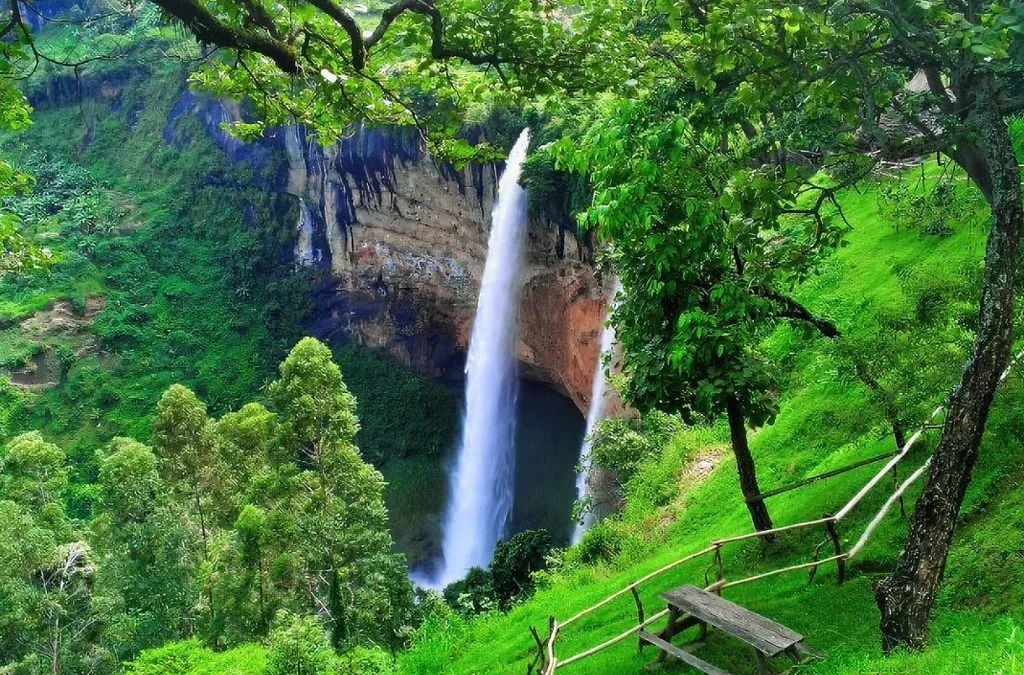
Sipi works better as part of an eastern Uganda route. It is particularly attractive to travelers interested in hiking, coffee experience, scenery and a slower rural experience. Trying to force Sipi into a western Uganda gorilla circuit can create unnecessary driving especially if one has limited time.
Jinja and the Nile
Jinja is another logical addition for travelers interested in adventure.
White water rafting and other Nile activities can provide a complete change of pace after several days of wildlife viewing. It can also work well at the beginning of the trip, depending on international flight arrangements.
Choosing a Luxury Lodge: Location Comes First
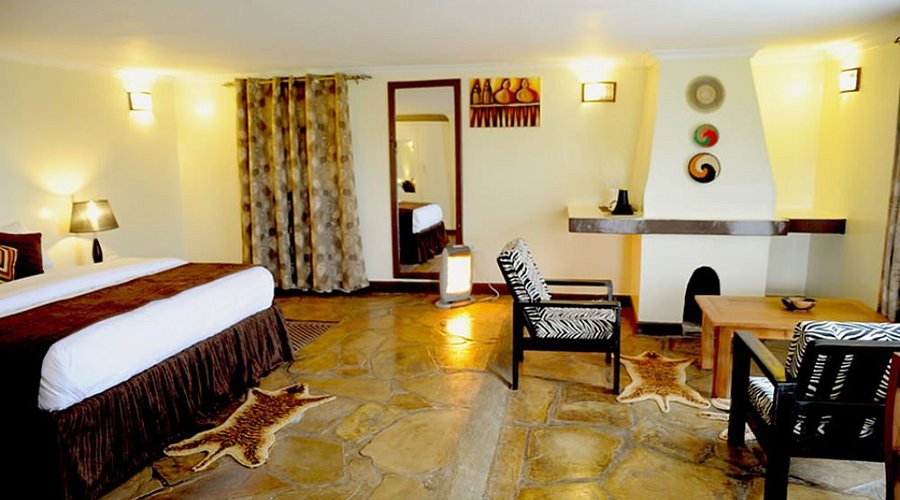
A good room matters after a long day in the bush. But on safari, I would always look at the map before looking at the photographs. Around Bwindi, ask how long it takes to reach the particular trekking sector. Around Kibale, consider the relationship between the lodge and Kanyanchu. Around Queen Elizabeth, think about whether you want to be close to Mweya, the Kazinga Channel or another activity area. Then look at the room.
Useful questions include:
- Is breakfast available early enough for the activity?
- How reliable is electricity?
- Is hot water available when you need it?
- Is laundry practical?
- What happens if it rains?
- How long does it take to reach the park activity?
- Can the lodge prepare an early meal or packed breakfast?
- Does the property have a comfortable place to sit after a long drive?
These details rarely appear in glossy lodge photographs, but they shape the experience.
When Should You Go?
Uganda can be travelled throughout the year, but weather should influence the way you plan the trip.
The traditional drier periods around June to August and December to February are popular. March to May and parts of September to November can bring more rain.
For gorilla trekking, rain does not automatically mean cancellation. The forest remains wet even during periods considered relatively dry.
The practical difference is often the trail. A muddy slope can turn an ordinary walk into a physical challenge. For photographers, wet conditions can also make handling equipment more difficult.
The answer is not simply to avoid the rainy months. It is to understand what kind of traveler you are. If you dislike muddy trails, timing deserves more attention. If you are flexible and primarily interested in wildlife and forests, travelling outside peak periods may offer advantages in availability and atmosphere.
Getting Around Uganda by Road Trip or Fly in Safari Holiday
Entebbe is the practical arrival and departure point for most international visitors. From there, travelers can use a combination of road transfers and domestic flights depending on the itinerary.
For a luxury trip, a private 4×4 with a driver-guide is particularly useful when you want flexibility and privacy. It allows you to stop for wildlife, photography, lunch or a village market without coordinating around another group’s schedule.
Domestic flights can make sense when adding destinations such as Murchison Falls or when the alternative road journey would consume a large part of the itinerary.
The important thing is not to eliminate road travel.
Some of the most interesting transitions in Uganda happen on the road: the change from tea country around Fort Portal into the savannah of Queen Elizabeth, the climb into the hills around Bwindi, or the gradual movement from busy towns into quieter rural areas.
The objective is to make those journeys proportionate to the overall trip.
What Does a Luxury Uganda Safari Cost?
There is no useful single price for a luxury Uganda safari.
The largest variables include:
- Gorilla permits.
- Chimpanzee permits.
- Park fees.
- Lodge category.
- Number of travellers.
- Private vehicle arrangements.
- Driver-guide costs.
- Fuel.
- Domestic flights.
- Number of safari days.
- Activities.
- Porter costs.
- Meals and drinks.
- Seasonal accommodation rates.
The important point in 2026 is that travelers should not rely on an old tariff found in a blog post.
Uganda Wildlife Authority website currently lists a 2026–2027 tariff change, while its downloadable tariff material still includes the previous July 2024–June 2026 tariff. Confirm the applicable rate with your operator when booking.
That distinction matters. A quotation that looks cheaper may simply exclude permits, park fees, internal flights, drinks or activities. Ask for an itemised quotation.
Where Is It Worth Spending More?
If your budget allows, I would prioritise:
- A good driver-guide.
- A private vehicle if privacy and flexibility matter to you.
- Well-located accommodation.
- Properly organised gorilla and chimpanzee arrangements.
- Enough nights in each destination.
- Time-saving flights where they genuinely improve the itinerary.
Only after those elements are right would I worry about whether the lodge has the most elaborate room in the region.
What Is Usually Included?
A properly presented safari quotation should make this clear.
Depending on the operator and itinerary, the package may include accommodation, meals, private transport, driver-guide services, park entry, activities and permits.
It may exclude international flights, visa costs, insurance, personal drinks, tips, porter fees and optional activities.
Never assume. The same phrase, “luxury safari package” can mean quite different things from one operator to another. Ask specifically whether each permit, park fee, transfer, activity and meal is included.
How to Choose a Safari Operator
This is one area where a few minutes of checking can save considerable stress later.
Uganda Tourism Board (UTB) maintains a current directory of licensed tour companies and licensed guides. Its tour-company directory currently lists more than 1,300 entries, and the board also maintains a separate register of licensed guides.
For a European traveler booking from abroad, it is essential to check:
- Whether the operator is licensed.
- What is included in the quotation?
- Who handles gorilla and chimpanzee permits.
- What vehicle is being provided?
- Whether the driver-guide is appropriately licensed.
- Which lodge and gorilla trekking sector are being used?
- What happens if weather or road conditions disrupt the itinerary?
- The cancellation and rescheduling terms and policy
You should also be careful of quotations that look dramatically cheaper than comparable itineraries without explaining why.
With gorilla trekking in particular, the permit and tracking arrangements are not details to leave vague.
What to Pack for a Luxury Uganda Safari
Your lodge wardrobe and your trekking wardrobe are two different things.
For the forest, pack:
- Waterproof hiking shoes or sturdy boots.
- Lightweight trousers.
- Long-sleeved shirts.
- Waterproof jacket.
- Spare socks.
- Small daypack.
- Walking poles if useful.
- Insect repellent.
- Sun protection.
- Reusable water bottle.
- Camera and binoculars if you use them.
Neutral colors are practical for wildlife viewing, although there is no need to create a perfectly beige wardrobe.
For gorilla trekking, gloves can be useful when moving through vegetation or gripping branches on steeper sections.
And keep waterproof protection for your camera accessible. Uganda’s forests are tropical rainforests and it can rain at short notice even when the morning begins perfectly dry.
Responsible Tourism Is Part of the Luxury Experience
The rules around gorilla and chimpanzee encounters exist because close contact between humans and great apes carries risks in both directions.
Uganda Wildlife Authority tracking guidelines regulate group sizes, viewing time, distances and health requirements. Visitors who are ill are not permitted to track, and visitors must follow the instructions of official guides and trackers.
Uganda Wildlife Authority developed a revenue sharing policy distributing tourism revenue to communities around protected areas such as Bwindi and Mgahinga, with revenue-sharing intended to support local development and conservation participation.
That does not mean tourism solves every conservation problem. It does mean the money attached to protected-areas through tourism can contribute to conservation and community development.
Choose licensed operators. Follow the guides. Use porters where appropriate. Buy locally made products where you genuinely want them. Avoid activities that exploit wildlife. Luxury should never mean being allowed to ignore the rules.
Three Sensible Ways to Build a Luxury Uganda Itinerary
A 7–8 Day Gorilla and Wildlife Trip
A shorter trip could focus on:
Entebbe → Lake Mburo or Queen Elizabeth → Bwindi → Gorilla Trek → Entebbe
This works, but there is little room for delays. If gorillas are the priority, I would resist the temptation of adding too many extra destinations.
A short trip is possible. It simply needs to be designed around the main experience rather than trying to collect destinations.
A 10–12 Day Gorilla, Chimpanzee and Safari Journey
For a first time visitor, this is a more balanced approach:
Entebbe → Fort Portal/Kibale → Queen Elizabeth → Bwindi → Lake Mburo/Entebbe
You get forest, chimpanzees, savannah, the Kazinga Channel and gorillas without trying to cover half the country. This is probably the strongest starting point for many first-time European travelers.
A 14-Day or Longer Uganda Journey
With two weeks or more, the itinerary can breathe. You can consider:
Entebbe → Murchison Falls → Kibale → Queen Elizabeth → Bwindi → Mgahinga or Lake Mburo → Entebbe
Or build the trip around hiking, Jinja, culture, birding or another specialized interest. The point is to give each place enough time to become an experience.
Who Is a Luxury Uganda Safari Best Suited To?
Uganda works particularly well for travelers who want variety.
It suits couples who want wildlife combined with a comfortable lodge experience, active travelers who enjoy walking, photographers who want primates as well as savannah species, birders, experienced safari travelers looking for something different from the larger East African circuits, and honeymooners who do not mind getting muddy on one morning of the trip.
It can also work for older travelers who are active and comfortable walking, provided the itinerary is designed around their fitness rather than around an arbitrary list of destinations.
Families require more careful planning, particularly around age restrictions and the physical demands of trekking. Gorilla tracking currently has a minimum age of 15 under Uganda Wildlife Authority published guidelines.
The key question is not whether Uganda is “luxury”. It is whether the style of travel suits you.
How Salt Holidays Can Help You Plan the Right Trip
The useful role of a specialist safari company is often less about selling a fixed package and more about making the complicated decisions easier.
For travelers considering Salt Holidays, the practical questions to discuss include which gorilla trekking sector fits the route, how permits should be handled, which accommodation works best for the activities, how transfers should be timed and where an additional destination genuinely improves the itinerary. That is particularly valuable when a trip combines several moving parts.
A European traveler may know they want gorillas, chimpanzees and wildlife but not know whether Kibale or Kyambura makes more sense, whether Murchison is worth the additional travel, or whether a domestic flight could save a full day on the road.
Those are the decisions a good local operator should help you work through. The traveler should remain in control of the priorities. The operator’s job is to make those priorities work on the ground.
The Luxury Uganda Safari Is About Getting the Details Right
By the time you sit down at a lodge after a gorilla trek, luxury may mean something slightly different from what it meant when you were researching Uganda in Europe.
But it also means knowing that the permit is in order, that you are staying close to tomorrow’s activity, that you have not spent half the day driving in the wrong direction and that there is enough space in the itinerary for Uganda to behave like Uganda.
Uganda’s appeal is precisely that it cannot be completely controlled.
Rain changes the forest. Wildlife moves. Roads take longer than expected. A chimpanzee group disappears into the canopy. A gorilla family crosses a slope. An elephant blocks the road. That is where thoughtful planning matters.
For travelers considering a luxury Uganda safari, the strongest approach is to spend money on the things that improve the actual journey: time, good guides, sensible routes, comfortable transport, well-positioned accommodation and properly organized wildlife experiences.
Salt Holidays can help turn those practical pieces into an itinerary built around what you actually want to experience. Uganda is at its best when you have enough time to stop looking at the clock. And that may be the most useful definition of luxury.
Frequently Asked Questions about Luxury Uganda Safaris
How much does a luxury Uganda safari cost?
There is no fixed price because the final cost depends on accommodation, permits, park fees, transport, activities, season and itinerary length. Gorilla and chimpanzee permits can be significant components of the budget, and the applicable UWA tariff should be confirmed when booking.
How difficult is gorilla trekking in Uganda?
Gorilla trekking requires reasonable physical fitness, but the difficulty varies from one day to another. Uganda Wildlife Authority describes treks as potentially lasting around two to seven hours, depending on where the gorilla family is located.
What is the best time for a luxury Uganda safari?
Uganda can be visited throughout the year. June to August and December to February are traditionally popular drier periods, while wetter months can produce muddier trekking conditions. The best timing depends on your priorities, including gorilla trekking, wildlife viewing, hiking and birding or photography.
Can I combine gorilla trekking with chimpanzee tracking?
Yes. Kibale and Bwindi fit naturally into a western Uganda itinerary. Kyambura Gorge is another chimpanzee-tracking option within the Queen Elizabeth Conservation Area.
How many days do I need for a Uganda safari and gorilla trek?
Around 10–12 days gives many first-time travelers a good balance between gorilla trekking, chimpanzees and classic wildlife. A shorter itinerary of 5-7days is possible especially for gorillas and chimpanzee experience or gorillas and wildlife safari, but it leaves less room for road delays and additional experiences.
Is Uganda suitable for active travelers?
Yes. In addition to gorilla and chimpanzee trekking, Uganda offers hiking in the Rwenzori Mountains and Mgahinga, Mount Elgon experiences around Sipi, While water rafting /Nile adventures around Jinja and walking safaris in lake Mburo national park among other protected areas.
Should I book a private safari vehicle?
For travelers prioritizing privacy and flexibility, a private 4×4 with a driver-guide is usually the most useful arrangement. It allows the itinerary to adapt around wildlife sightings, photography, meal stops and your preferred pace.
What should I pack for gorilla trekking?
Bring sturdy hiking footwear, lightweight layers, a waterproof jacket, spare socks, a small daypack, insect repellent, sun protection and protection for cameras or other electronics. The forest can be wet and muddy even when conditions elsewhere are dry.
Why do gorilla permits have strict rules?
Great apes are vulnerable to human diseases and excessive visitor pressure. Uganda regulates visitor numbers, viewing time, distances and health requirements to reduce risks to both visitors and wildlife.
How can I check whether a Uganda safari company is licensed?
Uganda Tourism Board (UTB) maintains an online directory of licensed tour companies and guides. Checking the operator’s licensing status is a sensible step before paying a deposit, particularly when booking internationally.
Can Salt Holidays help create a tailor-made Uganda safari?
Yes, we help travelers work through route planning, trekking sectors, permits, accommodation, transfers and activity timing. For a trip involving several parks and trekking experiences, local planning can help reduce unnecessary driving and make the itinerary more coherent.
Related Posts