Serengeti National Park Vs Kruger National Park Serengeti National Park Vs Kruger National Park are the…
How to Choose the Best African Safari Tours?
How to Choose the Best African Safari Tours?
African safaris cover a genuinely wide range of experiences, destinations, costs and travel styles.
This guide walks you through and answers some of the frequently asked questions by travelers on African safaris. It covers what to decide first, which destinations suit which travelers, what types of safaris exist and how they differ in practice, when to go, how much to budget and many more. The goal is straightforward: to help you book an African trip that matches what you actually want rather than what a website says you should want. The Salt Holidays team is here to guide you on how to choose your African safari correctly. Let us explore some of the preferences below.
What You Want to See in Africa
The most important thing you can do before looking at any tour, itinerary, or operator is deciding what specifically you want to explore on an African safari.
The answer to this question changes the destination, timing, and type of safari before any other variable comes into play.
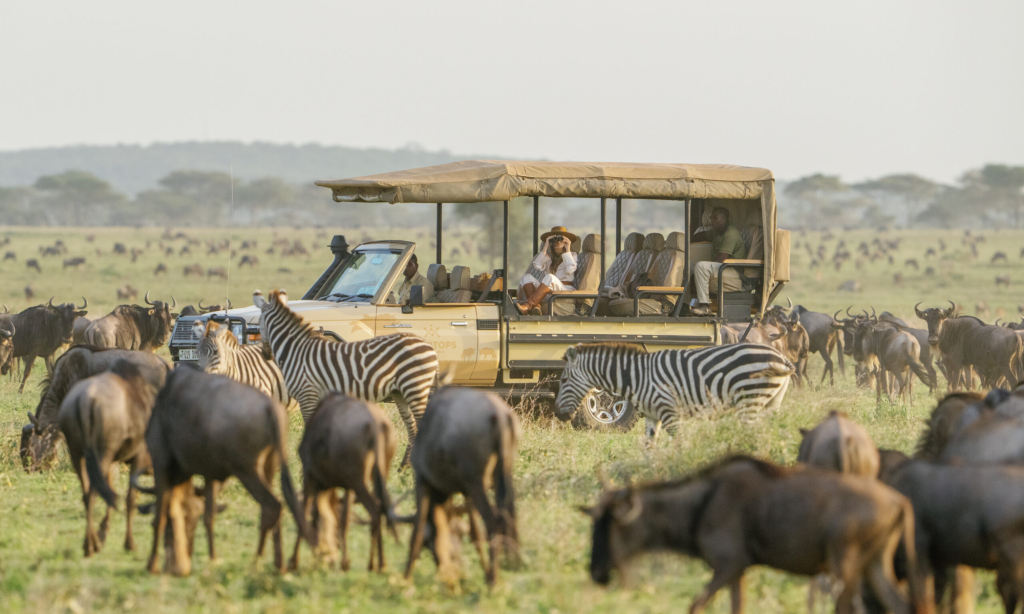
If you want to see the Great Migration, in which about 1.5 million wildebeests move between the Serengeti and the Masai Mara. This takes you to Tanzania or Kenya, between July and October for the river crossings, in the northern Serengeti or the Masai Mara, specifically.
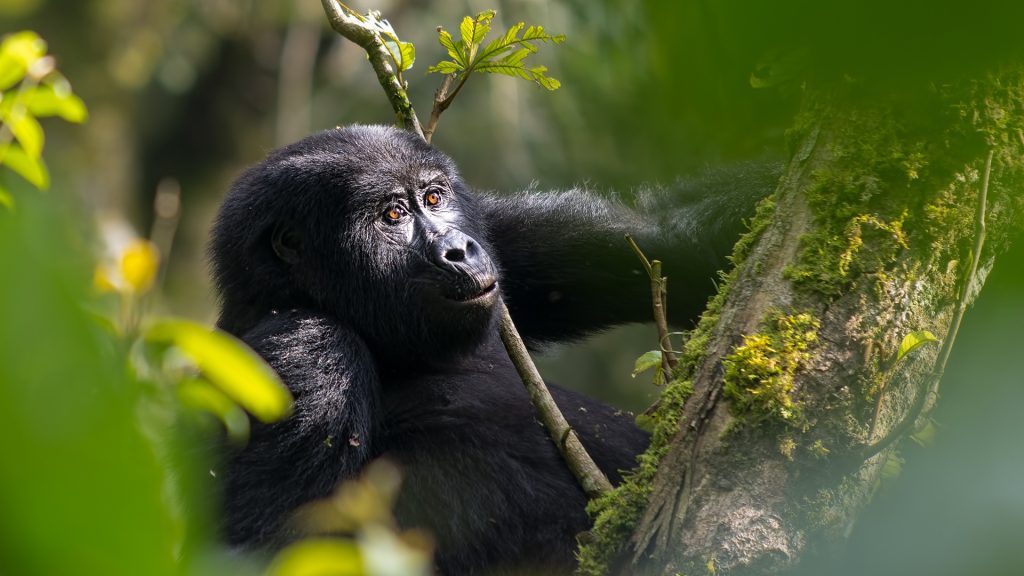
If gorilla trekking is why you want to go to Africa, then the destination is Uganda or Rwanda. Mountain gorillas live in Bwindi Forest in Uganda and Volcanoes National Park in Rwanda.
Which African Safari Destination Is Right for You?
East Africa (Kenya, Tanzania, Uganda & Rwanda)
Most people go to East Africa for their first African safaris. The infrastructure for safari tourism is solid, with well-maintained roads between parks, domestic flight networks connecting most major reserves, and accommodation covering every budget from basic tented camps to private luxury lodges. The Masai Mara in Kenya and the Serengeti in Tanzania have among the highest concentrations of large mammals anywhere in Africa. The Great Migration passes through both countries, and between them, they cover the best-known safari circuit on the continent.
Uganda and Rwanda offer a different kind of East Africa trip. Gorilla trekking in Uganda‘s Bwindi Forest and Rwanda’s Volcanoes National Park is one of a kind, where travelers encounter the mountain gorillas. While in both Uganda and Rwanda, visitors can also take part in other primate trekking, such as chimpanzee trekking in Kibale Forest and Nyungwe, respectively.
Southern Africa (South Africa, Botswana, Zambia and Zimbabwe)
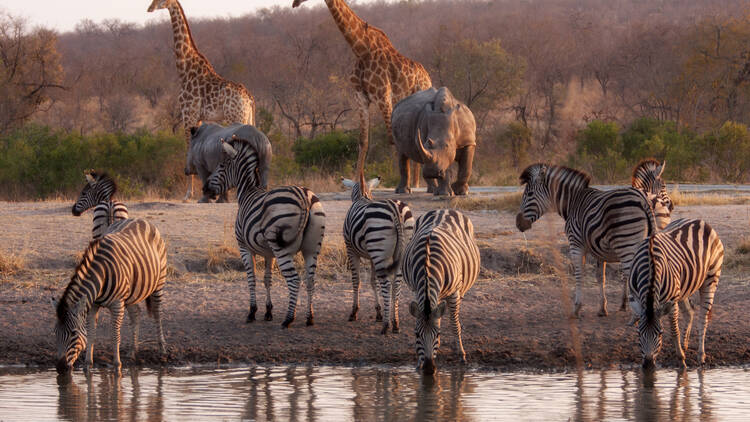
Southern Africa runs on a different rhythm. South Africa’s Kruger National Park is one of the most accessible safari destinations in Africa, with international flights directly to Johannesburg and a road network inside the park that makes self-drive possible. The Big Five are all present. The private reserves bordering Kruger, particularly the Sabi Sands, are among the best places in Africa to see leopards, which are notoriously hard to find elsewhere. Sabi Sands lodges have tracked specific leopard individuals for decades and the sighting rates are very high.
In Botswana, the Okavango Delta is the main draw, a vast inland river delta that floods seasonally and creates a water-based ecosystem unlike anything in East Africa. Travelers take part in Mokoro canoe trips, walking safaris on the delta islands, and game drives on the surroundings.
What Type of African Safari Tour to Book
Private Safari
A private African safari means your own vehicle and your own guide for the entire safari. The game drive schedule is entirely yours. You stay at a sighting as long as you want, change direction based on what your guide has heard from other vehicles, and set the pace each day around your own interests. The guide tailors everything to what you have already seen and what you are still looking for.
Private safaris cost more than group tours, but for a trip of a week or longer the difference in the quality of the experience on the ground is significant. If your budget allows it, a private vehicle is worth the premium.
Group Safari
Group safaris join a fixed departure with other travelers, a shared vehicle, and a set route. The schedule is fixed and the guide manages multiple guests at once. For travelers on tighter budgets, a well-run group tour with a reputable operator such as Salt Holidays still produces good wildlife sightings and a worthwhile experience.
When to Go for African Safaris | Getting the Timing Right
The timing of your African safari affects the wildlife, the crowds, the road conditions, and the safari cost.
Dry Season
The dry season in East Africa runs from June to October. In Southern Africa, it runs May to September. This is when the grass is short, water is scarce and therefore animals concentrate in predictable areas.
Wildlife viewing is best during these dry months.
It is also when the parks are busiest and accommodation is at its most expensive. For the most popular parks, Masai Mara National Park, Serengeti National Park, Bwindi National Park, and Volcanoes National Park, book your preferred camps six months prior to the actual safari dates.
Wet Season
The wet season in East Africa runs roughly from November through April, with the heaviest rains in April & May. Prices drop, parks are quieter, and the landscape turns green and photogenic in ways the dry season cannot match. The wet season is the perfect timing for birding enthusiasts.
How Many Days Do You Need
Most people booking their first African safari underestimate how long they need. A 3-day trip can produce good wildlife sightings, but it does not give you enough time to settle into the rhythm of the bush. A 3-day African safari tends to feel like a tasting menu rather than a meal.
7 to 10 days on a safari are the minimum days for a trip covering two or three safari destinations. Anything under a week leaves most visitors a feeling that they got a glimpse rather than a sense of a destination.
What African Safaris Actually Cost
African safaris span a wider price range than almost any other travel category, and understanding what drives the difference helps you avoid both overpaying for something and booking something cheap that underdelivers.
Budget group safaris using shared vehicles and basic accommodation start from around USD 150 to USD 250 per person per day in East Africa. Mid-range trips with private vehicles, comfortable lodges, and full-board meals run from USD 400 to USD 700 per person per day. Established luxury lodges and tented camps in prime locations cost USD 700 to USD 1,500 per person per day. Private concession properties in Tanzania, Botswana, and Kenya’s Mara conservancies go well above that, with some charging USD 1,500 to USD 3,000 per person per night on a full-board basis.
Park fees are a significant part of the cost and are fixed regardless of which operator you use.
Your knowledgeable guide matters more than your accommodation tier.
How to Choose a Tour Operator
Look for Specific Knowledge
Every safari operator’s website says they offer the best experience in Africa. That claim is made by everyone and means nothing. What you are looking for is evidence that the people selling the trip have been there recently and know the details.
A tour operator with genuine firsthand knowledge of the areas they sell will have specific, practical answers.
Read Independent Reviews
Reviews on tour operator’s website are selected by the operator. Go to TripAdvisor, Safari Bookings, or Google Reviews for a less curated picture. When reading, look for reviews that describe specific experiences rather than general praise, and note when reviewers name the guide. A guide who is mentioned by name in multiple independent reviews and described in terms of what they actually did on a drive, what they spotted, how they explained animal behavior, and what they did when the vehicle broke down tells you something real about the quality of the guiding.
Understand What Is and Isn’t Included
Safari packages that look similar on price often differ significantly in what they cover. Park entry fees, vehicle fees, internal transfers, meals, activities, and accommodation should all be explicitly confirmed as included or excluded before you sign anything.
A clear written contract covering cancellation terms, refund policy, and what happens in circumstances outside the operator’s control is standard practice for any reputable company.
Vehicle Type and Group Size
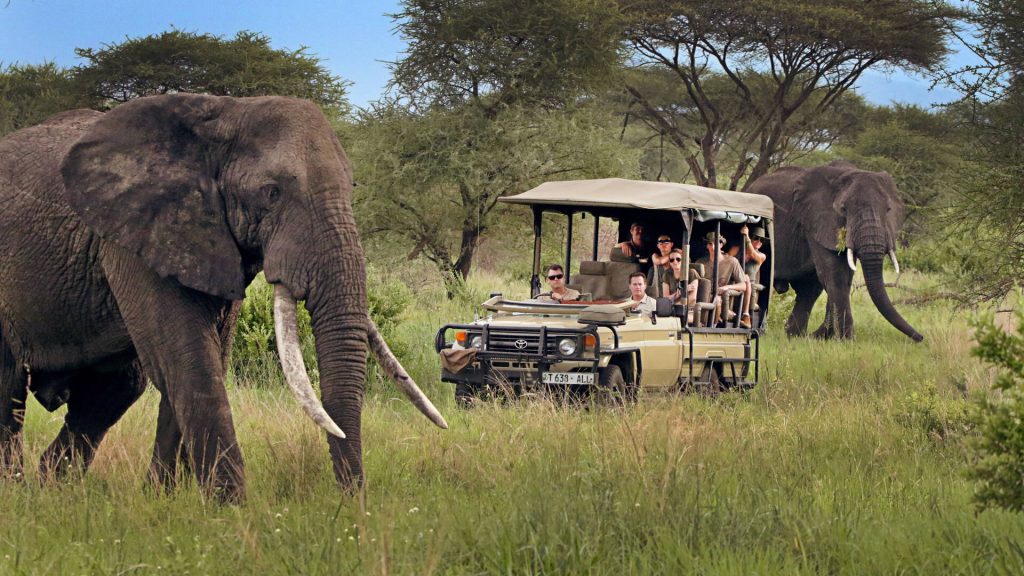
The vehicle matters more than most people expect when booking African safaris. A proper open-sided safari 4WD with individual elevated seats, a pop-top roof, and a USB charging point at each seat is a fundamentally different experience from a shared minivan. Ask your operator exactly what type of vehicle you will be in and how many passengers will share it on game drives. For shared group departures, six people in an appropriate vehicle is workable. Eight to twelve in a minivan means some passengers have poor sightlines, cannot photograph what is on the wrong side of the vehicle, and have limited ability to move quietly or communicate with the guide.
Accreditation and Financial Protection
Reputable safari operators in East Africa are typically members of recognized trade associations: the Association of Uganda Operators (AUTO), the Kenya Association of Tour Operators (KATO), and the Tanzania Association of Tour Operators (TATO). Membership signals a baseline of professional standards and accountability.
Health
Malaria and Vaccinations
Most African safari destinations fall in malaria zones. Anti-malarial medication is standard for any African trip involving game parks and should be discussed with a travel medicine clinic at least six weeks before departure, since some regimens begin before travel. Yellow fever vaccination is required for Uganda and several other African countries and is checked at the border. If you are arriving from a country where yellow fever is endemic, proof of vaccination may be required for entry to countries that do not themselves carry the disease. Check the specific requirements for every country on your itinerary.
Finding the Right African Safari for You
Choosing the right African safari comes down to being clear about what you want, matching that to the destination and timing where it is available, and finding an operator with the knowledge and track record to deliver it. That is a simple framework, but it requires working through the questions in order rather than starting with a price or a headline.
Related Posts