Mara Serena Safari Lodge | Maasai Mara, Kenya Mara Serena Safari Lodge holds a unique…
Best Time to Visit Uganda for a Safari
Best Time to Visit Uganda for a Safari: A Local Guide to Every Season
A few hundred meters away, a fish eagle calls from the banks of the Kazinga Channel. The grass is still wet from overnight rain, and the air carries the earthy scent after a tropical rain shower. Within an hour, the clouds will begin to lift. By afternoon, the sun will be high, and the same landscape will feel entirely different.
Uganda changes quickly. Not just from one national park to another, but from one season to the next. It’s a question almost every traveler asks before booking a safari.
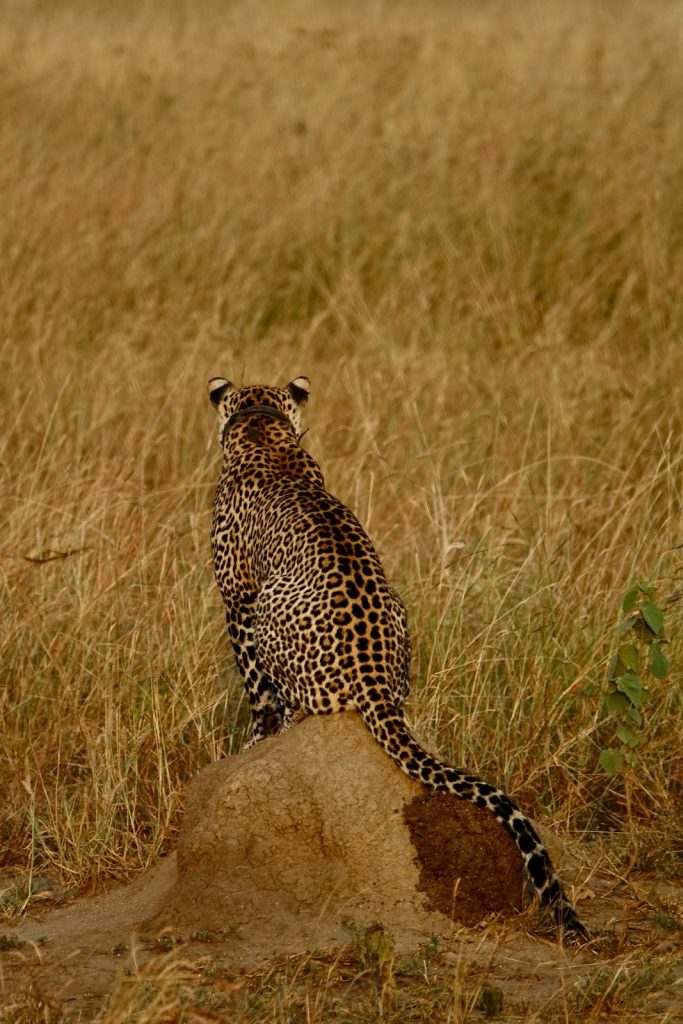
When is the best time to visit Uganda?
The honest answer isn’t a single month on the calendar. Uganda is a year-round safari destination, and each season reveals a different side of the country. The dry months make wildlife easier to spot as animals gather around rivers, lakes and permanent water sources. The rainy seasons transform forests into vibrant shades of green, fill waterfalls to their fullest and bring dramatic skies that photographers quietly hope for.
The “best” time depends less on the weather and more on the experience you’re hoping to have. Are you dreaming of standing a few meters from a family of mountain gorillas in Bwindi? Do you want long game drives in Queen Elizabeth National Park when elephants congregate on the plains? Perhaps you’re planning to climb the Rwenzori Mountains, photograph the shoebill in Mabamba Swamp or spend evenings watching hippos along the Nile in Murchison Falls National Park. The season matters. So does knowing what that season actually looks like on the ground.
Uganda sits astride the Equator, giving it a relatively stable climate throughout the year. Temperatures remain comfortable in most safari regions, especially in the western highlands, where cooler mornings often call for a light fleece before the afternoon sun warms the day. Instead of four distinct seasons, Uganda experiences alternating wet and dry periods, though even these vary depending on where you’re travelling.
That diversity is one of the country’s greatest strengths. You can leave the bustling streets of Kampala after breakfast and arrive in the cool forests of Bwindi by evening. Travel north, and the climate becomes noticeably drier around Murchison Falls National Park and Kidepo Valley national park. Head east towards Mount Elgon, and afternoon showers often nourish some of Uganda’s most productive coffee-growing landscapes. There is no single version of Uganda. The seasons reveal that more clearly than anything else.
The Dry Season: When Wildlife Comes Into View
If you are visiting Uganda for the first time, chances are you will be looking at the months between June and September, or December and February. These are generally considered the country’s dry seasons, and for good reason.
Roads into the national parks are usually easier to navigate, hiking trails are firmer underfoot and wildlife tends to concentrate around permanent water sources, making game viewing more rewarding.
In Queen Elizabeth National Park, long grass begins to thin after weeks of sunshine. Uganda kob graze in open areas where lions find it easier to hunt, while elephants spend more time near the Kazinga Channel and its surrounding wetlands.
Further north in Murchison Falls National Park, boat safaris along the Nile become especially productive during the dry months. Crocodiles bask openly on the riverbanks, pods of hippos gather in quieter sections of the water, and giraffes browse among the acacia trees scattered across the northern plains. For photographers, visibility often improves too.
The dry season is also ideal for gorilla trekking. That doesn’t mean you’ll avoid mud altogether. Bwindi Impenetrable National Park is, after all, a rainforest. A shower can pass through at any time of the year. Even in August, you’ll find slippery roots, damp undergrowth and sections of trail where good hiking boots earn their place.
Heavy downpours are less frequent, making forest trails more manageable and reducing the likelihood of extended delays caused by difficult terrain. This is also when European school holidays overlap with Uganda’s peak safari season.
Gorilla permits, especially in the popular Buhoma and Rushaga sectors of Bwindi, often sell out several months in advance. Luxury lodges overlooking the forest are similarly in high demand. Planning ahead about 6 months before the actual travel date, is the best way to secure your gorilla trekking permit in the peak safari season.
Yet even during the busiest weeks, Uganda rarely feels crowded in the way some safari destinations can. You might spend an entire morning game drive seeing only a handful of other vehicles.
On a forest trail, the only sounds may be the calls of turacos echoing through the canopy and the steady rhythm of boots against the earth.
That sense of space remains one of Uganda’s greatest luxuries.
The Green Season: Uganda at Its Most Alive
There is a particular shade of green that only appears after rain. You’ll notice it first in the tea estates outside Fort Portal. Neatly clipped rows of tea bushes seem to glow beneath low clouds drifting off the Rwenzori Mountains. Water trickles into roadside channels, children splash through puddles on their walk home from school, and farmers take advantage of the softened soil to plant beans, maize and bananas.
The phrase rainy season has a habit of putting people off before they have even looked at the map. Uganda rarely works like that.
Rain usually arrives in bursts rather than all-day storms. The morning may begin with clear skies, followed by a heavy afternoon shower that lasts an hour before sunshine returns. Some days stay dry altogether. Others bring dramatic clouds that transform the landscape.
The result is a country that feels refreshed. Rivers swell. Waterfalls thunder. Forests breathe again.
If you are travelling between March and May or during the shorter rains in October and November, you are likely to see Uganda at its most vibrant.
Why Experienced Travelers Often Choose the Green Season
Talk to guides who have spent years leading safaris across Uganda and many will admit they have a soft spot for the quieter months. Not because wildlife disappears during the dry season. It’s because the parks feel different.
Game drives become less predictable in the best possible way. Fresh grass spreads across the plains of Queen Elizabeth National Park, giving Uganda kob, buffalo and elephants more places to feed. Young antelope begin to appear, closely watched by predators that are never far away.
The landscape itself becomes part of the experience.
Crater lakes around Fort Portal reflect enormous storm clouds. The papyrus wetlands surrounding Lake Mburo take on richer colors, while the forests of Kibale seem almost impossibly lush after several weeks of rain. Photographers often welcome these conditions.
Bright blue skies can produce harsh contrasts that flatten a landscape. Soft cloud cover, on the other hand, creates gentler light, richer colors and more atmospheric wildlife images. Stand on the top of Murchison Falls after rain and you’ll understand why.
The Nile throws itself through the narrow gorge with astonishing force, sending mist high above the rocks before drifting back across the surrounding forest. The falls feel louder. More powerful. The season amplifies the experience.
What Gorilla Trekking Is Really Like During the Rainy Months
One of the biggest misconceptions is that gorilla trekking becomes impossible once the rains arrive. It doesn’t. Mountain gorillas don’t migrate with the seasons. They are there every day.
What changes is the walk.
Trails become muddier, especially in Bwindi’s steeper sectors such as Nkuringo. Tree roots grow slippery, and some climbs demand a little more patience than they do during the drier months. That sounds challenging. It can be. It is also part of what makes the experience memorable.
There’s something deeply satisfying about reaching a gorilla family after hiking through mist-covered forest while rainwater drips quietly from giant ferns overhead. The forest feels alive in a way that dry conditions simply cannot recreate.
Hiring a porter becomes even more worthwhile during these months. For a modest fee of about $20 paid directly to the porter, you’ll have someone to carry your backpack, offer a steady hand on steeper slopes and, in doing so, directly support local livelihoods around the park.
Many visitors initially think they won’t need one. By the end of the trek, most are glad they made the decision.
Birdsong, Butterflies and the Season of New Life
While many safari-goers focus on mammals, Uganda’s rainy seasons quietly become a celebration of everything else. More than 1,000 bird species have been recorded across the country, making Uganda one of Africa’s premier birdwatching destinations.
Migratory birds arrive from Europe and Asia during the latter part of the year, joining an already remarkable collection of resident species.
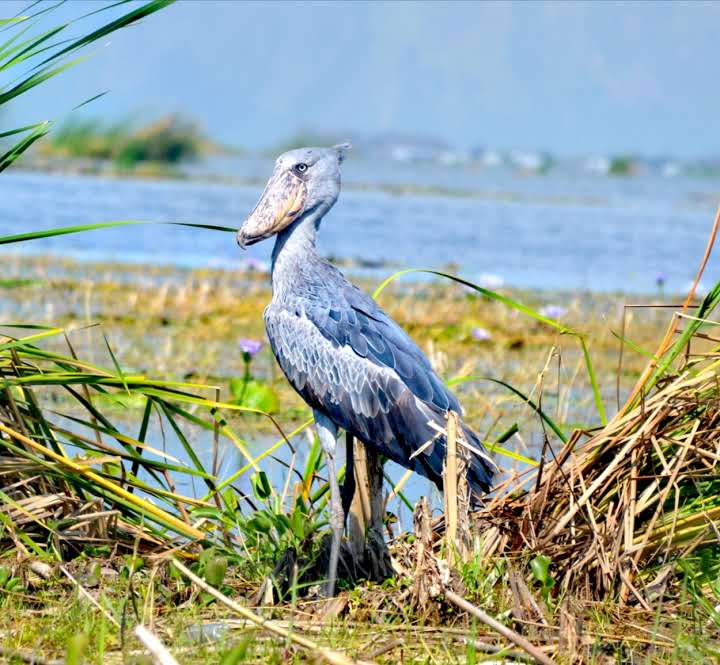
In Mabamba Swamp, birders head out in small wooden canoes at first light, scanning dense papyrus channels for the elusive shoebill. In Semuliki National Park, the forests resonate with the calls of hornbills and turacos, while colourful butterflies drift through shafts of filtered sunlight in Kibale. Even travelers who don’t consider themselves birdwatchers often find themselves slowing down.
A guide points out a great blue turaco gliding across the canopy. A malachite kingfisher flashes electric blue above a quiet stream. Suddenly, the safari isn’t only about the Big Five. It’s about noticing everything else.
Roads, Rivers and Realistic Expectations
Rain changes the pace of travel. That’s worth embracing rather than fearing.
Some gravel roads become slower after prolonged downpours, particularly in remote areas. A journey that takes four hours in January may take a little longer in April, simply because drivers reduce speed on muddy sections.
Experienced guides already factor this into your itinerary. There is no need to rush. The changing scenery becomes part of the day’s experience.
You will pass women harvesting tea on the hills above Fort Portal, roadside stalls piled high with sweet mangoes during their peak season, and freshly washed villages where children gather to watch safari vehicles pass.
Choosing the green season is not about accepting compromise. It’s about seeing a different side of the country, one that many repeat visitors deliberately return for. The forests are fuller. The waterfalls are stronger. The light is softer. And the rhythm of travel slows just enough to notice details that are easily missed during busier months.
Choosing the Right Season for the Safari You Want
The question is not simply when should I visit Uganda? A better question is this:
What kind of safari do you want to remember?
Someone hoping to spend long days photographing lions behaves differently from a traveler whose dream is hiking through rainforest in search of chimpanzees. A keen birder follows a different calendar altogether, while a couple celebrating a honeymoon may value privacy and quieter lodges more than peak wildlife viewing.
Uganda doesn’t have one perfect season. It has seasons that suit different travelers.
For Gorilla Trekking
If Bwindi gorilla trekking is the reason you are coming to Uganda, you can visit at any time of year. The gorillas don’t disappear when the rains arrive. They are monitored daily by experienced trackers who know the movements of each habituated family. The difference lies in the journey to reach them.
During June to September and December to February, forest trails are generally firmer underfoot, making Bwindi gorilla trekking a little easier, particularly for visitors who are less accustomed to hiking. These months are also the busiest.
Permits often sell out many months in advance, especially in the popular Buhoma and Rushaga sectors of Bwindi Impenetrable National Park.
The quieter months tell a different story. Morning mist hangs longer beneath the forest canopy. Moss-covered trees seem brighter after rain, and waterfalls hidden deep within the forest become more dramatic. The climb may demand a little more effort. Many travelers would argue the atmosphere is worth it.
One thing remains true in every season. A sturdy pair of waterproof hiking boots matters far more than the month you choose.
For Classic Wildlife Safaris
If game drives are at the heart of your Uganda safari, the dry months usually offer the easiest wildlife viewing. As grass becomes shorter and natural water sources shrink, animals gather more frequently around rivers, lakes and permanent wetlands or waterholes
In Murchison Falls National Park, elephants often spend longer time along the Nile, while Rothschild’s giraffes browse across the open northern plains. Boat cruises reveal large pods of hippos, basking crocodiles and a remarkable variety of birdlife concentrated along the riverbanks.
In Queen Elizabeth National Park, the Kazinga Channel remains busy throughout the year, but dry conditions make game drives across Kasenyi Plains particularly rewarding as Uganda kob graze in open areas where predators can be more easily spotted.
For Chimpanzee Tracking
Chimpanzees have personalities. Guides say it often with a smile. Some mornings they are calm and feeding quietly in the trees. Other days they are impossibly energetic, crashing through the canopy before disappearing almost as quickly as they arrived. Tracking them is never entirely predictable.
Kibale Forest National Park offers excellent chimpanzee tracking throughout the year, although the drier months generally provide more comfortable walking conditions.
Rainy periods, however, create wonderfully atmospheric forests. Morning fog hangs between towering mahogany trees, birds become more active after overnight rain, and the forest floor bursts with mushrooms, insects and new plant growth.
For Mountain Hiking
The Rwenzori Mountains create their own climate, and rain can fall during any month. Even so, hikers attempting longer expeditions to Margherita Peak often favor June to August and December to February, when conditions are typically more stable.
The same applies to Mount Elgon, where drier trails make multi-day hikes more comfortable. That doesn’t mean avoiding every other month. Experienced mountain guides know these routes intimately and adjust itineraries according to changing conditions.
For Birdwatching
If birding is your priority, Uganda becomes exceptional. More than 1,090 bird species have been recorded across the country, representing nearly half of Africa’s birdlife. The months between November and April are particularly rewarding as migratory species from Europe and northern Asia join Uganda’s resident birds.
Mabamba Swamp remains one of the country’s most celebrated birding locations thanks to the elusive shoebill, while Semuliki National Park attracts enthusiasts searching for species rarely found elsewhere in East Africa. Even travelers with little previous interest in birds often discover that Uganda changes that.
A Month-by-Month Snapshot
Rather than searching for one perfect month, think about the kind of journey each season offers.
January and February bring warm, relatively dry conditions. Wildlife viewing is excellent, mountain hikes are generally more comfortable, and roads are usually in good condition. These months are particularly popular with first-time visitors.
March to May marks the long rainy season. Forests become lush, waterfalls swell, and landscapes look spectacular. Gorilla trekking can be muddier, but visitor numbers are lower and the atmosphere feels wonderfully unhurried.
June to September is Uganda’s classic safari season. Wildlife viewing is at its peak, hiking conditions improve, and gorilla trekking is especially popular. It’s also the busiest period, so booking well in advance is essential.
October and November offer a beautiful balance. Afternoon showers return, refreshing the landscape without preventing travel. Photographers appreciate the dramatic skies, birdlife is abundant, and many parks feel pleasantly quiet.
Every month offers something worthwhile. The key is choosing the season that matches your interests rather than chasing a mythical “perfect” time.
Book Earlier Than You Think
One planning mistake appears again and again. People leave gorilla permits until the last minute.
Uganda Wildlife Authority limits the number of visitors who can spend time with each habituated gorilla family every day. That careful management protects the gorillas while ensuring visitors enjoy a more intimate experience.
It also means availability is limited. If you’re planning to travel during June, July, August, December or early January, begin organising your safari at least six to twelve months in advance. This gives you the best chance of securing your preferred trekking sector, accommodation and guide.
Flights into Entebbe also tend to be more competitively priced when booked early, particularly from major European hubs such as London, Amsterdam, Brussels, Paris and Frankfurt. The best safaris rarely come together at the last minute. They are carefully planned.
Frequently Asked Questions About the Best Time to Visit Uganda for a Safari
What is the best month to visit Uganda for a safari?
There isn’t one single best month for every traveler.
For many first-time visitors, January, February, June, July, August and September offer the easiest conditions for a classic Uganda safari. Wildlife viewing is excellent, roads inside national parks are generally more accessible, and gorilla trekking conditions are often more comfortable.
However, experienced travelers often choose different months depending on what they want to see.
A photographer may prefer November when green landscapes, dramatic skies and softer light create more atmospheric images. A birdwatcher may choose the months between November and April when migratory species arrive from Europe and northern Asia. A traveler looking for quieter trails and fewer visitors may deliberately choose the rainy seasons.
Uganda rewards travelers who match the season to their interests rather than simply following peak travel dates.
Is Uganda good to visit during the rainy season?
Yes. The rainy season is often misunderstood.
Uganda does not experience months of continuous rain that prevent travel. Most rainfall arrives in short, heavy showers, often followed by clear skies. The timing and intensity vary depending on the region, but safaris continue throughout the year.
The greener months, particularly March to May and October to November, bring their own advantages.
Forests such as Bwindi and Kibale become incredibly vibrant. Waterfalls around Mount Elgon and Sipi Falls become more powerful. Migratory birds arrive, landscapes become intensely green and photographers benefit from dramatic skies and softer natural light.
There are practical considerations.
Roads in remote areas can become slower after heavy rainfall. Gorilla trekking trails can be muddy, especially in the steeper sections of Bwindi. A good safari operator adjusts the itinerary, allows realistic travel times and ensures travelers are prepared.
The reward is a quieter, more atmospheric Uganda.
Can you trek mountain gorillas during the rainy season?
Yes.
Gorilla trekking takes place throughout the year.
Mountain gorillas do not migrate with the seasons, visitors have the opportunity to encounter them whether they travel during dry or wet months.
The main difference is the hiking experience.
During rainy periods, the forest floor in Bwindi Impenetrable National Park can become slippery. Trails may be muddy, and some sections require more effort, particularly in areas such as Nkuringo and Rushaga where the terrain is more steep.
This is where preparation matters.
Waterproof hiking boots, gaiters, a lightweight rain jacket and walking poles can make a significant difference. Hiring a local porter is highly recommended. Porters understand the forest trails, help carry equipment and provide direct income to communities around the park.
Many visitors who trek during the rainy season say the forest feels even more magical. Mist hangs between ancient trees. Streams flow more strongly. The rainforest feels exactly as its name suggests, wild and alive.
How far in advance should I book a Uganda safari?
For a well-planned Uganda safari, earlier is usually better. This is especially true if gorilla trekking is part of your itinerary.
Uganda Wildlife Authority limits the number of daily gorilla trekking visitors to protect habituated gorilla families from excessive human disturbance. During popular travel periods, permits can become limited many months before arrival.
Travelers visiting during:
- June to September.
- Christmas and New Year.
- Easter holidays.
should ideally begin planning six to twelve months in advance.
Early planning also gives you better access to preferred lodges, trekking sectors and flight options. A last-minute safari is sometimes possible, but flexibility becomes essential.
What is the cheapest time to visit Uganda for a safari?
The quieter travel periods, particularly during the rainy seasons, often provide better value.
Months such as March, April, May, October and November may offer more flexibility with accommodation availability, and some lodges provide seasonal offers.
However, choosing a lower-cost period should not mean compromising on the experience. Wildlife does not disappear during these months. Gorillas remain in the forest. Chimpanzees continue moving through Kibale. Lions still patrol Queen Elizabeth’s Ishasha plains. Elephants still gather around Murchison Falls’ waterways.
In fact, some travelers prefer these months because they combine excellent experiences with fewer visitors. The best value often comes from designing the right itinerary rather than simply choosing the cheapest month.
What should I pack for a Uganda safari depending on the season?
Packing for Uganda is less about heavy luggage and more about being prepared for changing conditions.
For all seasons, essential items include:
- Lightweight, breathable clothing.
- A warm layer for early mornings and cooler highland areas.
- Comfortable walking shoes.
- Sun protection.
- Insect repellent.
- A reusable water bottle.
- Binoculars.
- A small daypack.
For gorilla trekking and forest walks, add:
- Waterproof hiking boots.
- Long trousers to protect against vegetation and insects.
- A lightweight rain jacket.
- Gardening gloves or trekking gloves for gripping vegetation.
- Gaiters during wetter months.
For the Rwenzori Mountains or Mount Elgon, preparation needs to be more specialised because conditions can change quickly at altitude.
The right clothing matters, but so does the mindset.
Uganda is an outdoor destination.
A little dust, rain or mud is part of the experience.
Is Uganda a good safari destination for first-time visitors to Africa?
Absolutely.
Uganda is particularly rewarding for travelers who want more than traditional vehicle-based safaris.
A first safari here can combine some of Africa’s most iconic experiences:
- Mountain gorilla trekking in Bwindi.
- Chimpanzee tracking in Kibale.
- Wildlife drives in Queen Elizabeth National Park.
- Boat safaris on the Nile and Kazinga Channel.
- Walking experiences in forests and savannah.
The country also feels more personal than many larger safari destinations.
Visitors often remember conversations with guides, roadside stops, local meals and unexpected moments between major attractions as much as the wildlife itself.
For travelers who value authenticity, conservation and meaningful encounters, Uganda offers something increasingly rare.
Which month is best for wildlife photography in Uganda?
Photography depends on the type of images you want.
For classic wildlife photography, the dry months of January, February, June, July, August and September often provide excellent visibility. Animals are easier to locate, vegetation is less dense and roads are generally easier to navigate.
For landscape photography, many professionals prefer the greener months.
The period after rainfall creates richer colors, dramatic cloud formations and more atmospheric scenes.
Imagine photographing:
- The Rwenzori Mountains rising behind Fort Portal’s tea plantations.
- Mist drifting through Bwindi’s ancient forest.
- The Nile surrounded by fresh green vegetation at Murchison Falls.
- Golden light reflecting across Lake Bunyonyi after an afternoon shower.
Uganda’s beauty is not limited to one season.
It simply changes its appearance.
Should I choose a dry season or green season safari?
The answer depends on what matters most to you.
Choose the dry season if you want:
- Easier road conditions.
- Comfortable gorilla trekking conditions.
- Reliable wildlife viewing.
- Your first African safari experience.
Choose the green season if you want:
- Fewer visitors.
- Lush landscapes.
- Excellent photography opportunities.
- Better chances for birdwatching.
- A quieter, slower-paced journey.
Neither season is better.
They offer different versions of Uganda.
Final Thoughts: The Right Time Is the Season That Matches Your Story
The best time to visit Uganda is not simply when the skies are clearest. It is when the country offers the experiences you have travelled so far to find.
For some, that means standing beneath ancient trees in Bwindi and watching a mountain gorilla family move through the forest. For others, it means watching elephants gather beside the Nile, hearing chimpanzees call across Kibale’s canopy or waking up to mist rolling across the hills of southwestern Uganda.
Every season leaves a different impression. The dry months reveal wildlife with remarkable clarity. The rains bring forests back to life. The quiet months offer space. The busy months bring energy.
It is about choosing the right journey.
Every Season Tells a Different Story
The dry months reveal wildlife with remarkable clarity. The rainy seasons breathe life back into forests, rivers and waterfalls. One traveler may leave talking about gorillas emerging through morning mist. Another remembers lions resting beneath fig trees after an afternoon storm. Someone else cannot stop thinking about the silence of the Rwenzori Mountains or the first glimpse of a shoebill rising from the papyrus.
They simply met Uganda in a different season.
At Salt Holidays, we believe choosing the right time to visit isn’t about following a calendar. It’s about understanding what kind of experience you’re looking for and designing an itinerary that matches it. Whether your journey centers on gorilla trekking, wildlife photography, birdwatching or mountain hiking, we’ll help you plan a safari that feels unhurried, authentic and deeply connected to the landscapes and people that make Uganda unlike anywhere else in Africa.
Related Posts