Lion Tracking vs Gorilla Trekking: Which One Belongs on Your Safari? Guests planning a Uganda…
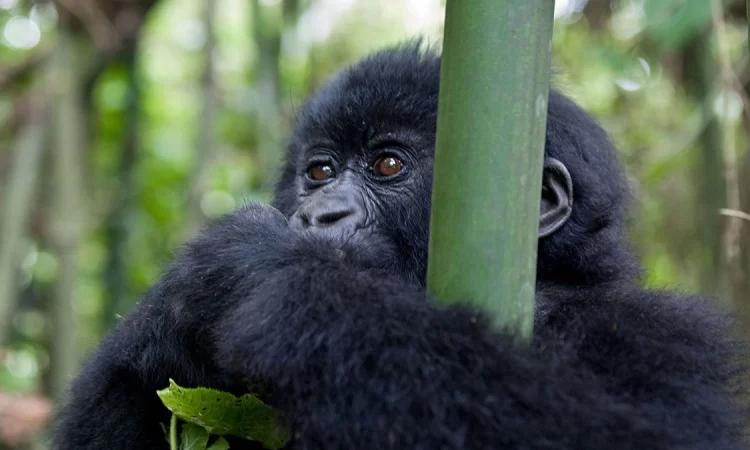
Cost of Gorilla Trekking in Uganda
Cost of Gorilla Trekking in Uganda (2026 Guide)
Some journeys are pleasant. Some are beautiful. Some fill your phone with photos and your suitcase with souvenirs. Then there are the rare ones that stay with you long after the flight home, long after the luggage is unpacked, long after ordinary life resumes. Gorilla trekking in Uganda belongs to that rare category.
Imagine waking before dawn in the cool highlands. The air is fresh, damp, and scented with earth after night rain. Somewhere beyond the mist lies Bwindi Impenetrable National Park, one of the oldest forests in Africa and home to some of the last remaining mountain gorillas on earth. You pull on boots, tighten your jacket, and join other travelers whose excitement is obvious even in silence. Nobody chats too loudly. Everyone senses this day is different.
Before anyone books such a journey, one question always appears first. What is the cost of gorilla trekking in Uganda, and is it truly worth it?
It is a fair question. Gorilla trekking is not a casual activity added to a weekend holiday. It requires planning, permits, travel time, and a meaningful budget. Yet what makes it special is the fact that your payment is not simply buying entertainment. It supports conservation, protects habitat, funds rangers, and helps communities living beside the forest. The price opens the door to one of the most extraordinary wildlife encounters available anywhere in the world.
This guide answers every question a traveler usually asks. How much is the Uganda permit in 2026. How does Uganda compare with Rwanda? What hidden costs should you expect? Is Bwindi better than Volcanoes National Park? Can budget travelers do it? Is the silverback sighting guaranteed? When should you book?
By the end, you will understand not only the numbers, but the value behind them. And perhaps you will begin imagining yourself on that forest trail, heart beating faster, listening for movement in the trees.
Why Gorilla Trekking Costs So Much
At first glance, many travelers pause when they see the price of gorilla trekking in Uganda. Eight hundred dollars for a permit can feel expensive, especially when compared with ordinary park entrance fees in many countries. It is natural to wonder why one wildlife experience costs so much more than a game drive, a museum ticket, or a guided walk. The answer becomes clearer the moment you understand what gorilla trekking truly is.
You are not paying to casually observe animals from a distance. You are entering one of the most protected ecosystems in Africa to spend time near a species that was once pushed dangerously close to extinction. Mountain gorillas live only in a small region shared by Uganda, Rwanda, and the Democratic Republic of Congo. Their habitat is limited, fragile, and fiercely important.
Every trekking permit contributes directly and indirectly to keeping that world alive. Rangers patrol the forests daily to stop poaching and illegal encroachment. Veterinary teams monitor gorilla health, especially because gorillas can catch human illnesses. Conservation staff maintain trails, regulate visitor numbers, and study gorilla families to ensure tourism does not harm their natural behavior. Community revenue sharing helps nearby villages benefit from protecting gorillas rather than competing with the forest for resources.
Then there is the human effort behind each trek. Before you even leave the briefing point, trackers are already deep in the forest following fresh signs left by gorilla families. Guides coordinate routes, safety procedures, and group movements. Porters assist visitors over steep, muddy terrain. It is a carefully managed operation built around respect for wildlife.
The cost also reflects scarcity. Only a limited number of permits are issued each day. Only a small group of people may visit each habituated gorilla family. This is not done to create exclusivity for marketing. It is done to protect the gorillas from stress and disease.
So yes, gorilla trekking costs more than many activities. But the price exists for a reason. It preserves one of the rarest wildlife encounters on earth, while giving travelers a chance to witness it responsibly.
Official Cost of Gorilla Trekking in Uganda in 2026
When travelers begin planning a gorilla trekking safari, the first figure they want to know is the official permit price. Everything else, from transport to accommodation, can be adjusted to match your budget. The permit is the fixed foundation of the trip, and in 2026 Uganda remains one of the best value destinations in the world for seeing mountain gorillas in their natural habitat.
For foreign nonresidents, the official Uganda gorilla trekking permit is eight hundred United States dollars. This permit is required for anyone who wishes to visit a habituated gorilla family inside Bwindi Impenetrable National Park or Mgahinga Gorilla National Park. Without it, there is no entry to the trek, no ranger allocation, and no chance to join the experience.
At first, some travelers focus only on the number. But the permit is more than a ticket. It is your access pass to one of the most regulated and meaningful wildlife encounters on earth. It includes park entry for the trekking day, trained ranger guides, trackers who locate gorilla families ahead of your arrival, security teams, and the priceless one hour spent in the presence of the gorillas once they are found.
That one hour is carefully protected. Visitor numbers are limited. Distances must be respected. Flash photography is restricted. If you are unwell, you may be denied participation because gorillas are vulnerable to human diseases. These rules are not inconveniences. They are part of what makes the encounter ethical and sustainable.
It is also important to understand what the permit does not include. Accommodation, meals, porter services, road transfers, flights, and tips are usually separate unless you book a complete safari package. This is why two travelers can both hold the same permit but spend very different total amounts depending on comfort level and travel style.
Compared with Rwanda, where permits are significantly higher, Uganda’s 2026 rate remains attractive for travelers seeking value without sacrificing quality. Many people discover that the permit, while substantial, becomes the easiest part of the decision once they realize what it unlocks.
Where to Go Gorilla Trekking in Uganda
Once travelers understand the permit cost, the next question usually comes quickly. Where exactly do you go gorilla trekking in Uganda? Many first time visitors are surprised to learn that Uganda offers not one, but two remarkable destinations for this experience. Each has its own mood, scenery, pace, and appeal.
The most famous is Bwindi Impenetrable National Park. Even the name sounds mythical, and when you arrive, it lives up to the promise. This ancient rainforest stretches across steep hills and deep valleys in southwestern Uganda. Mist hangs in the canopy at dawn, birds call from hidden branches, and every trail feels like it leads into another century. Bwindi is home to the largest population of mountain gorillas in Uganda and hosts numerous habituated gorilla families available for trekking.
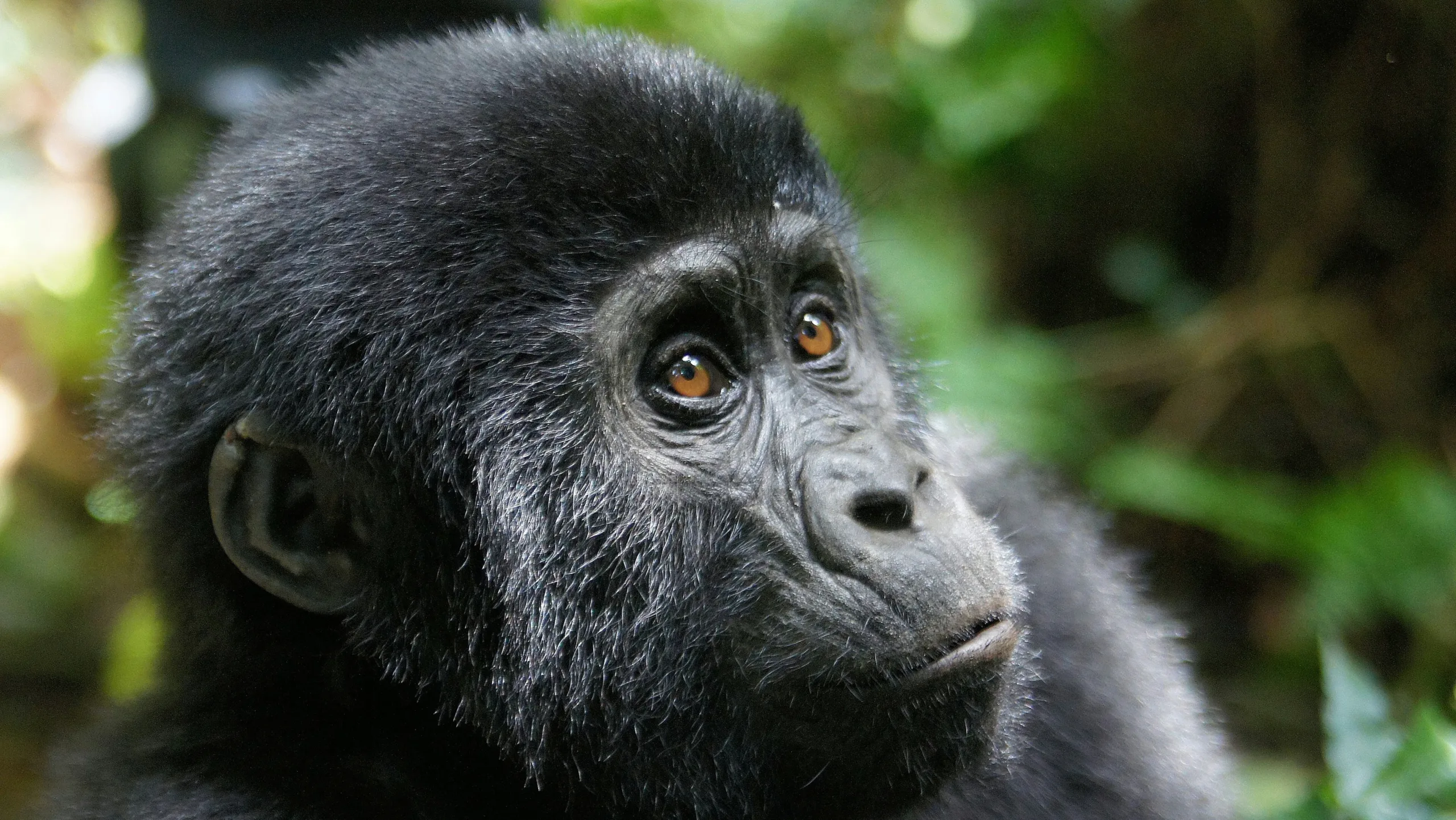
For many travelers, Bwindi is the dream choice because it offers variety. There are several trekking sectors, a wide range of lodges from simple guesthouses to luxury forest retreats, and the feeling of entering a truly wild landscape. It is not polished or overly manicured. It feels raw, alive, and unforgettable. If you imagine a classic jungle adventure where every step builds anticipation, Bwindi often becomes the favorite.
The second option is Mgahinga Gorilla National Park, smaller in size but rich in beauty. This park lies among volcanic slopes near the borders of Rwanda and the Democratic Republic of Congo. The scenery is dramatic, with towering peaks, open views, and cool mountain air. Travelers who choose Mgahinga often love its quieter atmosphere and lighter visitor traffic. It can feel more intimate and less busy than Bwindi.
Mgahinga is also excellent for combining gorilla trekking with golden monkey tracking or hiking volcanic trails. It appeals to travelers who enjoy scenic mountain settings and a slightly different style of adventure.
So, which should you choose? If you want the iconic rainforest immersion, more lodge options, and many gorilla families, Bwindi Impenetrable National Park is hard to beat. If you prefer volcanic landscapes, fewer crowds, and a peaceful mountain mood, Mgahinga is deeply rewarding.
The truth is simple. Uganda offers two doors into the same extraordinary world. Whichever one you walk through, the destination that matters most waits in the forest itself.
Total Cost of Gorilla Trekking in Uganda in 2026
The permit price is the headline number, but it is not the full story. Many travelers discover this while planning their trip. They begin with the eight hundred dollar gorilla trekking permit, feel they understand the budget, then slowly realize that transport, accommodation, meals, and logistics determines the final cost just as much. The real question is not only what the permit costs, but what the entire gorilla trekking safari in Uganda will cost in 2026.
For budget travelers, Uganda remains one of the best wildlife opportunities on the continent. A traveler who chooses shared road transport, modest guesthouses, local meals, and a straightforward itinerary can often complete the experience for around one thousand six hundred to one thousand eight hundred dollars ($1600- $1800) total. This usually includes the permit, transfers to Bwindi or Mgahinga, one or two nights of accommodation, and basic support. It is not luxury, but it can be deeply rewarding.
Mid-range travelers often seek comfort without extravagance. They want a private room with a view, reliable transport, quality meals, and smoother planning. For this group, the total cost commonly ranges between two thousand five hundred and four thousand US dollars ($2500- $4000) depending on season, lodge choice, and whether the trip includes additional safari days. Many travelers find this level offering the best balance of value and comfort.
Luxury travelers can spend much more, especially if they choose fly in access, premium forest lodges, private guides, and custom itineraries. Costs may begin around six thousand dollars ($6000) and rise well beyond eight thousand dollars ($8000). These journeys often include exceptional service, elegant design, gourmet dining, and minimal travel stress.
What changes the total most? Transport is a major factor. Driving from Entebbe or Kampala saves money but takes time. Domestic flights cost more but reduce long road journeys. Accommodation also matters enormously. A simple room and a luxury lodge can differ by hundreds of dollars per night.
The encouraging truth is that gorilla trekking in Uganda can be shaped around many budgets. You do not need the most expensive package to have the same magical hour with the gorillas. Whether you arrive in a rugged safari van or a chartered aircraft, the forest treats everyone the same once the trekking begins.
Uganda vs Rwanda Gorilla Trekking Cost in 2026
For many travelers planning a gorilla trekking adventure, the biggest comparison is not whether to go, but where to go. Uganda or Rwanda. Both countries protect mountain gorillas, both offer professionally managed trekking experiences, and both can deliver life changing wildlife encounters. Yet when budgets enter the conversation, the difference becomes impossible to ignore.
In 2026, Uganda continues to offer one of the most attractive permit prices in the region. The standard gorilla trekking permit for foreign nonresidents is eight hundred United States dollars. Rwanda, by contrast, remains positioned as a premium destination, with permits commonly priced at one thousand five hundred United States dollars. That gap alone determines many travel decisions before flights are even booked.
At first glance, some travelers assume Rwanda must therefore offer a better experience. The truth is more nuanced. Rwanda’s higher price reflects a premium tourism model built around convenience, luxury, and streamlined access. From Kigali, many visitors can reach Volcanoes National Park in just a few hours by road. This makes Rwanda especially appealing to travelers with limited time, business travelers adding a short adventure, or visitors seeking high end lodges and polished logistics.
Uganda tells a different story. Here, value and adventure meet. Travelers can trek in Bwindi Impenetrable National Park or Mgahinga Gorilla National Park for a significantly lower permit cost while still seeing the same species of mountain gorillas. Many people feel Uganda offers a more immersive and rugged forest atmosphere, especially in Bwindi where the rainforest feels ancient, dense, and wonderfully untamed.
Then there is the wider safari picture. Uganda often allows travelers to combine gorilla trekking with chimpanzee tracking, savannah game drives, boat safaris, and cultural experiences at a lower total trip cost than a comparable Rwanda itinerary.
So which country wins? If you want convenience, luxury, and a shorter high end escape, Rwanda is compelling. If you want stronger value, deeper adventure, and more room in your budget for a longer safari, Uganda often comes out ahead.
The gorillas themselves do not care what country border surrounds them. But your wallet certainly will. And for many travelers in 2026, Uganda remains the smartest path to an unforgettable encounter.
Is Gorilla Trekking in Uganda Better Than Rwanda
This question is asked in airports, travel forums, safari offices, and dinner tables across the world. Is gorilla trekking in Uganda better than Rwanda? The honest answer is that neither country wins for everyone. The better destination depends entirely on the kind of traveler you are, the experience you imagine, and the budget you are willing to commit.
Uganda speaks to travelers who crave depth, atmosphere, and the feeling of earning something extraordinary. Reaching Bwindi Impenetrable National Park often involves a longer journey through rolling hills, tea estates, villages, and mountain roads. By the time you arrive, the trip already feels like an adventure. Then you step into the rainforest itself, where thick vegetation, bird calls, and rising mist create a setting that feels ancient and cinematic. Many travelers say Uganda feels wilder, richer, and more immersive.
Rwanda is different in tone. It is elegant, efficient, and remarkably accessible. A traveler can land in Kigali, spend the night in a refined lodge, and reach Volcanoes National Park the next morning with relative ease. Roads are smoother, logistics are faster, and premium hospitality is deeply established. For those short on time or seeking a polished luxury escape, Rwanda can feel effortless.
There is also the matter of cost. Uganda’s lower permit price leaves room for extra nights, upgraded lodging, or adding other safari experiences such as chimpanzee tracking or game drives. Rwanda’s higher permit price often means paying more for convenience and prestige.
Yet once you stand before a silverback, many differences fade away. The breathless silence, the eye contact, the sense of being near a creature so powerful and so gentle is unforgettable in either country.
Choose Uganda if you want value, rainforest adventure, and a journey with texture. Choose Rwanda if you want speed, comfort, and a premium short escape.
Better is not a country. Better is the destination that fits your travel dream. Both roads lead to gorillas. The question is how you want the story to unfold.
Hidden Costs Travelers Forget
Most travelers focus intensely on the permit price, then feel surprised when smaller expenses quietly accumulate around it. Gorilla trekking in Uganda can still be excellent value, but only if you understand the hidden costs that often appear after the booking is made.
The first and most overlooked expense is the porter fee. Some travelers assume porters are optional extras for luxury visitors. In truth, hiring one is one of the smartest choices you can make. Trails can be steep, muddy, slippery, and tiring. A porter helps carry your backpack, supports you over difficult sections, and makes the trek more comfortable. It also provides direct income to local people living near the park. For many visitors, this modest fee becomes the best money spent all day.
Then there are tips. Tipping is not mandatory, but it is widely expected and appreciated. Rangers, guides, drivers, and lodge staff often play a meaningful role in the success of your trip. A skilled ranger may help position your group for a better view. A driver may manage long roads with patience and care. A lodge team may prepare meals around early departures and muddy returns. Small gestures of appreciation matter.
Transport is another area where costs can rise quickly. Driving from Entebbe or Kampala may seem economical, but fuel, private vehicle hire, or transfer charges add up. Domestic flights save time but significantly increase the budget. Travelers sometimes forget to compare the value of time versus money until too late.
Equipment can also surprise first timers. Good waterproof boots, rain jackets, gloves, gaiters, and quick dry clothing are more than style choices. They can transform your comfort on the trail.
Finally, extra nights of accommodation are often needed because of long travel distances. A rushed itinerary may look cheaper on paper but feel exhausting in reality.
The lesson is simple. Gorilla trekking is not only about the permit. Plan for the surrounding details, and your trip will feel smoother, wiser, and far more enjoyable.
How Difficult Is Gorilla Trekking in Uganda
Many travelers worry about one thing more than cost. Can I physically do it? Gorilla trekking in Uganda has an adventurous reputation, and not without reason. You are entering a mountainous rainforest, often in wet conditions, sometimes hiking through dense vegetation on steep terrain. But difficulty is relative, and many people who doubt themselves end the day smiling in disbelief.
No two treks are the same. Some gorilla families are found within an hour. Others may require several hours of climbing, descending, and navigating muddy slopes before trackers guide you to them. Weather changes quickly. A dry trail in the morning can become slick after rain. Thick forest paths can test balance and stamina in ways city life rarely does.
Yet the challenge is often more mental than impossible. You do not need to be an athlete. You do not need marathon endurance. You need patience, steady effort, and willingness to keep going one step at a time. Rangers understand that visitors arrive with different fitness levels. They do their best to allocate groups accordingly, and they know how to pace the journey.
Porters make a remarkable difference. They carry bags, offer a hand on steep sections, and turn difficult moments into manageable ones. Many trekkers later say they could not imagine doing it without one.
Older travelers often worry they are too late for such an adventure. Many are pleasantly surprised. With preparation, honesty about fitness, and a sensible pace, people of varied ages complete treks every year.
And then something interesting happens once the gorillas are found. Fatigue disappears. The memory of mud, steep climbs, and aching legs fades instantly when a silverback emerges from the foliage or a young gorilla tumbles through vines nearby.
Yes, gorilla trekking in Uganda can be demanding. But that effort is part of what gives the experience meaning. You do not simply arrive. You journey there. And when you finally stand in the presence of wild gorillas, every difficult step suddenly feels necessary.
Best Time for Gorilla Trekking in Uganda
Gorilla trekking in Uganda can be done throughout the year, which is good news for travelers with fixed schedules. Mountain gorillas do not migrate with the seasons, and the forests of Bwindi and Mgahinga remain alive in every month. Still, timing can shape the style of your experience, especially when it comes to trail conditions, crowd levels, scenery, and comfort.
The most popular months are during the dry seasons, generally from June to September and from December to February. During these periods, trails are often firmer, hiking is easier, and rainfall tends to be lighter. For travelers concerned about mud or physical difficulty, these months can feel more manageable. Because demand is highest, permits and lodges are often booked well in advance. The atmosphere can be lively, with many visitors sharing the same anticipation each morning.
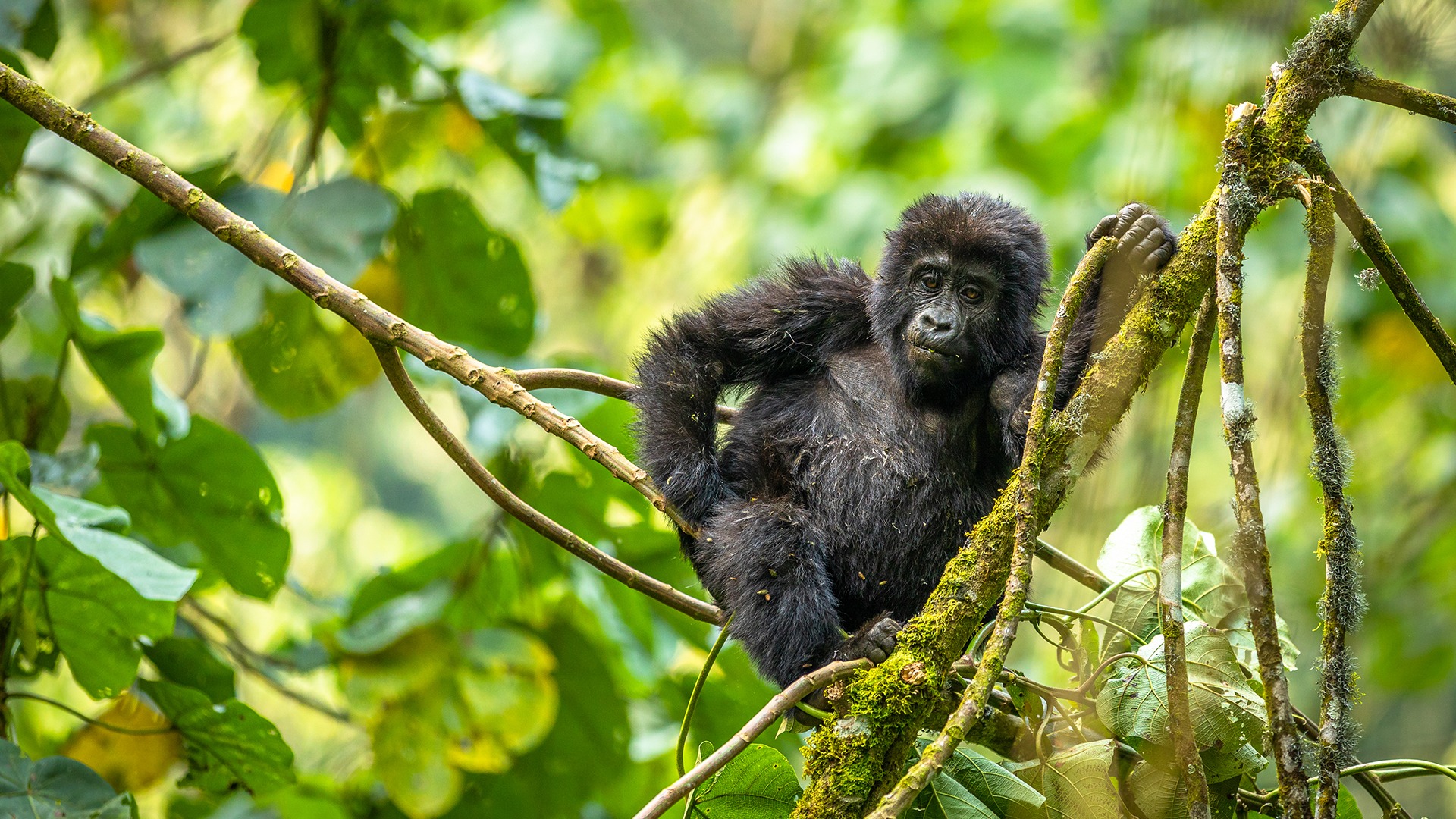
Then come the rainy seasons, usually from March to May and from October to November. Some travelers avoid these months automatically, but that can be a mistake. The forest becomes intensely green, dramatic, and beautiful. Mist drifts through the trees, vegetation feels lush, and photography can be stunning. There are often fewer visitors, which can create a calmer experience around lodges and trekking bases.
Rain can turn slopes muddy and paths slippery. Hikes may feel tougher, especially for those unused to uneven terrain. Good boots and rain gear become essential rather than optional.
Wildlife encounters remain excellent year round because the gorillas are always there. This is not a migration chase where timing determines whether animals appear. The key difference is how you experience the forest while reaching them.
If you value easier hiking and predictable planning, choose the drier months. If you love dramatic landscapes, quieter travel periods, and do not mind getting muddy, the wetter months can be magical.
There is no wrong season for gorilla trekking in Uganda. There is only the season that best matches your spirit. Some travelers want sunshine and convenience. Others want mist, rain, and the feeling of stepping into another world.
How Far in Advance Should You Book?
One of the most common mistakes travelers make is assuming gorilla trekking can be arranged casually at the last minute. Sometimes it can. Often it cannot. Gorilla permits are limited by design, and that scarcity is central to conservation. Only a controlled number of visitors may see each habituated gorilla family each day. Once permits are gone, no amount of enthusiasm can create more space.
If you plan to travel during peak dry seasons, especially from June to September or around December holidays, booking six to twelve months in advance is wise. This is especially true if you have fixed travel dates, want a particular Bwindi sector, or hope to stay in sought after lodges close to the trekking start points.
Mid-year vacations, honeymoon periods, and festive season travel tend to attract international demand. In these windows, permits can disappear surprisingly early. Many travelers only realize this after booking flights first, which can complicate planning.
For quieter periods, three to six months in advance may still be sufficient, depending on flexibility. If your dates are open and you are willing to trek in different sectors, opportunities can remain available longer.
Last minute travel is possible sometimes, especially in lower demand months, but it requires flexibility and luck. You may need to accept whichever permit location remains rather than your first choice. Accommodation near that area may also be limited.
Why does booking early matter beyond availability. It allows smarter planning. You can match your permit with the best route, reserve lodges with ideal access, compare transport options, and spread payments over time. Instead of scrambling, you build anticipation.
Many travelers ask when they should start planning. The honest answer is the moment gorilla trekking becomes a serious idea. Even if you are not ready to pay immediately, researching early gives you control.
The irony is simple. One of the rarest wildlife experiences on earth rewards early commitment. The sooner you plan, the smoother your journey becomes. And when the trekking day finally arrives, you will be glad you treated it as something worth preparing for.
What Happens During the Trek?
Long before the first branch moves in the forest, the day begins with anticipation. Gorilla trekking mornings start early. The air is cool, the sky often pale with first light, and travelers gather carrying rain jackets, cameras, water, and nervous excitement. Even those who speak confidently tend to grow quieter as the hour approaches.
At the park briefing point, rangers explain the rules. Keep a respectful distance. Speak softly. Do not trek if you are unwell. No sudden movements. No flash photography. These instructions are not ceremonial. Gorillas are powerful wild animals, yet sensitive and intelligent. Respect shapes every encounter.
Groups are then assigned to different gorilla families, often based on fitness levels and logistics. Some families roam closer, others farther into the hills. Once your ranger gives the signal, you begin.
The first stage may pass through farms and village edges before the true forest swallows the trail. Then the climb starts. Boots sink into mud. Leaves brush against your sleeves. You hear birds, insects, and distant voices of trackers ahead. Sometimes the route feels gentle. Sometimes it feels vertical.
Hours can pass quickly or slowly depending on terrain and expectation. Then suddenly the ranger pauses. A hand rises for silence. Everyone freezes.
You hear rustling.
A dark shape appears among vines. Then another. A juvenile gorilla swings across branches with playful confidence. A mother sits calmly, grooming her infant. And somewhere nearby, often almost casually, the silverback rests with immense authority.
For one hour, time behaves strangely. Visitors whisper. Cameras click softly. People who expected excitement often feel something quieter and deeper instead. Curiosity. Reverence. Emotion.
The return hike feels different. Even tired legs seem lighter. Strangers who barely spoke in the morning now exchange smiles like old friends.
Can You See a Silverback?
For many travelers, one image lives in the imagination long before the trip begins. A huge silverback gorilla stepping from the forest, powerful yet calm, carrying the presence of something ancient. It is the moment people secretly hope for when they book gorilla trekking in Uganda.
The good news is that in many habituated gorilla families, there is indeed a dominant silverback. This is usually the mature adult male who leads and protects the group. The silver patch across his back, from which the name comes, develops with age and maturity. He is often the center of gravity within the family, even when he appears to be doing very little.
A silverback may be resting while younger gorillas play nearby. He may feed quietly, tearing vegetation with slow confidence. He may watch your group with measured awareness, deciding there is no threat worth reacting to. Sometimes he moves with astonishing gentleness. Other times, simply standing up reveals the scale of his strength.
Nothing fully prepares travelers for the emotional impact of seeing one in person. Photos can show size, but not atmosphere. It is the stillness, the eyes, the intelligence, and the sense of contained power that leave people speechless.
Is it guaranteed that every trekker will see a silverback? Not absolutely. Gorilla families differ, and wildlife never signs contracts. But because many groups include one, sightings are common and often one of the defining memories of the trek.
Some visitors expect fear and instead feel respect. Others expect drama and discover tenderness. A silverback may gently guide juveniles, monitor movement, or simply sit in majestic silence while the forest arranges itself around him.
If you do see one, do not spend the entire moment behind a camera lens. Take a few photographs, then lower the device and look properly. Many travelers later say their strongest memory was not the picture they captured, but the second the silverback looked back.
That exchange, however brief, can stay with you for life.
Is Uganda Gorilla Trekking Safe
Safety is one of the first private concerns many travelers have, especially those visiting Africa for the first time or venturing into remote rainforest environments. The reassuring truth is that gorilla trekking in Uganda is a well-established, professionally managed activity with strong systems built around visitor safety, wildlife protection, and conservation standards.
The trekking experience is organized through official park authorities and guided by trained rangers who know the terrain, gorilla behavior, and daily movements of habituated families. Before each trek, visitors receive clear briefings covering conduct, distance rules, health precautions, and what to do during encounters. These procedures are practical, not performative, and they help create calm and confidence once the trek begins.
Trackers move ahead in the forest to locate gorilla families and communicate with ranger teams. This means groups are not wandering blindly through wilderness hoping for luck. Routes are informed by real time information.
Many travelers worry about being close to large wild animals. It is important to remember that the gorilla families visited by tourists are habituated, meaning they are accustomed to the controlled presence of humans. They remain wild and respected, but they are not random aggressive animals waiting in ambush. Rangers monitor behavior carefully and position visitors responsibly.
Health safety matters too. Gorillas share genetic similarities with humans and can catch human illnesses. That is why visitors who feel unwell may be advised not to trek. Distancing rules also protect both species.
What about the wider journey. Like travel anywhere, sensible planning matters. Use reputable tour operators or official booking channels, follow guidance, secure proper travel insurance, and respect local advice. Roads to trekking regions can be long, so choosing reliable transport is important.
Most travelers finish the trek feeling safer than they expected and more connected than they imagined. The strongest impression is rarely fear. It is professionalism, care, and the sense that this remarkable encounter is taken seriously by everyone involved.
Uganda understands the value of its gorillas. Protecting them also means protecting the people who come to see them.
How to Save Money on Gorilla Trekking in Uganda
Gorilla trekking is a premium wildlife experience, but premium does not have to mean wasteful spending. Smart travelers often discover that saving money in Uganda is less about cutting corners and more about making thoughtful choices. With the right strategy, you can protect your budget while still enjoying the same unforgettable hour with the gorillas.
The most obvious saving begins with timing. Traveling in lower demand months can reduce accommodation prices and occasionally create better package deals. While the permit itself may remain fixed, the surrounding costs often become more flexible when demand is softer.
Transport is another major lever. Private vehicles offer convenience, but shared transfers or group safaris can significantly lower expenses. If you enjoy meeting other travelers, joining a small group can turn a practical decision into a social one.
Accommodation choices matter enormously. Near Bwindi and Mgahinga, there are options ranging from simple guesthouses to world class lodges. The gorillas do not know where you slept the night before. Many travelers choose comfortable mid-range stays and feel perfectly satisfied.
Length of itinerary also affects value. Rushing in and out can sometimes cost more through inefficient transfers and missed connections. Adding an extra night may create a smoother route, better rest, and even lower overall transport stress.
Do not try to save money by risking unofficial permits or questionable operators. That is false economy. Authentic permits, reputable planning, and safe logistics are worth protecting.
Packing wisely saves money too. Bringing proper boots, rain gear, and essentials from home can prevent overpriced last minute purchases.
Some travelers also combine gorilla trekking with broader Uganda safaris. Once you are already in the country, adding chimpanzee tracking, game drives, or lake experiences may offer stronger value than returning for a separate future trip.
The most important truth is this. Saving money should never mean shrinking the experience. It should mean spending where it matters and avoiding waste where it does not.
Is Gorilla Trekking Worth the Cost?
Every traveler asks this question in one form or another. Is gorilla trekking really worth that much money. It is a sensible question because the permit alone can equal the cost of an entire holiday elsewhere. Yet many people who hesitate before booking later describe it as one of the best decisions they have ever made.
Part of the answer depends on what you value. If travel is only about relaxation, then a beach resort may feel easier. If it is only about checking famous places off a list, then there are cheaper landmarks in the world. But if travel is about wonder, perspective, and moments that stay with you for years, gorilla trekking enters a different category entirely.
There is something profound about walking through rainforest with no guarantee of what lies ahead. You feel the effort in your legs, hear the sounds of the forest, and sense that you are entering a world not designed for humans. Then the gorillas appear. Not behind glass. Not on a screen. Not across a distant plain. Close enough to hear them breathe.
People often expect excitement and instead experience emotion. A mother cradling an infant. Juveniles tumbling in play. A silverback watching over the group with immense calm. The similarities to human family life can be deeply moving.
Then there is the meaning of your payment. The cost supports conservation, habitat protection, veterinary care, ranger employment, and local communities connected to the survival of mountain gorillas. You are not only buying an experience. You are helping sustain one.
Years later, travelers rarely remember the exact amount they paid. They remember the mist in the trees, the ranger’s hand signal for silence, the first dark shape in the foliage, and the strange feeling of being both observer and observed.
So is it worth the cost. For those who seek something rare, real, and unforgettable, the answer is often immediate.
Uganda or Rwanda in 2026?
By the time most travelers compare permits, routes, lodge styles, and trip lengths, they usually want one clear answer. Uganda or Rwanda in 2026. Which offers the better gorilla trekking experience. The honest final verdict is this: both are excellent, but they serve different priorities.
If you value convenience above all else, Rwanda is compelling. Kigali offers a smooth gateway, and Volcanoes National Park can be reached in a relatively short drive. This makes Rwanda ideal for travelers with limited time, premium expectations, or a desire for a refined short escape. High end hospitality is strong, logistics are polished, and the overall journey can feel seamless.
Uganda wins in a different way. It offers stronger value, broader adventure, and often a richer sense of immersion. With a significantly lower permit price, many travelers can extend their stay, upgrade accommodation, or add other safari experiences without stretching the budget as far. Uganda feels like a fuller journey rather than a quick luxury add on.
Then there is Bwindi Impenetrable National Park, one of the great names in wildlife travel. Trekking through this ancient rainforest has a drama all its own. Many visitors feel the forest atmosphere in Uganda is deeper, denser, and more emotionally memorable.
Uganda also pairs naturally with chimpanzee tracking, savannah safaris, boat cruises, and birding adventures, making it ideal for travelers who want more than one highlight.
Rwanda may be the polished choice. Uganda is often the rewarding choice.
If your priority is shortest route and premium ease, Rwanda deserves serious consideration. If your priority is value, authenticity, adventure, and a wider safari story, Uganda often stands above the rest.
In the end, both countries protect one of the world’s greatest wildlife treasures. Neither choice is wrong.
But if a traveler asks where the smartest balance of cost and unforgettable experience lies in 2026, Uganda remains the answer many seasoned travelers give without hesitation.
Quick Cost Summary
Sometimes after pages of research, travelers simply want the numbers made clear. What does gorilla trekking cost in Uganda. What about Rwanda. How much should I realistically budget for the full journey? Beneath all the emotion, dream planning, and safari imagination, practical clarity still matters.
In Uganda, the standard gorilla trekking permit for foreign nonresidents in 2026 stands at eight hundred United States dollars. That is the essential access fee to trek a habituated gorilla family in Bwindi Impenetrable National Park or Mgahinga Gorilla National Park.
From there, total trip costs depend on how you travel.
A budget traveler using shared transport and modest accommodation may spend around one thousand two hundred to one thousand eight hundred dollars in total.
A mid-range traveler seeking comfort, private transfers, and better lodges may spend two thousand to three thousand five hundred dollars.
Luxury travelers using fly in options and premium forest lodges can spend four thousand dollars and above, sometimes much more.
In Rwanda, the permit price is commonly one thousand five hundred United States dollars, nearly double Uganda’s standard rate. Total trips often begin higher because accommodation and the premium tourism model tend to raise surrounding costs.
A shorter Rwanda luxury style trip may still appeal to travelers with limited time, but from a strict value perspective, Uganda usually stretches the budget further.
What surprises many travelers is that once flights are included, the permit difference becomes one of the biggest deciding factors. Saving several hundred dollars on the permit can transform the overall trip. It might fund extra nights, domestic flights, upgraded lodging, or another safari experience entirely.
So the quick summary is simple. Uganda offers lower entry cost and stronger flexibility. Rwanda offers premium convenience at a higher price.
Both, Rwanda and Uganda, can deliver life changing encounters with mountain gorillas. But if your budget matters, Uganda often gives you more room to breathe while still delivering the same extraordinary magic in the forest.
Related Posts