Gone are the days when the deaf and hard-of-hearing community was always left out…
Can LGBTQ+ tourists visit Uganda?
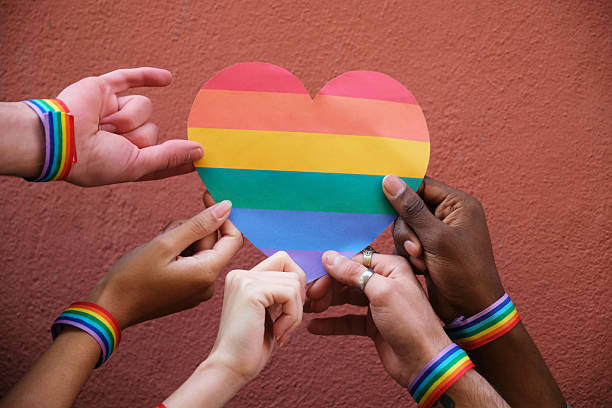
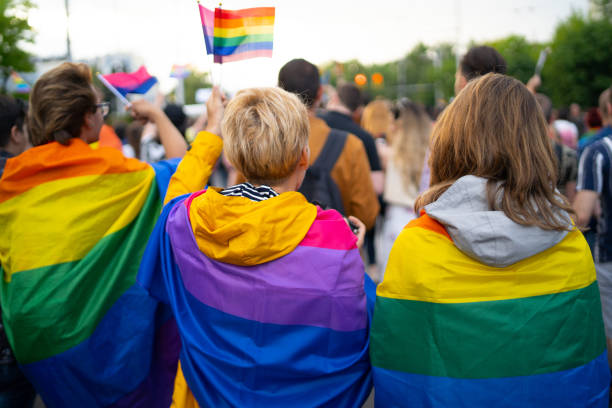
Can LGBTQ travellers come to or safely visit Uganda? Ever since the anti LGBTQ+ bill was passed by the Parliament of Uganda on May 29th 2023, a lot has been going on for both the LGBTQ+ community in Uganda and international LGBTQ+ visitors (Tourists). This is because this act is filled with harsh penalties and has brought about a lot of stigma from the natives in Uganda, since they believe that their customs, culture, and norms, plus religion, do not accept or are against a man marrying a fellow man and a woman marrying a fellow woman.
Ever since that day, a lot of homosexual travellers have been having second thoughts about visiting or travelling to a country that does not welcome or love them. And the frequently asked question, or the most asked question regarding this group of people is: Can LGBTQ+ Tourists visit or come to Uganda? The answer to this question is YES! Though there are a lot of things that you need to put in place, as a GAY FRIENDLY Travel company in Uganda, we will be glad to guide you through what you need to do so that you do not miss out on the chance to experience one of the most beautiful travel countries in the world and get to know why it was named the Pearl of Africa. You will get to discover safari adventures, wildlife encounters, gorilla trekking, and practical safety insights for a respectful and unforgettable Uganda safari journey.
Uganda quietly draws you in. It doesn’t overwhelm at first glance. Instead, it unfolds slowly, revealing its beauty in moments that feel both subtle and powerful. The first light over the savannah in Queen Elizabeth National Park. The thick morning mist clinging to the ancient trees of Bwindi. The distant roar of Murchison Falls as the Nile pushes through rock with unstoppable force.
For many travellers, Uganda represents the heart of the African safari experience. It is a place where wildlife thrives, where adventure feels raw and unfiltered, and where encounters with nature leave a lasting imprint. Gorilla trekking in dense rainforest, chimpanzee tracking in Kibale, and long game drives across open plains all combine to create something deeply memorable.
Yet for LGBTQ travellers, Uganda presents an additional layer that must be understood. The country is shaped by strong cultural traditions and laws that influence how identity is expressed in public life.
Is Uganda safe for LGBTQ travellers?
The answer is not defined by a single perspective. It lies in understanding both the cultural realities and the nature of travel within the country. With awareness, preparation, and respect, many LGBTQ travellers experience Uganda as welcoming, enriching, and unforgettable. This guide explores that balance, weaving together safety insights with the beauty of Uganda’s safari, wildlife, and community experiences.
Understanding Uganda’s Cultural and Legal Landscape
Laws Affecting LGBTQ Individuals
Uganda’s legal environment regarding same sex relationships is widely recognized and shapes public life. These laws influence social behaviour and create a framework within which people interact.
For travellers, this does not usually mean confrontation, especially within tourism settings. However, it does establish boundaries around what is considered appropriate in public spaces. Understanding this context helps visitors move around the country with confidence and awareness.
Cultural Norms and Social Attitudes
Ugandan society places strong emphasis on community, family, and shared values. Identity is often considered a private matter rather than something openly expressed.
In cities like Kampala and Entebbe, there is a blend of traditional culture and international influence. Hotels, restaurants, and cafes cater to a global audience, creating spaces that feel more familiar to international travellers.
In rural areas, including those near safari destinations, traditions are more visible. Daily life revolves around community interaction, respect for elders, and cultural continuity. Visitors quickly notice the importance of modesty and respectful behaviour.
What This Means for Travelers
For LGBTQ travellers, navigating Uganda is about reading the environment. A safari lodge overlooking the savannah offers a different atmosphere than a busy village market. A guided trek through the forest is shaped by conservation and shared purpose, while social spaces may carry different expectations.
Understanding these differences allows travellers to adapt naturally, creating a smoother and more comfortable experience.
What to expect on a Uganda safari as an LGBTQ+ Traveler
There is quite a lot that travelers, visitors, or LGBTQ+ Tourists should look forward to during their Uganda safari or visit. Uganda’s tourism industry is built on genuine hospitality. From the moment visitors arrive, there is a sense of care that feels authentic. Drivers greet guests warmly, guides share knowledge with enthusiasm, and the lodge staff take pride in creating a comfortable environment.
In these spaces, identity rarely becomes the focus. Conversations centre on wildlife, landscapes, and the journey itself. This creates a neutral and often reassuring environment for LGBTQ travellers.
Safari settings, in particular, feel removed from everyday social pressures. Days are spent exploring nature, tracking wildlife, and sharing experiences that transcend cultural differences.
Where do LGBTQ+ Travelers Feel Most Comfortable on Uganda Safaris?
As mentioned above, Uganda is a very welcoming country, as well as a culture- and customs-driven country filled with people who love and respect their culture and customs. For such people, when it comes to the topic of LGBTQ+, they tend to become very sensitive. As an LGBTQ+ traveler in Uganda, you can feel comfortable as long as you respect public places such as markets, city streets, churches, and mosques, which are always filled with locals. The moment you are in a less congested or private place, like hotels, lodges, or national parks, while carrying out different activities with your partner, you can feel free and comfortable showing your affection for one another.
Safari destinations such as Bwindi, Kibale, Murchison Falls, and Queen Elizabeth National Park operate within an international tourism framework. Lodges host guests from across the world and maintain high standards of professionalism and discretion.
As an LGBTQ Traveler or visitor to Uganda, the moment you get to understand how to carry yourself along with your partner around the locals, especially those in the rural areas, you will have a very wonderful experience during your Uganda safari.
What Uganda safari destinations are safe for LGBTQ+ Travelers?
Here is where you get to experience and learn why Uganda was named, or is called, the pearl of Africa, from the welcoming people to the beautiful landscapes to the breathtaking attractions located in different parts of the country. Here are some of the safari destinations in Uganda that are considered very safe for LGBTQ+ travelers or tourists.
Queen Elizabeth National Park
Also known as the medley of wonders, Queen Elizabeth National Park is located in the western part of Uganda, covering or spanning over four districts including Rubirizi, Kasese, Kamwenge and Rukungiri. Queen Elizabeth National Park happens to be the second-largest national park in Uganda, covering approximately 1,978 square kilometers. Queen Elizabeth National Park is also commonly known for the tree-climbing lions, which are found in the Ishasha sector south of the park. When it comes to the attractions, Queen Elizabeth National Park is home to over 600 identified bird species and approximately 95 identified mammal species, crater lakes, caves, and lakes, to mention a few.
Murchison Falls National Park
Known to be the oldest and largest national park in Uganda, covering approximately 3,840 square kilometers, Murchison Falls National Park is located in the northwestern part of Uganda along the shore of Lake Albert. This national park is famous for having the strongest waterfall in the world, which is a result of the River Nile, which flows from Jinja and squeezes itself through a narrow gorge before cascading down with immense power.
Bwindi Impenetrable National Park
Uganda is known for holding just over half of the world’s remaining mountain gorillas, which are found and can be tracked in two designated travel destinations, and among them is Bwindi Impenetrable National Park. Home to over 459 mountain gorillas, which are divided into different gorilla groups or families found in about four sectors of the park. (Rushaga, Buhoma, Nkuringo, and Ruhija sectors). Mountain gorilla trekking is one of the dreams come true or most popular tourist activities among different tourist categories, including the LGBTQ+ community who happen to visit Uganda.
Maghinga National Park
Where silver meets gold, Maghinga National Park is the second national park where mountain gorillas are found or tracked in Uganda, along with the golden monkeys. Mgahinga National Park covers about 33.7 square kilometers. The Park sits high in the clouds, at an altitude of between 2,227m and 4,127m. As its name suggests, it was created to protect the rare mountain gorillas that inhabit its dense forests, and it is also an important habitat for the endangered golden monkey. The park also boasts of over 76 mammals including elephants, giant forest hog, bush pigs, bush back. It also has a bird checklist of over 180 species, including 14 Albertine Rift endemics like the Kivu ground thrush and turaco.
Other safe safari destinations for LGBTQ+ tourists or visitors in Uganda include:
- Kidepo Valley National Park
- Rwenzori Mountain National Park
- Lake Mburo National Park
- Kibale National Park
- Semuliki National Park
- Mount Elgon National Park
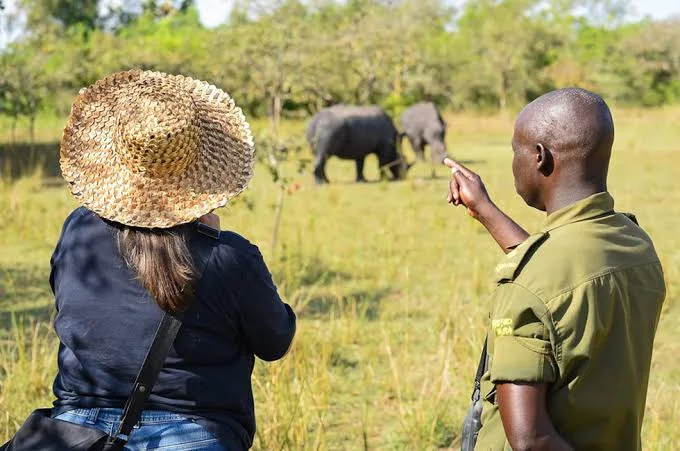
- Ziwa Rhino Sanctuary
What travel activities can LGBTQ+ Travelers do in Uganda?
Several travel activities can be done or carried out by LGBTQ+ travelers or visitors who visit Uganda, and they are all driven by the different attractions that are found in the different travel destinations, and these include,
Gorilla Trekking in Bwindi
Gorilla trekking in Uganda is one of the most profound wildlife experiences available in a few countries in the world. The journey begins early in the morning, when tourists or visitors head to the park head office, where they are briefed on the dos and don’ts of the gorilla trekking activity. From there, they are divided into small groups of no more than 8 people per gorilla family, allocated to different guides and different trekking routes, and guided into the dense forest.
The terrain can be challenging. Paths wind through thick vegetation, and the forest floor shifts underfoot. Along the way, guides share knowledge about the ecosystem, pointing out signs of mountain gorilla activity.
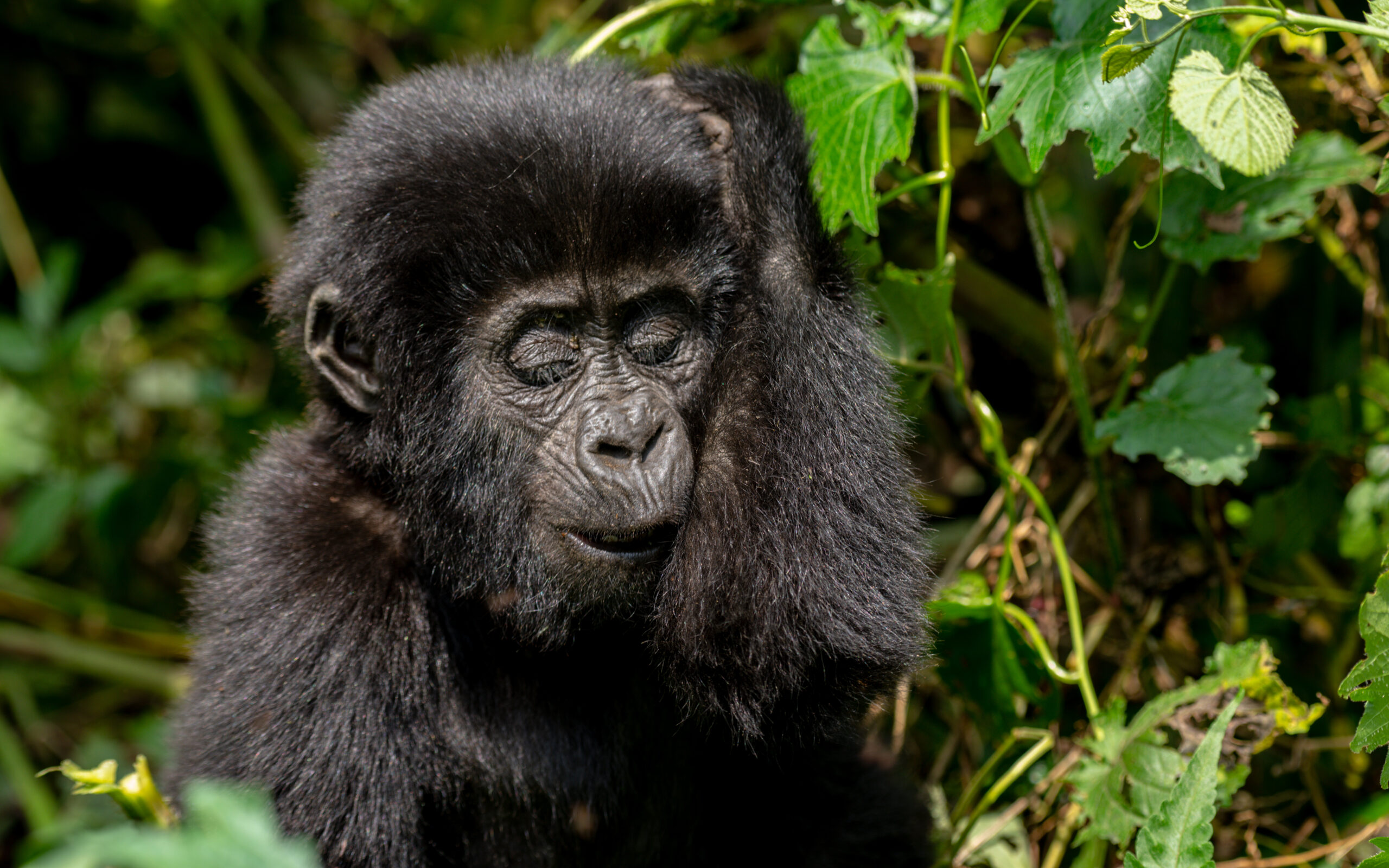
When the moment arrives, it feels almost unreal. A gorilla family appears quietly, moving through the forest with calm presence. A silverback sits watchfully, while younger gorillas play nearby. When this beautiful or magical moment happens, you are given one full hour to spend in the presence of these amazing gentle giants. Altogether, the mountain gorilla tracking activity takes approximately one hour to 8 hours of trekking, depending on different factors. These include the tracking pace of the tourists, the accessibility of the tracking route, the climate or weather conditions, and the location of the gorilla group or family, to name a few.
There is a sense of connection that goes beyond the mountain gorilla tracking activity and observation. It is a moment that stays with you long after you leave.
Chimpanzee Trekking in Kibale Forest
Kibale Forest offers a different kind of energy. The forest is alive with sound, from birds calling overhead to the distant vocalizations of chimpanzees.
Tracking them requires patience. Guides listen carefully, adjusting direction as they move through the forest. Suddenly, a group appears, moving quickly through the trees.
Chimpanzees are expressive and dynamic. Watching them interact offers insight into behaviour that feels both familiar and wild.
Together, gorilla trekking and chimpanzee tracking define Uganda as a unique safari destination.
Birding and Hidden Wildlife Experiences
Uganda is also a paradise for bird lovers. Wetlands, forests, and savannahs support an incredible variety of species. Early morning walks reveal birds in vibrant colours, each adding to the richness of the landscape.
Beyond the well-known animals, there are smaller moments that define the Uganda safari tour experience. A leopard resting in a tree. A herd of buffalo crossing a dirt road. A quiet sunset, with the only sound the wind moving through the grass.
Other travel activities that an LGBTQ+ visitor can do in Uganda include,
- White water rafting on the River Nile
- Zip lining
- Boat cruises or boat safaris in national parks that have lakes and rivers
- Sports fishing
- Game drives in all savannah parks in Uganda
- Lion tracking in Queen Elizabeth National Park
- City tours
- Cultural experiences
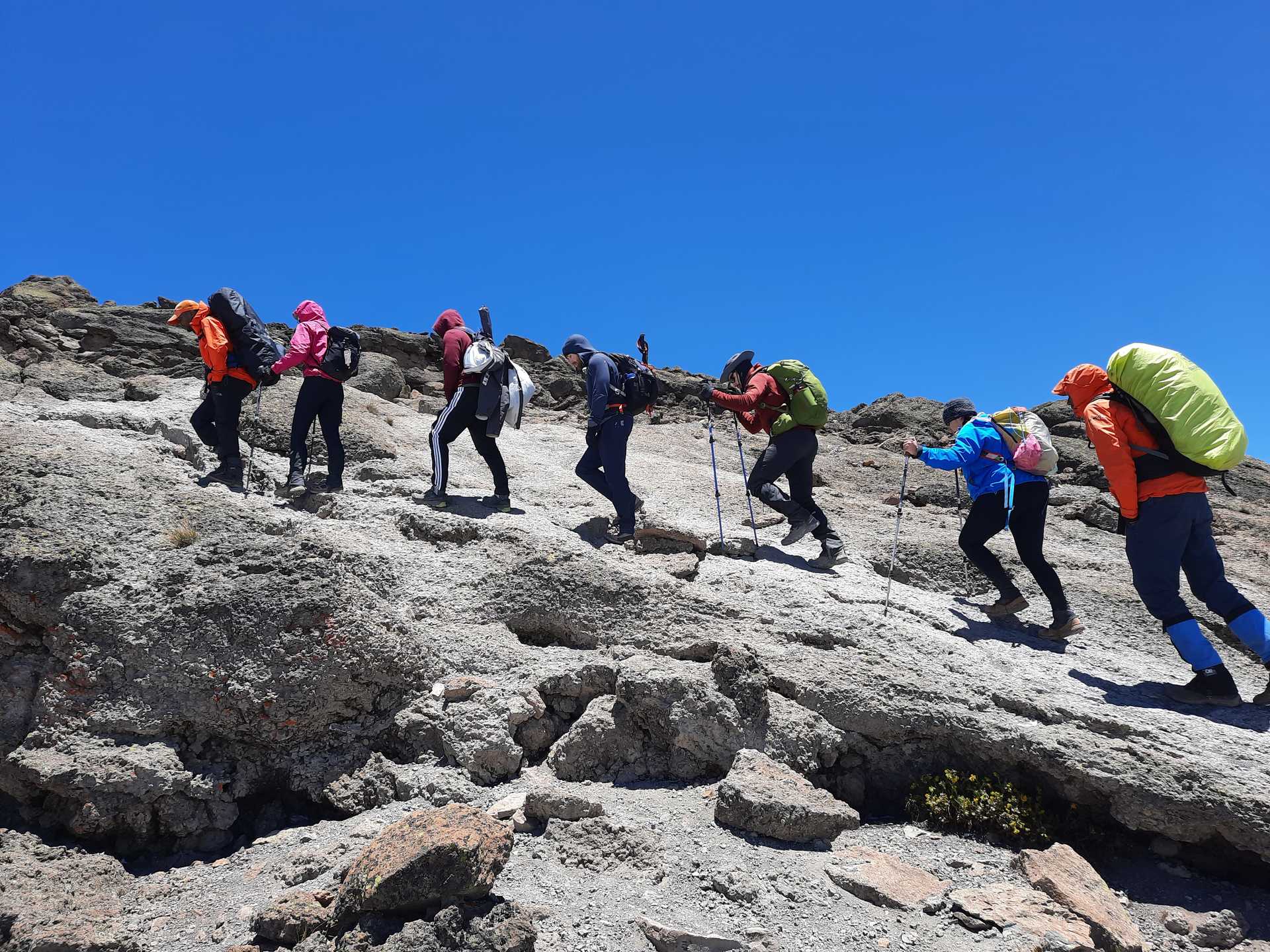
- Mountain hiking (Rwenzori and Mount Elgon), to name a few.
Why does Uganda Stand Out in African Safari Experiences?
Uganda offers an unmatched variety and authenticity that is harder to find. Parks are not overcrowded. Encounters with wildlife feel natural and unhurried.
There is also a strong connection between tourism and conservation. Travelers are not simply observing wildlife. They are contributing to its protection through responsible travel practices.
This combination of adventure, wildlife, and purpose makes Uganda a truly unique safari destination.
LGBTQ Travel Tips for a Safe and Enjoyable Uganda Safari
These include the things an LGBTQ visitor or tourist should do to have an enjoyable or good experience during their Uganda safari
Respecting Local Culture
Respect is expressed through simple actions. Dressing modestly and observing local customs all contribute to positive interactions.
Travelers who take time to understand the environment often find that they are welcomed warmly.
Choosing the Right Accommodation
Well-established safari lodges and hotels provide a sense of comfort and security. Staff are trained to host international guests and maintain professional standards.
In regions like Bwindi and Kibale, lodges are designed to offer privacy while allowing guests to connect with nature.
Traveling with Guides and Tour Operators
A knowledgeable guide enhances every aspect of the journey. They provide insight into wildlife, culture, and daily life, helping travellers navigate unfamiliar situations.
Choosing a reputable tour operator ensures a smoother experience and adds an extra layer of reassurance.
Privacy and Discretion
Privacy is part of traveling respectfully in Uganda. Keeping personal expressions low-key allows travellers to move comfortably across different environments.
This approach aligns with cultural expectations and supports a more relaxed experience overall.
Sustainable Tourism and Community Involvement
How Tourism Supports Conservation as an LGBTQ+ Traveler
Tourism plays a vital role in protecting Uganda’s wildlife. Gorilla trekking permits directly support conservation efforts, including habitat protection and anti-poaching initiatives.
Every visit contributes to preserving these ecosystems for future generations.
Community-Based Tourism
Communities near national parks benefit from tourism through employment and local businesses. Visitors may engage in cultural experiences, learn traditional practices, or support local crafts.
These interactions create meaningful connections that extend beyond the safari itself.
Local Stories of Impact
In areas surrounding Bwindi, families who once depended on forest resources now work as guides, porters, and lodge staff. This shift has created new opportunities and strengthened conservation efforts.
In Kibale, community projects like Bigodi Community Walk, supported by tourism, help fund education and healthcare. Travelers become part of this story simply by choosing to visit responsibly.
Responsible Travel for LGBTQ Travelers
Responsible travel involves balancing personal comfort with cultural respect. Supporting ethical operators and engaging positively with communities enhances the overall experience.
For LGBTQ travellers, this approach creates a journey that feels both safe and meaningful.
Real Stories from Uganda’s Tourism Experience
Encounters with Local Hospitality
A guide pauses during a trek to point out a rare bird, sharing knowledge with quiet enthusiasm. A lodge staff member remembers your name and prepares your favourite tea without being asked. A driver shares stories of growing up near the park.
These moments feel personal and genuine, creating a sense of connection that goes beyond the typical travel experience.
A Day on Safari
The day begins before sunrise. The air is cool as you step into a vehicle, heading out across the savannah. Light slowly spreads across the landscape, revealing animals moving through the grass.
Later, you return to the lodge, where breakfast is served overlooking a wide expanse of land. The afternoon brings another adventure, perhaps a boat safari or a guided walk.
As evening falls, the sky shifts through shades of gold and orange. The sounds of the wild continue into the night, creating a rhythm that feels both calming and alive.
Moments That Stay with You
Mountain Gorilla
Standing in the forest, locking eyes with a mountain gorilla during gorilla trekking, hearing the rustle of leaves as a gorilla moves nearby. Watching chimpanzees leap through trees in Kibale. Sitting quietly as the sun sets over the savannah.
These are the moments that define Uganda.
Balancing Adventure and Awareness
Enjoying Uganda Fully While Staying Safe
Uganda offers a rich and rewarding travel experience. For LGBTQ travellers, the journey is shaped by awareness rather than limitation.
Understanding the cultural landscape allows visitors to engage fully while moving comfortably through different environments.
The Role of Preparation
Preparation builds confidence. Knowing what to expect removes uncertainty and allows travellers to focus on the experience.
Planning a safari, selecting reputable operators, and understanding local customs all contribute to a smoother journey.
FAQs about LGBTQ+ Travelers to Uganda
Is it illegal to be LGBTQ in Uganda as a tourist?
Yes, Uganda has laws that criminalize same-sex relationships, and these laws shape public attitudes and behaviours across the country. However, for travellers, the experience is often different from what headlines suggest.
Tourists are generally not the focus of enforcement, especially within the tourism sector. Safari lodges, hotels, and guided experiences are designed to host international visitors from diverse backgrounds. What matters most is how travellers navigate public spaces.
In practice, LGBTQ visitors who remain respectful of local customs and avoid drawing attention to their personal lives typically move through Uganda without any issue. The key is understanding that Uganda is a conservative society where privacy is valued, and adjusting accordingly allows for a smoother and more comfortable experience.
Can LGBTQ+ couples travel safely on a Uganda safari?
Yes, many LGBTQ couples travel through Uganda and enjoy their safari experience without any problems. The structure of safari travel naturally supports comfort and privacy.
Most of your time will be spent in national parks, vehicles, nature-based activities like gorilla trekking, or lodges where the focus is on wildlife, landscapes, and shared adventure. Guides and lodge staff are trained professionals whose priority is your safety and enjoyment, not your personal identity.
Couples often find that safari environments feel removed from everyday social pressures. Early morning game drives, long afternoons overlooking the savannah, and evenings around the lodge create a rhythm that is immersive and relaxed.
As with general travel in Uganda, discretion is important. Keeping affection private aligns with cultural expectations and helps ensure a smooth and enjoyable journey.
Are safari lodges LGBTQ+ friendly in Uganda?
Safari lodges in Uganda are primarily focused on hospitality, comfort, and delivering high-quality guest experiences. Many of these lodges operate within an international tourism framework and regularly host visitors from around the world.
Staff are trained to be professional, welcoming, and respectful. Guests are treated equally, with attention given to their comfort rather than their identity.
Lodges in areas such as Bwindi, Kibale, and Queen Elizabeth National Park are particularly accustomed to international travellers. These spaces often feel inclusive in practice, even if they are not explicitly marketed as LGBTQ friendly.
Choosing reputable lodges with strong reviews and established tourism standards adds an extra layer of reassurance.
Is gorilla trekking safe for LGBTQ+ travellers?
Yes, gorilla trekking is safe for LGBTQ travellers and remains one of the most structured and carefully managed experiences in Uganda.
Treks are conducted in small groups led by trained guides and rangers who prioritize safety, conservation, and respect for wildlife. The focus is entirely on the experience of encountering gorillas in their natural habitat.
During the trek, identity is not a factor. What matters is following instructions, respecting the environment, and engaging with the experience.
The setting itself also creates a sense of neutrality. Deep in the forest, surrounded by nature, the focus shifts completely to the moment. Many travellers describe gorilla trekking as transformative, offering a rare connection to wildlife that transcends everyday concerns.
What should LGBTQ travellers avoid doing in Uganda?
Traveling comfortably in Uganda comes down to awareness and respect rather than restriction.
Public displays of affection are uncommon across the country and are best avoided, regardless of orientation. Keeping expressions of intimacy private aligns with cultural norms and helps avoid unwanted attention.
It is also wise to approach conversations about identity carefully. While some individuals may be open-minded, others may hold more traditional views. Letting conversations develop naturally and focusing on shared topics such as travel, wildlife, or culture often leads to more positive interactions.
Dressing modestly, especially in rural areas, and observing how locals behave in public spaces can also help travellers blend in comfortably.
Are there LGBTQ friendly spaces in Kampala?
Kampala offers a more relaxed environment compared to many rural areas, with a growing number of international restaurants, hotels, and social spaces that attract a diverse crowd.
While there are no widely advertised LGBTQ venues in the same way as in some other global cities, certain places are known among travellers for being more open and welcoming. These are often international hotels, upscale restaurants, and social spots frequented by expatriates and visitors.
Even in these environments, discretion remains important. Kampala provides a sense of ease and openness, but it still operates within the broader cultural context of Uganda.
For many LGBTQ travellers, Kampala feels like a comfortable place to begin or end a luxury Uganda safari, offering a balance between local culture and international familiarity.
Final Thoughts: Should LGBTQ Travelers Visit Uganda?
Uganda is not a destination that fits into a single, simple definition. It is a country shaped by contrasts, where ancient landscapes meet modern travel routes, and where deep cultural traditions exist alongside a growing global tourism industry. For LGBTQ travellers, this contrast becomes especially important to understand because Uganda is both breathtakingly beautiful and culturally complex.
To answer the question honestly: YES! LGBTQ travellers can visit Uganda and experience some of the most remarkable gorilla trekking tours in Africa. But the experience is best approached with awareness, sensitivity, and a willingness to understand the local context rather than expecting the destination to reflect familiar norms from other parts of the world.
Uganda rewards travellers who come prepared not just with luggage, but with perspective.
Uganda as a Living Cultural Landscape
One of the most important things to understand about Uganda is that culture is not static here. It is alive in everyday interactions, in how people greet each other on the roadside, in the way markets in places like Owino Market in Kampala operate, and in how elders are respected in rural communities.
In Kampala, you might see a blend of influences. Young people working in cafés in areas like Kololo or Bugolubi may be more exposed to international perspectives through travel, education, and media. At the same time, traditional values remain strong, especially in conversations around identity and relationships.
In smaller towns such as Fort Portal near Kibale Forest or Kisoro near Bwindi Impenetrable Forest, life feels even more rooted in local customs. People often greet strangers warmly, but personal matters are rarely discussed openly. Visitors are expected to observe and adapt rather than challenge or reinterpret social norms.
For LGBTQ travellers, this means understanding that Uganda is not a place where identity is typically expressed publicly. Instead, privacy is valued, and blending into everyday cultural rhythms helps create a smoother experience.
The Safari Experience: Where Uganda Truly Shines
For many travellers, the heart of Uganda lies far away from cities and in its national parks and reserves. This is where the country reveals its most powerful identity.
In Bwindi Impenetrable Forest, for example, gorilla trekking tours begin early in the morning in places like Buhoma, Rushaga, or Maghinga Gorilla National Park. Local guides gather groups at park headquarters, often sharing stories of gorilla families that have been monitored for years. The forest itself is dense, humid, and alive with sound. Porters from nearby communities often assist visitors, many of whom come from villages where tourism has become a vital source of income.
When travellers finally encounter a mountain gorilla family, the moment is often quiet and deeply emotional. A silverback may sit calmly while juveniles play nearby. In that moment, all background concerns fade, and the experience becomes purely about connection with wildlife.
In Kibale National Park, chimpanzee trekking offers a different rhythm. Near Kanyanchu Visitor Centre, groups follow guides into the forest, listening for distant calls. Chimpanzees move quickly through the canopy, sometimes dropping to the ground briefly before disappearing again into the trees. It is a dynamic and energetic experience that contrasts beautifully with the slower pace of gorilla trekking.
In Queen Elizabeth National Park, especially around the Kasenyi plains or Ishasha sector, visitors often witness elephants crossing open savannahs or tree-climbing lions resting in fig trees. Local fishermen along the Kazinga Channel continue their daily routines as hippos surface nearby. These scenes reflect how wildlife and human life coexist in shared landscapes.
In Murchison Falls National Park, boat safaris along the Nile reveal crocodiles basking on riverbanks and shoebill storks standing motionless in wetlands. The thunder of the falls itself, especially when viewed from the Top of the Falls viewpoint, is one of Uganda’s most iconic natural experiences.
These safari moments define Uganda as a destination where nature is not staged but lived.
Local Interactions and Human Connection
Beyond wildlife, Uganda is remembered for its people. In many safari journeys, some of the most meaningful experiences happen outside the parks.
In villages near Bwindi, such as Nkuringo, travellers may encounter community projects supported by tourism, including craft women’s groups and Batwa cultural performances. Women’s cooperatives often sell handmade baskets or textiles, using tourism income to support their children’s education.
In Fort Portal, near the foothills of the Rwenzori Mountains, travellers might pass banana plantations where farmers still use local traditional methods. Conversations with locals often focus on daily life, farming, and weather rather than personal identity or background.
Mount Rwenzori
In Entebbe, along the shores of Lake Victoria, fishermen head out early in the morning in wooden boats, returning later with tilapia and Nile perch that supply local markets. These everyday scenes remind visitors that Uganda is not just a safari destination but a living, working society.
For LGBTQ travellers, these interactions are often positive when approached with respect and humility. People are generally warm and curious about visitors, especially in tourism areas. However, keeping interactions simple and culturally grounded is often the best approach.
Mindfulness, Respect, and Travel Experience
Traveling in Uganda requires a mindset of awareness rather than hesitation. It is not about fear, but about understanding context.
Respect in Uganda is shown in small ways. Greeting people properly, listening before speaking, and observing how others behave in public spaces all contribute to smoother interactions. Even simple phrases in local languages such as Luganda greetings can create positive connections.
In safari lodges around areas like Queen Elizabeth National Park or Murchison Falls, guests often find themselves in comfortable environments where international standards of hospitality are maintained. Here, evenings may be spent around campfires listening to stories from guides about wildlife tracking or conservation work.
These spaces allow travellers to relax and enjoy Uganda’s beauty. At the same time, stepping outside the lodge and into surrounding communities reminds visitors of the cultural context in which they are traveling.
What Makes Uganda Worth Visiting?
Despite its complexities, Uganda offers something rare in modern travel. It feels authentic. It is not overly commercialized, and many of its most powerful experiences remain deeply connected to nature and local life.
Gorilla trekking in Bwindi is not just a tourist activity. It is part of a global conservation effort that involves rangers, researchers, and local communities working together to protect one of the world’s most endangered species.
Chimpanzee tracking in Kibale connects visitors to ecosystems that are among the most biodiverse in East Africa.
Safari drives across Queen Elizabeth National Park reveal landscapes that feel untouched by time.
Even simple moments, such as watching the sunset over Lake Bunyonyi near Kabale or listening to nighttime sounds in a lodge near Lake Mburo, become lasting memories.
For LGBTQ travellers, these experiences are no less accessible. They are shaped more by nature and human connection than by identity.
A Balanced Perspective
So, should LGBTQ+ travellers visit Uganda? The answer is a resounding YES.
In the end, Uganda is not defined by a single question. It is defined by the experience of being there and telling the story. For more information regarding LGBTQ+ travel to Uganda please kindly feel free to reach out or contact us we will be glad to help out and provide practical guidance to address your concern(s).
Related Posts