Introduction: Discover the Best Things to Do in Uganda Uganda is one of East Africa's…
Silent Tourism in Uganda or Deaf Safari
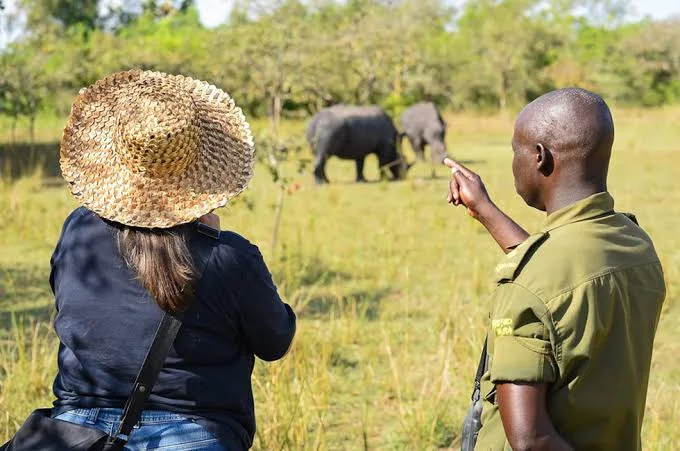
Gone are the days when the deaf and hard-of-hearing community was always left out by the communities they stayed in or lived in during participation or while carrying out different activities. Over the years, solutions have been developed with the help of research and technology, and among these solutions is the training and use of sign language interpreters. This effort helps the deaf and hard-of-hearing community confidently participate in day-to-day productive activities within and beyond their communities. Tourism is one of the sectors that deaf individuals can now fully participate in with the help and guidance of trained and well-experienced guides and sign language interpreters.
Are you planning a Silent Uganda safari or deaf safari? Here is what you should know.
Communication while planning
Since travelers with silent or deaf tourism needs require special care and attention, it is a key priority to share all the information about what they wish to do or where they plan to visit during their Uganda safari, and what their challenges are.
Early or timely planning with the tour operator or travel agent ensures you have a good experience on your Uganda safari. By doing this, you will enable the tour operator to prepare all the required tools or items, such as nonverbal communication items (magazines, photographs, maps), that describe the travel destinations or tourism activities that they will be experiencing.
Proper and timely information in the planning process gives enough time to the tour operators or travel agents to book lodges or places of accommodation that are compatible or favorable to the deaf and hard-of-hearing community, as well as organizing a professional and experienced sign language interpreter.
Written safari instructions on a Uganda safari
Safaris meant specifically for the deaf or hard- of hearing travelers have sufficient informative written material tailored to one’s special needs, preparing you before and during your Uganda safari tour. This type of communication favors clients who don’t like to entirely rely on sign language and lip reading. The written information may include the name of the lodges where you’re going to be staying, the activities or experiences you will undertake, your safari packing list, the dos and don’ts of certain tourist activities, to name a few.
Face-to-face communication
Sufficient explanations from professional guides and rangers during different activities require you to pay utmost attention to your guide at all times when they are giving guidance and instructions for a particular activity. In case you have not understood their gestures or signs, always feel free to raise your hand and ask any questions or for repetition.
Sign- language

We appreciate that deaf or hard- of hearing travelers or visitors come from different parts of the world; just as different people speak different languages, it is the same when it comes to sign languages. For a better experience, you will need to inform the tour operator or travel agent about the sign language you are well-versed in so that a knowledgeable guide who knows this sign language is assigned to you for a perfect Gorilla Trekking Uganda experience.
What are the best destinations for the deaf (silent) or hard-of-hearing Travelers in Uganda?
Uganda as a travel destination has enormous options for the hard-of-hearing or deaf travelers. Destinations that offer a perfect experience with more visual attractions for visitors or tourists include, but are not limited to:
Bwindi Impenetrable National Park
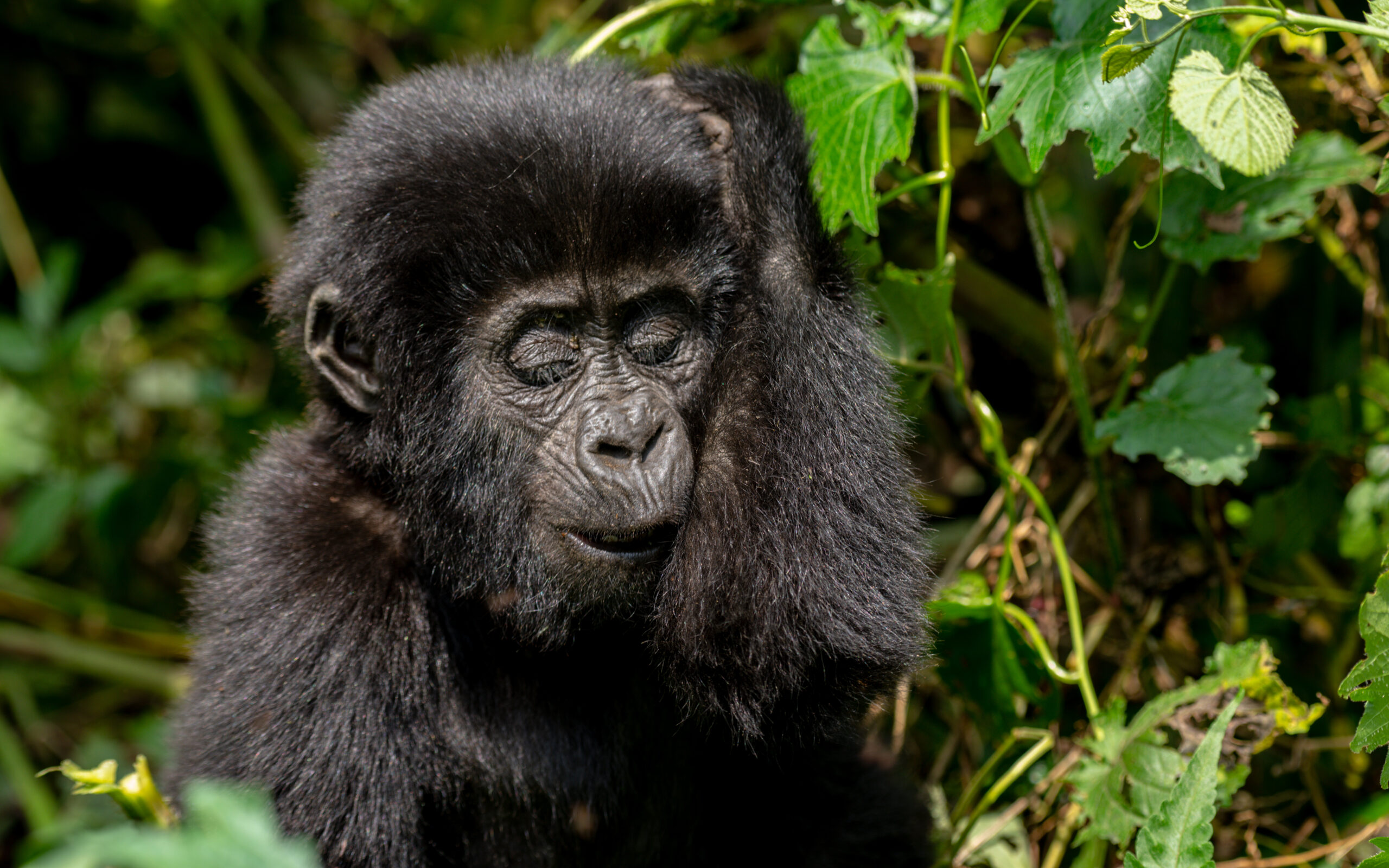
Famous for being one of the only two travel destinations that host the mountain gorillas in Uganda. Bwindi Impenetrable National Park is located in the southwestern part of Uganda. Mountain gorilla trekking is one of the activities that are done in Bwindi; this activity favors deaf or hard-of-hearing travelers because it offers a more visual and hiking experience along the trekking trails, requiring more seeing than hearing.
This activity lasts from about 1 hour to 8 hours of searching or looking for the mountain gorilla family in their natural habitat. The period or time taken to locate a specific mountain gorilla family depends on a variety of things, which include the walking pace of the tourist(s), the weather conditions, the terrain, and the location of the mountain gorilla group or family.
When a particular mountain gorilla family or gorilla group is allocated to tourists, you are allowed one full hour of observing these gentle giants. Photography and videography are allowed during this memorable hour with the guidance of an experienced ranger guide.
To experience or take part in the mountain gorilla trekking activity, you will need to purchase mountain gorilla trekking permits from Uganda Wildlife Authority (UWA) through an authorized and licensed tour operator or travel agency like Salt Holidays. For foreign residents, the permit costs 700$, foreign-nonresidents 800$, for the rest of Africa 500$ and about 300,000 UG shillings for East African citizens.
Queen Elizabeth National Park
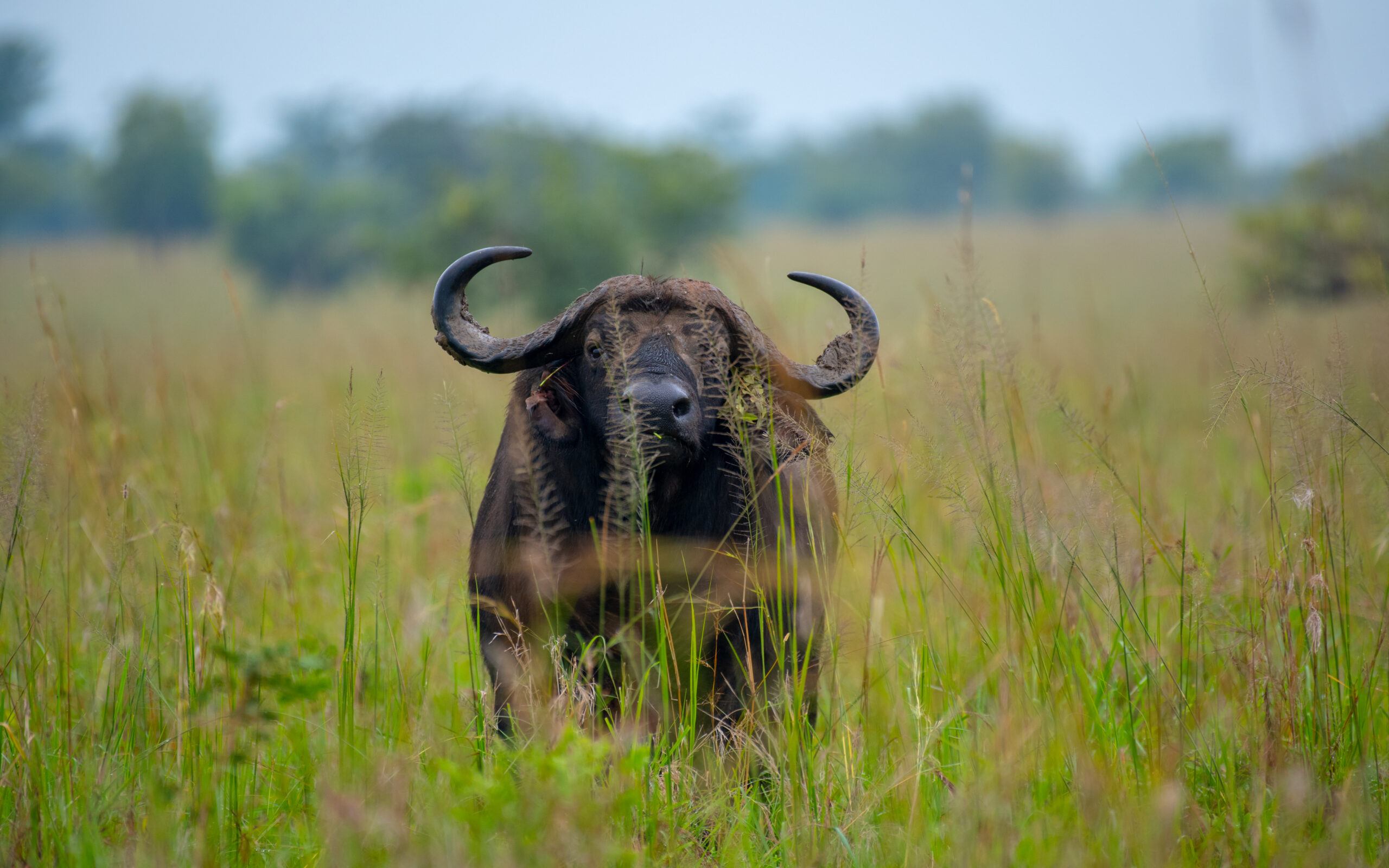
Also known as the Medley of Wonders, Queen Elizabeth is one of Uganda’s travel destinations, filled with biodiversity when it comes to attractions. Queen Elizabeth National Park is the second-largest national park in Uganda, famous for having the tree-climbing lions, which are found in the southern sector of the park, also known as Ishasha sector. The most common tourist activities in Queen Elizabeth National Park are guided game drives, boat safaris on the Kazinga Channel, chimpanzee tracking at the Kyambura Gorge, as well as night safari experiences, crater lake explorations, among others. Lions, leopards, hyenas, African savannah elephants, buffalo, hippos, chimpanzees, several antelope species, and over 600 recorded bird species make it one of the best birding destinations in Uganda.
Murchison Falls National Park
Guess what? Murchison Falls National Park is the largest and oldest national park in Uganda. Located in the northwestern part of Uganda, it is famous and best known for having the most powerful waterfall in the world – Murchison Falls- and also offers tourists and visitors a variety of attractions. Some of these attractions include Murchison Falls itself, from which the park derives its name, a diversity of tree species, a diversity of wildlife that includes the highest lion population, leopards, hyenas, African elephants, giraffes, buffalo, several antelope species, and a rich bird list including the shoebill stork. The Albert Nile. The Park can be explored in several ways, which include boat safaris, the more popular game drives or safaris, guided nature walks, hiking, to name a few. Murchison Falls also offers excellent fishing experiences on the Nile River to the bottom of the falls or towards the delta.
Other travel destinations that Deaf or hard-of-hearing travelers can visit in Uganda include
- Kidepo Valley National Park
- Ziwa Rhino Sanctuary
- Kibale National Park
- Semuliki National Park
- Mount Rwenzori National Park.
- Mount Elgon National Park
- Lake Mburo National Park
- Maghinga Gorilla National Park
Which activities are suitable for deaf travelers on a Uganda safari?
Activities that involve a lot or more of visual experiences are the best tourist activities for the deaf or hard-of-hearing travelers. Some of these activities include,
Mountain gorilla trekking in Uganda
Since this activity requires more visual than hearing to spot or see the mountain gorillas, this makes it one of the best tourist activities for the deaf or hard- of-hearing travelers. Mountain gorillas in Uganda can be tracked in only two travel destinations (Bwindi Impenetrable National Park and Maghinga Gorilla National Park). The two destinations host nearly half of the remaining mountain gorillas in the world, making Uganda the best destination to track mountain gorillas in their natural habitat.
Game drives in Uganda
Game drives involve more visual experiences or sightseeing, where tourists or visitors get in a 4×4 vehicle and are driven around the park through specific game tracks in search of specific wildlife species, birds, and different plant species, to name a few. Game drives in Uganda can be done or are carried out in all savannah parks and protected areas/game reserves these include, Murchison Falls National Park, Queen Elizabeth National Park, Kidepo Valley National Park, Lake Mburo National Park, Pian Upe game reserve, Ajai game reserve among others.
Birding in Uganda
For those interested in birds, Uganda holds a broader taxonomic bird list of 1,090 recorded bird species, including some endemic species, making it one of the best birding destinations in Africa. Birding, or bird watching, is one of the popular activities in Uganda. One of the prehistoric birds, the Shoebill, can
Chimpanzee trekking in Uganda
For chimpanzee trekking in Uganda, the best and most visited national Park is Kibale National Park, which is also known as the “primate capital” of the world, with over 1,500 chimpanzees calling it home and 12other species of primates recorded. This makes it the perfect go-to travel destination for chimpanzee trekking during your Uganda safari.
Boat cruises in Uganda
One of the travel activities you should consider not missing out during your Uganda safari are the boat cruises which are done in different parks in Uganda. These boat cruises or boat safaris allow close-range visibility of various mammal and bird species along the shores or riverbanks of these water bodies. Boat cruises are done in Murchison Falls National Park on the Nile River, in Queen Elizabeth National Park on the Kazinga Channel, Lake Mburo, among other destinations.
Community encounters in Uganda
The best way for tourists or visitors to experience a destination like Uganda is to interact with and experience the culture of the local people through community-based encounters. With community encounters/community experiential tourism, tourists get to listen and learn about the local history, culture, and customs of the local people through cultural performances, practices, and storytelling. Watch them or take part in cultural performances, traditional dances, and learn about their day-to-day livelihoods. Some of the communities that tourists visit when they come to Uganda include the Batwa pygmies, or Batwa of Echuya Forest or Batwa of Bwindi, the Bigodi community, the Karamojong community, and the Ankole culture or Ankole people, where they can learn about the long-horned cattle, among several others.
City tours in Uganda
Uganda has more historic and cultural sites in the capital city of Kampala and the colonial city of Entebbe, which are filled with historic and cultural significance. These historical sites that you should consider visiting on your deaf Uganda safari include the Uganda Museum, the Uganda Martyrs Catholic Shrine, Namugongo, the Kabaka’s Palace or Royal Mile, Kasubi Tombs, the historic seven hills that make up Kampala, including the Uganda national mosque, also known as the Gaddafi Mosque, the Baha’i House of Worship, also known as the Baha’i Temple, and the only one in Africa. The Entebbe Botanical Gardens in Entebbe, among others
Sports fishing in Uganda
This tourist activity can be done or carried out on several of Uganda’s freshwater bodies, and some of these include the Nile River at Murchison Falls; the Nile River offers one of the best spot fishing experiences in Uganda; and Lake Victoria, to name a few. This activity is done by individuals with the guidance of a local experienced spot fishing guide.
Other activities that you can do on your safari in Uganda include,
- Guided nature walks
- Horseback safari experience
- Zip lining
- Golden monkey tracking
- Rhino tracking
- Lion /predator tracking
- Visiting the equator
- Visiting crater lakes in Fort Portal and Queen Elizabeth National Park
- Visiting the Semuliki Hot Springs, to name a few.
What to pack for a Uganda deaf or hard-of -hearing safari?
The exact packing list depends on the parks you visit. Someone climbing the Rwenzori needs very different equipment from someone spending three nights in Queen Elizabeth National Park.
For a conventional Uganda safari, however, the basics are straightforward:
- Lightweight, breathable clothing
- A warm layer for early mornings
- Comfortable walking shoes
- A waterproof jacket
- Hat and sunglasses
- Sunscreen
- Insect repellent
- Reusable water bottle
- Binoculars
- Camera equipment
- Small daypack
- Basic personal medication
- A headlamp for rural lodge stays
Gorilla trekking requires more specialised preparation.
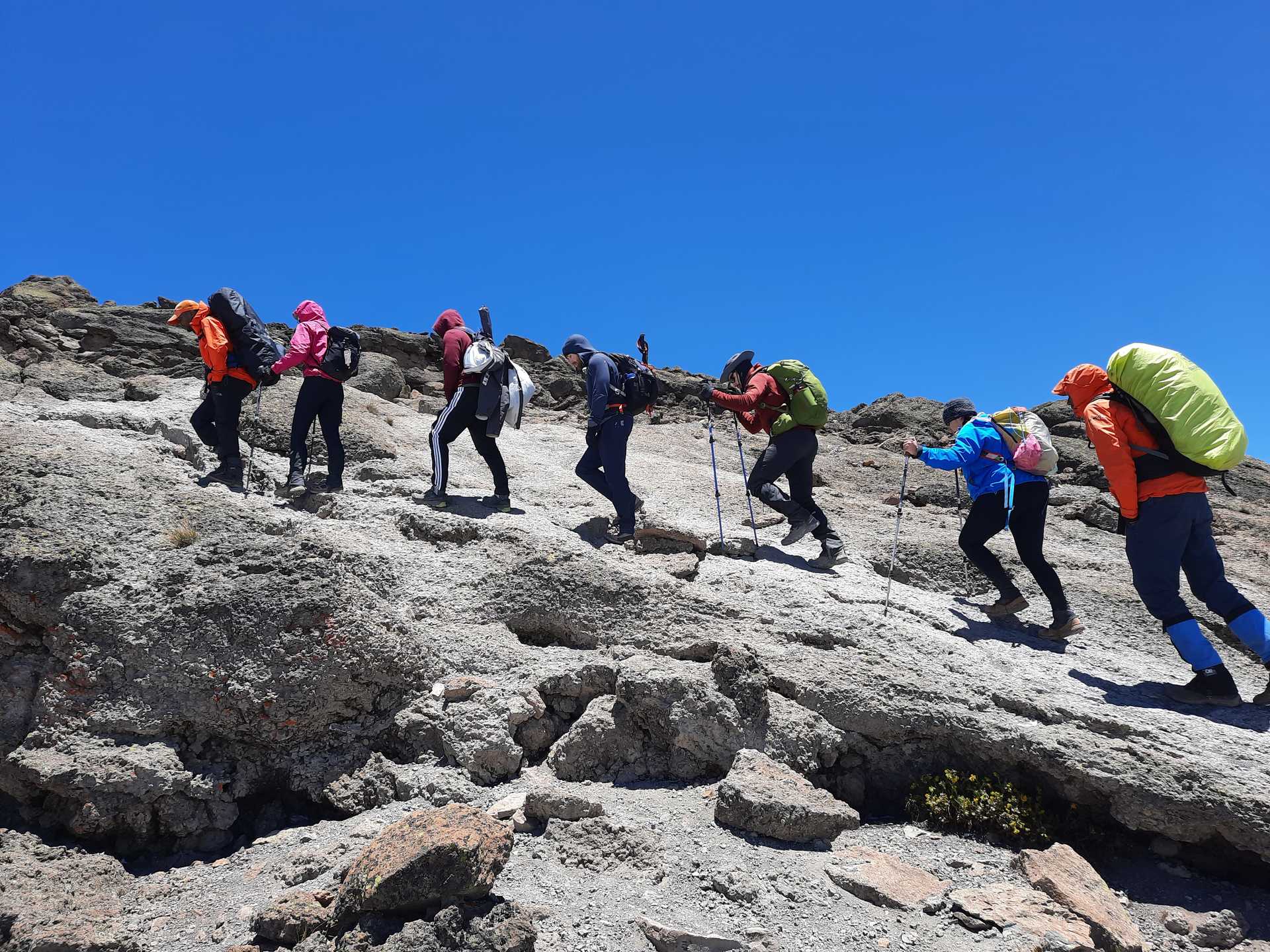
Waterproof hiking boots are valuable because Bwindi’s trails can become muddy after rain. Long trousers and long sleeves protect against vegetation and insects, while gardening-style gloves can be surprisingly useful when gripping vegetation on steep sections.
A walking stick can also help. You do not necessarily need to bring one from Europe. Many trekking centres can provide basic walking sticks, and porters are available to assist with difficult sections.
For the Rwenzori, the list becomes considerably more serious. Proper waterproof clothing, warm layers, suitable boots, gloves, and equipment appropriate for high-altitude trekking are essential.
The mistake is packing for “Uganda” as though the entire country has one climate. It does not. The humid forest of Bwindi, the warm plains of Murchison Falls and the cold upper slopes of the Rwenzori can feel like three different countries.
Responsible Silent Travel: Small Decisions Matter
A responsible deaf safari does not require a traveller to become an expert in conservation. It requires a little awareness. Stay on designated trails. Follow your ranger’s instructions. Do not attempt to attract wildlife for photographs. Never feed wild animals. Avoid single-use plastic where possible.
Choose accommodation that demonstrates genuine engagement with the deaf or hard-of-hearing travellers and neighbouring communities rather than simply using “eco” in its marketing. During gorilla trekking, follow the health and distance rules carefully. Mountain gorillas are vulnerable to human respiratory illnesses, which is why visitor behaviour around habituated families is tightly controlled.
Hiring a porter is another practical choice with a direct local benefit. Porters help carry bags, steady travellers on difficult sections, and sometimes offer a hand when the terrain becomes slippery. The money goes directly into the local economy, and for many travellers the porter becomes one of the most memorable people they meet during the trek.
Ask your safari operator how the porter system works and what a fair payment is. The same principle applies elsewhere. Use local guides where their knowledge adds value. Buy crafts directly from reputable community organisations. Eat local food when it is safe, hot, and available.
Conclusion: Discover the Best of Uganda Deaf Safaris with Salt Holidays
Uganda offers far more than one signature attraction for the deaf safari or hard of hearing safari. Its forests provide unforgettable primate encounters, its savannah parks offer rewarding wildlife safaris, its rivers and lakes create opportunities for boat trips and adventure, and its mountains and communities reveal another side of the country favorable for the deaf and hard-of-hearing travellers.
The best Uganda deaf holiday or silent safari is one that balances travel time with the experiences that matter most to you and caters to your special needs. Whether you want to trek mountain gorillas, follow chimpanzees, see elephants and lions, explore the River Nile or discover Uganda’s cultural heritage, thoughtful planning can make the journey more rewarding.
Let Salt Holidays help you plan your Uganda deaf safari experience. Explore the Uganda safari collection or contact the team to discuss a tailor-made itinerary for you.
Related Posts