Introduction: Discover the Best Things to Do in Uganda Uganda is one of East Africa's…
Experiences in Rwanda: Wildlife, Culture & Adventure
Introduction: Discover the Best Experiences in Rwanda
Rwanda is a destination of remarkable contrasts. Known as the Land of a Thousand Hills, it is celebrated for its green mountain landscapes, mist-covered rainforests, volcanic peaks, open savannahs, beautiful lakes and welcoming communities. Despite its relatively compact size, Rwanda offers a wide range of experiences, from mountain gorilla trekking in the Virunga Mountains to chimpanzee tracking in ancient rainforest, wildlife safaris in Akagera National Park and relaxing holidays along Lake Kivu.
For many travellers, the first experience that comes to mind is mountain gorilla trekking in Volcanoes National Park. Yet Rwanda has much more to offer. Visitors can follow golden monkeys through bamboo forest, walk above the rainforest on the Nyungwe canopy walkway, explore Kigali’s history and art, take a boat trip on Lake Kivu, visit tea and coffee-growing regions, hike volcanic mountains and enjoy a traditional cultural experience.
Rwanda is also a practical destination for travellers who want to experience several landscapes without spending many days on long transfers. A well-planned itinerary can combine Kigali, Volcanoes National Park, Akagera National Park, Nyungwe National Park and Lake Kivu. Some visitors also combine Rwanda with Uganda for a broader East African safari.
At Salt Holidays, we help travellers plan Rwanda holidays around their interests, travel dates and preferred style of accommodation. Whether you are interested in gorilla trekking, primate tracking, wildlife safaris, cultural experiences or a combination of activities, choosing the right route and allowing enough time at each destination can make a significant difference.
This guide explores the best experiences in Rwanda, explains where to enjoy them, provides practical planning information and suggests sample itineraries for different types of traveller.
- Go Mountain Gorilla Trekking in Volcanoes National Park
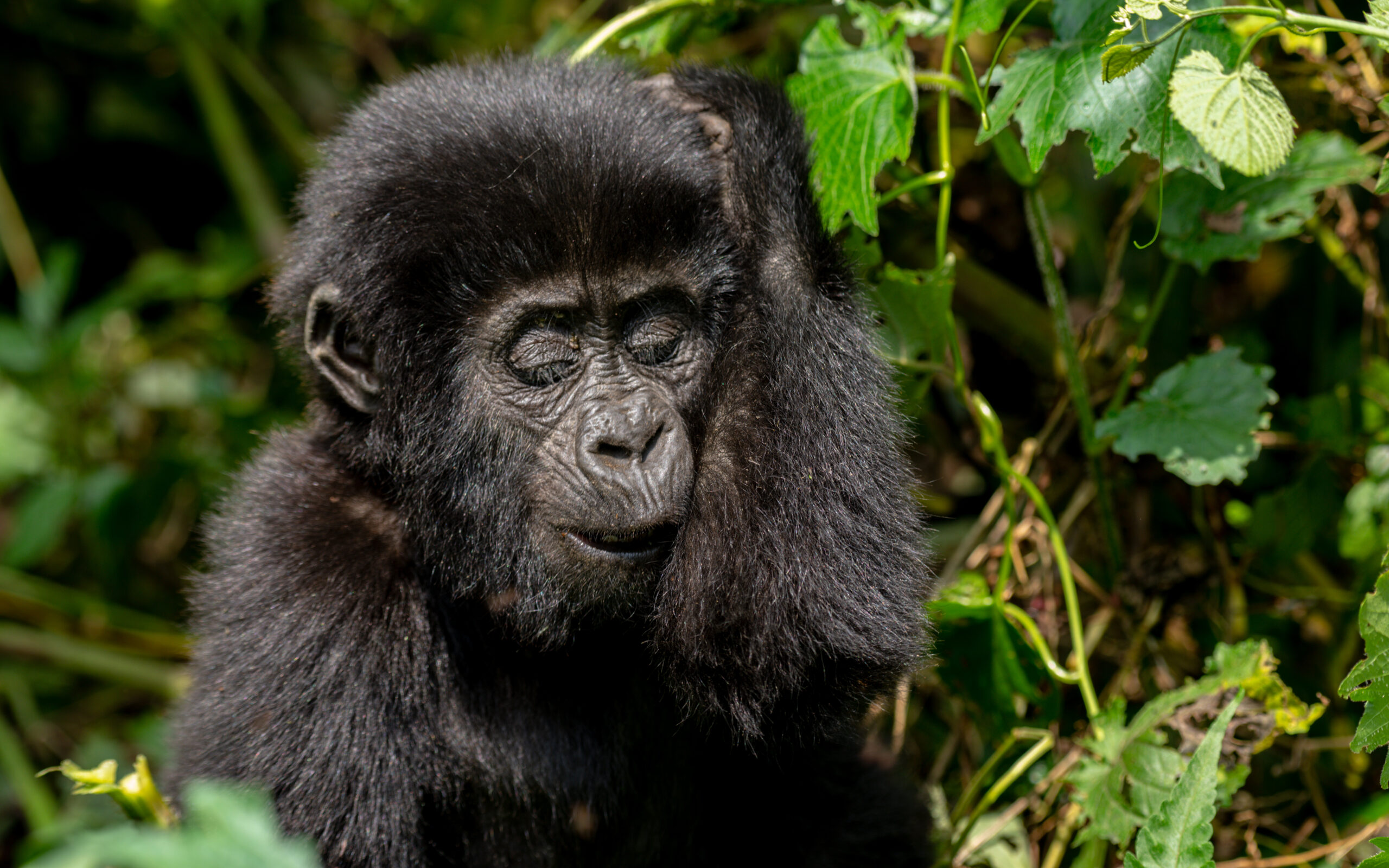
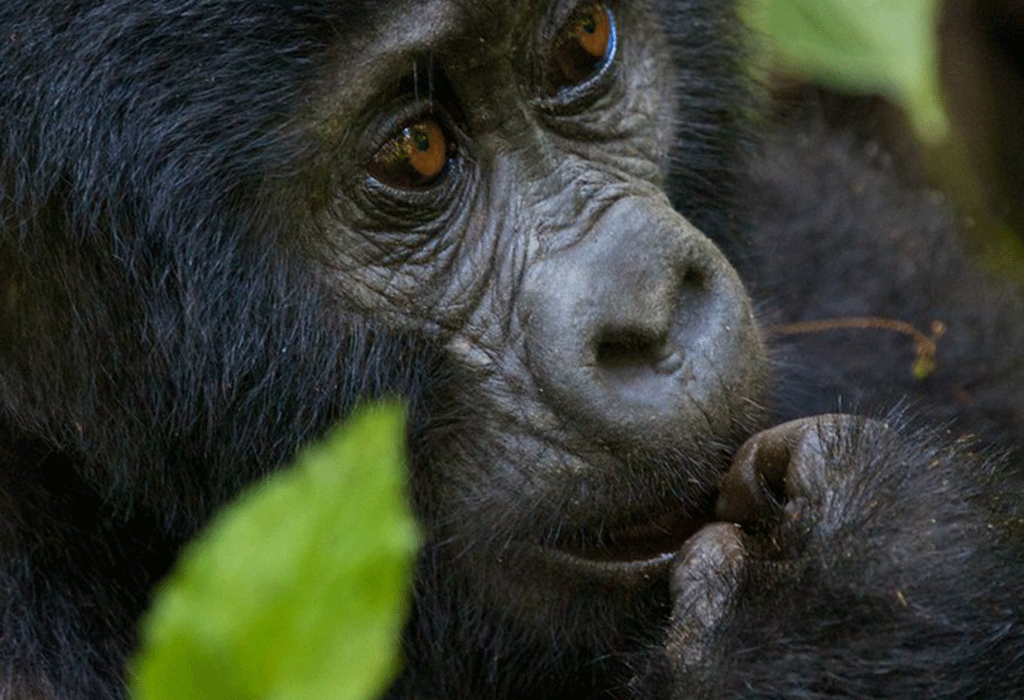
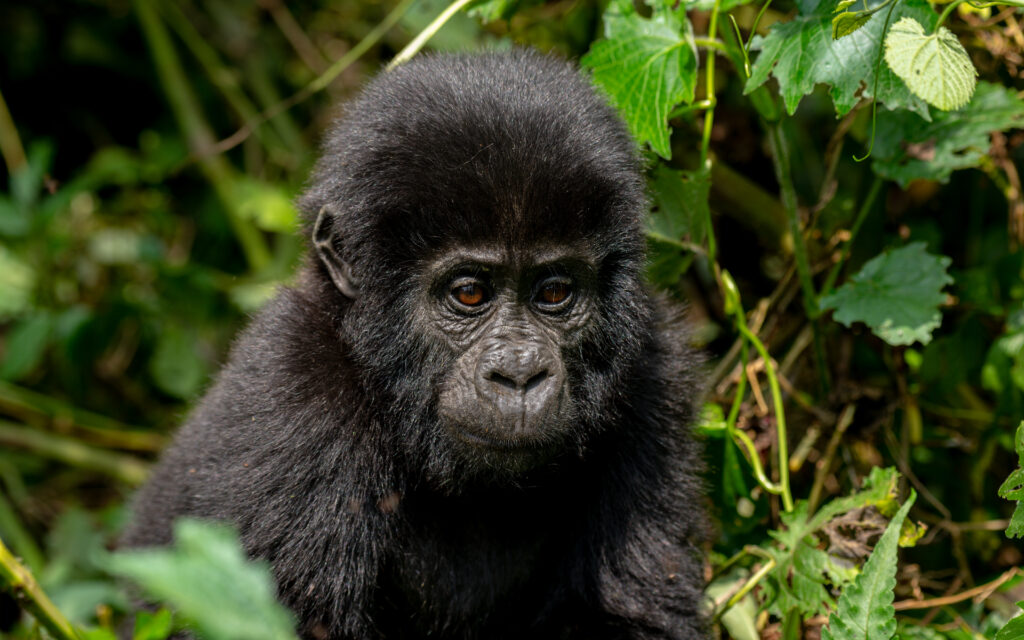
Mountain gorilla trekking is Rwanda’s best-known wildlife experience. It takes place in Volcanoes National Park, in the northwestern part of the country, where protected mountain forest forms part of the wider Virunga conservation landscape.
The experience begins early in the morning at the park’s visitor facilities in Kinigi. Visitors attend a briefing before being allocated to a gorilla family and a group of guides and trackers. The trek then follows forest trails and sometimes steep, muddy terrain as the team searches for the assigned gorillas.
The length of the trek varies. Some gorilla families may be found relatively close to the starting point, while others require a longer hike. The terrain, weather and movement of the gorillas all influence the day’s experience.
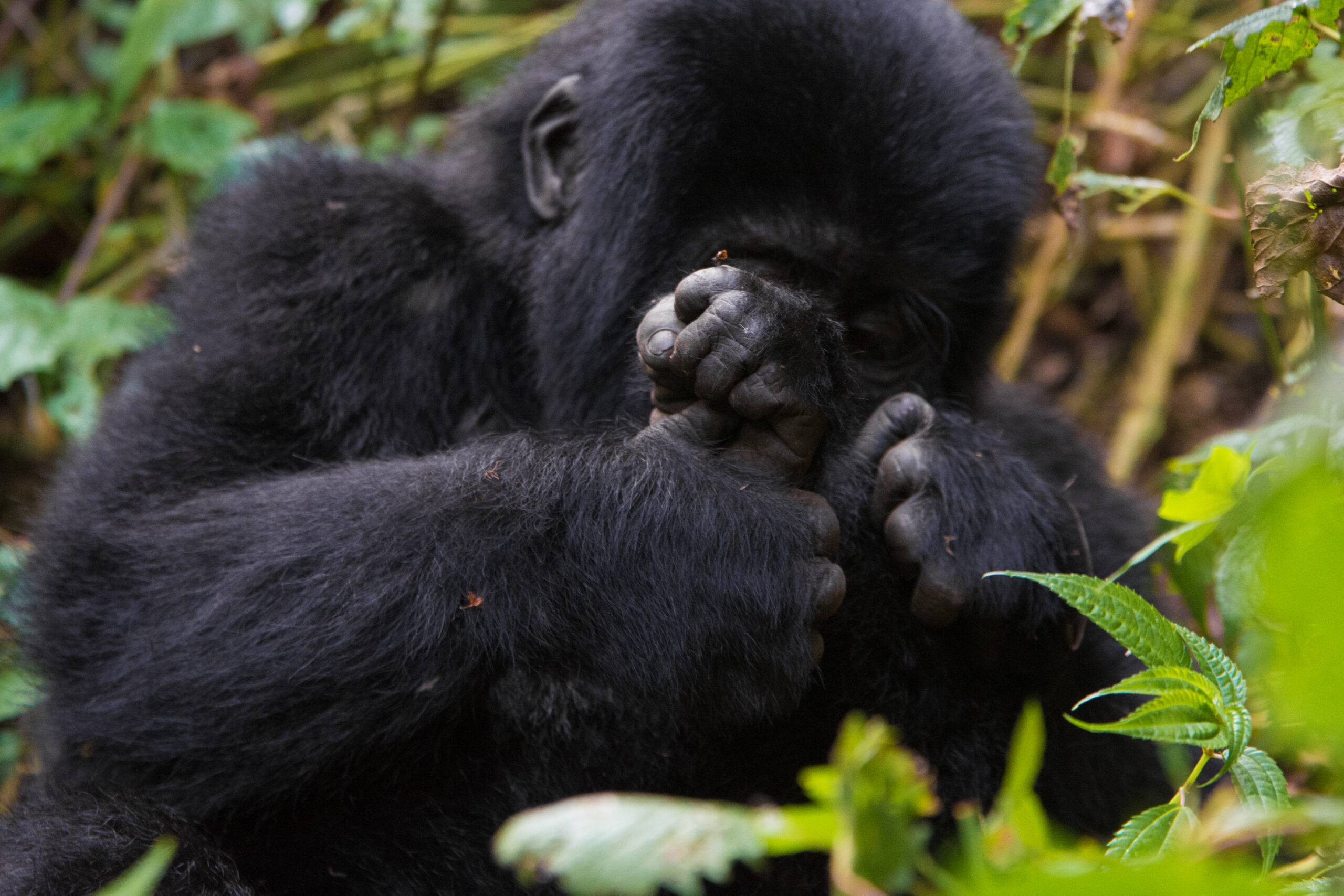
Once the gorillas are located, visitors are allowed a limited viewing period. Watching a family interact in its natural environment can be deeply moving. A silverback may rest nearby while younger gorillas play, climb or investigate their surroundings. Other members of the family may feed, groom or move quietly through the vegetation.
What to expect during gorilla trekking
A typical trekking day includes:
- Early arrival at the park headquarters.
- Registration and verification of the trekking permit.
- A briefing about safety and gorilla-viewing rules.
- Assignment to a gorilla family and trekking group.
- A guided forest hike with trackers and park staff.
- A limited viewing period with the gorillas.
- Return to the starting point after the encounter.
Gorilla trekking permits and age restrictions
The Rwanda Development Board’s official booking portal lists the standard international visitor gorilla permit at US$1,500 per person. The minimum age for gorilla tracking is 15 years. Other visitor categories and promotional arrangements may have different conditions, so travellers should confirm eligibility and the applicable rate for their dates.
Permits are limited and should be arranged well in advance, particularly for popular travel periods. Visitors should ensure that their passport and booking details are correct. The official permit system warns that incorrect or incomplete applications can result in refusal of entry even if a permit has been issued.
How to prepare for gorilla trekking
Wear sturdy hiking boots, long trousers, long-sleeved clothing and a waterproof jacket. Gardening gloves can help protect hands from vegetation. A small daypack, drinking water, snacks and a camera are useful.
Visitors should not trek when experiencing a contagious illness such as a cold or flu. The gorillas are vulnerable to human diseases, and the park’s rules are designed to reduce the risk of transmission.
- Track Golden Monkeys in Volcanoes National Park
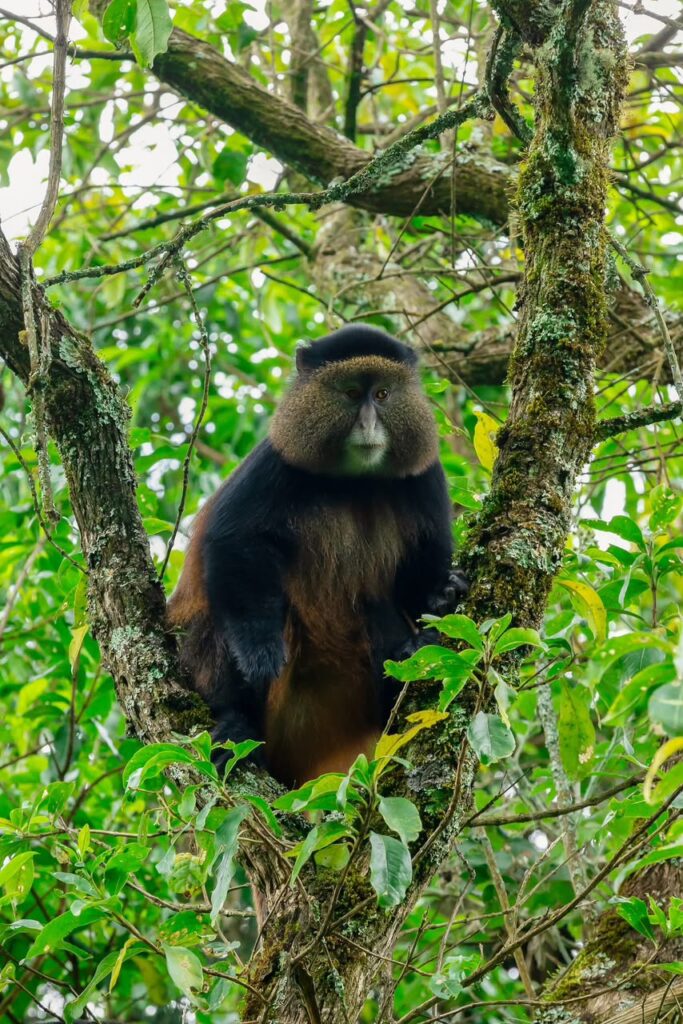
Golden monkey tracking is another special experience in Volcanoes National Park. These attractive primates live in the bamboo forests of the Virunga Mountains and are recognised by their golden-orange fur.
Unlike gorillas, golden monkeys are generally fast-moving and often travel through bamboo vegetation in active groups. Visitors follow guides and trackers to locate them and observe their feeding, social interactions and movement through the forest.
Golden monkey tracking is a good addition to a gorilla trekking holiday. It offers a different primate encounter and can make a short Rwanda safari more varied.
The activity involves walking through forest terrain, so suitable footwear and clothing are important. Visitors should follow the guide’s instructions and avoid approaching or feeding the animals.
- Enjoy a Wildlife Safari in Akagera National Park
Akagera National Park, in eastern Rwanda, protects a varied landscape of savannah, woodland, lakes and wetlands. It is the country’s principal destination for traditional savannah wildlife safaris.
The park offers a different experience from the mountain forests of Volcanoes and Nyungwe. Here, visitors explore open landscapes in a safari vehicle, looking for large mammals and birdlife.
Wildlife to see in Akagera
Akagera is home to the Big Five: lions, leopards, elephants, buffaloes and rhinoceroses. Other wildlife includes giraffes, zebras, hippos, crocodiles, antelopes, hyenas and numerous smaller mammals.
Wildlife sightings depend on the season, time of day, location and natural animal movements. A professional guide can help identify tracks, interpret animal behaviour and select promising areas for game viewing.
Game drives in Akagera
Morning game drives are popular because many animals are active during the cooler hours. Afternoon drives offer another opportunity to explore different areas of the park and observe changing light across the savannah.
A full-day safari can provide more time to explore the park’s different habitats. Visitors should carry drinking water, sun protection and a camera, and should remain inside the vehicle unless the guide identifies an authorised place to stop.
Guided safari or self-drive?
Akagera can be explored on a guided safari or, subject to park rules and vehicle suitability, through a self-drive visit. A professional guide can make the experience more informative and help visitors understand where wildlife may be found.
For travellers with limited time or little experience driving in African parks, a guided safari is often the more convenient choice.
- Take a Boat Safari on Lake Ihema
Lake Ihema is one of the highlights of Akagera National Park. A boat trip offers a different perspective on the park’s wildlife and wetlands.
Visitors may see hippos resting in the water, crocodiles along the shoreline and waterbirds feeding or flying above the lake. African fish eagles and other wetland birds are among the species that make the experience particularly rewarding for birdwatchers.
Boat trips are also a good opportunity to appreciate Akagera’s landscape beyond the open savannah. The lake’s quiet atmosphere contrasts with the excitement of a game drive and can be a relaxing part of a multi-day safari.
The exact departure times and availability should be confirmed when arranging the visit.
- Track Chimpanzees in Nyungwe National Park
Nyungwe National Park protects one of Africa’s important montane rainforest ecosystems. Located in southwestern Rwanda, it is a destination for chimpanzee tracking, other primate encounters, birdwatching, hiking and forest exploration.
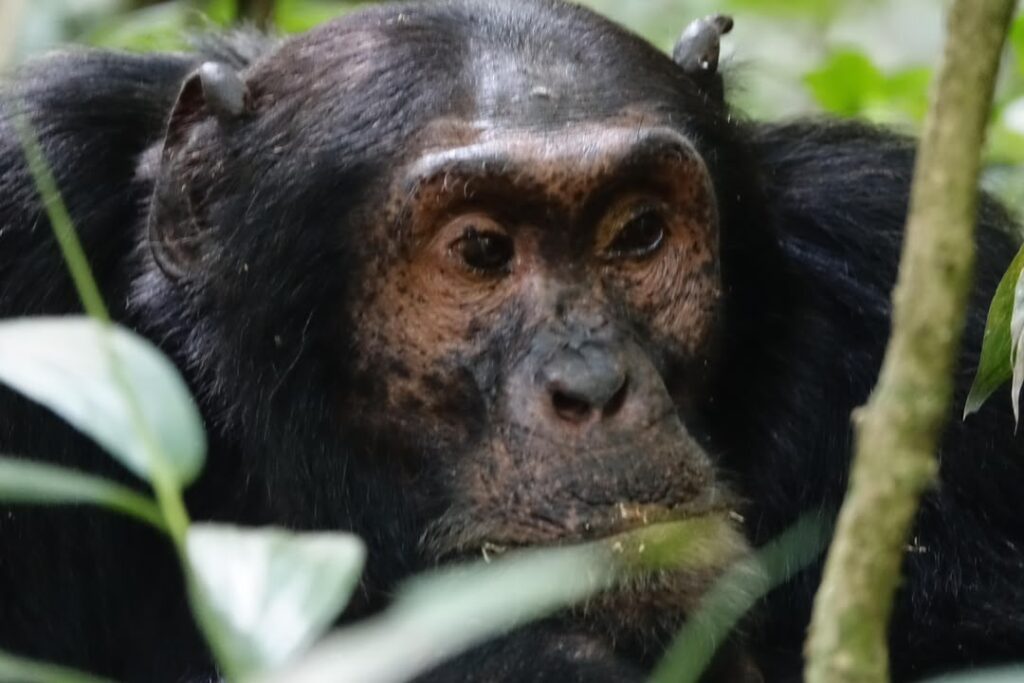
Chimpanzees are highly active primates. They move through the forest in search of food, communicate through calls and spend time feeding, grooming and interacting with other members of their communities.
Tracking generally begins early in the morning. Visitors meet their guides, receive instructions and enter the forest to search for the chimpanzees. The hike can be physically demanding because the terrain is steep, wet and covered by dense vegetation.
What makes chimpanzee tracking different?
Chimpanzee tracking is different from gorilla trekking. Chimpanzees move quickly, often travel through trees and may be heard before they are seen. Visitors may need to follow the group through the forest as it changes location.
The experience is rewarding for people interested in primate behaviour, forest ecology and photography. Sightings cannot be guaranteed because chimpanzees are wild animals and move freely through their habitat.
What to pack
Wear sturdy shoes with good grip, long trousers and a waterproof jacket. Carry water and follow the guide’s instructions. Visitors should be prepared for muddy trails and changing weather.
- Walk Above the Forest on the Nyungwe Canopy Walkway
The Nyungwe canopy walkway is one of Rwanda’s most distinctive adventure experiences. It is a suspended bridge above a forested ravine, giving visitors a view of the rainforest from a different height.
The walkway is approximately 160 metres long and reaches around 70 metres above the forest floor. It is accessed as part of a guided walk along the Igishigishigi Trail, or through other designated hiking routes.
From the bridge, visitors can look across the forest canopy, observe the layers of vegetation and enjoy the surrounding hills. Birds, butterflies and other forest life may be visible, although wildlife sightings are not guaranteed.
The walk to the canopy walkway is part of the experience. Trails can be steep and muddy, especially after rain, so comfortable footwear and a lightweight raincoat are recommended.
Nyungwe canopy walkway cost
Visit Rwanda lists the following indicative costs:
| Visitor category | Listed cost |
| Rwandan or East African Community citizen | US$5 |
| Foreign resident in Rwanda or East African Community | US$20 |
| International visitor | US$40 |
These figures should be reconfirmed before travel, as activity rates and eligibility conditions can change.
- Discover Other Primates in Rwanda
Rwanda is an excellent destination for primate enthusiasts. Beyond mountain gorillas, golden monkeys and chimpanzees, its forests support several other primate species.
Nyungwe is particularly interesting for black-and-white colobus monkeys, blue monkeys, L’Hoest’s monkeys and other forest primates. Visitors may also encounter olive baboons and vervet monkeys in other habitats.
Gishwati-Mukura National Park offers additional forest experiences and opportunities to learn about forest restoration and conservation. The availability of specific primate activities should be confirmed before booking.
A dedicated primate visit is different from a general nature walk. Visitors who want to focus on a particular species should arrange an activity with the relevant park authorities or a qualified tour operator.
- Explore Gishwati-Mukura National Park
Gishwati-Mukura National Park protects forest landscapes in western Rwanda. It is important for biodiversity conservation and the restoration of forest habitats.
The park’s attractions include forest scenery, birdlife, primates and nature-based activities. It offers a quieter alternative to Rwanda’s more established wildlife destinations and can appeal to visitors interested in conservation and community tourism.
Because visitor activities and access arrangements can differ from those in larger national parks, travellers should confirm what is operating on their intended dates.
- Relax and Explore Lake Kivu
Lake Kivu is one of Rwanda’s most beautiful destinations. It lies along the country’s western border and is surrounded by green hills, small settlements and lakeside communities.
The main lakeside destinations include Rubavu, Karongi and Rusizi. Each offers a different atmosphere, from resort stays and boat trips to scenic relaxation and access to the surrounding countryside.
Boat trips and island visits
Boat excursions provide opportunities to explore the lake, visit islands and enjoy views of the surrounding hills. Sunset trips can be especially appealing when the water and landscape are illuminated by the evening light.
Kayaking and water activities
Kayaking and paddle-based activities are available through local operators in suitable areas. Visitors should use appropriate safety equipment and follow local advice about water conditions.
Lakeside relaxation
Lake Kivu is an excellent place to slow down after a gorilla trek or a forest adventure. Travellers can enjoy lakeside accommodation, local food, scenic viewpoints and time away from a busy safari schedule.
Swimming should be undertaken only in suitable locations and in accordance with local safety guidance.
- Explore Kigali City
Kigali is Rwanda’s capital and an important starting point for many holidays. The city is known for its hills, modern buildings, markets, cafés, restaurants, art spaces and historical attractions.
A guided city tour helps visitors understand Rwanda’s history and contemporary life.
Kigali Genocide Memorial
The Kigali Genocide Memorial is a place of remembrance and education dedicated to the victims of the 1994 Genocide against the Tutsi. A visit requires sensitivity and respect. It offers an opportunity to learn about the history of the genocide, the lives lost and Rwanda’s continuing journey of remembrance and rebuilding.
Kimironko Market
Kimironko Market offers an introduction to local commerce and everyday life. Visitors can explore stalls selling fabrics, fresh produce, crafts and household goods. A guide can help with navigation and communication.
Inema Arts Centre
Inema Arts Centre is associated with Rwanda’s contemporary art scene. Visitors can explore creative work and learn about local artists, subject to opening hours and visitor arrangements.
Other Kigali experiences
Other possible stops include Kigali’s museums, cultural spaces, religious landmarks, coffee shops and restaurants. The city’s attractions should be selected according to the visitor’s interests and available time.
- Learn About Rwanda’s History and Heritage
Rwanda’s history extends far beyond its recent past. The country has a rich cultural heritage shaped by its kingdoms, communities, traditional arts and changing social history.
King’s Palace Museum
The King’s Palace Museum in Nyanza introduces visitors to Rwanda’s royal history and traditional architecture. The reconstructed royal residence and associated exhibits help explain the country’s monarchy and cultural traditions.
Ethnographic Museum
The Ethnographic Museum in Huye houses collections related to Rwanda’s cultural heritage, traditional life, crafts and history. It is a useful stop for visitors travelling through southern Rwanda.
Traditional music and dance
Traditional dance, including Intore performance, is an important part of Rwanda’s cultural heritage. Visitors may encounter cultural performances through organised community experiences and events.
Kigali Genocide Memorial
The memorial is a significant place for learning about the 1994 Genocide against the Tutsi. Visitors should allow enough time for a respectful visit and approach the subject with sensitivity.
- Visit Cultural Villages and Local Communities
Community experiences can add depth to a Rwanda holiday. Near Volcanoes National Park, the Gorilla Guardians Village is one example of a cultural tourism experience where visitors can learn about local traditions, music, dance, crafts and community life.
Other experiences may include cooking demonstrations, coffee visits, tea plantation tours and craft workshops.
A responsible community visit should respect local customs and ensure that the people sharing their culture benefit fairly from tourism. Visitors should ask before taking photographs and follow the guidance of their hosts.
- Hike Rwanda’s Volcanoes and Mountain Trails
Rwanda’s volcanic landscape offers excellent opportunities for hiking. The Virunga Mountains in the north are particularly popular, with trails leading through forest, bamboo and high-altitude terrain.
Mount Bisoke
Mount Bisoke is known for its crater lake and challenging hike. The climb passes through changing vegetation zones and offers impressive views when weather conditions are clear.
Mount Karisimbi
Mount Karisimbi is one of the highest volcanoes in the Virunga range. Its climb is a demanding multi-day activity that requires suitable fitness, equipment and advance planning.
Mount Muhabura and Mount Gahinga
These volcanoes offer additional hiking opportunities in the Virunga landscape. Routes vary in difficulty and should be undertaken with authorised guides.
Hiking preparation
Mountain weather can change quickly. Visitors should bring waterproof clothing, warm layers, suitable boots, drinking water and snacks. The effects of altitude should be considered, particularly for longer climbs.
- Explore Musanze Caves and Buhanga Sacred Forest
Musanze Caves provide an opportunity to learn about Rwanda’s volcanic geology. The caves are located in the northern part of the country and can be explored through organised visits.
Visitors should follow the guide’s instructions, use suitable footwear and check current access arrangements before travelling.
Buhanga Sacred Forest is associated with Rwanda’s cultural and royal heritage. A guided visit can introduce visitors to the forest’s cultural significance and natural environment.
These experiences can be combined with a stay in Musanze and a visit to Volcanoes National Park.
- Enjoy Birdwatching in Rwanda
Rwanda is a rewarding birdwatching destination because its habitats include montane rainforest, wetlands, lakes, savannah and volcanic slopes.
Nyungwe National Park
Nyungwe is one of the country’s leading forest birdwatching destinations. Its birdlife includes species associated with the Albertine Rift, making it especially interesting for specialist birders.
Akagera National Park
Akagera’s wetlands, lakes and savannah support waterbirds, raptors and a wide range of other species. The park is also known for its shoebill habitat.
Volcanoes National Park
The forest and high-altitude habitats around Volcanoes National Park offer opportunities to see mountain and forest bird species.
Lake Kivu and other wetlands
Lakeside and wetland areas provide additional birdwatching opportunities. A knowledgeable local guide can help identify species and select suitable locations.
- Experience Rwanda’s Tea and Coffee Culture
Rwanda is known for its high-quality coffee and tea, both of which are important to the country’s agricultural landscape.
Coffee experiences
A coffee visit may include a tour of a farm or washing station, an explanation of how coffee cherries are processed and an opportunity to taste locally produced coffee.
Tea plantation visits
Rwanda’s green hills and favourable growing conditions support tea production. Visitors can explore selected tea-growing areas, learn about cultivation and processing and enjoy the surrounding scenery.
These experiences are particularly appealing to travellers who want to learn about rural livelihoods and the products associated with Rwanda’s landscapes.
- Go Cycling, Kayaking and Enjoy Outdoor Adventures
Rwanda’s hills, lakes and countryside create opportunities for outdoor activities.
The Congo Nile Trail is a well-known route along the Lake Kivu region, attracting cyclists and hikers who want to explore rural landscapes and lakeside communities.
Kayaking is available in suitable areas of Lake Kivu. Other adventure activities may include guided hikes, cycling excursions and boat trips.
Visitors should choose reputable operators, confirm the level of difficulty and make sure that equipment and safety arrangements are appropriate.
- Explore Rwanda’s Scenic Routes and Countryside
Road journeys are part of the Rwanda experience. The country’s rolling hills, cultivated slopes, tea estates, villages and lakeside scenery create attractive routes between destinations.
The journey from Kigali to Musanze passes through the northern highlands towards Volcanoes National Park. The Lake Kivu region offers scenic drives between Rubavu, Karongi and Rusizi. Southern Rwanda provides access to Huye, cultural sites and Nyungwe National Park.
A private safari vehicle allows visitors to stop at suitable viewpoints and explore at a comfortable pace. Transfer times should be planned realistically, especially when combining distant destinations.
- Discover Rwanda’s National Parks
Rwanda has four national parks, each offering a different set of experiences.
| National park | Main experiences |
| Volcanoes National Park | Mountain gorilla trekking, golden monkey tracking, volcano hiking and forest experiences |
| Akagera National Park | Savannah game drives, Big Five wildlife viewing, boat trips and birdwatching |
| Nyungwe National Park | Chimpanzee tracking, canopy walkway, forest hiking, birdwatching and other primates |
| Gishwati-Mukura National Park | Forest walks, conservation experiences, birdlife and primate habitats |
The best park depends on the traveller’s interests. Visitors focused on gorillas should prioritise Volcanoes National Park. Those interested in classic wildlife safaris should consider Akagera. Nyungwe is ideal for rainforest and primate experiences.
- Best Time to Enjoy Experiences in Rwanda
Rwanda is a year-round destination, but weather conditions influence the type of experience visitors may prefer.
The drier periods are often favoured for gorilla trekking, hiking and wildlife viewing because trails and some roads may be easier to navigate. The wetter periods can bring muddy forest paths and more challenging hiking conditions, but the scenery can be lush and beautiful.
Gorilla trekking
Gorilla trekking operates throughout the year. Visitors should be prepared for rain and muddy terrain in every season because Volcanoes National Park is a mountain rainforest environment.
Chimpanzee tracking
Nyungwe’s forest trails can be slippery after rain. Good footwear and a flexible schedule are important.
Akagera wildlife safaris
Game drives can be rewarding throughout the year. Wildlife distribution changes with rainfall, vegetation and water availability.
Birdwatching
Birdwatching is possible throughout the year. Seasonal conditions influence breeding activity and the presence of migratory species.
Rather than choosing a month based on a guarantee of particular wildlife sightings, travellers should plan around their preferred activities and remain flexible.
- Rwanda Travel Costs: Permits, Activities and Safari Budgets
The total cost of a Rwanda holiday depends on permits, accommodation, transport, guiding, meals and the activities selected.
Mountain gorilla permit
The Rwanda Development Board’s official booking portal lists the standard international visitor permit at US$1,500 per person. Promotional and other visitor-category rates may apply under specific conditions. Eligibility must be checked before booking.
Nyungwe canopy walkway
Visit Rwanda lists an indicative international visitor cost of US$40 for the canopy walkway, with different rates for Rwandan and East African Community citizens and qualifying foreign residents.
Other activity costs
Costs for chimpanzee tracking, golden monkey tracking, Akagera activities, hiking, cultural experiences and boat trips should be confirmed for the actual travel date. Rates may differ by activity, visitor category, park and operator.
What is included in a Rwanda safari quotation?
A safari quotation may include some or all of the following:
- Wildlife or primate permits.
- National park entry and activity fees.
- Accommodation and meals.
- Private 4-wheel-drive safari vehicle.
- Professional driver-guide.
- Airport transfers.
- Boat trips and other planned activities.
- Applicable taxes and service charges.
Travellers should compare quotations carefully. A lower price may exclude permits, park activities, meals or transfers that are included in another package.
- How to Travel Around Rwanda
Most international visitors arrive at Kigali International Airport. Kigali is a convenient starting point for journeys to the country’s main tourism destinations.
Road transfers are the most common way to travel between Kigali, Volcanoes National Park, Akagera National Park, Nyungwe National Park and Lake Kivu. Private safari vehicles offer flexibility and allow visitors to travel according to their itinerary.
Some journeys can be shortened through domestic or charter flight arrangements where available. Flight schedules, baggage limits and transfer connections should be confirmed before booking.
Visitors combining Rwanda with Uganda should plan border crossings carefully. The appropriate entry documents and visa arrangements depend on nationality and travel plans.
- Sample Rwanda Itineraries
These examples show how visitors can combine Rwanda’s leading experiences. The exact route should be adjusted for permit availability, flight times, accommodation and the amount of time available.
3-Day Rwanda Gorilla Trekking Experience
- Day 1: Arrive in Kigali and transfer to Musanze.
- Day 2: Gorilla trekking in Volcanoes National Park.
- Day 3: Return to Kigali or extend the trip with a cultural or lakeside experience.
4-Day Gorilla and Golden Monkey Experience
- Day 1: Arrive in Kigali and travel to Musanze.
- Day 2: Mountain gorilla trekking.
- Day 3: Golden monkey tracking and a cultural experience.
- Day 4: Return to Kigali.
5-Day Kigali, Volcanoes National Park and Lake Kivu
- Day 1: Arrive in Kigali and enjoy a city tour.
- Day 2: Travel to Musanze and visit a cultural attraction.
- Day 3: Gorilla trekking in Volcanoes National Park.
- Day 4: Transfer to Lake Kivu for a boat trip or lakeside relaxation.
- Day 5: Return to Kigali.
7-Day Rwanda Primates and Lake Experience
- Day 1: Arrive in Kigali.
- Day 2: Travel to Volcanoes National Park.
- Day 3: Gorilla trekking.
- Day 4: Golden monkey tracking or a volcano hike.
- Day 5: Travel towards Nyungwe National Park.
- Day 6: Chimpanzee tracking and canopy walkway.
- Day 7: Return to Kigali.
8-Day Rwanda Wildlife and Primate Safari
- Day 1: Arrive in Kigali.
- Days 2–3: Explore Akagera National Park with game drives and a Lake Ihema boat trip.
- Day 4: Return towards Kigali and continue to Musanze.
- Day 5: Gorilla trekking in Volcanoes National Park.
- Day 6: Golden monkey tracking or a cultural experience.
- Day 7: Explore Kigali or add a lakeside experience, depending on transfer arrangements.
- Day 8: Departure.
10-Day Rwanda and Uganda Combined Safari
- Days 1–2: Kigali and Volcanoes National Park, including gorilla trekking.
- Day 3: Golden monkey tracking or a cultural experience.
- Days 4–5: Travel to Uganda and explore Queen Elizabeth National Park.
- Day 6: Kazinga Channel boat cruise and game drive.
- Days 7–8: Kibale National Park for chimpanzee tracking.
- Day 9: Continue to another Uganda destination or enjoy a scenic stop.
- Day 10: Departure through the appropriate airport.
This combined itinerary is an outline only. Border arrangements, driving times, permit dates and the departure airport must be confirmed before it is offered as a bookable package.
- Why Plan Your Rwanda Experiences with Salt Holidays?
Rwanda offers many different experiences, but combining them requires careful planning. Gorilla and chimpanzee permits must match the travel dates, accommodation should be close to the relevant park starting points and road transfers need to allow enough time for each activity.
Salt Holidays organises Rwanda gorilla tours, chimpanzee tracking trips, wildlife safaris and combined East African journeys. Its Rwanda safari collection includes Volcanoes National Park, Nyungwe National Park and Akagera National Park experiences.
The team can help travellers consider:
- Which activities best match their interests.
- Whether to combine gorilla trekking with golden monkey tracking.
- How to include Akagera’s wildlife and Lake Ihema.
- Whether to add Nyungwe’s chimpanzees and canopy walkway.
- Which accommodation areas suit the itinerary.
- How to combine Rwanda and Uganda in one holiday.
Plan your Rwanda holiday with Salt Holidays. Share your preferred travel dates, number of travellers, activities of interest and approximate budget. The team can help develop a personalised itinerary and advise on the permits and arrangements required.
Frequently Asked Questions About Experiences in Rwanda
What are the best experiences in Rwanda?
The best experiences in Rwanda include mountain gorilla trekking in Volcanoes National Park, golden monkey tracking, chimpanzee tracking in Nyungwe, wildlife safaris in Akagera, the Nyungwe canopy walkway, Lake Kivu excursions, hiking, birdwatching and cultural visits.
What is Rwanda famous for?
Rwanda is famous for mountain gorillas, Volcanoes National Park, its rolling green hills, Lake Kivu, Nyungwe rainforest, Akagera wildlife safaris and its cultural heritage. Kigali is also an important destination for history, art and city experiences.
Where can I see mountain gorillas in Rwanda?
Mountain gorilla trekking takes place in Volcanoes National Park in northwestern Rwanda. Visitors need a valid permit and must be at least 15 years old.
How much is a Rwanda gorilla trekking permit?
The standard international visitor permit is listed at US$1,500 per person by the Rwanda Development Board’s official booking portal. Other visitor categories and promotional conditions may apply, so travellers should check the current official rate.
Can I track golden monkeys in Rwanda?
Yes. Golden monkey tracking takes place in Volcanoes National Park. It is a popular activity to combine with mountain gorilla trekking.
Where can I track chimpanzees in Rwanda?
Nyungwe National Park is Rwanda’s leading destination for chimpanzee tracking. The experience involves an early start and a guided forest hike.
Is Akagera National Park good for a safari?
Yes. Akagera offers savannah wildlife viewing, game drives, boat trips and birdwatching. It is the main destination for traditional wildlife safaris in Rwanda and is home to the Big Five.
Can I see the Big Five in Rwanda?
Akagera National Park supports lions, leopards, elephants, buffaloes and rhinoceroses. Sightings depend on wildlife movements and the conditions on the day.
What can I do at Lake Kivu?
Visitors can enjoy boat trips, island visits, kayaking through local operators, lakeside relaxation, scenic drives and stays in waterfront accommodation.
How many days should I spend in Rwanda?
Three days can be sufficient for a focused gorilla trekking trip. Five to seven days allow visitors to combine primate experiences with other destinations, while eight to ten days provide more time for Akagera, Nyungwe and Lake Kivu.
What is the best time to visit Rwanda?
Rwanda can be visited throughout the year. Drier periods are often preferred for trekking and hiking, but gorilla and chimpanzee tracking operate in different weather conditions. Visitors should prepare for rain in forest and mountain environments.
Is Rwanda suitable for families?
Yes, but activities have different age restrictions. Mountain gorilla tracking has a minimum age of 15. Families should check the rules for each activity and choose accommodation and transfer arrangements that suit their children.
Can I combine Rwanda and Uganda?
Yes. Many travellers combine Rwanda’s Volcanoes National Park with Uganda’s Bwindi Impenetrable National Park, Kibale National Park or Queen Elizabeth National Park. A combined itinerary should account for border formalities, travel times and permit availability.
Is Rwanda safe for tourists?
Rwanda is an established tourism destination, but visitors should follow local advice, use reputable transport and activity providers, respect park rules and check current travel guidance before departure.
What should I pack for Rwanda?
Pack sturdy walking shoes, long trousers, long-sleeved clothing, a waterproof jacket, warm layers for the mountains, insect repellent, sun protection, a hat and personal medication. Gorilla and chimpanzee trekking require clothing suitable for muddy forest trails.
Conclusion: Discover Rwanda’s Best Experiences with Salt Holidays
Rwanda is a destination where wildlife, nature, culture and adventure come together. Visitors can trek through mountain forest to encounter gorillas, follow golden monkeys through bamboo, explore Nyungwe’s rainforest, watch wildlife in Akagera and relax beside Lake Kivu.
Its compact geography makes it possible to combine several experiences in one holiday, provided the route is planned carefully and enough time is allowed for each destination.
Whether you are planning a short gorilla trekking holiday or a longer journey through Rwanda’s national parks, forests, lakes and cultural sites, Salt Holidays can help you create a travel experience that reflects your interests.
Start planning your Rwanda experience with Salt Holidays. Explore the Rwanda safari collection or contact the team to request a tailor-made itinerary
Related Posts