Best Time to Climb Kilimanjaro: Weather, Crowds and Summit Conditions Find the best time to…
Things to Do in Uganda: Safaris, Wildlife & Experiences
Introduction: Discover the Best Things to Do in Uganda
Uganda is one of East Africa’s most rewarding travel destinations, offering an extraordinary combination of wildlife, tropical rainforests, mountains, lakes, rivers, cultural heritage and adventure. Known as the Pearl of Africa, the country brings together experiences that are difficult to find in one destination elsewhere on the continent. Travellers can trek through ancient forests to encounter endangered mountain gorillas, follow chimpanzees through tropical woodland, watch elephants and lions on savannah game drives, cruise along the River Nile and explore communities whose traditions are closely connected to the country’s landscapes.
The best things to do in Uganda depend on the kind of holiday you want. Wildlife enthusiasts may prioritise Queen Elizabeth National Park, Murchison Falls National Park and Kidepo Valley National Park. Primate lovers can explore Bwindi Impenetrable National Park, Mgahinga Gorilla National Park and Kibale National Park. Adventure travellers can go white-water rafting in Jinja, hike the Rwenzori Mountains or explore the waterfalls of Mount Elgon. Visitors interested in relaxation can spend time beside Lake Bunyonyi, Lake Mutanda or Lake Victoria.
Uganda is also an excellent destination for combining several experiences in one itinerary. A journey might begin with chimpanzee tracking in Kibale Forest, continue with a wildlife safari in Queen Elizabeth National Park and finish with mountain gorilla trekking in Bwindi. Another holiday could combine Murchison Falls, the Nile River, Ziwa Rhino and Wildlife Ranch, and the remote wilderness of Kidepo Valley.
At Salt Holidays, we help travellers plan Uganda holidays around their interests, available time and preferred level of comfort. Whether you are looking for a private wildlife safari, a gorilla trekking holiday, a family adventure or a wider East African journey, a well-planned itinerary makes it easier to enjoy the country’s remarkable variety.
So, what are the best things to do in Uganda? This guide explores the country’s leading wildlife encounters, national parks, adventure activities, cultural attractions, scenic destinations and practical travel considerations.
- Go Mountain Gorilla Trekking in Uganda
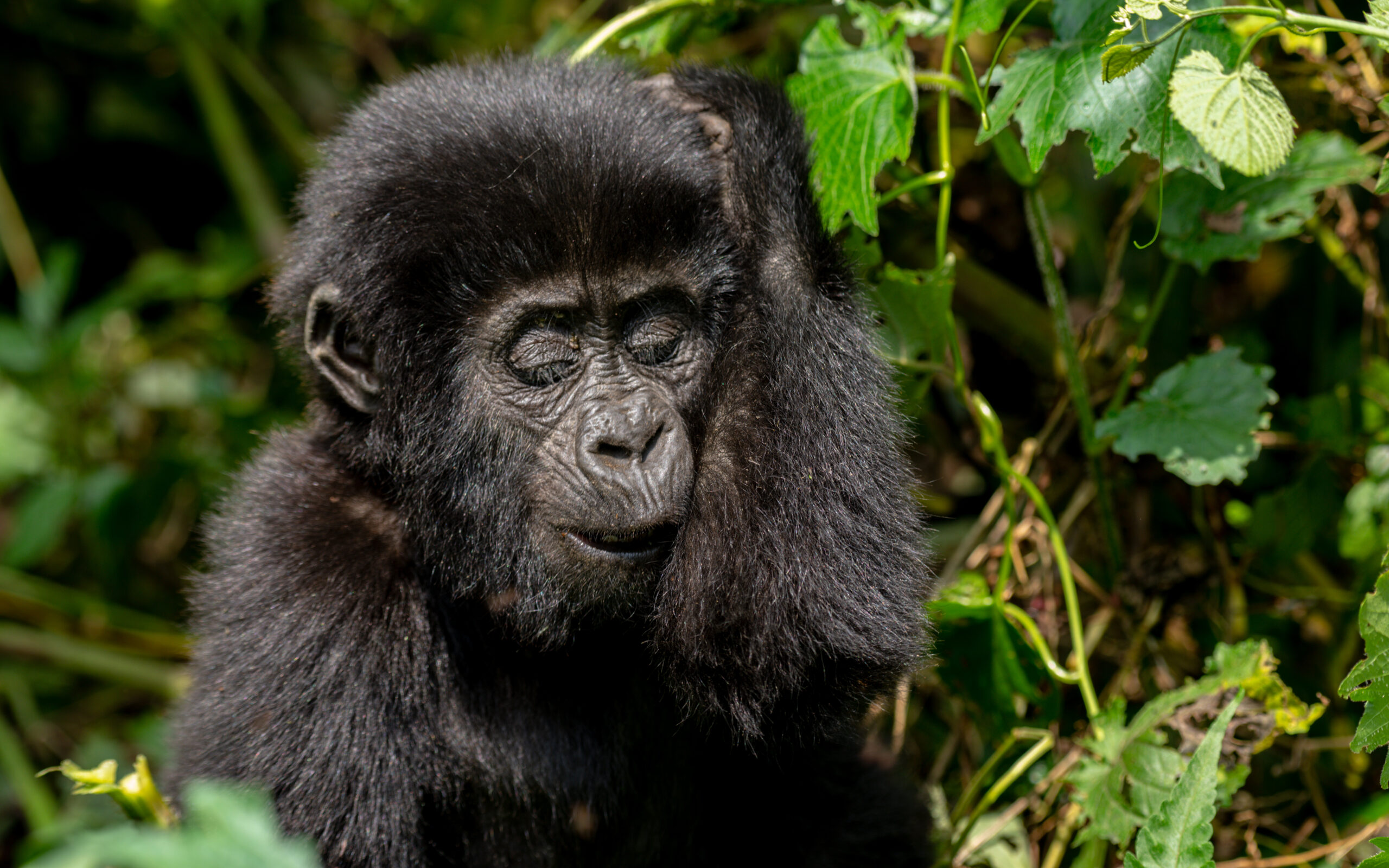
Mountain gorilla trekking is one of the most extraordinary experiences in Uganda. It takes visitors into protected tropical forests to observe a habituated gorilla family in its natural habitat. Watching a silverback resting among the vegetation, young gorillas playing and family members feeding or grooming one another is an unforgettable wildlife encounter.
Uganda has two national parks where visitors can trek mountain gorillas:
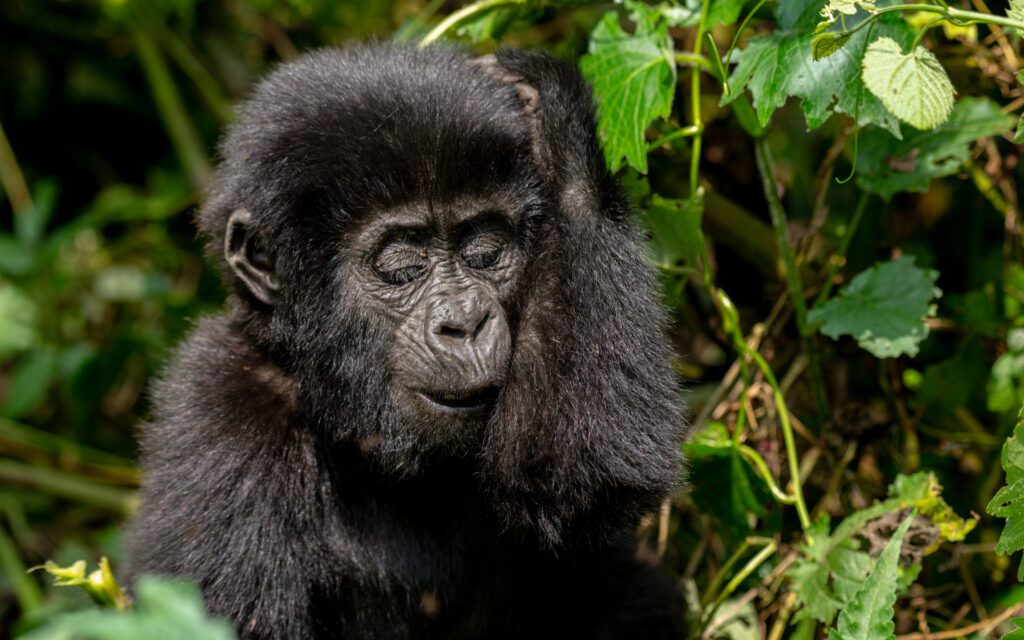
Bwindi Impenetrable National Park
Bwindi Impenetrable National Park, in southwestern Uganda, is internationally recognised for its mountain gorilla population and ancient rainforest. The park is divided into trekking areas, including Buhoma, Ruhija, Rushaga and Nkuringo. The sector assigned to a visitor determines the starting point and the general accommodation area.
A typical trekking day begins with a briefing from park staff. Visitors are allocated to a gorilla family and guided into the forest by trained rangers and trackers. The length and difficulty of the walk depend on where the gorillas are located that day. Once the group finds the gorillas, visitors are allowed a limited viewing period under strict rules designed to protect the animals.
Mgahinga Gorilla National Park
Mgahinga Gorilla National Park is part of the Virunga conservation landscape, which extends across Uganda, Rwanda and the Democratic Republic of the Congo. Its dramatic volcanic scenery, bamboo forests and mountain slopes make it a distinctive setting for gorilla trekking.
Mgahinga also offers golden monkey tracking and the Batwa Trail cultural experience, making it a useful destination for travellers who want to combine wildlife and cultural activities.
Gorilla habituation experience
The gorilla habituation experience is a longer activity that allows visitors to spend more time with a gorilla group undergoing the process of becoming accustomed to human presence for conservation and research purposes. It is not the same as the regular gorilla trekking and has different permit conditions and costs.
Planning advice: Gorilla permits are limited and should be arranged before flights and accommodation are finalised. Visitors should also consider their trekking sector when choosing a lodge. A lodge in the wrong part of Bwindi can mean a very early and lengthy transfer to the briefing point.
- Track Chimpanzees in Uganda
Chimpanzee tracking is another leading primate experience in Uganda. Unlike gorillas, chimpanzees are highly active and spend much of their time moving through the forest canopy and undergrowth. Visitors may hear their calls before seeing them, then follow the sounds and movements of the group with experienced trackers.
Kibale National Park
Kibale National Park is one of Uganda’s best-known destinations for chimpanzee tracking. Its moist tropical forest supports chimpanzees and several other primate species. The activity usually begins with a briefing before visitors enter the forest in guided small groups.
Chimpanzees may be feeding, grooming, resting or moving between trees. Sightings can involve walking over uneven ground and through thick vegetation, so comfortable hiking shoes and reasonable fitness are important.
Kyambura Gorge
Kyambura Gorge, within Queen Elizabeth National Park, offers a different forest experience. The gorge is a steep, forested valley surrounded by savannah. Chimpanzee tracking here can be especially interesting because of the contrast between the open grasslands above and the forest environment below. It is also closer to Bwindi and can be incorporated into a gorilla trekking itinerary with a classic wildlife safari as well as a boat safari experience on the Kazinga channel
Budongo Forest
Budongo Forest, near Murchison Falls National Park, is another important forest destination for chimpanzees. It can be incorporated into a wider northern Uganda itinerary, depending on the available tracking activities and permit arrangements.
Bugoma Forest
Known as Bugoma Central Forest Reserve located in south western Uganda along the Eastern edge of the Albertine Rift Valley and connected to the Congo basin East of Lake Albert is one of Uganda’s best kept primate secrets. This tropical rain forest supports 34 mammal species including over 580 chimpanzee, forest elephants, Ugandan Mangabey , black – and – white colobuses, golden cats, side stripped jackals, red tailed and blue monkeys among others. Over 260 identified bird species and 290 identified butterfly/moth species, reptiles among others. Making Chimpanzee Tracking in Bugoma Forest a rewarding experience that can be incorporated into a north western safari itinerary.
Kalinzu Central Forest Reserve
Kalinzu Forest Reserve is conveniently located in Western Uganda about 30 minutes’ drive to Queen Elizabeth national park making it one of Uganda’s best locations to track chimpanzee especially for visitors who have less time and would love to combine chimpanzee tracking with other safari activities. Its prime location closer to Queen Elizabeth National Park and Bwindi impenetrable national park places it among the best locations to consider when planning a primate safari experience combined with a classic wildlife safari experience at Queen Elizabeth national park or Lake Mburo national park. Kalinzu forest hosts over 320 chimpanzee with over 50 chimpanzee habituated making Chimpanzee Tracking in Kalinzu Forest the main activity.
Chimpanzee habituation
The chimpanzee habituation experience provides a longer opportunity to learn about chimpanzee behaviour alongside researchers and guides. It is particularly appealing to wildlife enthusiasts, researchers and photographers who want a deeper understanding of forest primates.
- Enjoy a Wildlife Safari in Uganda’s National Parks
Uganda’s national parks protect a variety of ecosystems, from open savannah and wetlands to tropical forests and mountain habitats. Game drives are among the best ways to explore the savannah parks.
Queen Elizabeth National Park
Queen Elizabeth National Park is one of Uganda’s most diverse safari destinations. Its landscapes include open grasslands, crater lakes, wetlands, woodland and the famous Kazinga Channel.
Game drives may reveal elephants, buffaloes, Uganda kob, waterbuck, warthogs, hyenas and several other mammals. The Ishasha sector in the southern part of the park is particularly known for its tree-climbing lions, although sightings are never guaranteed.
The Kazinga Channel boat cruise is a major attraction and is covered separately below. Visitors can also arrange chimpanzee tracking in Kyambura Gorge and explore the park’s crater-lake scenery.
Murchison Falls National Park
Murchison Falls National Park is Uganda’s largest national park and a rewarding destination for classic savannah wildlife viewing. Game drives in the northern sector offer opportunities to see elephants, giraffes, buffaloes, lions, antelopes and many bird species.
The park is also famous for Murchison Falls, where the River Nile forces its way through a narrow rocky gorge. Combining a game drive with a Nile river boat safari and a visit to the top of the falls creates a varied safari experience.
Kidepo Valley National Park
Kidepo Valley National Park lies in northeastern Uganda, close to the borders with South Sudan and Kenya. Its remote location and wide open landscapes give it a distinctive wilderness atmosphere.
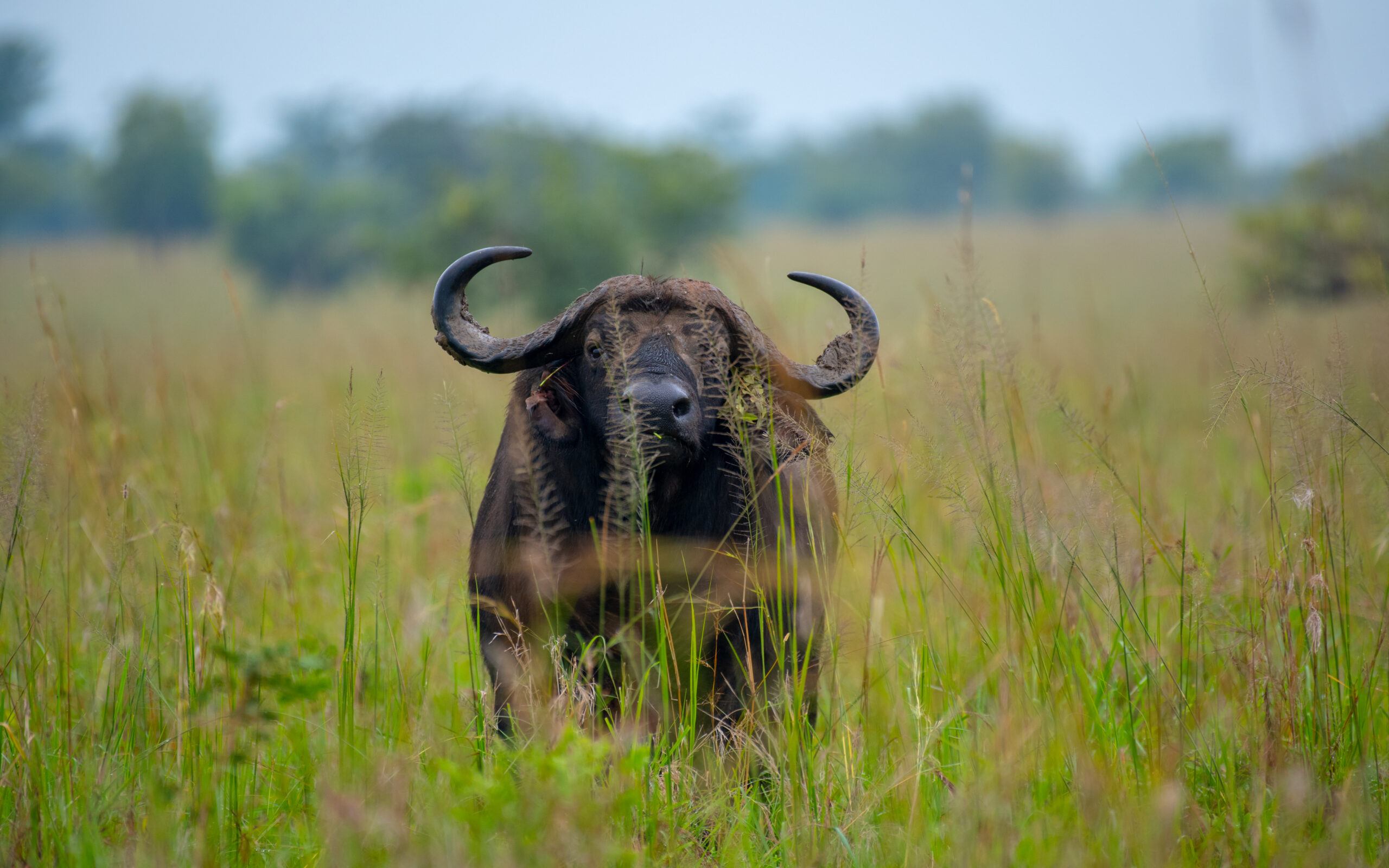
The park is known for large herds of buffaloes, elephants, giraffes, zebras and several antelope species. Lions and other predators like leopard and cheetah may also be seen. Kidepo is particularly appealing to travellers who want a quieter safari away from some of the more frequently visited parks.
Lake Mburo National Park
Lake Mburo National Park is a convenient destination for travellers moving between Kampala and southwestern Uganda. Its rolling hills, acacia woodland, lakes and open grasslands support zebras, impalas, elands, buffaloes, giraffes and other wildlife.
The park offers game drives, boat trips, birdwatching, guided nature walks and cycling experiences in designated areas. It is an excellent addition to a shorter Uganda safari.
- Take a Boat Cruise on the Nile River
A boat safari in Uganda offers a different perspective on wildlife and scenery. Rather than searching for animals from a safari vehicle, visitors can observe them from the water as the boat moves along the river or channel banks
Murchison Falls boat cruise
The boat trip along the Victoria Nile towards the base of Murchison Falls is one of the country’s signature experiences. Along the riverbanks, visitors may see hippos, Nile crocodiles, elephants, buffaloes and numerous waterbirds.
The cruise provides excellent opportunities for photography, particularly when animals come down to the water to drink. Visitors should follow the boat crew’s instructions and remain seated when required.
Kazinga Channel boat cruise
The Kazinga Channel connects Lake Edward and Lake George in Queen Elizabeth National Park. It supports a high concentration of hippos and attracts elephants, buffaloes and many bird species.
The boat cruise is particularly rewarding for birdwatchers and photographers because wildlife often gathers close to the water.
Jinja and the Source of the Nile
In Jinja, visitors can take boat excursions around the Source of the Nile and explore the river’s scenery. These trips can be combined with rafting, kayaking and other adventure activities.
- Visit the Top of Murchison Falls
Murchison Falls is one of Uganda’s most dramatic natural attractions. At this point, the River Nile is forced through a narrow gap in the rocks before plunging into the gorge below. The result is a powerful waterfall surrounded by mist, rock formations and lush vegetation.
Visitors can reach designated viewpoints through a guided visit. The walk offers opportunities to appreciate the force of the water and the surrounding landscape. The top-of-the-falls experience is best combined with a boat cruise, which allows visitors to see the falls from below and then explore the upper viewpoints.
The walk can involve uneven paths and exposed sections. Visitors should wear comfortable footwear, follow park instructions and avoid climbing beyond designated viewing areas.
- Go Birdwatching in Uganda
Uganda is a rewarding birdwatching destination because its habitats include forests, wetlands, lakeshores, savannah and mountains. Birders can search for forest specialists, waterbirds, raptors and the sought-after shoebill.
Mabamba Swamp
Mabamba Swamp, on the northern shore of Lake Victoria near Entebbe, is one of the best-known places to look for the shoebill. Visitors explore the wetland in a locally operated canoe with a knowledgeable birding guide.
Queen Elizabeth National Park
The park’s wetlands, crater lakes, savannah and woodland attract a wide variety of birds. The Kazinga Channel is particularly productive for waterbirds.
Kibale and Bwindi forests
These forests are excellent for forest birdwatching, including species associated with the Albertine Rift. Visitors interested in specialist birding should consider a dedicated guide rather than relying only on general safari drives.
Semuliki National Park
Semuliki protects lowland tropical forest and offers a distinctive birdwatching experience. Its location and habitats support species that are not easily found in Uganda’s highland forests.
Birdwatching can be enjoyed throughout the year, although rainfall, breeding seasons and the presence of migratory species influence what visitors may see.
- Experience Batwa Cultural Heritage
The Batwa are Indigenous forest communities whose history and traditional knowledge are closely connected to the forests of southwestern Uganda. Cultural experiences around Bwindi and Mgahinga provide opportunities to learn about forest life, traditional skills, storytelling, music and the relationship between communities and their environment.
The Batwa Trail in Mgahinga and community-led experiences near Bwindi are examples of activities visitors may encounter. These visits should be approached respectfully, with attention to the wishes and participation of the communities themselves.
A meaningful cultural visit is not simply a performance for tourists. It should provide an opportunity to learn, listen and understand the importance of community involvement in conservation and tourism.
- Explore Uganda’s Lakes and Water Experiences
Uganda’s lakes offer some of the country’s most beautiful scenery and opportunities for relaxation.
Lake Bunyonyi
Lake Bunyonyi, in southwestern Uganda, is known for its green hills, islands and peaceful atmosphere. Visitors can enjoy canoeing, boat trips, scenic viewpoints and relaxed stays at lakeside accommodation.
Lake Mutanda
Lake Mutanda lies near Kisoro and offers striking views of the Virunga volcanoes. It is a beautiful place to relax before or after gorilla trekking in Bwindi or Mgahinga.
Lake Victoria and the Ssese Islands
Lake Victoria is Africa’s largest lake by surface area. The Ssese Islands offer lakeside accommodation, boat excursions, fishing-related experiences and opportunities to unwind.
Other lakes
Lake Mburo, Lake Albert, Lake Edward and the crater lakes around Fort Portal add further variety to Uganda’s water landscapes. Activities depend on the location, operator and local safety conditions.
- Go White-Water Rafting and Enjoy Adventure Activities in Jinja
Jinja is one of Uganda’s leading adventure destinations. Located near the Source of the Nile, the town is a base for river activities and outdoor experiences.
Visitors can choose from white-water rafting, kayaking, boat excursions, horse riding, cycling and other guided adventures. The suitability of each activity depends on age, swimming ability, health, weather and the operator’s safety requirements.
White-water rafting in Jinja is particularly popular, but it is important to select an experienced operator that provides suitable safety equipment, trained guides and a clear safety briefing.
Jinja can be added to a Uganda safari at the beginning or end of a journey, especially for travellers arriving through Entebbe International Airport.
- Go Hiking and Mountain Climbing in Uganda
Uganda’s mountain landscapes offer some of East Africa’s most rewarding hiking opportunities.
Rwenzori Mountains National Park
The Rwenzori Mountains, sometimes called the Mountains of the Moon, contain dramatic peaks, glaciers, alpine vegetation and high-altitude landscapes. Trekking routes range from shorter nature walks to demanding multi-day expeditions.
Longer climbs require careful planning, suitable equipment, experienced mountain guides and time to acclimatise.
Mount Elgon National Park
Mount Elgon, on Uganda’s eastern border with Kenya, is an extinct volcano with a vast caldera, caves, waterfalls and forested slopes. Hiking routes vary in duration and difficulty.
Virunga volcanoes
Mgahinga Gorilla National Park offers opportunities to hike Mount Muhabura, Mount Gahinga and Mount Sabinyo. These hikes provide dramatic views across the Virunga landscape, although weather and trail conditions can affect the experience.
- Visit Sipi Falls
Sipi Falls is a series of waterfalls on the slopes of Mount Elgon in eastern Uganda. The surrounding landscape features green hills, farms, valleys and scenic viewpoints.
Guided walks allow visitors to explore the waterfalls and surrounding countryside. Depending on the operator and conditions, additional activities may include abseiling and coffee experiences.
Sipi Falls is a good destination for travellers who enjoy photography, hiking and rural scenery. It can be combined with a visit to Mount Elgon National Park or Pian Upe game reserve
- Discover Uganda’s Forests and Nature Reserves
Uganda’s forests provide some of the country’s most interesting nature experiences.
- Mabira Central Forest Reserve: A popular destination for forest walks, birdwatching and cycling.
- Budongo Forest Reserve: Known for chimpanzees and forest biodiversity near Murchison Falls.
- Bigodi Wetland Sanctuary: A community-managed wetland near Kibale, recognised for birdlife and primates.
- Semuliki National Park: Protects lowland tropical forest and is especially interesting for birdwatchers.
- Ziwa Rhino and Wildlife Ranch: Offers guided rhino tracking and is an important stop on some journeys between Kampala and Murchison Falls or Kidepo valley national park
Visitors should check access, activity availability and the relevant management arrangements before travelling.
- Discover Uganda’s Culture, History and Heritage
Uganda has a rich cultural landscape shaped by different kingdoms, communities, languages, traditions and historical experiences.
In Kampala, visitors can explore the Uganda Museum, traditional craft markets, places of worship and sites connected to Buganda heritage. The Kasubi Tombs are an important cultural and historical site associated with the Buganda Kingdom.
The King’s Palace and other heritage sites can offer insight into the country’s history, subject to visitor access arrangements.
Visitors can also experience traditional music, dance, food and crafts in different regions. Community visits are most rewarding when they are arranged respectfully and provide direct benefits to local people.
- Enjoy a Kampala City Tour
Kampala is Uganda’s capital and a lively introduction to the country’s urban culture. A city tour can include historical landmarks, markets, religious sites, museums and local food experiences.
Possible stops include:
- Uganda Museum, for an introduction to the country’s cultural and natural heritage.
- Kasubi Tombs, an important Buganda royal burial site.
- Bahá’í House of Worship, also known as Bahá’í temple is known for its architecture and gardens.
- Gaddafi National Mosque, subject to visitor access and dress requirements.
- Local markets and craft centres.
- Restaurants and cafés serving Ugandan dishes.
A city tour is useful for travellers with a free day before or after a safari. It can also help visitors understand the country’s history and contemporary life.
- Explore Uganda’s National Parks: Where to Go and What to Do
Each national park offers a different combination of landscapes and activities.
| National park | Best-known experiences |
| Bwindi Impenetrable National Park | Mountain gorilla trekking, forest walks, birdwatching and Batwa cultural experiences |
| Mgahinga Gorilla National Park | Gorilla trekking, golden monkey tracking, volcano hikes and Batwa Trail |
| Kibale National Park | Chimpanzee tracking, chimpanzee habituation and forest walks |
| Queen Elizabeth National Park | Game drives, Kazinga Channel boat safari, birdwatching and Kyambura Gorge |
| Murchison Falls National Park | Game drives, Nile boat cruises, Murchison Falls viewpoints and birdwatching |
| Kidepo Valley National Park | Remote savannah safaris, wildlife viewing and cultural experiences |
| Lake Mburo National Park | Game drives, boat trips, nature walks, birdwatching and cycling |
| Mount Elgon National Park | Hiking, waterfalls, caves and mountain scenery |
| Rwenzori Mountains National Park | Mountain trekking and alpine landscapes |
| Semuliki National Park | Lowland forest birdwatching, nature walks and hot springs |
- Best Time to Visit Uganda for Different Activities
Uganda can be visited throughout the year, but the best time depends on the activities you want to enjoy.
The drier periods, commonly around December to February and June to September, are often preferred for wildlife viewing and trekking because trails and some roads may be easier to navigate. However, rain can occur at any time, particularly in rainforest environments.
Gorilla and chimpanzee tracking take place throughout the year. Forest trails may be muddy and slippery during wetter periods, but the forest remains rewarding in every season.
For savannah wildlife viewing, drier conditions can make animals easier to spot around water sources and in shorter grass. Birdwatchers may enjoy wetter months when resident species are breeding and migratory birds are present.
Travellers should not assume that a particular month guarantees specific wildlife sightings. Wildlife moves naturally, and weather patterns vary from year to year.
- Uganda Safari Costs: Permits, Park Fees and Activities
The cost of a Uganda holiday depends on the activities, accommodation, transport, group size and visitor category. Gorilla and chimpanzee permits are among the largest individual activity expenses.
The Uganda Wildlife Authority publishes conservation tariffs for protected areas and activities. Its January 2027–June 2028 tariff includes the following planning figures for selected activities:
| Activity | Foreign non-resident | Foreign resident | Rest of Africa | East African citizen |
| Gorilla tracking | US$800 | US$700 | US$500 | UGX 300,000 |
| Gorilla habituation experience | US$1,800 | US$1,500 | US$1,000 | UGX 750,000 |
| Chimpanzee tracking in Kibale | US$250 | US$200 | US$100 | UGX 180,000 |
| Chimpanzee tracking in Kyambura Gorge | US$240 | US$180 | US$125 | UGX 70,000 |
| Batwa Trail in Mgahinga | US$80 | US$70 | Check applicable category | UGX 50,000 |
The tariff also lists selected park-specific charges, game drive guide fees, boat trips, nature walks and other activities. These are not all-inclusive safari prices. Transport, accommodation, meals, private guiding, vehicle costs and any additional park fees may be separate.
Important: The Uganda Wildlife Authority states that tariffs may change without prior notice. The table is a planning guide, not a quotation. Confirm the applicable rates and visitor category for the actual travel date before paying for a trip.
A useful way to budget is to separate the trip into five components:
- Permits and protected-area activity fees.
- Accommodation and meals.
- Private safari vehicle and driver-guide.
- Transfers, domestic flights and other transport.
- Additional experiences, tips and personal expenses.
- How to Travel Around Uganda
Most international visitors arrive through Entebbe International Airport. From there, travellers can begin a safari by road or arrange a domestic flight to an airstrip closer to their destination.
Road travel is a popular way to explore Uganda because it allows visitors to experience the countryside and combine several destinations. A private 4-wheel-drive safari vehicle is particularly useful for longer journeys and game drives.
Domestic and charter flights can reduce travel time to remote destinations, including some western and northern parks. Flight availability, baggage limits and schedules should be checked before confirming accommodation.
Travel times can be affected by road conditions, weather, traffic and the location of the lodge. It is better to plan realistic transfer days than to try to visit too many parks in a short holiday.
- Sample Uganda Itineraries
The following sample itineraries show how different experiences can be combined. They are planning examples; the final route should be adjusted for permit availability, arrival times, accommodation and travel preferences.
3-Day Uganda Gorilla Trekking Safari
- Day 1: Travel from Entebbe or Kampala to Bwindi Impenetrable National Park.
- Day 2: Gorilla trekking experience, followed by time to relax at the lodge.
- Day 3: Return journey or onward transfer to another destination.
4-Day Gorilla and Golden Monkey Safari
- Day 1: Travel to Mgahinga Gorilla National Park.
- Day 2: Mountain gorilla trekking.
- Day 3: Golden monkey tracking or a guided cultural experience.
- Day 4: Return to Entebbe or continue to another destination.
5-Day Chimpanzee and Wildlife Safari
- Day 1: Travel to Kibale National Park.
- Day 2: Chimpanzee tracking and a community or nature experience.
- Day 3: Transfer to Queen Elizabeth National Park.
- Day 4: Game drive and Kazinga Channel boat cruise.
- Day 5: Return journey.
7-Day Uganda Wildlife Safari
- Day 1: Arrive in Entebbe and transfer to your hotel.
- Day 2: Travel to Murchison Falls National Park.
- Day 3: Game drive and Nile boat cruise.
- Day 4: Visit the top of Murchison Falls and transfer towards Kibale.
- Day 5: Chimpanzee tracking.
- Day 6: Travel to Queen Elizabeth National Park for a game drive.
- Day 7: Return to Entebbe or continue with an extension.
10-Day Best of Uganda Safari
- Days 1–2: Murchison Falls National Park, including a game drive and boat cruise.
- Days 3–4: Kibale National Park for chimpanzee tracking and forest experiences.
- Days 5–6: Queen Elizabeth National Park for game drives and the Kazinga Channel.
- Days 7–8: Bwindi Impenetrable National Park for mountain gorilla trekking.
- Day 9: Lake Mburo or Lake Bunyonyi for relaxation.
- Day 10: Return to Entebbe.
- Why Plan Your Uganda Experiences with Salt Holidays?
Choosing the right activities is only one part of planning a successful Uganda holiday. The order of destinations, permit availability, accommodation location, road transfers and activity schedules all influence the experience.
Salt Holidays plans bespoke Uganda gorilla trekking tours, chimpanzee tracking trips, wildlife safaris, birding holidays and cultural journeys. The company’s Uganda-based team can help travellers match their interests, budget and available time with an appropriate route.
Salt Holidays’ Uganda safari collection includes gorilla trekking, chimpanzee tracking, Murchison Falls, classic Uganda safaris and longer wildlife journeys. Travellers can explore the company’s Uganda safari options and request a tailor-made itinerary.
Start planning your Uganda holiday with Salt Holidays. Share your preferred travel dates, number of travellers, interests and approximate budget. The team can help you plan a journey that combines the right activities, parks and accommodation.
Frequently Asked Questions About Things to Do in Uganda
What are the best things to do in Uganda?
Some of the best things to do in Uganda include mountain gorilla trekking in Bwindi Impenetrable National Park, chimpanzee tracking in Kibale National Park, wildlife safaris in Queen Elizabeth and Murchison Falls national parks, boat cruises, birdwatching, hiking, white-water rafting in Jinja and cultural experiences.
What is Uganda famous for?
Uganda is famous for mountain gorillas, chimpanzees, the River Nile, Murchison Falls, its national parks, birdlife, scenic lakes and diverse cultures. It is also known as the Pearl of Africa.
Where can I see mountain gorillas in Uganda?
Mountain gorilla trekking takes place in Bwindi Impenetrable National Park and Mgahinga Gorilla National Park. Visitors need a valid permit and must follow the park’s trekking rules.
Where can I track chimpanzees in Uganda?
Kibale National Park is one of the best-known destinations for chimpanzee tracking. Other options include Kyambura Gorge in Queen Elizabeth National Park and authorised activities in Budongo Forest.
Can I see the Big Five in Uganda?
Uganda offers opportunities to see lions, leopards, elephants, buffaloes and rhinoceroses. Sightings depend on the park, route, season and wildlife movements. Rhino tracking is available at designated sites, including Ziwa Rhino and Wildlife Ranch, subject to its current visitor arrangements.
What is the best national park in Uganda?
There is no single best park for every visitor. Bwindi is ideal for gorilla trekking, Kibale for chimpanzees, Queen Elizabeth for varied wildlife and boat trips, Murchison Falls for the Nile and savannah wildlife, and Kidepo for remote wilderness.
How many days do I need in Uganda?
A short gorilla trekking trip may take three days, while a more varied safari often needs seven to ten days. Visitors who want to explore several parks, add cultural activities or include mountain trekking should consider a longer holiday.
What is the best time to visit Uganda?
Uganda is a year-round destination. Drier periods are often preferred for game drives and trekking, but wildlife and primate experiences are available throughout the year. Rainforest conditions can change quickly.
Is Uganda suitable for a family holiday?
Yes. Uganda offers family-friendly wildlife, nature and cultural experiences, but some activities have minimum age requirements. Gorilla and chimpanzee tracking have specific age restrictions, so families should select activities and accommodation carefully.
Do I need a guide for Uganda’s national parks?
A professional guide is strongly recommended for most safari experiences. Some activities require authorised guides or rangers, and guided travel can improve wildlife interpretation, safety and route planning.
Can I combine Uganda and Rwanda?
Yes. Uganda and Rwanda can be combined in one East African holiday. Popular combinations include gorilla trekking in one country and chimpanzee tracking or wildlife safaris in the other. Border crossing arrangements and travel times should be considered when planning the route.
What should I pack for Uganda?
Pack comfortable neutral-coloured clothing, sturdy walking shoes, a light waterproof jacket, long trousers, insect repellent, sun protection, a hat, personal medication and a small daypack. Gorilla and chimpanzee trekking require clothing that protects against vegetation and muddy trails.
Conclusion: Discover the Best of Uganda with Salt Holidays
Uganda offers far more than one signature attraction. Its forests provide unforgettable primate encounters, its savannah parks offer rewarding wildlife safaris, its rivers and lakes create opportunities for boat trips and adventure, and its mountains and communities reveal another side of the country.
The best Uganda holiday is one that balances travel time with the experiences that matter most to you. Whether you want to trek mountain gorillas, follow chimpanzees, see elephants and lions, explore the River Nile or discover Uganda’s cultural heritage, thoughtful planning can make the journey more rewarding.
Let Salt Holidays help you plan your Uganda experience. Explore the Uganda safari collection or contact the team to discuss a tailor-made itinerary.
Related Posts