Best Hiking Destinations in Uganda Uganda's nickname, the Pearl of Africa, gets used for its…
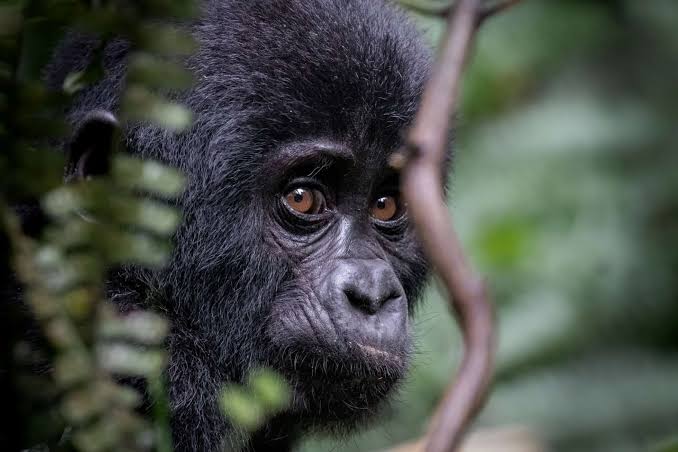
50 Amazing Facts About Mountain Gorillas
50 Amazing Facts About Mountain Gorillas That Will Surprise You
Most “facts about gorillas” lists online recycle the same ten points, with wrong weight figures included, without much thought for whether the information is current or accurate. We put this list together for our own guests preparing for a trek, pulling from actual field guide knowledge, ranger briefings, and published conservation research rather than repeating whatever already ranks on page one of a search result.
Whether you are trekking next month or simply curious about one of the most remarkable animals left on the planet, these fifty facts cover biology, behavior, conservation history, and the practical realities of life in the Virunga and Bwindi forests.
We have grouped them by theme rather than as a single unsorted list, since biology, behavior, and conservation history each answer a different kind of curiosity, and grouping them makes the whole guide easier to use as a reference before or after your own trek.
Should You Read This Before Your Trek?
Short answer: yes, understanding gorilla behavior and biology beforehand genuinely changes what you notice and appreciate during your one hour with a habituated family.
Guests who arrive at the trailhead already knowing why a silverback beats his chest, why juveniles nest differently from adults, or how rangers actually identify individual gorillas tend to ask better questions and notice more during their trek than guests going in cold. This is not required reading, but it meaningfully improves the experience.
Basic Biology and Classification
- Mountain gorillas are a subspecies, classified as Gorilla beringei beringei, distinct from the lowland gorilla subspecies found elsewhere in Central Africa.
- They are the largest living primates, with adult silverback males weighing up to roughly 195 kilograms in the wild, considerably more than any other primate species.
- Mountain gorillas have thicker fur than lowland gorillas, an adaptation to the cold, high-altitude forest environments they inhabit, often above 2,000 meters.
- Adult males are called silverbacks, named for the distinctive patch of silver-grey hair that develops across their back and hips at maturity, typically from around twelve years old.
- Gorillas share approximately 98 percent of their DNA with humans, making them one of our closest living relatives alongside chimpanzees and bonobos.
- A gorilla’s arm span can exceed its standing height significantly, an adaptation suited to their partially arboreal juvenile years and quadrupedal ground movement as adults.
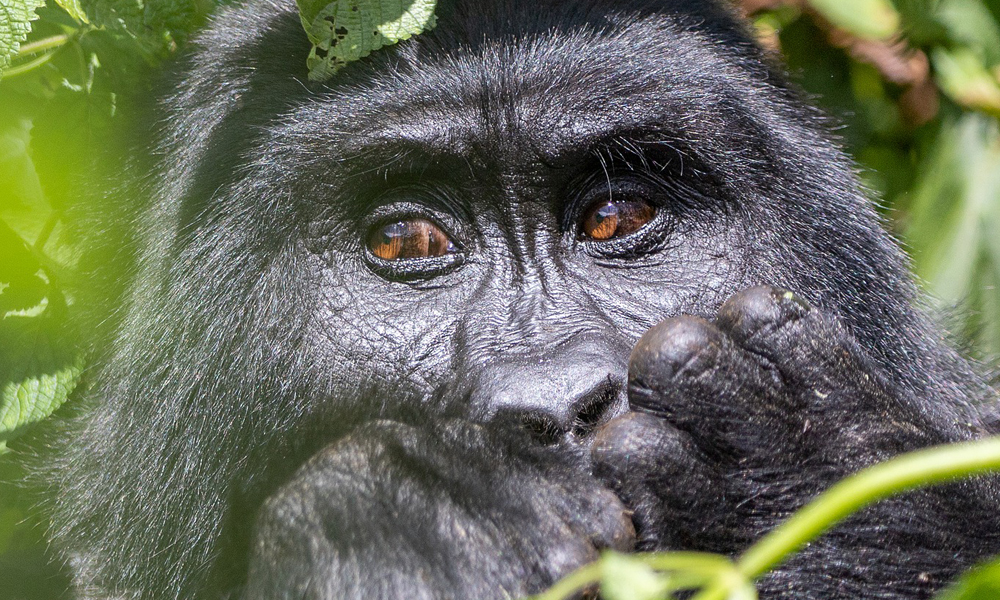
- Mountain gorillas have a distinctive nose print unique to each individual, similar to a human fingerprint, and rangers use these prints, alongside scars and other markings, for identification.
- They walk primarily using knuckle-walking, supporting their upper body weight on their knuckles rather than their palms while moving on all fours.
- Mountain gorillas typically live 35 to 40 years in the wild, with some individuals recorded living longer under stable, well-protected conditions.
- Unlike some primates, mountain gorillas cannot swim and generally avoid deep water, tending to navigate around rather than through streams and rivers in their territory.

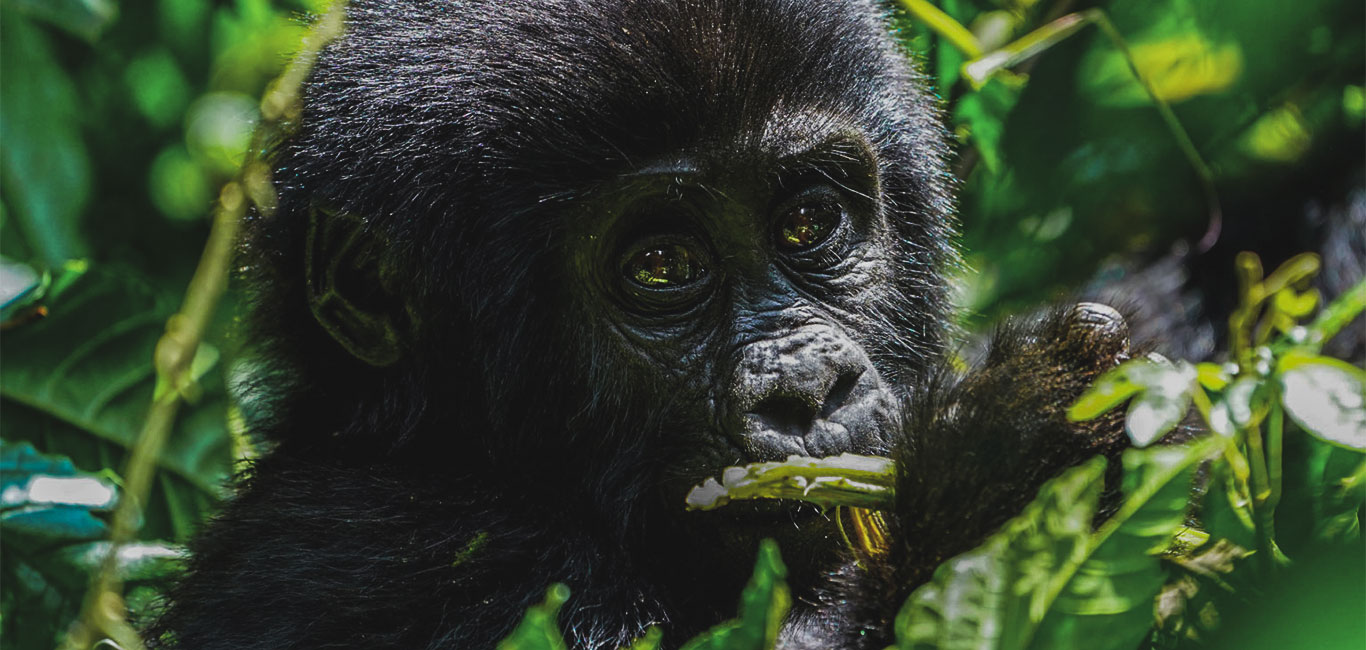
Mountain Gorilla
Diet and Daily Life
- Mountain gorillas are almost entirely herbivorous, with their diet consisting overwhelmingly of leaves, stems, shoots, and bamboo, supplemented occasionally with fruit when seasonally available.
- An adult male can eat over 18 kilograms of vegetation in a single day, reflecting both their large body size and the relatively low caloric density of their plant-based diet.
- Gorillas rarely need to drink standing water, obtaining most of their moisture directly from the vegetation they consume.
- They build a fresh nest every single night, constructed from bent and folded vegetation, and rarely reuse the same nest site on consecutive nights.
- Juveniles often nest in trees, while adults, particularly heavier silverbacks, nest on the ground, a division driven largely by weight and branch-bearing capacity.
- Gorilla groups move relatively short distances daily, often less than a kilometer, since their high-fiber diet does not require covering large territories to find sufficient food.
- Midday rest periods are common, with family groups often resting, grooming, and socializing for one to two hours around midday before resuming feeding.
- Gorillas are generally most active in the early morning and late afternoon, which is part of why treks are scheduled to reach them during these windows.
- Bamboo shoots are a seasonal favorite, and gorilla groups will sometimes shift their range specifically to access fresh bamboo growth when it becomes available.
- Gorillas occasionally eat soil or tree bark, believed to provide supplementary minerals not otherwise available in their standard vegetation diet.
Social Structure and Behavior
- A typical gorilla family group ranges from 5 to 30 individuals, led by a single dominant silverback, though some habituated groups in Virunga have been recorded with unusually large multi-silverback structures.
- The dominant silverback makes all major group decisions, including when and where the group moves, feeds, and rests.
- Chest-beating is a communication display, not primarily an aggressive threat, often used to express excitement, assert location to other groups, or de-escalate tension without physical confrontation.
- Young males eventually leave their birth group, typically becoming solitary “lone silverbacks” for a period before attempting to attract females and establish a new group of their own.
- Female gorillas may transfer between groups multiple times during their lives, a behavior thought to reduce inbreeding within the wider population.
- Gorillas communicate using at least 25 distinct vocalizations, including grunts, barks, hoots, and screams, each associated with different social contexts.
- Grooming plays an important social bonding role, though less intensively than in some other primate species, given gorillas’ relatively low-parasite thick fur.
- Silverbacks will physically place themselves between their family and a perceived threat, including tourists on a trek, which is part of why rangers maintain strict distance guidelines during viewing.
- Play behavior among juveniles closely resembles human children’s play, including chasing, wrestling, and mock aggression that helps develop social and physical skills.
- Gorillas display recognizable individual personalities, observed consistently enough by long-term researchers that habituated individuals are often described as curious, cautious, playful, or dominant in temperament.
Reproduction and Family Life
- Female gorillas typically give birth to a single infant after a pregnancy of roughly 8.5 months, close to human gestation length.
- Infant gorillas are entirely dependent on their mothers for the first several months, unable to support their own weight or move independently.
- Gorillas typically give birth only once every four to six years, one of the slowest reproductive rates among primates, which is part of why population recovery takes decades rather than years.
- Infant mortality in the wild remains significant, with disease, accidents, and occasionally infanticide during group leadership changes among the natural pressures habituated groups still face despite protection.
- Young gorillas are typically weaned around three years old, though they may continue sleeping in their mother’s nest somewhat longer.
- Silverbacks often show notable tolerance and even tenderness toward infants, including gentle play, uncommon among many other large mammal species.
Conservation History and Status
- Mountain gorillas were first formally described to Western science in 1902 by a German officer, Captain Robert von Beringe, though local communities had of course known of them for far longer.
- The population was estimated at fewer than 700 individuals as recently as the early 2000s, reflecting decades of habitat loss, poaching, and civil conflict across the Virunga region.
- Mountain gorillas are the only great ape subspecies with a growing wild population, now estimated at just over 1,000 individuals, credited largely to intensive conservation and tourism revenue programs.
- Dian Fossey’s research, beginning in 1967, dramatically increased global awareness of mountain gorilla conservation, and her research base at Karisoke remains a significant site in conservation history.
- Mountain gorillas exist in only two isolated populations worldwide: one in the Virunga Massif spanning Uganda, Rwanda, and DR Congo, and a separate population in Uganda’s Bwindi Impenetrable Forest.
- Bwindi national park gorilla population is sometimes debated as a distinct sub-population, given its geographic separation from the Virunga Massif group, though it is classified within the same subspecies.
- Snare-related injuries remain an ongoing threat, with rangers conducting regular anti-poaching patrols specifically to locate and remove snares set for other forest animals that can still injure gorillas.
- Human disease transmission is a conservation concern, since gorillas share enough genetic similarity with humans to be susceptible to many human respiratory illnesses, which is why sick visitors are asked not to trek and mask use is sometimes required.
- Tourism revenue directly funds the majority of mountain gorilla conservation work, including ranger salaries, veterinary care, and community revenue-sharing programs credited with the population’s recovery.
Trekking and Viewing Facts
- Only one group of a maximum of eight visitors is permitted to view each habituated family per day, for exactly one hour, a rule designed to minimize stress and disease exposure risk to the gorillas.
- Trackers leave before dawn to locate each family’s overnight position, allowing your guide to plan the most direct route once your trek begins.
- A minimum viewing distance of seven metres is generally enforced, though gorillas themselves are not bound by this rule and sometimes approach visitors closer of their own accord.
- **49. Habituation, the process of acclimatising a wild gorilla family to human presence, typically takes two to three years of daily contact by dedicated trackers before a group is ready for tourism.
- Fewer than half of the world’s mountain gorillas are habituated for tourism viewing at all, with a significant portion of the population left entirely undisturbed and monitored only for research and protection purposes.
Common Myths Worth Correcting
A few persistent misconceptions about mountain gorillas show up often enough in casual conversation that they are worth addressing directly, since believing them can actually affect how prepared you feel for your own trek.
- Myth: Gorillas are inherently aggressive toward humans. In reality, habituated gorillas are generally calm and tolerant of visitor presence, and defensive displays are almost always a response to a specific perceived threat or a startled reaction rather than unprovoked aggression.
- Myth: King Kong-style size and ferocity reflect real gorilla behaviour. Popular culture has significantly distorted public perception of gorilla temperament; real silverbacks are powerful but are fundamentally calm, family-oriented animals that spend the overwhelming majority of their day feeding, resting, and socialising rather than displaying aggression.
- Myth: All gorillas are the same species. Gorillas are divided into two species, eastern and western gorillas, each further split into subspecies, of which the mountain gorilla is one specific, geographically isolated example.
- Myth: Gorilla trekking is primarily about photography. While photography is a natural part of the experience, park rules restrict flash photography specifically because it can startle or distress the animals, and the more valuable part of the hour is genuinely the direct behavioural observation rather than the photographs themselves.
Why These Facts Matter for Your Trip
Beyond satisfying curiosity, several of these facts have practical implications for anyone planning a trek. Understanding the disease transmission risk explains why you will be asked about your health before trekking and why sick visitors are turned away, sometimes to guests’ initial frustration until they understand the reasoning.
Knowing that gorillas nest fresh every night and move only short distances daily explains why trackers can locate a family relatively efficiently each morning despite the dense forest terrain.
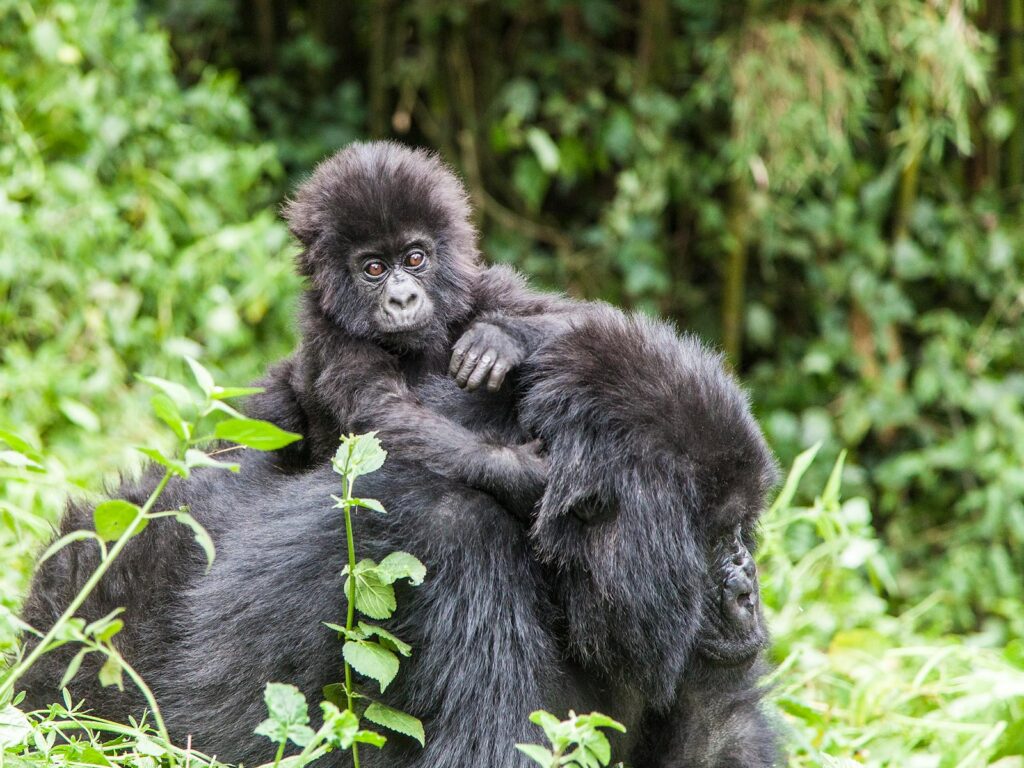
And understanding just how slow gorilla reproduction is puts the population recovery from under 700 to just over 1,000 individuals into proper context, a genuinely remarkable conservation achievement given the species’ biology works against fast recovery.
Frequently Asked Questions
How many mountain gorillas are left in the world?
The most recent population estimates put the total at just over 1,000 individuals across both the Virunga Massif and Bwindi populations, a figure that has grown steadily from under 700 in the early 2000s.
Can mountain gorillas survive in captivity?
No mountain gorillas currently live in captivity anywhere in the world. All conservation and viewing programmes involve wild, free-ranging populations in their natural habitat.
Do mountain gorillas attack humans?
Genuine attacks on trekkers are extremely rare, particularly with habituated groups accustomed to guided visitor presence. Silverbacks may perform warning displays, such as chest-beating or a mock charge, if startled or if visitors violate distance guidelines, which is why following ranger instructions closely is essential.
How is a gorilla family assigned a name?
Habituated families are typically named by park authorities, researchers, or occasionally through community-linked naming ceremonies, often reflecting a notable characteristic, location, or significant individual within the group.
What is the difference between mountain gorillas and lowland gorillas?
Mountain gorillas have thicker fur suited to cooler, higher-altitude habitats and are found only in the Virunga Massif and Bwindi regions, while lowland gorillas, both eastern and western subspecies, inhabit lower-altitude forest across a wider range of Central African countries and have a somewhat different diet and social structure.
Bringing These Facts Into Your Trip
Knowing these fifty facts will not change the terrain difficulty or the permit cost of your trek, but it will change how you experience the hour you spend with the family once you reach them, turning what could be a purely visual encounter into a genuinely informed one.
Rangers are generally happy to expand on any of these points during your trek, and arriving with a foundation of accurate background knowledge tends to lead to a richer, more specific conversation on the trail rather than generic small talk.
Related Posts