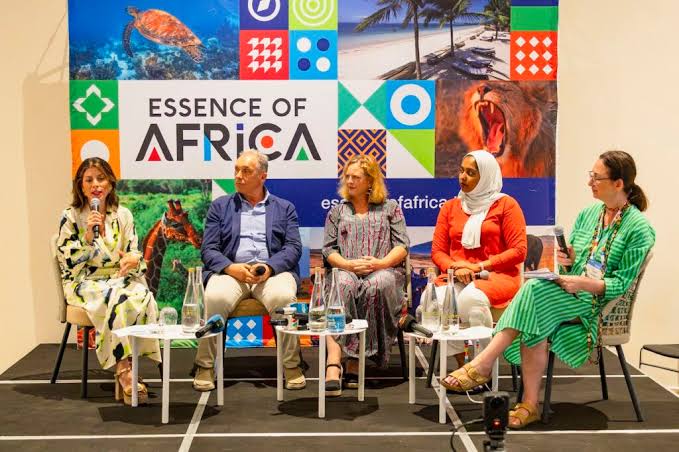
Essence of Africa 2026 in Zanzibar Essence of Africa is a trade forum, which means…
Group Joining Safaris vs Private Safaris
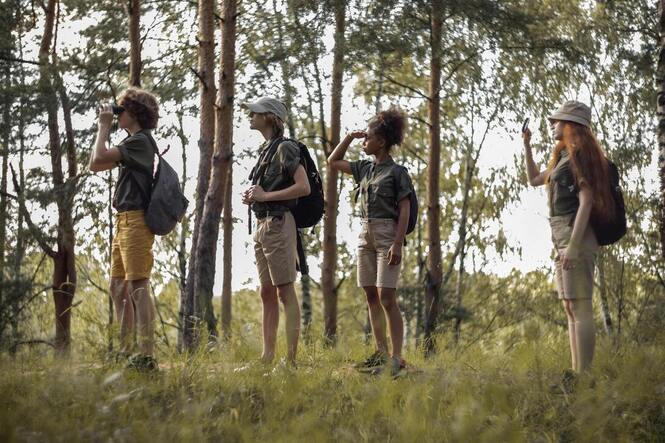
Group Joining Safaris vs Private Safaris
The choice between group joining safaris vs private safari is the most consequential decision in planning an East Africa trip. It affects your daily cost, how much wildlife you see, whether you can linger at a leopard sighting or must move on with the group, and even how many bags you’re able to bring.
Most comparison articles recycle the same handful of bullet points without showing the actual numbers, so this guide works through the real 2026 pricing and the genuine trade-offs behind each option.
Neither format is objectively better. A group joining safari puts you in a shared vehicle with strangers on fixed dates and routes, saving significant money for travelers willing to share. A private safari gives your own party exclusive use of a vehicle and guide with full itinerary flexibility, at a correspondingly higher price. The right choice depends on your budget, group size, travel style, and even the season you’re travelling in.
What a Group Joining Safari Actually Is
A group joining safari places you in a shared 4×4, typically a Toyota Land Cruiser with a pop-up roof, alongside other travellers you’ve never met, following a fixed itinerary on set departure dates with a single professional driver-guide. You’ll share transport, guiding, and often accommodation costs with the rest of the group, which significantly lowers your per-person price compared with hiring the same vehicle exclusively.
For Kenya specifically, 2026 group joining rates run roughly $850 to $1,150 per person for a 3-day Masai Mara trip, up to $1,950 to $2,500 per person for a full 7-day circuit. The saving is substantial: a group of six sharing a $295 daily vehicle cost pays roughly $49 per person, against $147.50 per person for a couple splitting the same vehicle privately, a difference that compounds across every day of the trip.
What a Private Safari Actually Is
A private safari gives your party, whether that’s one person or a family of eight, exclusive use of a vehicle and guide, with complete control over pace, route, and daily schedule. Pricing generally starts around $350 per person per day, and a comparable 5-day Kenya safari for two people runs roughly $2,800 to $4,500 per person, considerably more than the equivalent group joining option, but with none of the compromises that come from sharing decisions with strangers.
One important detail: the more people in your private group, the lower the per-person cost becomes, much like carpooling, since the fixed vehicle and guide cost splits across more travellers. At four or more people, private safari costs start to approach group joining rates per person, meaningfully narrowing the price gap for families or groups of friends travelling together.
The Genuine Trade-Offs Beyond Price
Group joining safaris suits first-time travellers wanting a structured, reliable introduction to African travel, solo travellers and couples on a budget, and anyone drawn to the social element of meeting fellow travellers from around the world.
That social element, however, is honestly a coin flip: six strangers sharing a vehicle for nine hours a day sometimes produces friendships that last decades and sometimes produces a quiet, polite tension nobody quite acknowledges.
The trade-off is real: less flexibility, you follow the group’s pace rather than your own, and you can’t simply ask the driver to linger an extra twenty minutes at a sighting everyone else is ready to leave.
Private safaris suit photographers and birders specifically, since nobody rushes you when you’re waiting for the perfect shot or a specific species, alongside honeymooners, returning guests who know exactly what they want, and families wanting a flexible, unhurried pace throughout.
A Seasonal Constraint Many Travellers Overlook
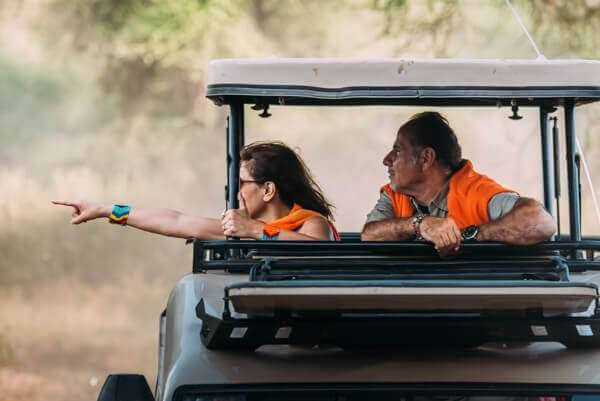
Group joining safaris in Tanzania are generally available only on select dates during peak and shoulder seasons, June through October and December through February. If you’re planning to travel during the green season, March through May or November, group joining departures may not exist at all, meaning green-season travellers effectively must book private regardless of budget preference.
Checking departure availability against your specific travel dates before committing to a budget assumption is worthwhile.
A Warning Worth Knowing
One experienced operator who stopped offering joining safaris shared a pointed warning: anyone offering solo travellers or couples a safari for under $200 a day is effectively running a joining safari, whether they advertise it that way or not, since no legitimate operator can offer a private, exclusive vehicle at that price point.
Understanding this helps you evaluate quotes honestly; if a “private” safari is priced suspiciously close to group joining rates, it’s worth asking directly whether the vehicle will be exclusive to your party.
Small Group Safaris:
Between fully private and open group joining sits the small-group safari, typically four to twelve guests travelling together in a purpose-built vehicle, led by one expert guide, intimate enough for real connection but social enough to share the experience.
These generally run $2,500 to $6,000 per person for a week, against $5,000 to $10,000 or more for a fully private equivalent, and critically, most small-group departures are guaranteed rather than cancelled for low numbers, run fixed itineraries with vetted lodges, and include an expert guide throughout, removing much of the genuine uncertainty that comes with open group joining.
Cost Comparison at a Glance
| Format | Typical Cost (7-day Kenya) | Best Suited To |
| Group joining | $1,950-2,500 per person | Budget-conscious solo travellers, first-timers |
| Small group (4-12 guests) | $2,500-6,000 per person | Balance of value and personal attention |
| Private | $5,000-10,000+ per person | Photographers, honeymooners, families, full flexibility |
How to Decide
Start with your genuine priorities rather than price alone. If budget is the deciding factor and you’re travelling solo or as a couple, group joining delivers real savings without sacrificing the core wildlife experience.
If you’re a photographer, birder, or simply someone who values control over pace and privacy, private is worth the premium. And if you want a middle path, guaranteed departures, vetted lodges, and a social but still intimate group, a small-group safari often represents the smartest overall value for travellers not firmly committed to either extreme.
Frequently Asked Questions
How much cheaper is a group joining a safari than a private one?
significant, typically 30-50% less. A group of six sharing a vehicle might pay roughly $49 per person daily for the vehicle cost, against $147.50 per person for a couple splitting the same vehicle privately.
Can I book a group joining safari during the green season?
Not always. Group joining departures in Tanzania are generally limited to peak and shoulder seasons (June-October, December-February), meaning green-season travellers (March-May, November) often must book private regardless of budget.
Is a private safari worth it for photographers?
Yes, genuinely. A private safari means nobody rushes you when waiting for a specific shot or species, a real advantage over a group joining safari where the vehicle moves on when the majority of passengers are ready.
What is a small-group safari, and how does it compare?
A small-group safari typically runs 4-12 guests in a purpose-built vehicle with one expert guide, priced between $2,500-6,000 per person for a week, more affordable than private but more personal than open group joining.
Does group size affect the cost of a private safari?
Yes. Private safari costs are shared across your own party, so larger private groups (four or more) see per-person costs approach group joining rates, narrowing the price gap considerably.
Related Posts