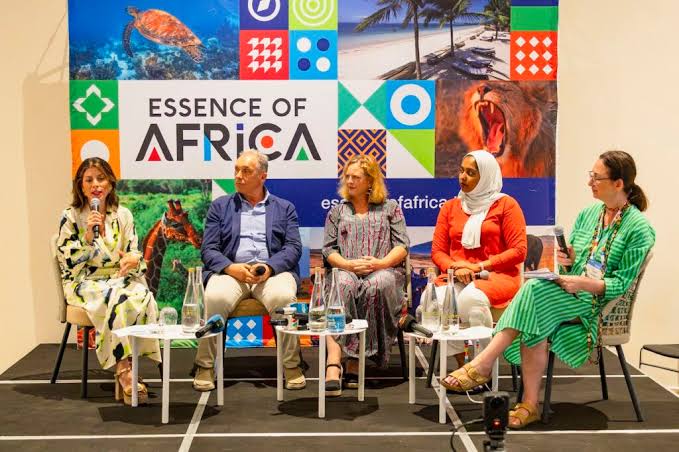
Essence of Africa 2026 in Zanzibar Essence of Africa is a trade forum, which means…
10 Best Family Safaris in East Africa
10 Best Family Safaris in East Africa; A family safari is, done well, the kind of trip that reshapes a child’s understanding of the natural world, a formative encounter with wildlife and wilderness that no classroom, documentary, or zoo can replicate.
Done poorly, it becomes an expensive exercise in parental anxiety and an exhausted five-year-old’s meltdown at dawn. The good news: the variables that determine which outcome you get, destination, camp, timing, minimum age policy, and group configuration, are all controllable with the right information.
As a travel consultant specializing in family trips, here are ten of the strongest family safari destinations and lodges across East Africa, organized to help you match the right experience to your children’s specific ages.
Understanding Age Rules Before You Plan Anything Else
There is no universal legal minimum age for an African safari; individual camps and lodges set their own policies, and access depends on the specific property, vehicle arrangement, and activity chosen.
Most safari camps enforce a minimum age of five or six years old, and many luxury lodges raise that bar to twelve, restrictions rooted in national park regulations, wildlife safety protocols, and the practical realities of open-vehicle game drives, rather than arbitrary marketing decisions.
A growing number of premium, family-designed camps across Kenya and Tanzania now actively welcome children under six, with dedicated childcare staff, fenced perimeters, and flexible schedules built specifically around younger children’s needs. Always confirm the exact policy for every property on your specific route in writing before booking, since rules vary considerably even between properties in the same park.
- Masai Mara, Kenya (Ages 8 and Up)
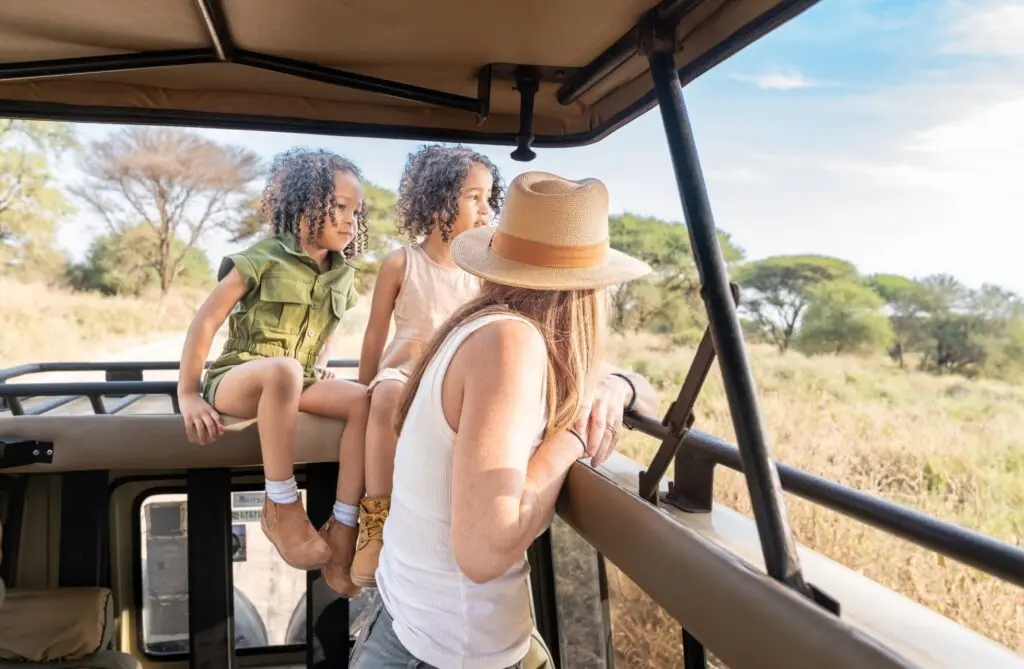
Kenya’s Masai Mara is where most East Africa family safaris begin, and for good reason: the park’s high concentration of the Big Five, alongside the drama of the Great Migration between July and October, delivers thrilling, easily digestible wildlife viewing that children can engage with immediately. Sarova Lion Hill Game Lodge offers comfortable family cottages, a playground, and a dedicated kids’ pool, while Lake Nakuru Sopa Lodge, nearby, provides beautiful hilltop views and wide-open spaces for children to explore safely.
- Kenya’s Private Conservancies (Flexible, Any Age With a Private Vehicle)
Kenya’s private conservancies, Olare Motorogi, Naboisho, and Mara North among them, offer flexibility for family bookings, with several properties setting no minimum age at all when a private vehicle or exclusive-use villa is booked. This flexibility, combined with lower vehicle density and more relaxed, adaptable scheduling than the busier national reserve, makes the conservancies a strong choice for families with a wide age range travelling together.
- Amboseli National Park, Kenya (All Ages)
Amboseli’s dramatic Kilimanjaro backdrop and large, reliably visible elephant herds make it a rewarding, low-stress destination for families with younger children, since sightings here tend to be close, frequent, and easy to spot without requiring lengthy, patience-testing waits.
- Tanzania’s Northern Circuit (Ages 6-12, With Planning)
Tanzania’s Serengeti and Ngorongoro Crater offer iconic, world-class wildlife viewing, but require more careful pacing and malaria precautions for families than some alternative destinations. Four Seasons Safari Lodge Serengeti stands out specifically for families given its free kids’ club, engaging Discovery Centre, and villa configurations sleeping up to four, welcoming children from age two.
- Lake Manyara National Park, Tanzania (All Ages)
Lake Manyara’s compact size, gentle boat-based and vehicle-based activities, and the andBeyond Lake Manyara Tree Lodge’s dedicated WILDChild programme, tracking smaller wildlife, bird recognition, cooking lessons, butterfly walks, make this a strong, lower-stamina alternative for families with younger children not quite ready for the Serengeti’s longer game drives.
- Tarangire National Park, Tanzania (All Ages)
Tarangire’s huge elephant herds and dramatic baobab-studded landscape deliver reliable, visually striking wildlife viewing that consistently captures children’s attention, and Elewana Tarangire Treetops’ elevated, playful treehouse-style suites add a real sense of adventure that younger travelers particularly respond to.
- Rwanda: Golden Monkey Trekking for Younger Teens
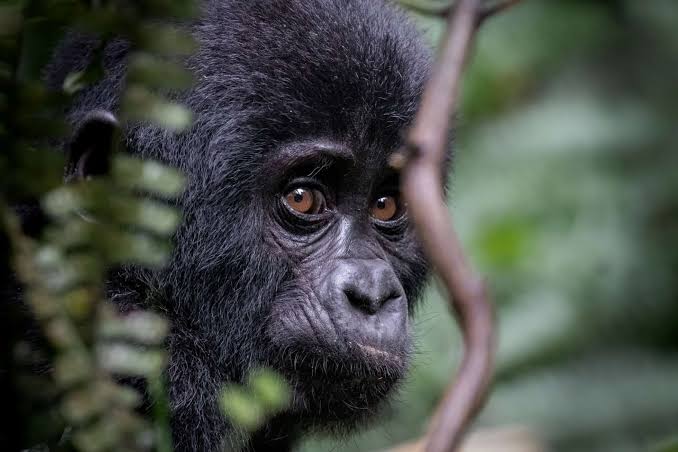
While mountain gorilla trekking carries a strict fifteen-year minimum age across both Rwanda and Uganda, golden monkey trekking in Volcanoes National Park generally carries no strict minimum age and involves a considerably gentler hike, making it a rewarding primate encounter for families with younger teenagers not yet eligible for the gorilla trek itself.
- Uganda: Queen Elizabeth National Park (All Ages)
Queen Elizabeth National Park’s unrestricted game drives and the Kazinga Channel boat cruise deliver strong, low-exertion wildlife viewing well suited to younger children, elephant, buffalo, hippo, and the park’s famous tree-climbing lions, all reliably visible without the physical demands that trekking activities require.
- Zanzibar Beach Extension (All Ages)
For families wanting to close out a wildlife-focused safari with relaxation, Zanzibar’s beaches offer a natural, easily reached extension from either the Kenyan or Tanzanian safari circuit, swimming, snorkelling, and a considerably slower pace that both children and adults tend to appreciate after several days of early-morning game drives.
- South Africa’s Malaria-Free Reserves (Best for Under-Fives Specifically)
Worth mentioning as a alternative for families with children under five, South Africa’s Eastern Cape and Waterberg and Madikwe reserves offer malaria-free, fenced Big Five game viewing, considerably reducing the health-precaution complexity that East Africa’s malaria-endemic parks require for very young children. Families specifically prioritizing younger children’s safety and comfort above East Africa’s classic migration and gorilla-trekking draws should weigh this option.
Matching Destinations to Your Children’s Ages
| Age Range | Best-Suited Destinations | Why |
| Under 6 | Private conservancies, Amboseli, South Africa (malaria-free) | Flexible scheduling, close/reliable sightings, fewer age restrictions |
| 6-12 | Masai Mara, Lake Manyara, Tarangire, Queen Elizabeth NP | Structured kids’ programmes, engaging low-exertion activities |
| 12-15 | Tanzania’s northern circuit, golden monkey trekking (Rwanda) | Full activity access minus gorilla trekking specifically |
| 15+ | Gorilla trekking (Uganda/Rwanda), full safari circuit | Eligible for every activity, including primate trekking |
Realistic Budgeting for a Family Safari
An eight-day family itinerary covering Nairobi, Lake Nakuru, Lake Naivasha, and the Masai Mara starts from roughly $2,520 per person in current pricing, though costs vary considerably based on lodge tier, group size, and specific activities included. Even all-inclusive safaris typically involve significant additional expenses, tips, optional activities, premium drinks, so building a realistic buffer into your budget avoids unwelcome surprises partway through the trip.
The Single Most Important Planning Principle
Across every family safari destination, the single most common source of regret comes from trying to “do too much”: cramming too many parks, too many activities, and too little rest into a limited number of days. Building in downtime, a relaxed morning at the lodge, an unhurried boat cruise, a slow afternoon by the pool, between more active game drives and treks consistently produces happier children and considerably more relaxed parents than an over-scheduled itinerary ever does.
Preparing Children for What a Safari Actually Involves
Setting realistic expectations before departure improves a family safari’s success. Early wake-up calls, long stretches in a vehicle, and periods of waiting for wildlife to appear are all parts of the experience, and briefing children specifically on this rhythm beforehand, ideally through age-appropriate books, documentaries, or simply an honest conversation, helps prevent the frustration that can arise when reality doesn’t match a purely idealized expectation of constant, immediate animal sightings.
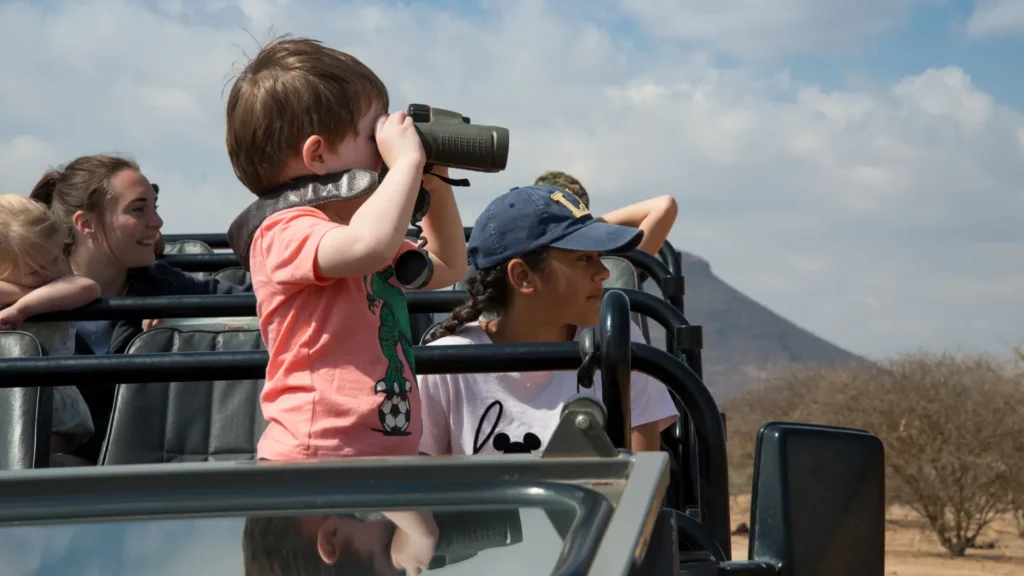
Involving children directly in the planning process, letting them choose one specific animal or activity they’re most excited about, or picking out their own binoculars and field notebook before the trip, increases engagement and gives them a real sense of ownership over the experience once they arrive.
Health Precautions Specific to Traveling With Children
Malaria prophylaxis for children requires specific, weight-based dosing that differs from standard adult guidance, making a dedicated pediatric travel clinic consultation essential rather than optional when planning a family trip to malaria-endemic regions.
Confirm your chosen medication is appropriate for your child’s specific age and weight well before departure, since some common adult malaria medications aren’t suitable for young children.
Comprehensive travel insurance covering the entire family, including medical evacuation coverage, deserves particular attention given how remote many safari lodges sit from hospital-level paediatric care, and packing a basic family first-aid kit with children’s-strength medications for common travel ailments, upset stomach, fever, minor cuts, saves considerable stress if a minor issue arises far from the nearest pharmacy.
Multi-Generational Family Safaris
Trips spanning grandparents through teenagers benefit from a private vehicle and guide arrangement rather than a shared group safari, since it allows daily pacing to flex around whichever family member needs it most on a given day, a slower morning for grandparents, extra time at a sighting for wildlife-obsessed teenagers, or a shortened afternoon activity if young children are flagging.
Lodges offering interconnecting family rooms or multi-bedroom family suites, increasingly common across the destinations covered in this guide, make multi-generational logistics considerably easier than coordinating separate standard rooms across a large family group.
What to Pack for a Family Safari
Beyond standard safari packing, families should prioritize neutral-colored, comfortable clothing for children, a wide-brimmed hat and high-SPF sunscreen, insect repellent formulated for children’s skin, and entertainment for the inevitable downtime between activities, books, cards, or simple travel games work well given limited connectivity at most remote camps. A pair of properly fitted, child-sized binoculars transforms a young traveler’s engagement with game drives, letting them spot wildlife independently rather than relying entirely on an adult pointing things out.
Frequently Asked Questions
What is the best age for a first African family safari?
Ages 8 to 12 generally offer the strongest balance of stamina, curiosity, and safety awareness, though younger children can absolutely have wonderful safari experiences with the right destination and lodge choices.
Can children under five go on an East African safari?
Yes, at a growing number of specifically family-designed camps, though many properties set a minimum age of five or six. South Africa’s malaria-free reserves are often recommended as an easier alternative for the very youngest travelers.
Which East African destination is best for a first family safari?
Kenya’s Masai Mara, given its reliable, easily accessible wildlife viewing and strong family-oriented lodge infrastructure, is where most families begin, though the private conservancies offer even greater scheduling flexibility.
Can my whole family do gorilla trekking together?
Only family members aged 15 and up can join the gorilla trek itself. Younger family members can join golden monkey trekking (generally no strict minimum age) or a lodge’s dedicated children’s activity program instead.
How much does a family safari to East Africa cost?
An eight-day itinerary typically starts at around $2,520 per person, with considerable variation based on the lodge tier, group size, and specific parks and activities included.
Related Posts