Essence of Africa 2026 in Zanzibar Essence of Africa is a trade forum, which means…
Bird Watching in Volcanoes National Park: A Complete Guide
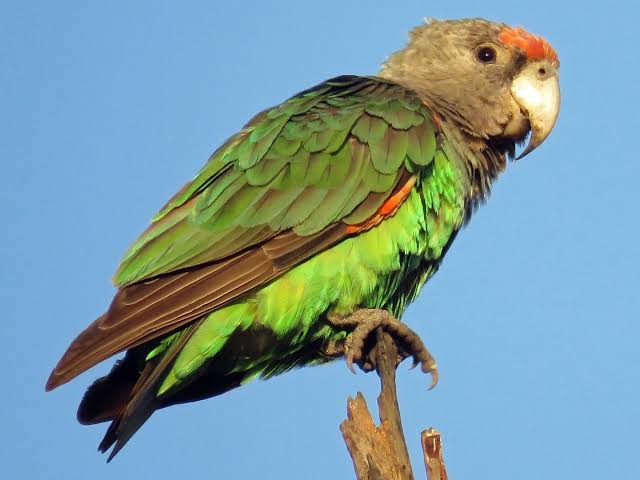
Bird Watching in Volcanoes National Park: A Complete Guide; Volcanoes National Park is known worldwide for one thing: mountain gorilla trekking. But tucked beneath that headline reputation is an excellent birding destination, holding around 200 recorded species within a compact 160-square-kilometer park, of which a meaningful proportion are Albertine Rift endemics found almost nowhere else on earth.
The park’s montane forest, bamboo zones and Afro-alpine habitat, spread across the lower slopes of five volcanoes, create a vertical range of birding habitat that rewards a slower, more attentive pace than most visitors bring to their single gorilla trekking day.
This guide covers Volcanoes National Park’s birding specifically: the signature species worth prioritizing, which habitat zones hold which birds, when to visit for the best results, and how to combine birding productively with gorilla trekking, golden monkey tracking and the park’s volcano hikes. It’s written for birders planning a dedicated visit and for gorilla trekking travellers who want to get more from their time in the park.
Is Volcanoes National Park Worth Visiting for Birding?
Yes, particularly for travelers who are already visiting for gorilla trekking and have an additional day or two to spend in the park. BirdLife International recognizes Volcanoes National Park as one of the most important sites for biodiversity conservation in Rwanda, and its montane forest, bamboo, and Afro-alpine zones support a high concentration of Albertine Rift endemic species in a small area, allowing visitors to see a significant portion of the park’s bird list in a single well-guided day.
It’s a lower priority for birders whose primary interest is wetland and savannah species, since those habitats are better represented at Akagera National Park, or for travellers with only a single gorilla trekking day and no additional time, since a productive birding session requires a dedicated outing rather than incidental sightings during a gorilla trek itself.
Why Volcanoes National Park Is a Birding Destination
Volcanoes National Park sits within the Albertine Rift, one of Africa’s most significant biodiversity hotspots, and its position on the lower slopes of the Virunga volcanic chain gives it a vertical habitat range, from bamboo forest through montane rainforest to Afro-alpine vegetation near the peaks, that concentrates an unusual diversity of species within a compact park. Estimates of the park’s total bird list vary by source between roughly 178 and over 200 species, with a meaningful proportion, commonly cited between 13 and 29 depending on the specific classification used, being Albertine Rift endemics found only in this narrow band of East and Central African highland forest.
The Rwenzori Turaco is the park’s undisputed signature species and the bird most birders specifically travel to see. This large, spectacularly colored turaco, deep blue-green with a bright crimson wing flash visible in flight, is specific to the montane forests of the Albertine Rift and is one of the most visually striking birds available anywhere on a Rwanda itinerary. Alongside it, species including the dusky crimsonwing, Archer’s ground robin, the strange weaver, collared apalis, Rwenzori double-collared sunbird and Rwenzori batis form the core list that dedicated birders come specifically to find.
Three globally threatened species add further weight to the park’s conservation significance: the Lagden’s bush-shrike, the African green broadbill and the Kivu ground thrush are all recorded within Volcanoes National Park, and their presence is part of why the park carries such importance within the wider Albertine Rift conservation landscape, alongside its more famous role protecting mountain gorillas.
Volcanoes National Park’s Key Habitat Zones for Birding
Understanding which habitat zone holds which species helps structure a productive birding day within the park.
| Habitat Zone | Elevation Range | Key Species | Notes |
| Bamboo forest | Lower slopes | Red-faced woodland warbler, stripe-breasted tit, golden monkey habitat overlap | Also the primary golden monkey trekking zone |
| Montane rainforest | Mid-elevation | Rwenzori Turaco, dusky crimsonwing, Archer’s ground robin, collared apalis, strange weaver | The richest zone for Albertine Rift endemics |
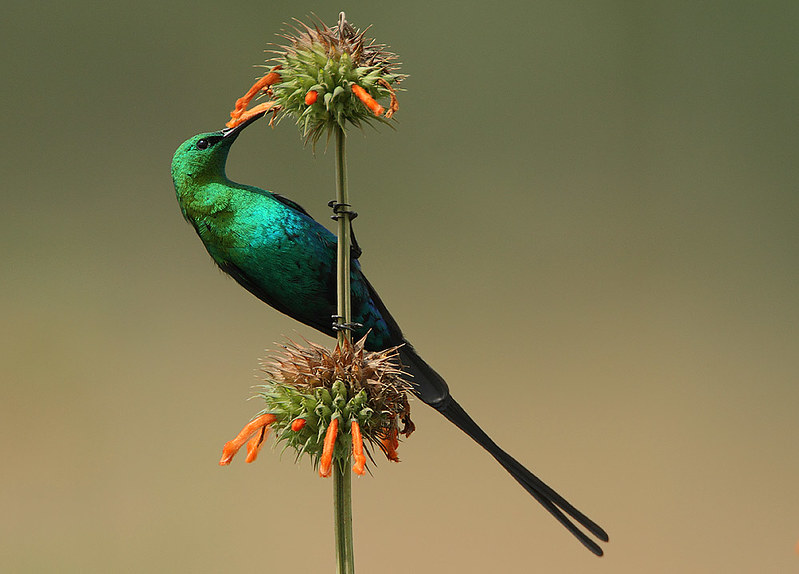
| Higher montane forest/forest edge | Upper mid-elevation | Rwenzori double-collared sunbird, Rwenzori batis, handsome francolin, scarlet-tufted malachite sunbird | Good visibility at forest edges and clearings |
| Afro-alpine and groundsel zone | Near the peaks | Specialized high-altitude species, less commonly targeted by standard birding walks | Requires a dedicated volcano hike to access |
Best Birding Approaches Within Volcanoes National Park
What follows covers the specific approaches and target species most worth prioritizing during a Volcanoes National Park birding visit.
Guided Birding Walks
Dedicated birding walks, distinct from the standard gorilla or golden monkey trekking routes, are the most productive way to see the park’s forest specialists. These walks move at a slower pace than a primate trek, since many of the park’s birds are secretive forest-floor or canopy species that reveal themselves more through call than sight, and a good guide who knows bird vocalizations meaningfully improves the day’s results. Trails through the bamboo zones, montane forest and forest edge areas each produce a different species mix, and an experienced guide will typically plan a route covering more than one habitat zone within a single outing.
Combining Birding with Golden Monkey Trekking
The golden monkey trekking zone overlaps significantly with the bamboo forest habitat that holds species like the red-faced woodland warbler and stripe-breasted tit, making a combined golden monkey and birding morning an efficient way to cover two of the park’s most accessible activities in a single outing without the higher cost or physical demand of gorilla trekking.
Birding Alongside Gorilla Trekking
While gorilla trekking itself moves at whatever pace the day’s specific trek requires, rather than a birding-optimized pace, guides will often point out notable bird species encountered along the way, and travelers with a general interest in birds should mention this to their guide at the outset so incidental sightings are flagged rather than overlooked in favor of the primary gorilla-focused pace.
Volcano Hikes for Afro-Alpine Species
The hikes up Mount Bisoke or Mount Karisimbi, or the shorter walk to Lake Ngezi at the foot of Bisoke, pass through the park’s higher montane and Afro-alpine zones, giving access to a different altitude band of species than the standard forest birding walks and gorilla trekking routes cover. These hikes require physical commitment, particularly the multi-day Karisimbi trek, and should be planned specifically for their birding value only if you have the time and fitness for the wider hiking commitment.
Forest Edge and Clearing Observation
Some of the park’s most visually rewarding sightings, including good views of sunbirds and the Rwenzori Turaco in flight, happen at forest edges and natural clearings where visibility is better than in the dense canopy interior.
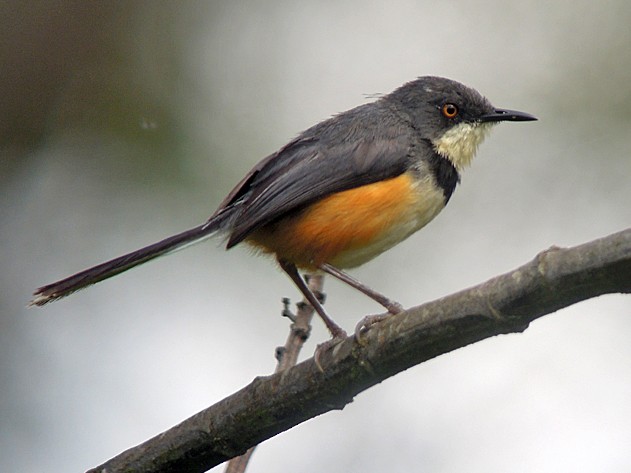
A knowledgeable guide can significantly improve both sighting quality and photographic opportunities by focusing on specific productive edge locations instead of moving continuously through the deep forest.
Best Time for Birding in Volcanoes National Park
Volcanoes National Park is birdable year-round, and unlike most of the park’s other activities, which favor the dry season for easier underfoot conditions, birding here has a different seasonal recommendation.
The wetter months, particularly from April through November, bring migratory species into the park and coincide with the breeding season for many resident birds, producing higher overall diversity and more active, visible behavior despite the more difficult, muddier trail conditions.
The dry season months of June through August and December through February remain a perfectly good time to visit, with easier underfoot conditions and generally good visibility, but dedicated birders specifically targeting the widest possible species count, including migrants, should lean toward the wetter months, accepting the trade-off of more challenging trail conditions and near-constant mist at higher elevations.
| Season | Months | Birding Value | Trail Conditions |
| Wet season (migrant and breeding season) | April – November (varies by source) | Highest overall diversity; migrants present; breeding displays | Muddy, slippery, frequent mist at altitude |
| Long dry season | June – August | Good resident species viewing; easier logistics | Firmer, more comfortable |
| Short dry season | December – February | Good resident species viewing | Firmer, more comfortable |
| Short rains | October – November | Strong migrant activity | Increasingly wet |
What Does Birding at Volcanoes National Park Cost?
Birding at Volcanoes National Park is one of the most affordable activities available within the park, priced considerably below gorilla trekking and generally below golden monkey trekking as well, since it doesn’t require the same intensive daily habituated-group monitoring and visitor-number restriction that primate permits fund. A dedicated birding guide and activity fee is a modest addition to an existing gorilla trekking itinerary.
For travellers on a rest day between gorilla treks, adding a birding walk is one of the most cost-effective ways to make productive use of the day, since it requires nseparate, expensive permit, asay gorilla or golden monkey trekking does.
Birding as a rest-day activity—modest guide and activity fee
A dedicated half-day birding walk arranged through your lodge or the park headquarters, taking advantage of a rest day between gorilla treks. This is one of the most affordable activities available within the park.
Birding combined with golden monkey trekking—Golden monkey permit plus birding guide time
Combining a golden monkey trek with attentive birding along the same bamboo forest routes gives two rewarding activities within a single morning, at a total cost well below gorilla trekking.
Dedicated multi-day birding itinerary—multiple birding walks across different habitat zones
For serious birders, arranging several distinct birding walks across different days, covering bamboo forest, montane forest and forest edge zones with a specialist guide, gives the most comprehensive coverage of the park’s species list.
Where to Stay for Birding Access
Accommodation for a Volcanoes National Park birding visit follows the same logic as accommodation for gorilla trekking generally, since birding walks depart from the same Kinigi Park headquarters area. Properties closest to Kinigi offer the most convenient early morning access for both birding and primate trekking activities.
| Property | Distance to Kinigi | Best For |
| Bisate Lodge | 10-15 minutes | Luxury travellers combining birding with gorilla trekking |
| Singita Kwitonda Lodge | 15-20 minutes | Travellers wanting exceptional guiding across birding and primate activities |
| Sabyinyo Silverback Lodge | 10-15 minutes | Established luxury base convenient for early birding starts |
| Mid-range Kinigi-area lodges | 5-15 minutes | Travellers wanting quality accommodation without premium pricing |
| Musanze town hotels | 20-30 minutes | Budget-conscious travellers, accepting a longer morning transfer |
How to Get the Most from Birding at Volcanoes National Park
Several specific approaches improve your birding results within the park.
Prioritise Early Morning and Late Afternoon
As with most forest birding, early morning and late afternoon are the most productive times at Volcanoes National Park, when birds are most vocal and active. Many of the park’s species are secretive and more often heard than seen, making these quieter, more acoustically active periods particularly valuable.
Learn to Identify by Call
Given the dense forest cover and the often-concealed habits of many target species, identifying birds by call is at least as important as visual identification in Volcanoes National Park. A guide with strong knowledge of bird vocalizations will consistently produce a higher species count than one relying on visual spotting alone, and birders with some prior familiarity with Albertine Rift bird calls will get considerably more from their visit.
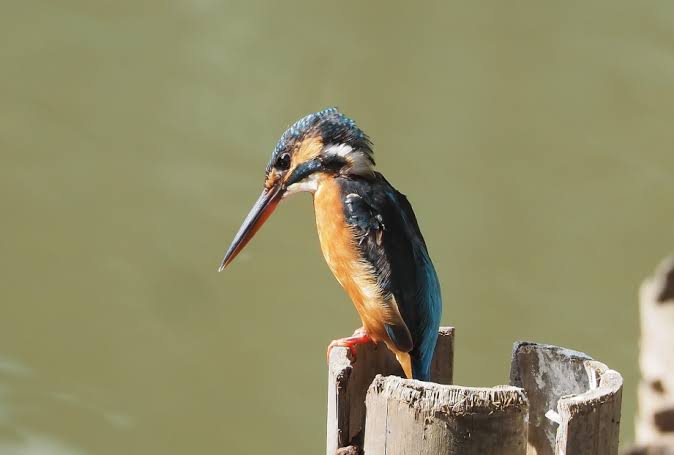
Move Slowly and Stay Quiet
Birding here rewards patience considerably more than a typical gorilla trek does, since sudden movement or noise will send many of the park’s forest specialists deeper into cover before they’re properly seen. A dedicated birding walk, moving at a slower pace than primate trekking, gives far better results than trying to combine serious birding with a faster-paced activity.
Bring the Right Equipment
A good pair of binoculars is essential, and a camera with a moderate to long telephoto lens helps document species in the often-dim forest interior light. A field guide or app covering Albertine Rift species, a bird journal, a hat, sunglasses, closed shoes, long trousers and sleeves for protection against forest vegetation, a rain jacket given the region’s unpredictable weather, and energy snacks are all worth packing specifically for a dedicated birding day.
Combine Habitats Within a Single Day Where Possible
Since different elevation bands and vegetation zones hold different species, a birding day that moves through more than one habitat type, from bamboo forest to montane forest, for example, rather than remaining in a single zone, gives a more complete picture of the park’s diversity than concentrating on one area alone.
| Strategy | Best For | Key Consideration |
| Early morning and late afternoon timing | Maximum bird activity and vocalization | All habitat zones |
| Guide with strong call identification | Higher overall species count in dense forest | Essential given secretive forest species |
| Slow, quiet movement | Avoiding disturbing skittish forest specialists | Dedicated birding walks specifically |
| Multi-habitat day route | Broadest possible species coverage | Combine bamboo, montane forest and forest edge. |
| Quality binoculars and telephoto camera | Distant canopy sightings and dim forest interior conditions | All birding activities |
Planning a Birding Visit to Volcanoes National Park
For travellers combining birding with gorilla trekking, allowing two to three nights provides time for a gorilla trek, a golden monkey trek with attentive birding along the way, and at least one dedicated birding walk covering a different habitat zone, without rushing any single activity.
Combining Volcanoes National Park with Nyungwe Forest, which holds around 310 recorded species and a strong overlap with the Albertine Rift endemics found here, or with Akagera National Park for its wetland and savannah specialists, gives the most comprehensive single-trip coverage of Rwanda’s bird diversity.
A few practical notes: brief your guide specifically about your birding interest at the start of your stay, since a guide who knows you wants dedicated attention to birds, rather than assuming a purely gorilla-focused itinerary, will plan routes and pacing accordingly. Confirm current activity fees and guide availability with your operator or the park directly before your visit.
Birding Priorities by Traveller Type
Here is a direct guide to structuring a Volcanoes National Park visit around specific birding priorities.
| Priority | Recommended Approach | Why |
| Seeing the Rwenzori Turaco specifically | Dedicated montane forest birding walk with an experienced guide | The park’s signature and most sought-after species, found in mid-elevation montane forest |
| Maximum overall species count | Multi-day visit covering bamboo, montane forest and forest edge zones | Different elevation bands hold different species. |
| Combining with gorilla trekking efficiently | Rest-day birding walk alongside a standard gorilla trekking stay | Makes productive use of non-trekking days at modest additional cost |
| Comprehensive Rwanda birding circuit | Combine with Nyungwe Forest and/or Akagera National Park. | Covers montane forest, further forest specialists, and wetland/savannah species, respectively |
| Budget-conscious birding | Volcanoes NP birding walk (low cost relative to primate permits) | One of the most affordable activities available within the park |
Frequently Asked Questions
How many bird species are in Volcanoes National Park?
Estimates vary by source between roughly 178 and over 200 recorded species, with a meaningful proportion being Albertine Rift endemics found only in this narrow band of East and Central African highland forest. The park is recognized by BirdLife International as one of Rwanda’s most important biodiversity conservation sites.
What is the signature bird species to see in Volcanoes National Park?
The Rwenzori Turaco, a large, strikingly colored turaco specific to the montane forests of the Albertine Rift, is the park’s undisputed signature species and the bird most dedicated birders travel specifically to see.
When is the best time for birding in Volcanoes National Park?
Unlike most other park activities, birding is often considered best during the wetter months, roughly April through November, when migratory species arrive and resident birds are more active during the breeding season, despite muddier and more challenging trail conditions. The dry season months remain a good alternative with easier logistics.
Can you combine birding with gorilla trekking in the same trip?
Yes, and this is the most common way to experience birding at Volcanoes National Park. A typical structure combines a gorilla trekking day with a separate dedicated birding walk on a rest day, or attentive birding alongside a golden monkey trek, given the overlap between golden monkey habitat and productive bamboo forest birding zones.
Is birding expensive at Volcanoes National Park?
No, birding is one of the most affordable activities available at the park, priced considerably below gorilla trekking and generally below golden monkey trekking, since it doesn’t require the same intensive habituated-group monitoring that primate permits fund.
What equipment should I bring for birding at Volcanoes National Park?
Binoculars, a camera with a moderate to long telephoto lens, a field guide or bird identification app, a bird journal, a hat, sunglasses, closed shoes, long trousers and sleeves, a rain jacket, and energy snacks are all recommended for a productive birding day.
Related Posts