Mara Serena Safari Lodge | Maasai Mara, Kenya Mara Serena Safari Lodge holds a unique…
Rwanda Gorilla Trekking Guide
Rwanda Gorilla Trekking Guide
The first thing you notice about Volcanoes National Park is not the gorillas. It is the silence. The kind of silence that only exists in places where nature has been left to its own rhythm. Mist hangs low over the slopes of the Virunga Mountains. Bamboo forests disappear into the clouds. Somewhere beyond the trail, a bird calls. A branch snaps. Then everything settles again.
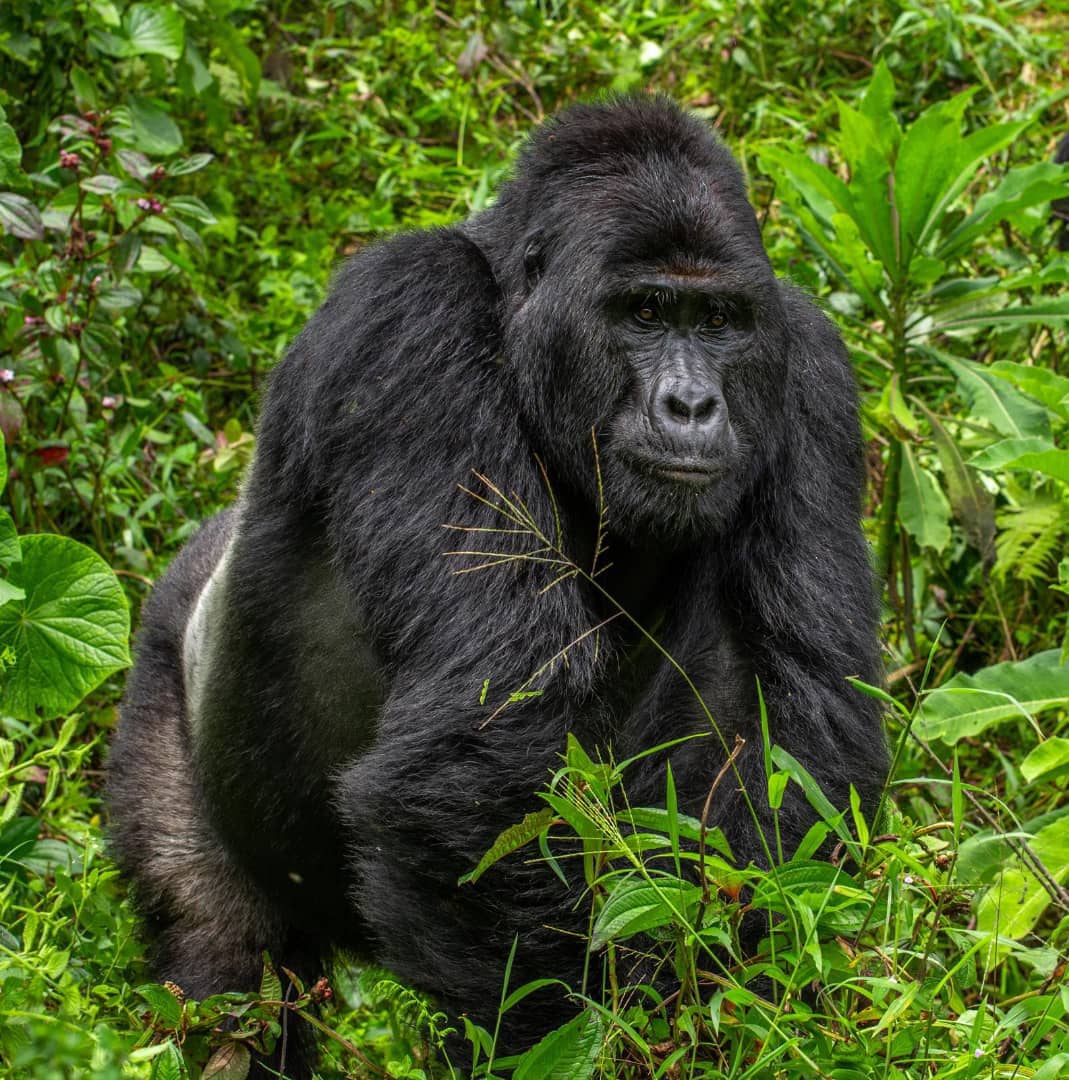
You have probably seen the photographs before. The famous silverback portraits. The dark eyes looking directly into the camera. The powerful shoulders. The almost human expressions. The reality is different.
A mountain gorilla does not perform for visitors. He does not pose. He may sit quietly, pulling leaves from a branch, barely acknowledging the group of humans standing a few meters away. A young gorilla might suddenly tumble through the vegetation, creating chaos before disappearing behind a curtain of green.
A mother may pull her infant closer and continue feeding as though your presence is simply another part of the forest. That is the moment people remember. Not because it is dramatic. Because it feels incredibly normal.
For one hour, you are allowed into the daily life of an animal that shares around 98% of its DNA with humans. There are no cages. No barriers. No glass separating you from the experience. Just the forest. And a rare privilege.
Many European travelers assume reaching Rwanda requires a complicated expedition. It does not. In fact, Kigali is one of Africa’s easiest capitals to reach, with reliable connections from major European cities. A journey that feels remote on a map becomes surprisingly simple once you start planning.
Leave London in the evening. And wake up in Rwanda. By the time you are driving north towards the volcanoes, the biggest challenge may simply be believing you arrived so quickly.
Salt Holidays specialises in creating carefully planned Rwanda safari experiences for travelers who want the adventure of gorilla trekking without the uncertainty of organising every detail themselves. The permits, transfers, accommodation choices and small logistical decisions are handled before you arrive, leaving you free to focus on the experience itself. Gorilla trekking is not just about reaching the forest. It is about everything that happens along the way.
Flying From Europe to Rwanda
Rwanda feels far away. Geographically, it is. Emotionally, it is much closer than many travelers expect.
For visitors from Europe, getting there is now remarkably straightforward. RwandAir operates direct flights between London Heathrow and Kigali, making Rwanda especially convenient for travelers from the United Kingdom. From France, travelers can connect through Paris Charles de Gaulle, while Brussels Airlines offers routes from Brussels, reflecting the long relationship between Belgium and Rwanda.
There are also practical connections through major international hubs including Doha, Istanbul, Addis Ababa, Amsterdam and Nairobi. Most journeys involve one connection.
After a long-haul flight, the last thing anyone wants is a complicated arrival process followed by another exhausting transfer. Rwanda’s infrastructure makes the transition from the airport to wilderness unusually smooth.
Kigali International Airport is one of the most efficient airports in the region. It is clean, modern and easy to navigate. Immigration is generally quick, luggage arrives without much delay, and the entire arrival experience feels calmer than many first-time visitors expect.
Within a short time, you can be outside, breathing fresh Kigali air.
Many European nationals can obtain a visa on arrival, although requirements vary depending on nationality and travelers should check the latest entry rules before departure.
The capital itself is worth at least a night. Kigali surprises people. It is not the chaotic African city many visitors imagine before arriving. The streets are remarkably clean. Hills roll away in every direction. Small cafés serve excellent Rwandan coffee. Local designers, artists and entrepreneurs have created a city that feels modern while remaining unmistakably East African.
The following morning, the landscape changes.
The drive from Kigali to Musanze takes roughly two and a half hours. The road climbs steadily north through Rwanda’s famous hills, passing terraced farmland, colorful markets and villages where daily life unfolds beside the roadside.
Children walk home from school. Farmers carry baskets of produce. Motorbikes weave carefully through traffic. Every few kilometers the view changes. Then the volcanoes appear. The Virunga Mountains rise dramatically ahead. This is where the gorilla journey truly begins.
The Permit Reality: Why Rwanda Gorilla Trekking Costs US$1,500
Nobody forgets the price. A Rwanda gorilla permit costs US$1,500 per person. For many travelers, that is the first number they notice when planning their safari. It is a significant investment, especially compared with other wildlife experiences. But the permit is not simply an entrance ticket. It is the foundation of Rwanda’s gorilla conservation model.
Only a limited number of visitors are allowed to trek each day. Each habituated gorilla family receives a small number of guests, and encounters are restricted to one hour. These rules exist because the animals’ wellbeing comes first. The gorillas are not a tourist attraction in the traditional sense. They are a protected population.
Permit revenue helps fund the work required to protect them: ranger patrols, veterinary care, scientific monitoring and habitat conservation. Tourism also contributes to surrounding communities through employment opportunities and revenue-sharing programs.
That connection between conservation and local livelihoods is one of Rwanda’s strongest achievements. Protecting wildlife works best when people living beside national parks see real benefits from keeping those ecosystems intact.
The limited number of permits also means planning ahead is essential. During busy periods, especially European summer holidays, Christmas and Easter, availability can become extremely limited. Travelers often book several months in advance to secure their preferred dates.
This is where local expertise becomes valuable. A gorilla safari is not simply about purchasing a permit. The timing needs to work with flights, lodge availability, transfers and any additional experiences you want to include.
Many travelers combine Volcanoes National Park with other parts of Rwanda.
Akagera National Park offers a completely different landscape, with open savannah, elephants, lions, rhinos and some of the country’s best birdwatching. Nyungwe Forest provides another contrast entirely, with ancient rainforest, chimpanzee tracking and dramatic high-canopy walks.
The gorillas may be the reason you arrive. But Rwanda often becomes the destination you remember.
Gorilla Trekking Day: Mud, Mist and Magic
The alarm usually goes off earlier than expected.
Gorilla trekking is not a slow breakfast-and-stroll kind of experience. By the time most visitors arrive at the Kinigi park headquarters near Volcanoes National Park, the morning air is still cool and the volcanoes are often hidden behind a layer of mist. There is coffee. There are quiet conversations. And there is that slightly nervous energy that comes before something you have been anticipating for months.
At Kinigi, visitors meet their ranger guides and receive a briefing about the day ahead. The rules are simple but important: keep a safe distance, avoid sudden movements, do not use flash photography, and follow the instructions of the guides at all times.
The rangers know these forests intimately. Many have spent years tracking individual gorilla families. They know the personalities of the animals, the routes they prefer and the subtle signs that reveal where they have moved overnight. Because that is the reality of gorilla trekking. The gorillas do not wait in one place. There is no guaranteed viewpoint. You are entering their world, and the forest decides what happens next.
Some treks are relatively gentle, lasting less than two hours. Others involve several hours of hiking through steep terrain before the trackers locate the family. Fitness levels, weather conditions and the movement of the gorillas all influence the experience.
Nobody should arrive expecting a simple nature walk. It is beautiful. But it is still a hike.
The volcanic soil that makes this region so fertile also creates some challenging trails. After rain, the paths can become slippery and thick with dark mud. Vegetation brushes against your clothing. You may step carefully across roots or use your hands to steady yourself on steeper sections.
This is Africa, not a theme park. A good pair of waterproof hiking boots is one of the best investments you can make. So is hiring a porter.
At Kinigi, local porters are available to assist trekkers, carrying daypacks and helping visitors navigate difficult sections of the trail. The cost is modest, usually around US$15–20, but the impact is much greater. Many porters come from communities surrounding the park, and tourism provides an important source of income.
There is also something practical about having one. That muddy slope that looks manageable from below? A porter will probably cross it without hesitation while you are wondering where exactly to place your next step. The forest has a way of humbling everyone.
Eventually, after following radio communication from the trackers, the ranger stops. The gorillas are nearby. The mood changes instantly. The conversation disappears. Cameras are checked. Everyone becomes quieter. Then you see them.
Sometimes the first gorilla you notice is not the silverback. It might be a young gorilla playing in the branches, swinging with surprising confidence before landing on the forest floor. It might be a female feeding peacefully. Or it might be the dominant male, sitting with a calm authority that makes his enormous size even more impressive.
The photographs never quite capture that moment. They show the face. They show the strength. They rarely show the atmosphere. The smell of wet earth. The sound of leaves moving. The strange feeling of standing close to an animal that appears both completely wild and strangely familiar.
The official viewing time is one hour. It sounds generous when you read it. It is not. Most visitors are surprised by how quickly the time disappears. You spend months planning, travel across continents and hike through volcanic forest—and suddenly the ranger is checking the clock. It is time to leave.
The rule exists for a reason. Limiting human contact helps protect the gorillas’ health and natural behavior. The success of Rwanda’s conservation program depends on maintaining that careful balance between tourism and protection.
Before leaving, many travelers choose to thank the people who made the experience possible.
Tips are not mandatory, but they are widely appreciated. Many visitors offer around US$10–20 per ranger, depending on the quality of the guiding experience. Porters are usually tipped separately based on the assistance they provided.
It is not about obligation. It is recognition. The people leading these treks are the connection between visitors and the forest.
When to Visit Rwanda: Seasons, Weather and Low-Season Advantages
There is no bad time to see Rwanda’s gorillas. There are simply different versions of the experience.
The most popular months are generally during the drier periods, from around June to September and again from December to February. Trails are usually easier, rainfall is lower and many European travelers find these months convenient because they align with summer holidays and winter breaks. More demand. Permits and lodges can become harder to secure, particularly around July, August, Christmas and New Year.
The wetter months offer something different. From March to May and October to November, Rwanda becomes intensely green. The forests look almost untouched, mist hangs dramatically around the volcanoes and fewer visitors are on the trails.
Yes, there is more rain. Yes, there is more mud. But many experienced travelers consider these months among the most rewarding. The forest feels alive. For photographers, the softer light and deep green landscapes can be exceptional. For travelers who prefer quieter experiences, the lower visitor numbers can make a significant difference.
Rwanda has also introduced incentives encouraging visitors to explore more than one national park. During eligible low-season periods, travelers who combine gorilla trekking in Volcanoes National Park with stays in Akagera National Park or Nyungwe National Park can access a 30% discount on gorilla permits, subject to the Rwanda Development Board (RDB) current conditions.
It is a smart way to experience more of Rwanda while supporting conservation across multiple ecosystems. Because Rwanda’s story does not end with gorillas.
Akagera feels like another country entirely. The volcanic mountains disappear and are replaced by open plains, lakes and savannah landscapes. Elephants move through woodland areas. Lions patrol restored habitats. Boat trips reveal hippos and crocodiles along the shores of Lake Ihema.
Nyungwe offers another transformation. The ancient rainforest in southwestern Rwanda is one of Africa’s oldest forests. Chimpanzees call it home. Colobus monkeys move through the canopy. Mist rises through enormous trees that have stood for centuries. A gorilla safari becomes something bigger. A journey through an entire country.
Why a Local Expert Makes the Difference
On paper, organising a gorilla safari seems straightforward. Book a permit. Choose a lodge. Arrange transport. But the details matter.
A lodge that looks perfect online may not be the right choice for your travel style. Some properties are designed for quick access to trekking points. Others focus on privacy, views and luxury. The best option depends on what kind of experience you want.
Transport matters too.
Rwanda’s roads are excellent, but timing, vehicle comfort and driver knowledge can transform a journey. A good guide notices the small things: where to stop for photographs, which viewpoint is worth the extra few minutes, where to find a quiet coffee stop away from the crowds.
This is where a local guide brings local knowledge into the planning process. The team understands that luxury travel is not only about five-star accommodation.
It is about removing friction; It is knowing the permit process is handled. It is having reliable transfers waiting at the airport. It is choosing experiences that feel genuine rather than simply adding activities to an itinerary.
For independent travelers, that balance matters. You want freedom. But you also want confidence that someone experienced is handling the details behind the scenes .A great Rwanda safari should feel effortless when you are there. The planning happens before you arrive.
The Memory That Remains
People often imagine the most powerful part of gorilla trekking will be seeing the silverback.
Sometimes it is. Sometimes it is something smaller. A young gorilla looking briefly in your direction. The sound of the forest after everyone stops talking. A ranger quietly pointing out signs of Gorilla movement before anyone else notices. The walk back through the bamboo after the encounter has finished. Those are the moments that stay.
Rwanda’s mountain gorillas represent one of conservation’s greatest successes. A species once facing severe decline now has a future because of careful protection, scientific work and responsible tourism.
For travelers coming from Europe, the journey is easier than many expect. But the experience itself remains wonderfully wild. The mountains are still covered in mist. The forests are still alive. And somewhere among the bamboo, a silverback is still watching over his family.
Salt Holidays helps travelers experience Rwanda in a way that feels personal, thoughtful and well planned—from securing gorilla permits to creating a complete safari itinerary around the country’s remarkable landscapes. The only thing you need to bring is time. And a willingness to get your boots muddy.
Related Posts