Essence of Africa 2026 in Zanzibar Essence of Africa is a trade forum, which means…
How to Plan a Rwanda Safari
How to Plan a Rwanda Safari: A Complete Guide from Salt Holidays; Rwanda has a way of surprising people who arrive with modest expectations and leave talking about it for years. I’ve sat across the table from enough first-time travelers to know the questions that come up before anyone books a flight: is now the right time, is it safe, is it worth the gorilla permit price, and how many days do you actually need. This guide answers all of that in the order you’ll naturally think through it, with real numbers instead of vague reassurances.
Should You Go Now, or Wait?
Go now, if your travel window allows it. Rwanda’s gorilla permit price has been stable at USD 1,500 since 2017, and while nothing is guaranteed forever, tourism boards rarely announce increases with much warning. Permit availability is the tighter constraint. Volcanoes National Park issues a fixed number of permits daily (96 spread across roughly a dozen habituated gorilla families), and demand consistently outpaces that ceiling in the July-August and December-January windows.
Operators are already filling those dates six to nine months out. If you wait until three months before travel hoping for a deal, you’ll likely be choosing between shoulder-season dates or a waitlist.
The practical implication is straightforward: lock your dates and permits as soon as your travel window is fixed, even if the rest of the itinerary comes together later. Everything else in this guide (lodges, drivers, domestic flights) can be arranged with far more flexibility than the permit itself, so that’s the one piece that deserves urgency.
Why Rwanda, Specifically?
Why choose Rwanda over Uganda, Kenya, or Tanzania for an African safari?
Rwanda earns its place on a shortlist because it solves a problem those countries don’t: it compresses an extraordinary range of experiences into a small, well-run country where nothing is more than a few hours’ drive apart.
Kenya and Tanzania give you scale, big cats, and the wildebeest migration, but you’re often driving six or more hours between parks. Rwanda’s entire national park circuit fits into a country roughly the size of Massachusetts, with paved roads connecting most of it. You can trek gorillas in the morning and be at Lake Kivu, sipping coffee grown on the hills above the water, by early evening.
The honest counterpoint is that Rwanda doesn’t have the sheer volume of wildlife you’ll see on a Serengeti or Maasai Mara game drive. Akagera is a Big Five park with recovering lion and rhino populations, but the density doesn’t match East Africa’s most famous plains.
What Rwanda offers instead is a curated, high-quality set of experiences: the single best mountain gorilla trekking on the planet, a canopy walk and chimp tracking in ancient rainforest, a clean and safe capital city, and a conservation story (from near-extinction of the mountain gorilla to a rebuilt Akagera ecosystem) that gives the whole trip a sense of purpose. For travelers who want depth over breadth, and who value safety, order, and a country that’s pleasant to move around in, Rwanda wins that comparison outright.
Where to Go: The Four Regions Worth Combining
What are the main parks and regions in a well-planned Rwanda itinerary?
A complete Rwanda trip draws from four distinct regions, and each does a different job in the itinerary. Skipping any one of them isn’t a mistake, but combining at least three is what turns a good trip into a well-rounded one.
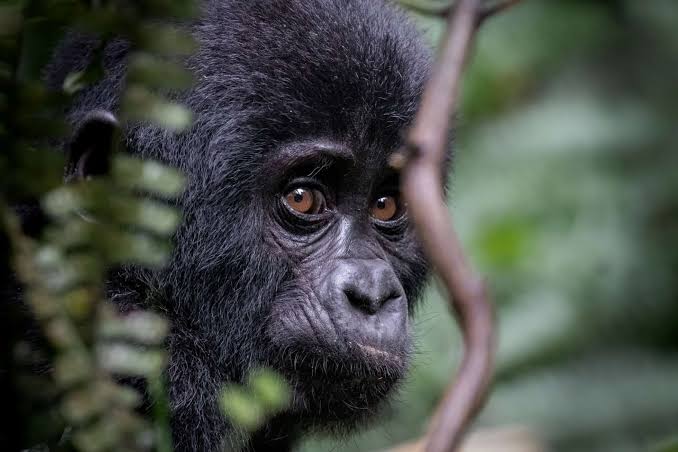
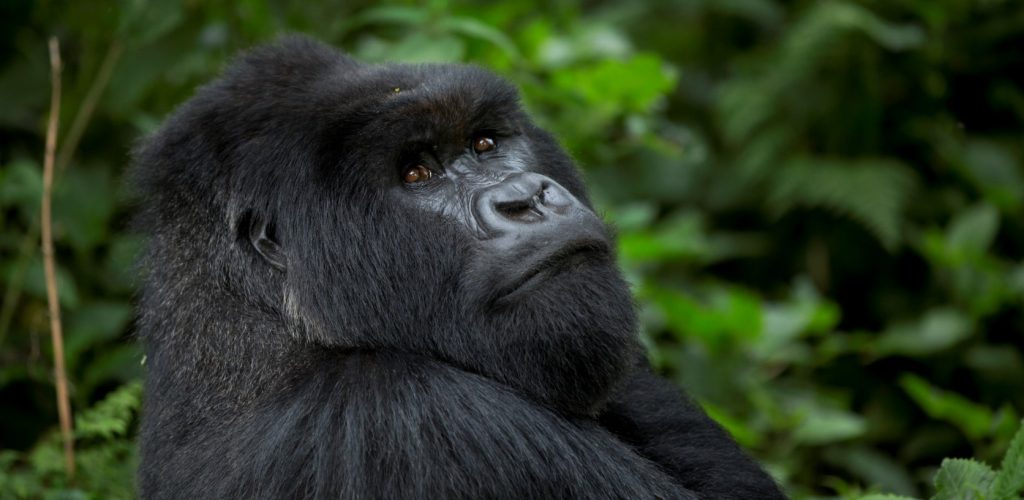
Volcanoes National Park, in the misty Virunga range along the Congo and Uganda borders, is the anchor for most visitors and the reason Rwanda is on the map for many travelers. This area is where you trek habituated mountain gorilla families through bamboo forest and volcanic slopes, and where golden monkey tracking offers a lighter, cheaper add-on activity for a second day. A family of gorillas grazing thirty feet away, utterly indifferent to your presence, is the kind of encounter that reframes what a wildlife experience can feel like.
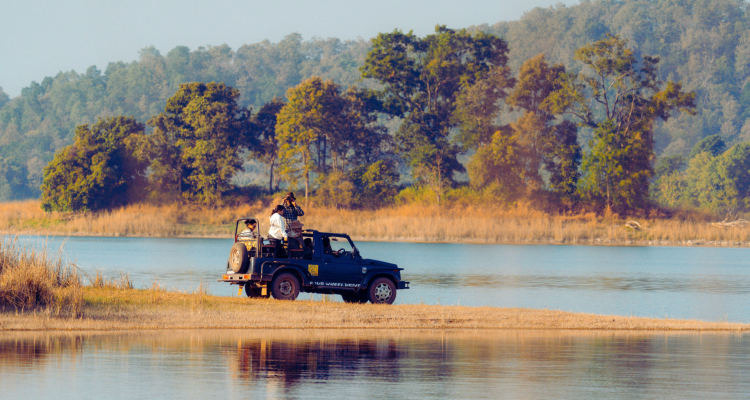
Akagera National Park, tucked against the Tanzanian border in the east, is Rwanda’s savannah answer to the Serengeti and the place to get your classic game-drive fix. Lion and rhino were both reintroduced here after being locally extinct, and the park now holds the Big Five across a landscape of acacia woodland, papyrus swamp, and open lake. A boat cruise on Lake Ihema, watching hippos and crocodiles from the water at sunset, is a highlight most itineraries underuse.
Nyungwe Forest National Park, in the southwest, is one of Africa’s oldest rainforests and the spot for chimpanzee tracking and the continent’s only canopy walkway suspended above the forest floor. The chimp tracking here is strenuous and less guaranteed than gorilla trekking, but the payoff (calling and movement through the canopy, a forest that feels prehistoric) rewards travelers with a bit more time and appetite for adventure.
Lake Kivu, along the western rift, is the region’s release valve. After days of early starts and steep trails, a night or two on the lakeshore in Rubavu (Gisenyi) or Kibuye gives you swimming, boat trips to Napoleon Island, and a slower pace before flying home. Skipping this region is the single most common regret I hear from repeat clients.
When to Go: Reading Rwanda’s Seasons Correctly
When is the best time to visit Rwanda, and does the season actually change the experience?
Rwanda has two dry windows and two wet windows, and the difference between them matters more for trekking comfort than for whether you’ll see wildlife at all. The long dry season runs June through September, and the short dry season runs December through mid-February.
Both give you firmer trails, lower humidity, and easier underfoot conditions in Volcanoes and Nyungwe. The long rains fall March through May, and a shorter rainy spell arrives in October and November, both bringing heavier, more persistent afternoon downpours that turn forest trails muddy and can make chimp tracking in Nyungwe considerably harder underfoot.
The detail most people miss is that gorilla trekking happens year-round regardless of season, because the gorillas don’t relocate and permits are valid in any month. What changes is your comfort level on the trail and, notably, your budget.
Rwanda’s Development Board offers a 30 percent discount on gorilla permits (bringing the price from USD 1,500 down to USD 1,050) for travelers visiting during the November-to-May low season, provided the itinerary includes both Akagera and Nyungwe alongside Volcanoes. That’s a meaningful incentive to consider the “shoulder” months rather than defaulting to the crowded July-August peak.
My recommendation: if your dates are flexible, target early June, September, or the December-to-February window for the best trail conditions with manageable crowds, and consider the November-May discounted permit route only if you’re building a full three-park itinerary anyway, since the savings apply per person and add up fast for a family or group of four.
What Will It Cost? Budget Tiers and the Permit Question
How much does a Rwanda safari actually cost, and where does the money go?
Answering this honestly means separating the one large, fixed cost (the gorilla permit) from everything else, which scales with the style of trip you want. The permit itself is USD 1,500 per person for one hour with a habituated gorilla family, non-negotiable and set by the Rwanda Development Board, and it covers trackers, armed ranger escorts, and a meaningful contribution to the country’s conservation and community revenue-sharing programs that fund schools and clinics around the park boundary. Everything beyond that (lodging, transport, meals, park fees at Akagera and Nyungwe, chimp permits) moves up and down with the tier you choose.
| Budget Tier | Per Person, Per Day (excl. permits & flights) | Typical Lodging | Typical Transport |
| Budget | USD 150–250 | Guesthouses, community lodges, budget camps | Shared shuttle, public minibus, or self-drive economy car |
| Mid-range | USD 300–500 | Established tented camps and 3–4 star lodges | Private vehicle with driver-guide |
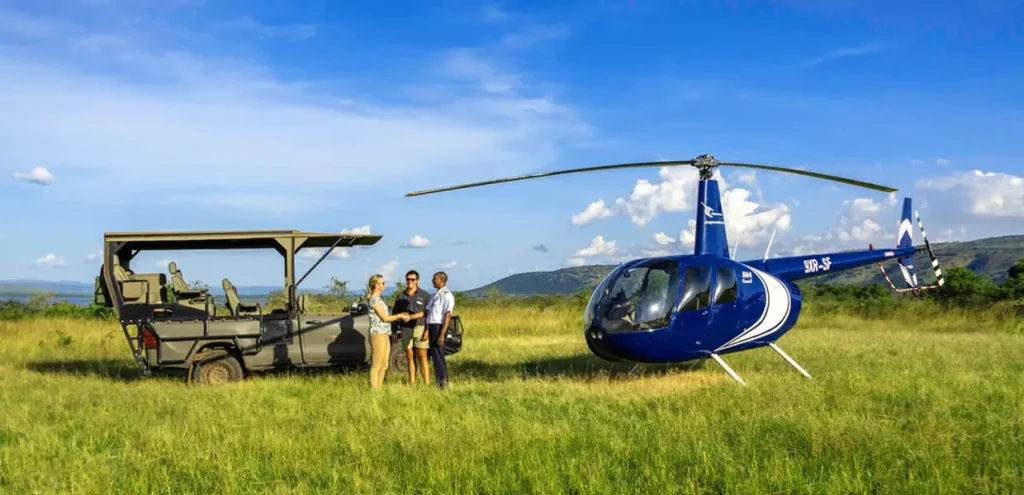
| Luxury | USD 700–1,500+ | Signature lodges (Bisate, One&Only Gorilla’s Nest, Wilderness Magashi) | Private 4×4 with guide, domestic flights/helicopter transfers |
For a 7-day trip combining gorilla trekking and Akagera, a realistic all-in budget (permits, lodging, guide, transport, park fees, meals) runs roughly USD 3,500–4,500 per person on the budget end, USD 6,000–8,500 mid-range, and USD 12,000 and up for a fully appointed luxury circuit with helicopter transfers between parks.
A couple traveling mid-range for a 9-day, three-park itinerary should budget roughly USD 7,000–8,000 per person, including the gorilla and chimp permits. The gorilla permit will feel like the biggest line item on paper, but spread across a well-built week-long trip, it’s rarely more than a third of the total spend.
Accommodation Styles: What You’re Actually Choosing Between
What kind of lodges and camps will I be staying in, and does the style matter?
Rwanda’s lodge scene has matured fast over the past decade, and the choice isn’t just about comfort, it shapes the character of each leg of the trip. Around Volcanoes, boutique lodges like Bisate or Sabyinyo Silverback sit on the forest edge with volcano views from your bed, designed around the idea that the gorilla trek is the day’s main event and the lodge should be a restorative bookend to it.
In Akagera, tented camps along the lake or savannah put you closer to the nocturnal soundtrack of the bush, with open decks for sundowners overlooking grazing herds. Nyungwe’s lodges tend to be smaller and quieter, built into tea plantation hillsides with forest sounds instead of game-drive traffic. Lake Kivu properties, by contrast, lean into pure relaxation, with infinity pools and private beaches replacing the early-morning wake-up calls of the rest of the trip.
The practical takeaway is to vary your accommodation style deliberately rather than booking the same category everywhere. A trip that pairs a splurge night at a gorilla lodge with simpler, comfortable tented camps in Akagera and Nyungwe, finished with a relaxed lakeside stay, tends to feel better paced and better value than one that’s uniformly luxury or uniformly budget throughout.
Activities and a Sample Itinerary Structure
How many days do I need, and what does a well-rounded Rwanda itinerary actually look like day by day?
Nine days is the number I steer most first-time clients toward, because it’s enough to include all four regions without feeling rushed, while seven days still works well if you’re willing to drop Nyungwe or shorten Lake Kivu to a single night. Anything under six days forces you into a gorilla-trek-and-fly-home trip, which undersells the country. Here’s a structure that balances early starts with recovery time:
| Day | Region | Focus |
| 1 | Kigali | Arrival, Genocide Memorial, city orientation, rest |
| 2 | Volcanoes NP | Transfer to Musanze/Kinigi, afternoon at leisure, briefing |
| 3 | Volcanoes NP | Gorilla trekking (full day) |
| 4 | Volcanoes NP | Golden monkey tracking or optional second gorilla trek, Twin Lakes visit |
| 5 | Lake Kivu | Transfer to Rubavu or Kibuye, boat trip, swimming, rest |
| 6 | Nyungwe Forest | Transfer via tea plantations, afternoon canopy walk |
| 7 | Nyungwe Forest | Chimpanzee tracking (early start) |
| 8 | Akagera NP | Fly or drive to the east, afternoon game drive |
| 9 | Akagera NP / Kigali | Morning game drive and boat cruise, transfer to Kigali for departure |
Two things about this table are worth noting before you copy it directly. First, the Nyungwe-to-Akagera leg is a long drive (five to six hours), so many operators route a domestic flight or a night back in Kigali between them, which is worth budgeting for if you want to protect your energy for the Akagera game drives. Second, building in one unstructured day (I’ve placed it at Lake Kivu) matters more than it sounds like it should, because the trekking days are physically demanding and a trip with zero downtime tends to leave people exhausted rather than exhilarated by the end.
Planning Advice: Visas, Health, Booking Lead Times, and Common Mistakes
What logistics catch first-time visitors off guard, and how far ahead should I actually be booking?
Visas are the easiest part of this trip and rarely the reason plans fall apart. Rwanda offers visa-on-arrival to citizens of every country, at USD 50 for a single-entry 30-day tourist visa, and an e-visa can be arranged online beforehand if you’d rather not deal with paperwork at immigration. If your trip also touches Kenya or Uganda, the East Africa Tourist Visa (USD 100, valid 90 days, multiple entry) covers all three countries on one visa and is worth arranging if a Serengeti or Maasai Mara extension is part of your plan.
Health preparation deserves more attention than visas do, mainly because gorilla trekking and chimp tracking both happen in remote, high-altitude terrain where a preventable problem becomes a real inconvenience. Malaria risk exists across most of Rwanda below about 1,800 meters, which notably includes Akagera and the Lake Kivu shoreline, so antimalarial medication is worth taking regardless of which regions you visit.
Yellow fever vaccination isn’t required for travelers arriving directly from the US or most of Europe, but it is required if you’re connecting through a country with yellow fever transmission risk, including Kenya, Uganda, or Ethiopia, so check your routing specifically. Gorilla treks happen between roughly 2,500 and 3,500 meters of elevation, and while the pace is set by trackers rather than raced against the clock, a baseline of cardiovascular fitness and a day built in to acclimatize before your trek makes the morning far more enjoyable. A visit to a travel medicine clinic six to eight weeks before departure gives you time to sort out any remaining vaccines and get advice specific to your exact route.
The mistakes I see most often from first-time planners are worth naming directly, since every one of them is avoidable:
- Booking gorilla permits too late. Waiting until two or three months out for July, August, or the December holidays often means the dates you want are already sold out.
- Treating the gorilla trek as the whole trip. Flying in for two nights and leaving skips Akagera, Nyungwe, and Lake Kivu, and undersells everything Rwanda does well beyond the primates.
- Underestimating the physical demand of chimp tracking. It’s steeper and less predictable than gorilla trekking, and travelers who show up expecting an easy stroll are often surprised.
- Packing for a beach trip instead of a rainforest one. Waterproof hiking boots, gardening gloves for gripping stinging nettles, and true rain layers matter more than anyone expects until they’re on the trail.
- Skipping travel insurance with gorilla trekking cover. Given the permit cost, insurance that specifically covers trek cancellation and medical evacuation is a small expense against a large one.
Recommendations by Traveler Type
Does the ideal itinerary change depending on who’s traveling?
It does, and being honest about your traveler profile up front saves a lot of back-and-forth later. Honeymooners and couples celebrating a milestone tend to do best with a 7 to 9 day trip weighted toward Volcanoes and Lake Kivu, staying in boutique lodges and skipping the more physically demanding chimp tracking unless both partners are fit and keen. Families with teenagers get the most out of Akagera’s game drives and the golden monkey tracking in Volcanoes, both of which are less physically taxing than the primary gorilla trek but still deliver real wildlife encounters; younger children under 15 aren’t permitted on gorilla treks at all, which is worth knowing before you build an itinerary around a family with young kids.
Serious wildlife and photography travelers should prioritize Nyungwe and Akagera time over a short Lake Kivu stop, and consider a second gorilla permit for a different family group on a second day, since repeat sightings rarely look the same twice. Solo travelers on a tighter budget do well joining scheduled group departures for the gorilla trek and Akagera game drives, which brings the per-person transport and guide cost down substantially compared to a fully private itinerary.
Frequently Asked Questions
Is Rwanda safe to visit?
Yes. Rwanda is consistently ranked among the safest countries in Africa for travelers, with low petty crime, well-maintained roads, and a strong tourism police presence around parks and Kigali. The usual precautions that apply anywhere (secure valuables, use reputable transport, avoid unlit areas at night in cities) are more than sufficient here.
Is Rwanda worth it compared to Kenya or Tanzania?
It depends on what you’re after. If your priority is sheer volume of wildlife and the migration, Kenya and Tanzania still win. If your priority is gorilla trekking, a compact and efficient circuit, and a country that’s remarkably easy to move around in, Rwanda is worth it, and many travelers now combine a few days in Rwanda with a Kenya or Tanzania extension for the best of both.
Can I do the gorilla trek and still have a relaxing trip?
Yes, if you build in the recovery days. The trek itself is a full and demanding day, but it’s one day within a longer itinerary, and pairing it with a Lake Kivu stay afterward balances the intensity well.
How far in advance should I book gorilla permits?
Three to six months ahead for most of the year, and six to nine months ahead for July, August, and the December holiday period.
Do I need a 4×4 or can I self-drive?
Self-driving is legal and roads to the main parks are paved, but most visitors do better with a private driver-guide, since park access roads (especially in Akagera) require 4×4 experience and a guide adds real value spotting wildlife and navigating permit logistics.
Putting It Together
A Rwanda safari rewards the traveler who plans the permit first and lets the rest of the trip build around it. Nine days across Volcanoes, Nyungwe, Akagera, and Lake Kivu gives you a complete picture of the country without exhausting anyone, and the costs, while front-loaded by that USD 1,500 permit, spread out into a very reasonable trip once you look at the full week.
If you’d like help turning this framework into an actual booked itinerary, matched to your dates, budget, and the pace you want to travel at, that’s exactly the kind of planning we do every week. Reach out and we’ll build it together.
Related Posts