Lion Tracking vs Gorilla Trekking: Which One Belongs on Your Safari? Guests planning a Uganda…
What Should I Pack For My African Safari?
What Should I Pack For My African Safari?
What Should I Pack For My African Safari? Packing for an African safari holiday can feel confusing, especially if it is your first time. You want to be comfortable, prepared for different weather conditions, and ready for game drives without carrying too much.
This guide covers exactly what you need to pack for a smooth and enjoyable African safari experience, whether you are planning a Uganda safari tour, a Tanzania safari, Rwanda Gorilla Safari or an expedition of all.
Clothing Essentials for an African Safari
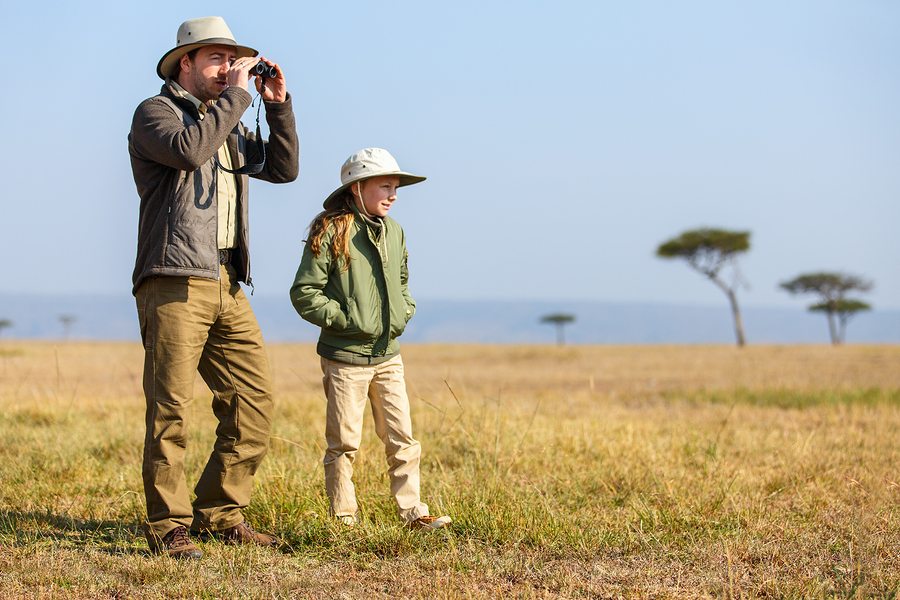
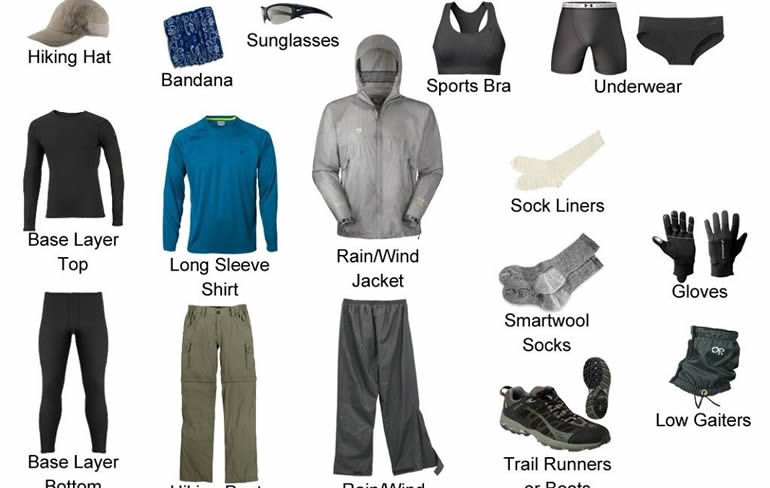
The golden rule for safari fashion is “quiet and practical.” You want clothes that let you blend into the background so the animals stay relaxed, and fabrics that can handle the dusty roads and safari heat, just as well as a misty morning in Bwindi Impenetrable National Park or the chilly Volcanoes National Park
Stick to breathable, lightweight materials that dry quickly, because you’ll likely be washing and wearing the same few favorites throughout the trip.
The Safari Color Palette and Layering
Forget the bright neons or dark blues. In the bush, neutral tones like khaki, beige, olive, and tan are your best friends.
A typical day starts with a chilly sunrise Game drive in the savannah plains where a light fleece or windbreaker is favorable.
By noon, stripping down to a short-sleeve shirt as the equatorial sun takes over, is ideal.
Long-sleeve shirts are also a secret weapon to protect your skin from the sun and keep the mosquitoes at bay during sundowners.
- Lightweight shirts: Bring a mix of long and short sleeves.
- Safari trousers: Zip-off pants are actually great here, even if they look a bit “touristy.”
- A warm fleece: Essential for those 6:00 AM starts.
- A wide-brimmed hat: Trust us, your forehead will thank you.
- Footwear: From Bush Walks to Lodge Lounging
You don’t need a suitcase full of shoes, but the ones you do bring need to work hard. If you’re heading to Uganda for gorilla trekking, a pair of sturdy, broken-in hiking boots with good ankle support is non-negotiable—the forest floors can be slippery and steep. For the flatter plains of Tanzania, a pair of comfortable trail sneakers is usually plenty. Once you’re back at the lodge or camp, you’ll want to kick off those heavy boots and slide into some sandals or light slip-ons to let your feet breathe while you sit by the campfire and talk about the day’s sightings
Weather Protection Items
The African Safaris can be surprisingly intense. So, packing the right weather protection items is a game-changer.
A wide-brimmed hat and UV-protected sunglasses are your primary defense against the equatorial sun in Kidepo Valley National Park, Maasai Mara or Serengenti National Park.
A high-SPF sunscreen to avoid a nasty burn during those long afternoons is essential for you African safari experience as you enjoy a boat trip on the Nile River at Murchison Falls Nationala Park
However, trekking in Bwindi, kibale, Mgahinga national parks in Uganda or near the Ngorongoro highlands in Tanzania or Volcanoes in Rwanda, the weather can flip in an instant.
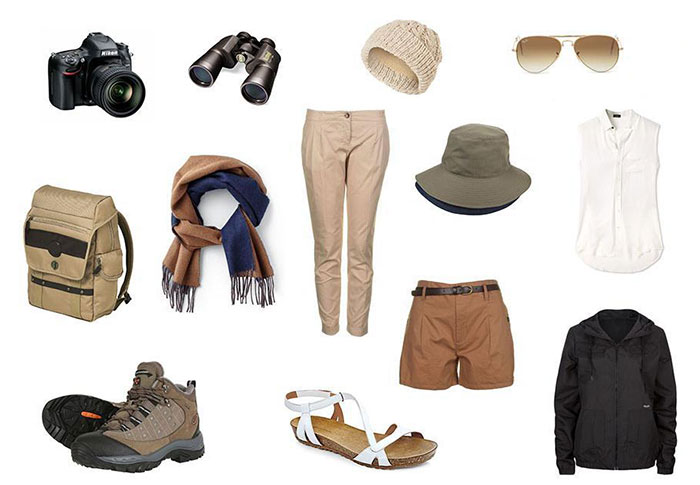
Tossing a lightweight rain jacket or a compact poncho into your daypack ensures that a sudden tropical downpour doesn’t interfere with your gorilla encounter or game drive.
Safari Accessories You Should Not Forget
Yes, a few key gadgets will completely change your East African Safari Experience. These are accessories that help you bridge the gap between just being there and truly seeing the magic of the landscape or capturing shareable memories.
Essential Tech for the Trail and the Truck
A good pair of binoculars is a must have for those “National Geographic” moments. For moments like scanning a leopard tucked into a tree in Rwanda’s Akagera National Park, or the tree climbing lions at Queen Elizabeth National Park. Binoculars bring the action closer without disturbing the animals.
You will also want a good lens camera or a high-end smartphone to capture the magical encounters.
The real secret weapon is a high-capacity power bank. Between the damp chill of the Volcanoes National Park rainforest and long game drives in Murchison Falls or Queen Elizabeth national parks, having a power bank ensures you don’t run miss as a silverback gorilla decides to strike a pose.
Electronic Plugs; A universal travel adaptor is highly recommended with a voltage converter for devices that are not dual voltage. The standard voltage in Uganda and Kenya is 240V at a frequency of 50Hz while in Tanzania and Rwanda its 230V at a similar frequency of 50Hz. Uganda and Kenya use a British style type G three-pin rectangular shape power sockets or outlets while Rwanda and Tanzania use Type C-Europlug two round pins, type J-Swiss type three-pin plugs and type D-triangle as well as type G-two flat parallel pins and a grounding pin respectively. Please talk to our safari planner for more up-to-date information during your planning and booking stage
Health and Personal Care Items
Maintaining your health on the African safari trails is mostly about being prepared for the “dust and bugs” that come with any great outdoor adventure.
In a tropical climate like Uganda’s, insect repellent is your best defense against mosquitoes and a few tsetse flies in Murchison Falls National Park or Kidepo valley national park.
Since National Parks are tucked away from towns, carrying a basic first aid kit with plasters and antiseptic cream is a lifesaver for those small scratches you might get while navigating the thick undergrowth of Bwindi Impenetrable National Park
NB; All tourist vehicles in Uganda, Rwanda, Tanzania as well as Kenya must have a fully stocked first AID kit as a requirement. Your guide is also knowledgeable about life saving first aid skills.
A hand sanitizer and wet wipes, help you stay fresh and hygienic when soap and water are not immediately available.
For your gorilla trekking as well as Chimpanzee tracking or golden monkey tracking, hand gloves come in handy to protect you from stinging nettles and other thorny vegetation. A face mask is also a must have to protect you as well as the primates during the usual 1hour viewing time at an 8meter or even closer viewing distance.
Staying Hydrated and Eco-Friendly
Both Uganda and Rwanda are making massive strides in conservation. One of the most important items to clip onto your daypack is a re-usable water bottle.
In Rwanda, where plastic bags are famously banned, bringing your own bottle shows respect for their pristine “Land of a Thousand Hills.”
Most lodges provide safe, filtered water stations so you can refill before heading out to track chimpanzees in Nyungwe forest or the Kibale Forest as well the mandatory 1.5litres of water during your gorilla tracking.
It’s a small habit that keeps you hydrated in the equatorial heat while helping keep the trails as beautiful and clean as you found them.
Documents and Travel Essentials
Before you zip up your bags, double-checking your paperwork is the most important “pro-tip” for a successful African Safari Experience.
To enter Uganda, a Yellow Fever vaccination certificate is a non-negotiable requirement for everyone. Immigration officers at Entebbe or land borders like Gatuna or Cynika will often ask to see your “Yellow Card” before they even look at your passport.
If you’re hitting both Uganda, Kenya and Rwanda, the East African Tourist Visa ($100) is a lifesaver. It’s a single sticker that gives you 90 days of travel within East Africa.
NB: Just remember, you must apply for the East African Tourist Visa through the country where you will land first.
While Tanzania is NOT part of this specific joint visa, they have a very efficient e-Visa system, and having your “Visa Grant Notice” printed out can save you from long queues at the Airport.
A specialized travel insurance policy might cover a lost suitcase. A medical evacuation from these remote areas can cost thousands of dollars, having a policy that specifically covers helicopter evacuation to a major hospital in Nairobi or Johannesburg is a safety net.
Also, ensure your passport has at least six months of validity and two blank pages; East African border officials love their stamps, and you will want plenty of room for those unique souvenirs in your passport!
Luggage Tips for Safari Travel
Swap the clunky hard-shell suitcase for a soft-sided duffel bag, which is a requirement for the small “bush planes” flying into the Serengeti airstrips or Kihihi airstrip
Keep a small backpack handy for your water bottle, binoculars, camera and rain gear while trekking in Bwindi.
Final Thoughts
At the end of the day, packing for an East African adventure is less about having the “perfect” gear and more about being ready for the unpredictable magic of the bush.
Through your African Adventure, the best things you bring are those that will keep you comfortable and present. By sticking to breathable layers, sturdy boots for the Ugandan mud, and a reliable power bank for those endless photos.
The most important thing to remember is that a well-prepared bag leads to a much smoother journey across borders.
From the moment you land at Entebbe to your final sunset in Tanzania, having your “Yellow Card” ready and your camera within reach makes every transition feel easy.
Ready to turn this packing list into a reality? Let’s start planning your custom route today!
Related Posts