Lion Tracking vs Gorilla Trekking: Which One Belongs on Your Safari? Guests planning a Uganda…
Rwanda Travel Guide 2026
Rwanda Travel Guide 2026
Rwanda Travel Guide 2026; Rwanda is harder to reduce into a simple image because its power lies in contrast. Some countries are easy to describe. They have one famous beach, one celebrated city, or one iconic monument that appears on postcards and travel advertisements.
Rwanda is a small East African nation with global wildlife significance, deep historical weight, modern urban efficiency, extraordinary scenery, and a tourism model that often surprises even ardent travelers. Many visitors arrive expecting mountain gorillas and green hills. They leave talking about something larger: how Rwanda feels.
The first impression for many travelers is order. Kigali International Airport is relatively calm and manageable compared with some larger gateways. Roads leading into the capital are smooth, traffic discipline is noticeable, and public spaces are cleaner than many first time visitors expect. Rwanda’s reputation for cleanliness is not accidental.
Policies on environmental management, including restrictions on plastic bags introduced years ago, helped shape a visibly tidy public environment. Travelers frequently mention this because it changes how they experience movement through the country.
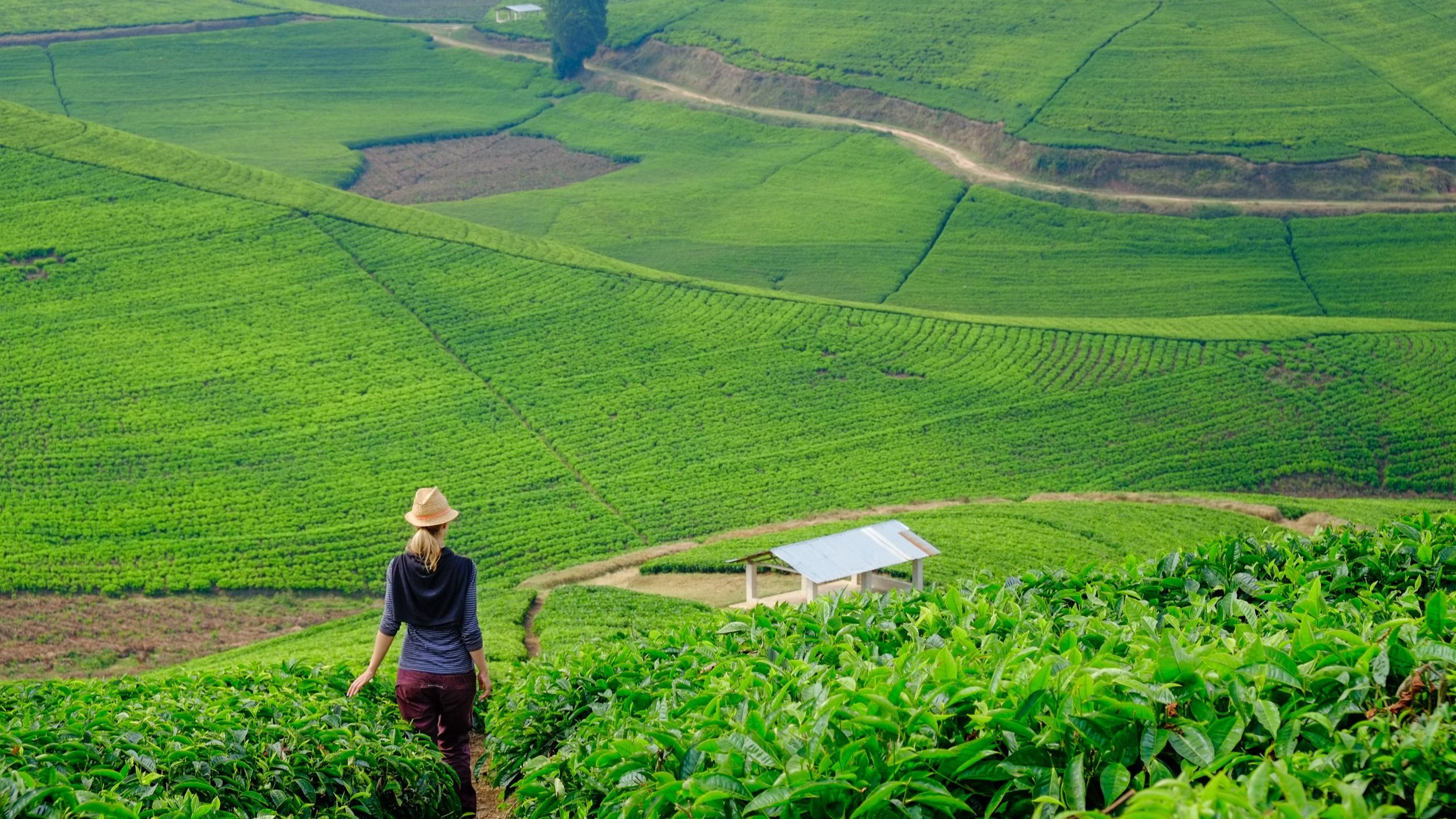
Then comes the landscape. Rwanda is known as the Land of a Thousand Hills, and the phrase is not a marketing exaggeration. Hills rise and fold into one another across much of the country, creating endless layered scenery. In one week, a traveler can move from the cosmopolitan neighborhoods of Kigali to the savannah wildlife landscapes in Akagera National Park, then to the volcanic mountain forests in the Volcanoes National Park and to the ancient rainforest systems of Nyungwe National Park. Few countries of Rwanda’s size offer such variety within easy access.
Rwanda also carries one of the most profound stories of recovery in modern history. The 1994 Genocide against the Tutsi devastated the nation and left deep scars. Yet the decades since have become globally studied for reconstruction, governance reforms, healthcare progress, and tourism development. Visiting Rwanda responsibly means understanding both its beauty and its history.
This guide is designed to help travelers do exactly that in 2026. Not simply to tick attractions off a list, but to understand how to move through Rwanda respectfully, and meaningfully. Because Rwanda is not a place best consumed quickly. It is a destination best experienced with attention.
Why Visit Rwanda in 2026
Rwanda in 2026 sits at a unique point in African tourism where conservation success, infrastructure development, and curated visitor experiences meet in a way that feels deliberately structured. Travelers are no longer discovering Rwanda as a hidden secret. They are engaging with a country that has intentionally built itself into a high quality destination while protecting its natural and cultural assets.
The most powerful reason people visit Rwanda is still wildlife, but it is not wildlife in isolation. It is wildlife supported by one of the most successful conservation frameworks in Africa. Volcanoes National Park, home to mountain gorillas, represents one of the clearest examples. Mountain gorillas once faced extreme population decline in the late twentieth century, with estimates dropping to fewer than 300 individuals in the world.
Through coordinated conservation efforts across Rwanda, Democratic Republic of Congo, and Uganda’s Bwindi Impenetrable National Park their numbers have now risen to over 1000 individuals across the Virunga ecosystem according to conservation monitoring data. Rwanda plays a central role in this recovery story, and gorilla trekking permits directly contribute to funding protection systems.
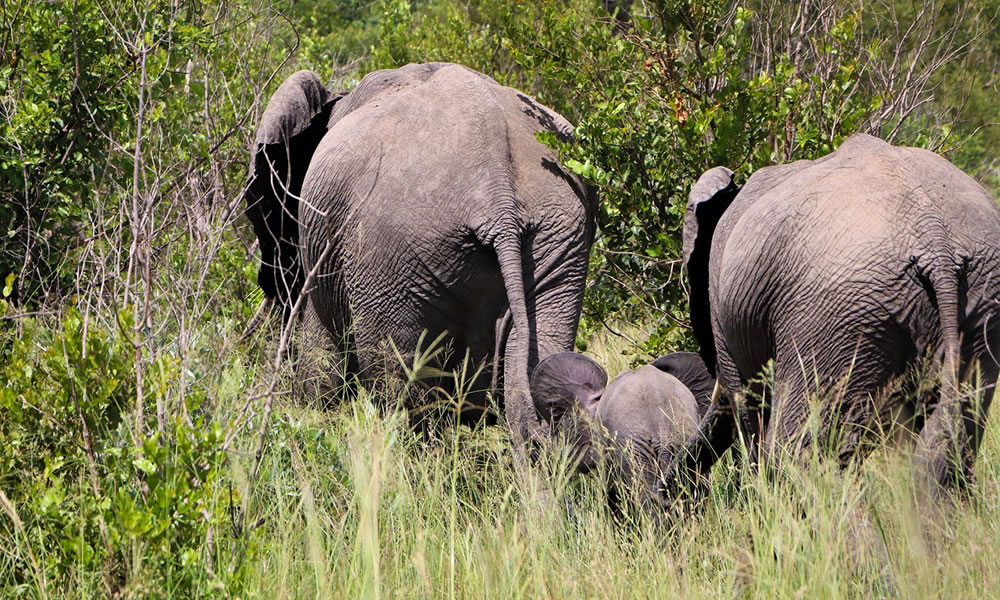
In addition to mountain gorillas, Rwanda offers a surprisingly complete safari circuit. Akagera National Park has undergone one of Africa’s most documented wildlife restoration projects. Lions were reintroduced in 2015 after a 20 year absence, followed by black rhinos in 2017. Today, Akagera supports the Big Five ecosystem again, including elephants, buffalo, lions, leopards, and rhinos. This is significant because few countries have restored such a full savannah system within a relatively short time.
Beyond wildlife, Rwanda offers structured tourism experiences. Kigali is often cited in travel surveys as one of Africa’s cleanest and safest capitals. Infrastructure improvements, including road quality and tourism service standards, have made internal travel easier compared with many regional destinations.
Another reason travelers choose Rwanda in 2026 is accessibility of experience. In a short itinerary, visitors can combine gorilla trekking, savannah safari, rainforest chimpanzee tracking and canopy walks, as well lake relaxation at Lake Kivu without crossing vast distances.
Rwanda is a curated one, not a mass tourism destination. Visitors are guided through experiences that feel intentional, managed, and environmentally conscious. That is why travelers in 2026 are engaging with a destination that actively shapes how tourism should look in a conservation focused future.
Where Is Rwanda and What Is It Like
Rwanda is a landlocked country in East Africa, positioned in the Great Lakes region and bordered by Uganda to the north, Tanzania to the east, Burundi to the south, and the Democratic Republic of Congo to the west. Its total area is about 26,000 square kilometers, which makes it one of the smaller countries on the African continent. Yet what Rwanda lacks in size, it compensates for through density of experience, especially for travelers interested in wildlife, culture, and scenic landscapes.
Geographically, Rwanda is dominated by elevation. The country sits mostly between 1,400 and 1,800 meters above sea level, which creates a cooler and more temperate climate than many expect from equatorial Africa. This elevation is also responsible for its signature rolling hills and mountainous terrain. The landscape is rarely flat. Instead, it rises and falls continuously, forming a layered horizon that gives Rwanda its famous nickname, the Land of a Thousand Hills. This terrain directly influences travel time, scenery, as well as agricultural patterns across the country.
One of the most important ecological features is Rwanda’s division into distinct natural zones within short distances. In the northwest, the Virunga volcanic range creates the dramatic backdrop of Volcanoes National Park, home to mountain gorillas. In the southwest, Nyungwe Forest National Park protects one of Africa’s oldest montane rainforests, estimated to be over a million years old in ecological origin. In the east, Akagera National Park transitions into savannah plains, wetlands, and lakes. This ecological variety within a compact geography is unusual and contributes to Rwanda’s strong appeal as a multi experience destination.
The capital city, Kigali, sits near the center of the country. It is built across hills and valleys, with modern districts, residential neighborhoods, and commercial areas blending into green surroundings. Kigali is often referenced in travel reports as one of the cleanest and most organized cities in Africa, supported by environmental regulations and consistent urban planning.
What Rwanda feels like in practice is a combination of structure and nature. Cities feel orderly, roads are well maintained compared to regional averages, and public spaces are cared for. Outside urban areas, the country quickly transitions into farmland, forest, and protected parks.
For travelers, this means movement through Rwanda feels continuous rather than fragmented. You are rarely far from nature, yet you still experience functioning cities and infrastructure. That balance is one of the defining characteristics of Rwanda as a travel destination in 2026.
Best Time to Visit Rwanda in 2026
Rwanda is a year round destination, but the experience you have will shift noticeably depending on the season you choose. Because the country sits close to the equator, temperatures remain relatively stable throughout the year, usually ranging from mild to warm in lower areas and cooler in higher elevations such as Volcanoes National Park. What changes most is rainfall, and rainfall directly affects trekking conditions, safari visibility, and the general feel of travel.
The year is generally divided into two dry seasons and two rainy seasons. The main dry periods run from June to September and from December to February. These months are considered the most popular for gorilla trekking in Volcanoes National Park and game viewing in Akagera National Park. Trails are typically firmer during this time, making hikes less physically demanding compared to wet months. Wildlife viewing in Akagera can also be clearer because animals tend to gather around remaining water sources, increasing sighting chances.
During peak dry months, tourism demand increases significantly. Gorilla trekking permits are often booked many months in advance, especially for June through August, which aligns with international holiday seasons. Lodges in key locations such as Musanze near Volcanoes National Park and lodges inside Akagera National Park can reach full occupancy early. This is important for travelers planning luxury or mid-range safaris, as availability becomes limited closer to travel dates.
The rainy seasons occur roughly from March to May and again from October to November. These periods bring heavier rainfall, especially in forested and mountainous regions. However, rainfall in Rwanda is often intermittent rather than constant, meaning travel is still possible. The landscape becomes more lush and green, creating dramatic scenery that appeals strongly to photographers and travelers who prefer fewer crowds.
In Volcanoes National Park, rainy conditions can make gorilla trekking more physically demanding because trails become slippery and vegetation denser. However, gorilla encounters still occur daily because the animals remain in their habitat regardless of weather. In Akagera National Park, rain can enhance scenery, especially around lakes and wetlands, though some dirt roads may become more challenging to navigate.
From a practical travel perspective, the best time to visit Rwanda depends on priorities. If ease of trekking, clearer roads, and predictable conditions matter most, dry seasons are ideal. If lower crowd levels, greener landscapes, and more flexible availability are preferred, shoulder or rainy seasons can be rewarding.
Ultimately, Rwanda does not have a bad season. It has different versions of the same experience, each shaped by weather, visibility, and traveler expectations. The key is matching timing to travel style rather than chasing a perfect month that does not exist.
How Many Days Do You Need in Rwanda
One of the most important planning decisions for Rwanda travel in 2026 is not where to go, but how long to stay. Rwanda is compact geographically, yet it is dense in experience. Distances between major tourism regions are manageable, but activities such as gorilla trekking, safari drives, and rainforest exploration require time, patience, and proper pacing. Many travelers underestimate this and try to compress too much into too few days.
For a short but meaningful visit, three to four days can work if the main goal is gorilla trekking in Volcanoes National Park. In this scenario, most itineraries include arrival in Kigali, one night in the city, a transfer to the Musanze region, and a gorilla trekking experience followed by departure or return to Kigali. This type of trip is common among business travelers or visitors combining Rwanda with other East African destinations. However, it is fast paced and leaves limited room for additional exploration.
A more balanced experience requires five to seven days, which is considered ideal for most first time travelers. This timeframe allows a combination of Kigali, Volcanoes National Park, and either Akagera National Park or Lake Kivu. For example, a typical seven day itinerary might include one night in Kigali, two nights near Volcanoes for gorilla trekking and golden monkeys, and two nights in Akagera for classic safari experiences. This structure provides variety without rushing between destinations.
For travelers who want a full Rwanda experience, eight to twelve days allows deeper exploration. This longer itinerary can include all major highlights: Volcanoes National Park for gorillas, Akagera for Big Five safaris, Nyungwe Forest for chimpanzees and canopy walks, Kigali for cultural immersion, and Lake Kivu for relaxation. This format is especially popular among photographers, honeymoon travelers, and safari enthusiasts who prefer slower travel with more time in each location.
A key consideration in Rwanda is travel rhythm. While distances appear short on maps, road travel through hilly terrain naturally takes longer than expected. For example, Kigali to Volcanoes National Park typically takes about two and a half to three hours depending on conditions, while Kigali to Akagera takes roughly two and a half hours. These transfers, combined with early starts for activities such as gorilla trekking, determines how many experiences can realistically fit into each day.
From real traveler patterns, those who rush Rwanda often report fatigue rather than enjoyment. Those who allow buffer time between parks consistently describe a more rewarding journey. Rwanda is not a destination where more days equal boredom. Instead, more days often equal depth, variety, and better pacing.
In simple terms, three days is possible, seven days is balanced, and ten days is ideal for a full experience. The best choice depends on whether Rwanda is a single highlight or the centerpiece of your East African journey.
Kigali City Travel
Kigali is often the first and last impression of Rwanda, and in many cases it becomes one of the most unexpectedly appreciated parts of the entire journey. Unlike many African capitals that feel chaotic or difficult to navigate for first time visitors, Kigali is known for its order, cleanliness, and calm structure. Built across rolling hills, the city is a layered landscape of residential neighborhoods, commercial districts, and green corridors connected by well-maintained roads.
One of the most consistent observations from travelers is how organized Kigali feels on arrival. Traffic flows are relatively disciplined compared to regional standards, and public spaces are notably clean due to long standing environmental regulations, including restrictions on plastic bags. This contributes to a sense of civic order that enhances visitor experience from the moment of arrival at Kigali International Airport.
Kigali is also a city of history and reflection. The Kigali Genocide Memorial stands as one of the most important educational and remembrance sites in East Africa, documenting the events of 1994 and the country’s path toward recovery. Many visitors describe this visit as emotionally powerful and essential for understanding Rwanda beyond its landscapes and wildlife. It provides context for the nation’s transformation and its emphasis on unity and rebuilding.
Beyond history, Kigali has developed a growing cultural and culinary scene. Cafes, rooftop restaurants, art galleries, and boutique hotels reflect a modern urban identity that continues to evolve. Neighborhoods such as Kiyovu and Kimihurura are known for dining and nightlife experiences that feel relaxed rather than overwhelming.
From a travel planning perspective, Kigali is also strategically important. It serves as the central hub for transfers to Volcanoes National Park, Akagera National Park, Nyungwe Forest, and Lake Kivu. Most itineraries begin here, making it a logistical anchor for safaris.
A practical recommendation for travelers in 2026 is to allocate at least one to two nights in Kigali. This allows time to recover from international flights, adjust to altitude, and organize permits or logistics, and gradually transition into safari travel. Many experienced visitors also choose to end their trip in Kigali, using the city as a calm space before departure.
Kigali is a structured, reflective, and increasingly dynamic city that helps frame the rest of the Rwanda experience.
Volcanoes National Park
Volcanoes National Park is the most internationally recognized wildlife destination in Rwanda and the primary reason many travelers visit the country. Located in the northwestern region near the town of Musanze, the park forms part of the larger Virunga volcanic ecosystem shared with Uganda and the Democratic Republic of Congo. It is a high altitude environment characterized by bamboo forests, mist covered slopes, volcanic peaks, and dense montane vegetation.
The park is most famous for mountain gorilla trekking, one of the rarest wildlife experiences in the world. Rwanda hosts a portion of the remaining mountain gorilla population, which has recovered significantly over recent decades due to strict conservation measures and controlled tourism. Only a limited number of permits are issued daily, ensuring that each gorilla family is visited by a small group of travelers accompanied by trained rangers and trackers.
A typical gorilla trek begins early in the morning with a briefing at the park headquarters. Groups are assigned based on fitness levels and gorilla family locations. Treks can last from one hour to several hours depending on how far the gorillas have moved. The terrain includes steep slopes, thick vegetation, and sometimes muddy conditions, especially during rainy seasons.
Once a gorilla family is located, visitors are allowed a strictly timed one hour in their presence. During this time, travelers observe natural behavior such as feeding, grooming, resting, and social interaction. The presence of a dominant silverback is often a highlight, as he typically oversees the group with calm authority.
In addition to gorilla trekking, Volcanoes National Park also offers golden monkey tracking, volcanic hiking experiences, and cultural visits linked to conservation history. The park is also associated with the legacy of conservation researcher Dian Fossey, whose work in the region contributed significantly to global awareness of mountain gorillas.
Most travelers stay in the nearby Musanze region, which offers a range of accommodation options from mid-range lodges to high end forest retreats. Travel time from Kigali is approximately two and a half to three hours. Volcanoes National Park is the defining experience of the entire journey.
Akagera National Park
Akagera National Park represents Rwanda’s transformation story in ecological form. Located in the eastern part of the country along the border with Tanzania, the park covers a diverse landscape of savannah plains, rolling hills, wetlands, lakes, and papyrus swamps. It is the only protected savannah ecosystem in Rwanda and provides a classic safari experience that contrasts with the country’s forest dominated regions.
Historically, Akagera suffered severe wildlife loss due to human pressure and post conflict instability. However, over the past two decades, it has undergone one of Africa’s most successful conservation recoveries. Through partnerships between Rwanda Development Board (RDB) and conservation organizations, species such as lions and rhinos have been reintroduced, restoring the park to Big Five status. Today, visitors can potentially see elephants, lions, leopards, buffalo, and both black and white rhinos, along with giraffes, zebras, hippos, crocodiles, and numerous antelope species.
Game drives are the primary activity in Akagera. Early morning and late afternoon drives offer the best chances of wildlife sightings, as animals are more active during cooler hours. The park’s road network allows access to key habitats, including open plains and lake edges where wildlife congregates.
A distinctive feature of Akagera is its water based ecosystem. Lake Ihema, the largest lake in the park, supports boat safaris that offer a different perspective from land based game drives. From the water, visitors commonly see hippos, crocodiles, water birds, and elephants along the shoreline. This combination of land and water safari experiences is relatively rare in East Africa and adds significant value to the park.
Accommodation options range from mid-range lodges near the park boundary to luxury tented camps inside or close to the park. Travel time from Kigali is approximately two and a half hours, making it suitable for short safari extensions or part of a longer itinerary.
Akagera is often described as Rwanda’s hidden safari surprise. It may not be as globally famous as Rwanda gorilla trekking tour, but it provides a complete Big Five Rwanda luxury safari experience within a restored and carefully managed ecosystem.
Nyungwe Forest
Nyungwe Forest National Park is one of Africa’s oldest montane rainforests and a critical biodiversity hotspot in southwestern Rwanda. Covering approximately 1,000 square kilometers, it is a dense, ancient forest ecosystem characterized by steep hills, thick vegetation, waterfalls, and high levels of rainfall. Unlike savannah parks, Nyungwe offers a fully immersive rainforest experience where sound, humidity, and visibility are shaped by dense canopy cover.
The park is most famous for chimpanzee trekking. Nyungwe is home to habituated chimpanzee groups that visitors can track with experienced guides. Chimpanzee trekking involves early morning hikes into the forest, following vocalizations and movement patterns. Encounters are dynamic and often energetic, as chimpanzees are highly active and social animals. Unlike gorilla trekking, chimpanzee sightings can involve rapid movement and louder interactions within the group.
Nyungwe Forest is also known for its primate diversity. The park hosts multiple monkey species, including large troops of colobus monkeys that can be seen in impressive numbers. Birdwatching is another major activity, with hundreds of species recorded making it one of East Africa’s top birding destinations.
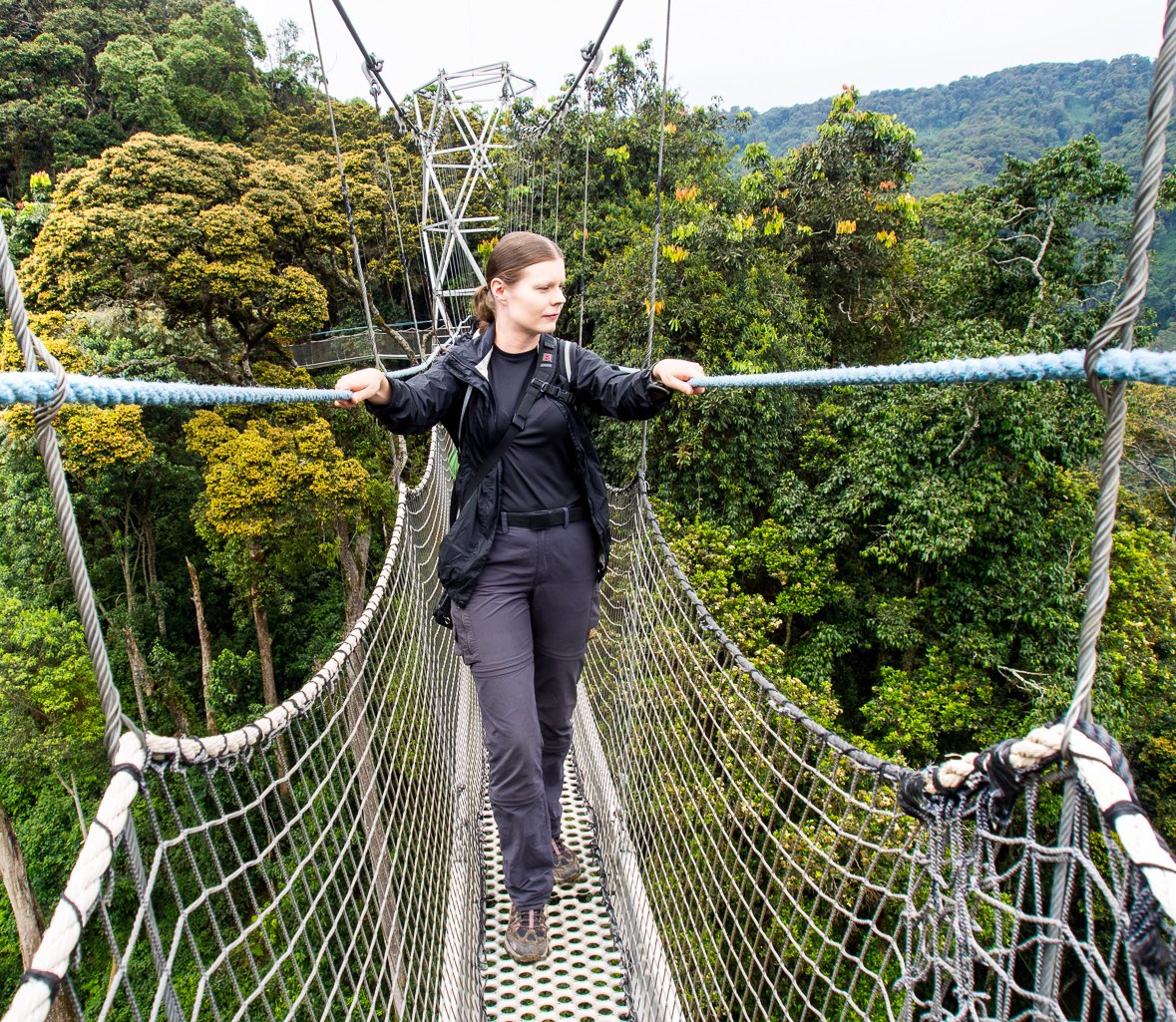
One of the most distinctive attractions is Nyungwe canopy walk, a suspended bridge that allows visitors to walk above the forest at height. This provides a unique perspective of the rainforest structure, including treetop views and deep valley scenery.
Accommodation near Nyungwe is typically located along the forest edge, offering panoramic views of surrounding hills and tea plantations. Travel times from Kigali are longer compared to other parks, usually between five to six hours depending on the route and stops.
Nyungwe appeals strongly to travelers seeking deeper ecological immersion. It is less about rapid sightings and more about atmosphere, sound, and forest depth.
Lake Kivu
Lake Kivu is one of Rwanda’s most scenic and relaxing destinations, offering a contrast to the intensity of gorilla trekking and safari activities. Located along Rwanda’s western border with the Democratic Republic of Congo, it is part of Africa’s Great Lakes system and one of the largest freshwater lakes on the continent.
The lake is surrounded by a series of peaceful towns, with the most popular being Gisenyi in the north, Kibuye in the central region, and Cyangugu in the south. Each town offers a slightly different atmosphere, but all share calm waters, hillside views, and a slower travel rhythm compared to national parks.
Lake Kivu is often used as a rest stop within longer Rwanda itineraries. After physically demanding activities such as gorilla trekking or chimpanzee tracking, many travelers choose to spend one or two nights by the lake to recover and reflect. The environment is quiet, with gentle lake breezes, boat activity, and scenic sunsets.
Activities around Lake Kivu include boat trips, kayaking, cycling along lakeside routes, coffee plantation visits, and simple relaxation at waterfront lodges. Swimming is possible in designated safe areas, and fishing communities are visible along the shoreline, adding cultural depth to the experience.
From a logistical standpoint, Lake Kivu also serves as a useful connection point between Volcanoes National Park and Nyungwe Forest, making it a natural stop in multi park itineraries.
What makes Lake Kivu particularly valuable in a Rwanda journey is not intensity, but balance. It provides space to slow down, process experiences, and enjoy scenery without structured activity pressure.
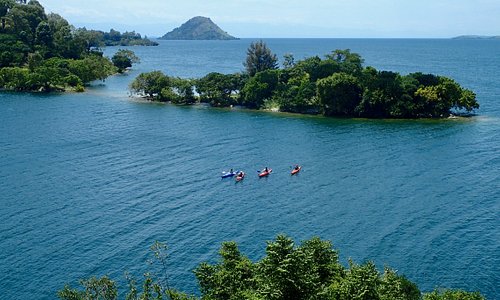
For many travelers, it becomes the quiet conclusion to an otherwise active safari circuit, offering reflection before returning to Kigali or continuing onward travel.
Is Rwanda Safe for Travelers in 2026?
Safety is one of the first concerns many travelers have before visiting any destination, and Rwanda is often discussed in travel research as one of the more stable and orderly countries in East Africa. In practical terms, most visitors experience Rwanda as calm, structured, and easy to navigate, especially in comparison with global travel averages.
Kigali in particular is frequently highlighted by travelers for its sense of security. Streets are generally well lit in central areas, traffic rules are observed more consistently than in many regional capitals, and public spaces are actively maintained. This creates an environment where walking in designated neighborhoods, dining out, and moving between hotels and attractions feels straightforward for most tourists during the day and early evening.
Beyond the capital Kigali, national parks such as Volcanoes, Akagera, and Nyungwe operate under strict management systems. Entry is controlled, activities are guided by trained rangers, and movement within parks is structured. Gorilla trekking, for example, is conducted in supervised groups with park staff who monitor both visitor behavior and wildlife safety. This controlled system is one of the reasons Rwanda has maintained a strong reputation in primate tourism.
From a broader context, Rwanda’s governance has placed strong emphasis on order, public safety, and environmental regulation. This includes policies on cleanliness, restricted plastic use, and community participation in tourism development. While these policies are not directly about tourism safety, they contribute to the overall sense of organization that travelers notice on arrival.
Like any international destination, basic travel precautions still apply. Using registered tour operators, securing valuables, respecting local laws, and following ranger instructions in wildlife areas are essential. Health precautions are also important, especially when participating in gorilla trekking, where guidelines are in place to protect both visitors and endangered primates.
Real world traveler experiences consistently highlight Rwanda as a destination where people often feel comfortable moving through guided itineraries. Solo travelers, families, and first time Africa visitors frequently choose Rwanda because it offers a structured introduction to safari travel without the unpredictability sometimes associated with more remote destinations.
In summary, Rwanda’s safety reputation is not based on perception alone. It is reinforced by organized tourism systems, controlled park access, and a strong emphasis on visitor management. While no destination is without risk, Rwanda’s travel environment in 2026 is widely regarded as stable, guided, and well supported for all visitors.
Rwanda Costs and Budget Guide 2026
Understanding the cost of travel in Rwanda requires looking beyond individual prices and focusing on how experiences are structured together. Rwanda is not typically classified as a budget backpacking destination, but it does offer a wide spectrum of travel styles ranging from mid-range comfort to high end luxury.
The most significant fixed cost for most travelers is the gorilla trekking permit in the Volcanoes National Park, which is priced in the premium category compared with other East African destinations. This single activity often determines the overall budget of a trip. However, beyond this, Rwanda offers flexibility depending on accommodation choices, transport arrangements, and length of stay.
Mid-range travel in Rwanda usually includes comfortable lodges or boutique hotels, private or shared guided transport, and organized park activities. Travelers in this category often find that Rwanda delivers strong value in terms of service quality, cleanliness, and logistics efficiency. Meals in mid-range establishments are generally well prepared, and many lodges offer scenic locations near parks or lakes.
Luxury travel in Rwanda is highly developed, particularly around Volcanoes National Park and parts of Akagera, Nyungwe and Kigali. High end lodges often feature panoramic views, private cottages, personalized service, and curated safari experiences. Some properties offer exclusive gorilla trekking packages, helicopter transfers, and fine dining experiences designed for high comfort travel.
Budget travel is more limited compared with other African destinations but still possible, especially in Kigali and select guesthouses near park regions. However, transportation and permit costs remain significant fixed components, which means even budget itineraries require careful planning.
A key factor influencing cost is transport. Private driver guides are commonly used and often recommended because they simplify movement between parks. Self-drive options exist but require confidence in road navigation and time management.
Another important consideration is itinerary design. Rwanda can be experienced in as little as three days or extended into ten days or more depending on how many parks are included. Short itineraries concentrate costs, while longer itineraries spread them across more experiences.
Overall, Rwanda in 2026 is best understood as a value driven destination rather than a low cost one. Travelers are paying not only for activities but also for infrastructure quality, conservation systems, and streamlined travel experiences that reduce uncertainty and enhance comfort.
Transport in Rwanda
Transport in Rwanda is one of the most structured aspects of travel in the country, and it plays a major role in determining the overall safari experience. Because Rwanda is relatively small in size, movement between major destinations is generally straightforward, but the terrain and travel style still influence timing and comfort.
The most common and recommended option for international travelers is a private driver guide system. This involves hiring a professional driver who also acts as a local guide, managing road navigation, park transfers, timing, and sometimes activity coordination. This approach is popular because it reduces logistical stress and allows travelers to focus entirely on the experience rather than road conditions or directions. Driver guides are especially valuable when combining multiple destinations such as Kigali, Volcanoes National Park, Akagera National Park, and Nyungwe Forest.
Self-driving is also possible in Rwanda. Road infrastructure is relatively well maintained compared to regional standards, particularly between major towns and tourism hubs. However, Rwanda’s terrain is hilly, and driving involves frequent sharp bends, elevation changes, and rural road sections near parks. For this reason, self-drive is more common among experienced travelers who are comfortable with African road conditions and independent navigation.
Domestic flights within Rwanda are limited but available for certain routes and luxury travel itineraries. These are typically used to save time on longer journeys or to connect remote regions more efficiently, particularly for high end safari packages.
Public transport exists in the form of buses and shared costa buses, primarily used by local residents. While functional, they are not commonly used in structured safari itineraries due to limited flexibility for park schedules and activity timing.
Travel times in Rwanda are often shorter than expected but should not be underestimated. For example, Kigali to Volcanoes National Park typically takes around two and a half to three hours depending on traffic and road conditions. Kigali to Akagera National Park takes a similar duration. Kigali to Nyungwe Forest is significantly longer, often five to six hours due to mountainous terrain.
A key practical insight is that Rwanda travel is not only about distance, but also elevation and road curves. Maps may show short gaps between destinations, but actual travel time reflects the country’s hilly geography.
In summary, transport in Rwanda is efficient, structured, and reliable by regional standards, with private driver guides offering the most balanced option for comfort, safety, and ease of movement.
What to Pack for Rwanda
Packing for Rwanda requires understanding that the country combines multiple environments within a single trip. A traveler may move from urban Kigali to high altitude volcanic forests, then to the savannah plains and rainforest ecosystems within a few days. This variation means packing should prioritize versatility, comfort, and protection from changing conditions.
Footwear is one of the most important considerations. For activities such as gorilla trekking in Volcanoes National Park, sturdy hiking boots with good grip are essential. Trails can be muddy, uneven, and steep depending on weather conditions. Many travelers also bring gaiters to prevent mud and vegetation from entering boots during forest hikes. Lightweight sneakers may be suitable for cities like Kigali but are not sufficient for trekking environments.
Clothing should be layered. Morning temperatures in higher altitude areas can feel cool, especially before sunrise treks begin. As the day progresses, conditions may warm up, particularly in lower altitude parks like Akagera National Park. A combination of breathable shirts, light trousers, and a warm layer such as a fleece or jacket is practical. Neutral colors such as green, beige, and brown are commonly recommended for safari environments.
Rain protection is important regardless of season. Rwanda’s weather can change at short notice, particularly in forest regions. A lightweight waterproof jacket or poncho is useful for both trekking and general travel. Even during dry seasons, short rainfall can occur in certain regions.
Accessories also play a role in comfort. Gloves are often recommended for gorilla trekking, as they help when holding vegetation or stabilizing during climbs. A hat and sunglasses are useful for sun protection in open safari areas. Sunscreen is essential due to Rwanda’s equatorial location and higher altitude exposure.
A small daypack is useful for carrying water, snacks, and personal items during activities. Reusable water bottles are encouraged, especially in park environments where sustainability is emphasized. A power bank is also practical for long travel days, particularly in remote areas where charging opportunities may be limited.
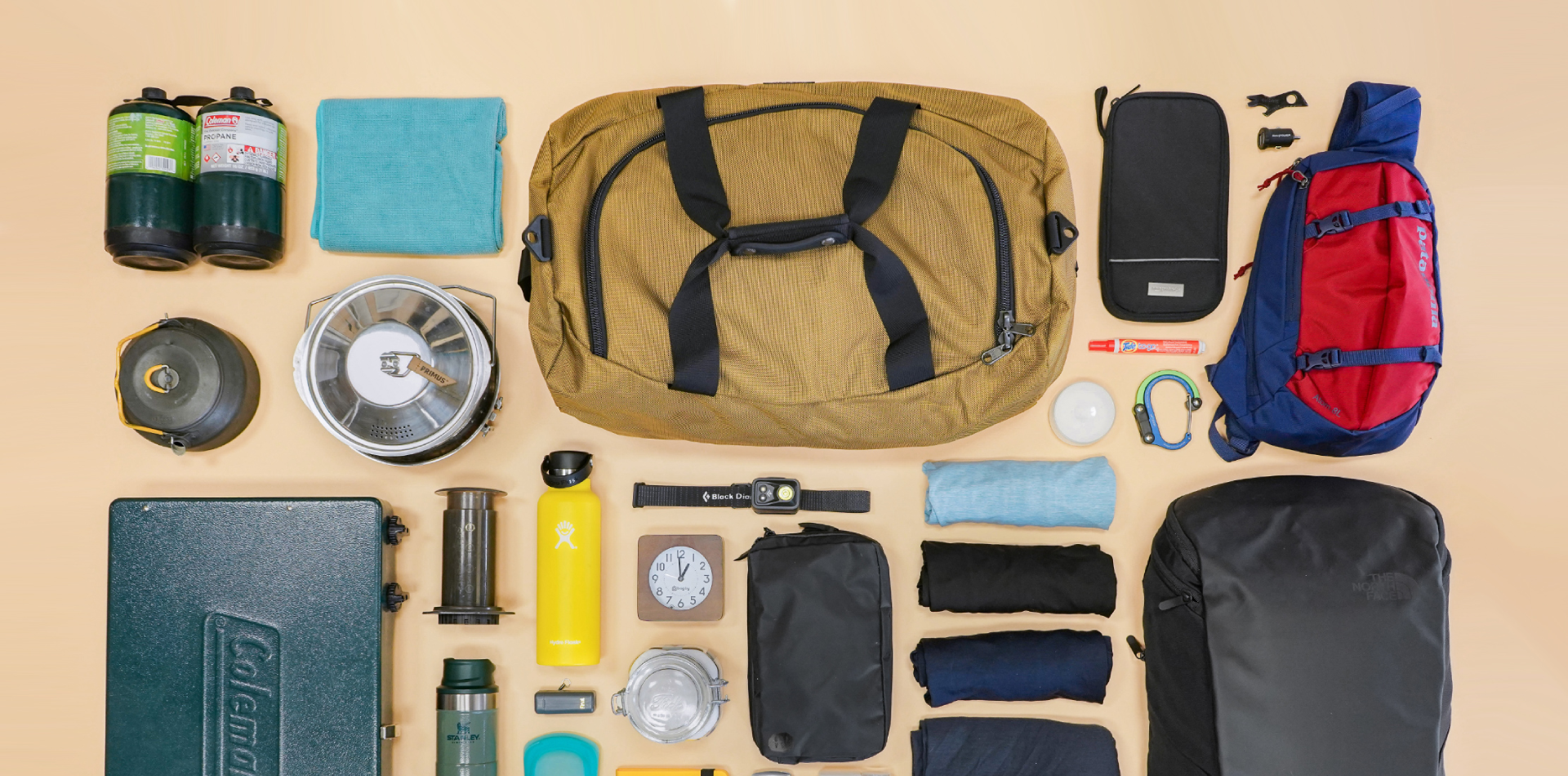
Travelers should also consider binoculars for wildlife viewing, especially in Akagera National Park, where game drives cover open landscapes. Camera equipment is optional but widely used, particularly during gorilla trekking, where photography opportunities are highly valued.
In essence, packing for Rwanda is about preparing for movement between environments rather than a single climate. The most successful travelers are those who prioritize practicality, layering, and adaptability over excess clothing or unnecessary items.
Common Rwanda Travel Mistakes to Avoid
Rwanda is a well-structured destination, but like any travel experience, certain planning mistakes can reduce comfort, increase costs, or limit the quality of the journey. Understanding these common errors helps travelers build smoother and more rewarding itineraries.
One of the most frequent mistakes is trying to fit too many destinations into too few days. Rwanda may appear small on a map, but travel between parks involves winding roads, elevation changes, and activity schedules that start early in the morning. Travelers who attempt to visit Volcanoes National Park, Akagera National Park, Nyungwe Forest, and Lake Kivu in a very short timeframe often end up spending more time in transit than in experience. A more balanced itinerary improves overall satisfaction.
Another common mistake is delaying gorilla trekking permit booking. Gorilla permits in Volcanoes National Park are limited and highly sought after, especially during peak travel seasons. Travelers who wait too long may find their preferred dates unavailable, which can disrupt entire trip plans.
A third mistake is underestimating Kigali. Some visitors treat the capital as a simple arrival or departure point, but Kigali offers cultural, historical, and culinary experiences that add depth to the journey. Skipping it entirely often removes important context from the Rwanda experience.
Improper footwear is another issue, particularly for gorilla trekking. Lightweight shoes or fashion sneakers are not suitable for muddy or steep terrain. This can lead to discomfort and reduced enjoyment during trekking.
Another planning mistake is focusing only on cost without considering value. Choosing the cheapest transport or accommodation options without evaluating reliability or location can lead to longer transfers or reduced comfort, especially in remote park regions.
Finally, some travelers overlook the importance of pacing. Rwanda rewards slow travel. Allowing time for rest, scenery, and unexpected moments often leads to a more memorable experience than tightly scheduled itineraries.
Avoiding these mistakes does not require complex planning. It simply requires realistic expectations, early booking for key activities, and thoughtful pacing across destinations.
Best Rwanda Itinerary Ideas
Designing a Rwanda itinerary depends on time, interests, and travel style, but most successful trips follow a structured progression that balances Kigali, wildlife parks, and relaxation.
For a short visit of around five days, a focused itinerary often begins in Kigali, followed by transfer to Volcanoes National Park for gorilla trekking, then a return to Kigali. This structure is common among travelers combining Rwanda with other East African destinations. It prioritizes the most iconic experience while maintaining manageable logistics.
A seven day itinerary allows more balance. A typical structure includes Kigali for arrival and cultural exploration, Volcanoes National Park for gorilla trekking and possibly golden monkeys, and Akagera National Park for a Big Five safari experience. This combination provides both forest and savannah environments within a single trip.
For a more comprehensive experience of ten days or more, Rwanda opens up fully. Travelers can include Kigali, Volcanoes National Park, Akagera National Park, Nyungwe Forest for chimpanzee trekking and canopy walks, and Lake Kivu for relaxation. This creates a complete circuit of Rwanda’s major ecosystems, from rainforest to savannah to lake regions.
In practice, the most successful itineraries follow a logical geographic flow. Starting in Kigali, moving east to Akagera, then north to Volcanoes and then heading southwest to Nyungwe or Lake Kivu reduces unnecessary backtracking. This improves travel efficiency and reduces fatigue.
Another important factor in itinerary design is activity timing. Gorilla trekking requires an early start, often with briefing sessions in the morning. Safari game drives in Akagera are also best done during early morning or late afternoon hours when the animals are more active. This means travel days should not be overloaded with multiple major activities.
From real traveler experience, itineraries that include buffer time between parks tend to feel more enjoyable and less rushed. Rwanda is not a destination that benefits from constant movement. It rewards structured exploration combined with moments of pause.
The best itinerary is not necessarily the one with the most destinations. It is the one that allows each experience to be fully appreciated without rushing to the next.
Food in Rwanda
Food in Rwanda reflects both local traditions and the country’s growing modern hospitality scene. While Rwanda is not globally known as a culinary destination in the same way as some larger countries, travelers often find the food experience surprisingly diverse, fresh, and closely connected to local agriculture.
Traditional Rwandan cuisine is based heavily on locally grown staples such as bananas, beans, sweet potatoes, cassava, rice, and maize. These ingredients are commonly prepared in simple but flavorful combinations. A typical meal might include grilled meat or fish served with plantains or rice and a side of vegetables. Freshness is a consistent theme, as much of the produce comes from surrounding rural areas.
One of the most commonly consumed proteins is tilapia, especially in regions near Lake Kivu and other freshwater sources. Grilled tilapia served with plantains is a popular dish among both locals and visitors. Goat meat is also widely available and often prepared in stew or grilled form.
In urban areas like Kigali, the food scene has expanded significantly. Cafes, restaurants, and hotels now offer both local and international cuisine. Travelers can find everything from traditional Rwandan dishes to Indian, Italian, Middle Eastern, and contemporary fusion menus. This reflects Kigali’s growing reputation as a modern African city with an evolving hospitality industry.
Coffee culture is another important part of Rwanda’s food identity. Rwanda produces high quality Arabica coffee, grown in volcanic soil at high altitudes. Coffee tours are available in several regions, and Kigali’s cafes often serve locally sourced beans with strong emphasis on quality and traceability. For many visitors, Rwandan coffee becomes one of the memorable culinary highlights of the trip.
In safari regions such as Volcanoes National Park and Akagera National Park, lodges typically provide structured meal plans. These often include buffet or set menu dining with a mix of international and local dishes designed for travelers with diverse preferences.
Overall, food in Rwanda is not about complexity or luxury alone. It is about freshness, balance, and increasing diversity. As tourism continues to grow, the culinary landscape is expanding, especially in Kigali and key tourist hubs.
Who Rwanda Is Perfect For
Rwanda is not a universal travel destination in the sense that it appeals equally to every type of traveler. Instead, it is particularly well suited for specific travel profiles that value structure, nature, conservation, and meaningful experiences.
One of the strongest groups drawn to Rwanda is wildlife focused travelers. People who are specifically interested in gorilla trekking, chimpanzee tracking, and Big Game safaris find Rwanda especially rewarding. The opportunity to see mountain gorillas in Volcanoes National Park is often considered a once in a lifetime experience, and Rwanda provides one of the most organized systems for accessing this encounter.
Another major group includes honeymoon travelers and couples. Rwanda’s combination of luxury lodges, scenic landscapes, and private safari experiences creates a strong romantic appeal. Lake Kivu, in particular, is popular for relaxation, sunset views, and quiet resort stays after more active safari days.
First time visitors to Africa also often choose Rwanda because of its safety, cleanliness, and structured tourism systems. Kigali’s organization and the guided nature of national park experiences help reduce uncertainty for travelers who are new to the continent.
Photographers and content creators are another important audience. Rwanda offers highly visual environments, from misty gorilla trekking moments in Volcanoes National Park to golden savannah scenes in Akagera and dense rainforest in Nyungwe. The diversity of landscapes within a small area makes it attractive for visual storytelling.
Luxury travelers are also well served in Rwanda. High end lodges, curated safari experiences, and private guiding services are widely available, particularly around Volcanoes National Park and select areas of Akagera.
However, Rwanda may be less suited for travelers seeking extremely low cost backpacking or spontaneous budget travel. Fixed costs such as gorilla permits and structured park systems mean the destination is more aligned with value driven or premium travel rather than ultra-budget exploration.
In essence, Rwanda is best for travelers who prioritize experience, quality over quantity, structure over unpredictability, and meaningful encounters over casual tourism.
Who Rwanda May Not Suit
While Rwanda offers a highly rewarding travel experience, it is not the ideal destination for every type of traveler. Understanding its limitations is just as important as recognizing its strengths, especially when planning a realistic itinerary in 2026.
One category of travelers who may find Rwanda less suitable is those seeking ultra-low cost backpacking. Rwanda has made significant progress in tourism infrastructure and service quality, but it is not designed as a budget heavy backpacking destination in the way some other global locations are. Fixed costs such as gorilla trekking permits, guided park access, and structured transport systems mean that even basic trips require a certain financial threshold. This makes it less ideal for travelers whose primary goal is minimizing cost above all.
Another group that may find Rwanda less aligned with their expectations are those seeking spontaneous, unstructured travel. Rwanda’s tourism model is organized and regulated. National park visits require permits, guided access, and scheduled activities. This structure is essential for conservation and safety, but it limits the ability to make last minute decisions such as entering parks without planning or improvising wildlife encounters on arrival.
Travelers who prioritize nightlife, large entertainment districts, or fast paced urban tourism may also find Rwanda quieter than expected. Kigali is a calm and orderly city rather than a high energy metropolitan hub. While it offers restaurants, cafes, and cultural experiences, it does not function as a nightlife centered destination in the way some global cities do.
In summary, Rwanda is less suited for purely budget driven, highly spontaneous, nightlife focused, or low effort travel styles. It is best experienced by travelers who value structure, conservation based tourism, and meaningful engagement with nature and culture.
Rwanda Travel in 2026 Guide final Word
Rwanda in 2026 stands as one of Africa’s most carefully developed and emotionally powerful travel destinations. It is not defined by size, but by intensity of experience. Within a relatively small geographical area, travelers encounter mountain gorillas in ancient volcanic forests, Big Five safaris in restored savannah ecosystems, chimpanzees in one of Africa’s oldest rainforests, and a capital city that reflects order, cleanliness, and modern African development.
What makes Rwanda particularly distinctive is how these experiences are structured. Tourism is highly organized, with regulated park access, guided wildlife encounters, and a strong emphasis on conservation funding. This creates a travel environment that feels controlled, safe, and intentional. For many visitors, especially first time travelers to Africa, this structure reduces uncertainty and enhances confidence.
At the same time, Rwanda is not a passive destination. It demands participation. Gorilla trekking requires physical effort. Safari travel requires early starts. Rainforest experiences require patience. Even road journeys require time and attention due to the country’s hilly terrain. Rwanda rewards travelers who engage actively rather than observe passively.
From a value perspective, Rwanda operates in the mid-range to premium category of global safari tourism. While not the cheapest destination, it offers consistency in service quality, strong conservation outcomes, and highly curated experiences that many travelers consider worthwhile.
Perhaps the most important conclusion is that Rwanda is not trying to be everything for everyone. Instead, it focuses on delivering a refined set of experiences centered on wildlife conservation, cultural reflection, and scenic exploration.
For travelers in 2026, Rwanda represents a destination where nature and national recovery coexist visibly. It is a place where gorillas are not just seen, but protected. Where cities are not chaotic, but structured. Where travel is not random, but designed.
In the end, Rwanda is best understood not as a checklist of attractions, but as a journey through a country that has deliberately chosen quality over quantity in every aspect of its tourism identity.
Related Posts