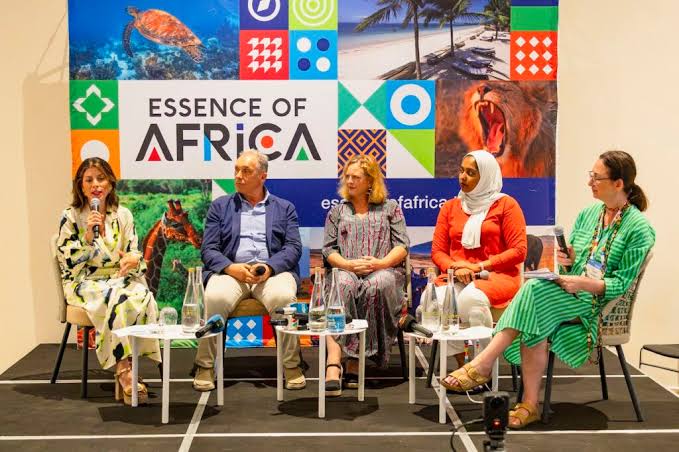
Essence of Africa 2026 in Zanzibar Essence of Africa is a trade forum, which means…
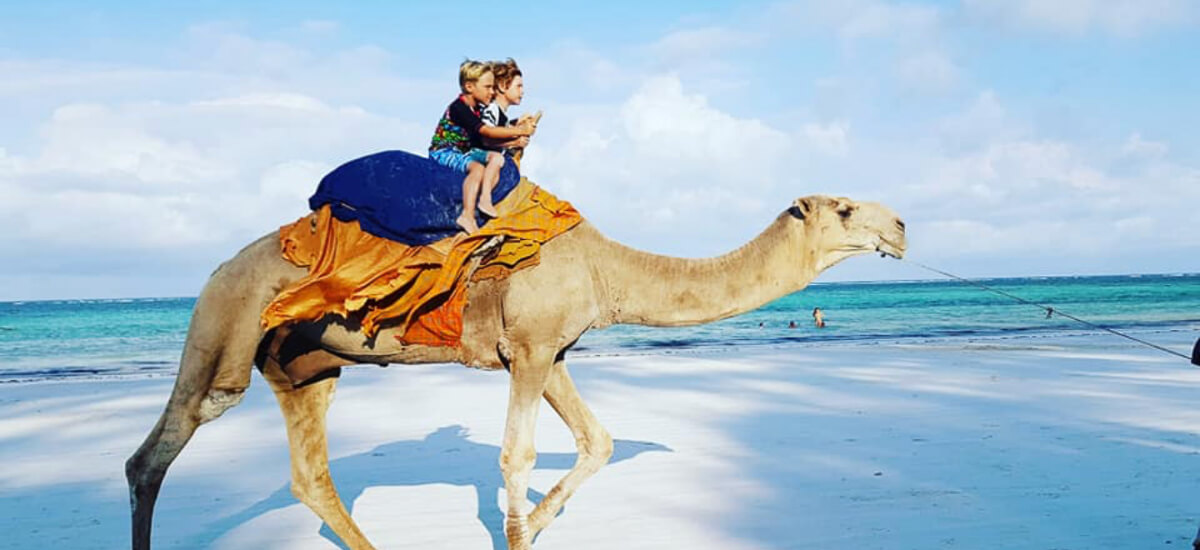
Kenya Beach Guide
As a travel consultant, the question I hear most often isn’t “which Kenyan beach is best” but “which one actually suits me,” since Diani, Watamu, Malindi, Lamu, and the smaller coastal towns in between each reward a genuinely different kind of traveler. This guide walks through Kenya’s coastline zone by zone, what defines each, and how to choose between them.
Kenya’s Indian Ocean coastline runs 536 kilometres from the Somali border to the Tanzanian frontier, and it offers a genuinely different register of travel from the country’s famous savanna parks: centuries of layered Swahili, Arab, and Portuguese history, warm, steady waters, coral reefs, and a relaxed coastal rhythm shaped by generations of life on the ocean. For travelers closing out a Kenya safari, or simply seeking a standalone beach escape, the coast breaks down into distinct zones, each with its own genuine character.
Diani Beach: Kenya’s Best-Known Coastal Destination
Diani, roughly 30 kilometres south of Mombasa, has repeatedly won the World Travel Awards’ Africa’s Leading Beach title, and it remains Kenya’s most recognizable stretch of coastline, wide, flat, powder-white sand backed by a genuinely dense concentration of resorts, restaurants, and water-sports operators.
This is the destination for travelers wanting a classic beach holiday with plenty of built-in activity: kitesurfing, deep-sea fishing, diving, and a lively evening scene spanning beach bars and restaurants.
Despite its popularity, Diani retains quieter corners for travelers wanting a more relaxed atmosphere away from the busiest resort stretches, and it’s genuinely well suited to luxury travelers, friend groups, adventure seekers, and honeymooners alike.
A popular day trip from Diani heads to Wasini Island and the Kisite-Mpunguti Marine National Park, a scenic dhow ride out with a strong chance of dolphin sightings most mornings, followed by fresh, locally caught seafood lunch, best done on an early tour before afternoon crowds arrive.
Watamu: Marine Parks and Italian-Influenced Cuisine
Watamu, along Kenya’s north coast, feels genuinely different from the South Coast’s resort-driven energy: a heavy Italian expatriate influence has shaped the local food scene into something genuinely distinctive, authentic gelato, exceptional espresso, and consistently excellent seafood pizza rarely found elsewhere along the East African coast.
The Watamu Marine National Park, a UNESCO Biosphere Reserve established in 1968, protects coral gardens home to more than 600 fish species and serves as a vital nesting ground for endangered sea turtles, with Watamu Turtle Watch offering guided turtle walks and educational conservation programmes for genuinely interested visitors.
Water clarity here consistently outperforms Diani, making Watamu the premier Kenyan coastal destination for snorkelling and deep-sea fishing, and August specifically brings the added draw of whale watching offshore.
Adjacent Mida Creek’s mangrove forests serve as critical habitat for birds and marine life, with local conservation efforts led by organisations including Local Ocean Conservation adding further depth to a Watamu-based stay for travelers with a genuine interest in marine ecology.
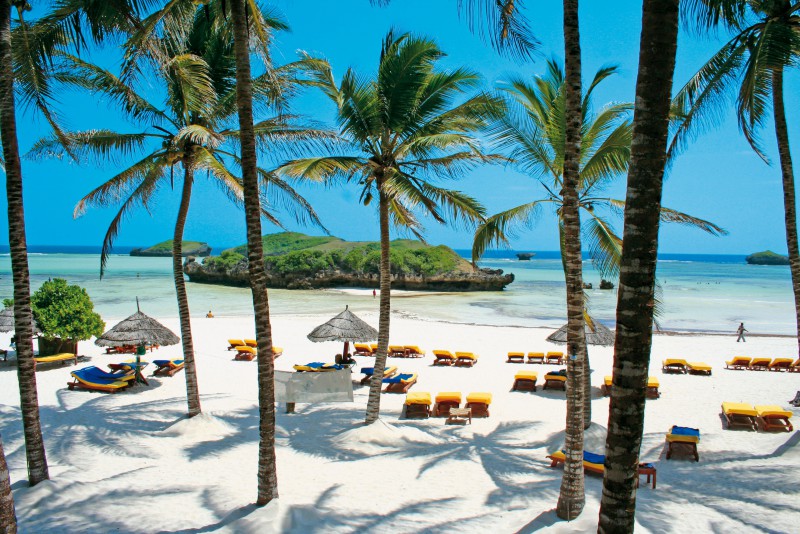
Malindi: History, Culture, and Coastal Leisure Combined
Malindi blends genuine leisure with layered cultural and historical interest: golden sand and calm water draw swimmers and divers, while the Malindi Marine National Park and the historic Vasco da Gama Pillar, marking Portuguese explorer Vasco da Gama’s 1498 landing, showcase both the area’s natural richness and its centuries-old role as a trading post along the Indian Ocean route.
A blend of Italian and Swahili influences gives Malindi genuine charm, and nearby, the Gedi Ruins offer a fascinating glimpse into a twelfth-century Swahili town, adding a genuinely worthwhile half-day cultural excursion to a Malindi-based beach stay.
The drive from Malindi to Watamu takes just thirty minutes on smooth tarmac, meaning the two destinations pair naturally for travelers wanting to combine both experiences within a single coastal stay, and flying directly into Malindi Airport, rather than Mombasa, considerably shortens the overall transfer time for this specific pairing.
Lamu: Swahili Culture Meets a Timeless Coastal Pace
Lamu Island, a UNESCO World Heritage Site, offers Kenya’s most culturally rich coastal experience, narrow, winding Swahili-architecture streets, dhow sailing boats gliding along the waterfront, and an atmosphere that feels genuinely untouched by the mass tourism found elsewhere along the coast, notably including a complete absence of cars, only donkeys, walking, and dhows move around the island.
Shela Beach, Lamu’s principal stretch of sand, runs long and genuinely wild, backed by rolling dunes that catch the light beautifully as the day fades, while Lamu town itself offers elegant guesthouses, rooftop terraces, and intimate cafés for a genuinely slow, immersive coastal stay.
The Lamu Marine Conservation Trust works actively to protect local marine life through beach patrols and turtle nest protection, and the island has embraced sustainable tourism more broadly, including the Flipflopi dhow, a boat built entirely from recycled plastic, raising genuine awareness of plastic pollution along the coast. Lamu suits travelers seeking culture, atmosphere, and a genuinely unhurried pace above all else.
Nyali, Bamburi, and Shanzu: Mombasa’s Convenient City Beaches
For travelers wanting easy access to Mombasa’s urban energy alongside beach time, Nyali Beach, connected via the Nyali Bridge with no ferry required, sits just five kilometres from Mombasa’s central business district, making it considerably more convenient than destinations requiring the Likoni Ferry crossing.
Nyali offers lifeguard-patrolled swimming, a sandy bottom free of rocks, and a genuinely local weekend atmosphere, with beach football games visitors are welcome to join. Water clarity here doesn’t match Watamu’s, so Nyali suits travelers prioritizing convenience and city access over world-class snorkelling, with Tamarind Restaurant’s seafood a genuine highlight worth seeking out.
Bamburi and Shanzu, both along the same North Coast stretch, offer similarly convenient, resort-lined alternatives with their own distinct character, generally quieter than Nyali while remaining easily accessible from central Mombasa.
Tiwi Beach and Kilifi: The Quieter Alternatives
Tiwi Beach, tucked just south of Diani, offers one of Kenya’s most peaceful, lesser-known coastal escapes, gentle tidal pools, walkable reefs at low tide, and palm-shaded shores considerably quieter than its more famous neighbour, genuinely well suited to travelers seeking tranquillity without sacrificing proximity to Diani’s broader amenities.
Kilifi, positioned between Mombasa and Malindi, has developed a reputation as the coastal escape of choice for Kenya’s old money and quiet creatives specifically looking to avoid December’s peak crowds, with the community-led Kuruwitu Conservation and Welfare Association focused on sustainable fishing and coral reef restoration in the surrounding waters.
Comparing Kenya’s Coastal Destinations
| Destination | Best Suited To | Signature Draw |
| Diani | Classic beach holidays, resorts, active travelers | Wide white-sand beaches, water sports, lively scene |
| Watamu | Snorkellers, divers, food enthusiasts | Superior water clarity, Italian-influenced cuisine, turtle conservation |
| Malindi | Culture and history alongside beach time | Gedi Ruins, Vasco da Gama Pillar, marine park |
| Lamu | Slow travel, culture, atmosphere | UNESCO Swahili architecture, car-free island life |
| Nyali | Convenience, city access | Five minutes from central Mombasa, no ferry needed |
| Tiwi/Kilifi | Tranquillity, avoiding crowds | Quiet alternatives near Diani and Malindi |
Getting to the Coast
Direct flights from the Maasai Mara’s dirt airstrips straight to Ukunda (serving Diani) and Malindi (serving Watamu) are available through carriers including Safarilink and Mombasa Air Safari, a genuinely valuable routing option for travelers combining a safari with a beach extension, since it avoids losing a full day connecting through Nairobi’s Wilson Airport. For Diani specifically, travelers can also cross via the Likoni Ferry from Mombasa Island, or fly directly into Ukunda airstrip.
Seasonal Timing and Tides
The Kaskazi winds, blowing from December through March, generally bring calmer seas and clearer water, making this period genuinely ideal for swimming and snorkelling, while the mid-year months tend to be breezier with more movement in the surf, a genuine consideration for travelers prioritizing calm-water activities specifically.
Tidal ranges along the Kenyan coast can exceed three metres, so checking lunar calendars before booking specific water activities, particularly snorkelling or diving excursions, is genuinely worthwhile to avoid disappointment.
Safety and Practical Considerations
The major tourist beaches in Diani, Watamu, and Kilifi are heavily patrolled by the Tourist Police Unit alongside private hotel security, and the overwhelming majority of coastal visits pass entirely without incident.
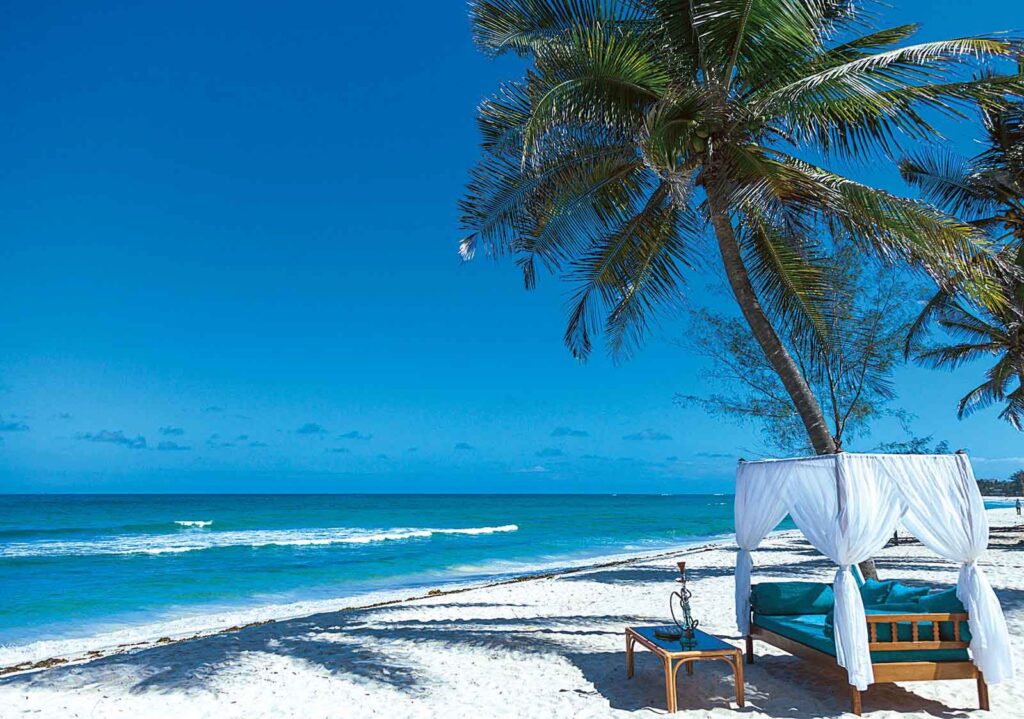
Standard precautions remain sensible regardless: avoid walking on unlit, isolated stretches of sand after dark, and firmly decline offers from unlicensed street vendors rather than engaging.
Budget realistically for a Kenya beach holiday: entry-level beach stays start from roughly $580 per person for a genuine, well-organised trip, with considerable variation depending on season, accommodation tier, and specific destination chosen, Watamu’s ultra-premium properties like Hemingways Watamu sitting at the higher end, alongside more accessible boutique options throughout each destination.
Watersports and Ocean Activities Along the Coast
Beyond swimming and snorkelling, Kenya’s coast offers a genuinely broad menu of ocean-based activities. Diani has become East Africa’s premier kitesurfing destination, with consistent onshore winds between December and March and again from June through September drawing enthusiasts from across the continent, alongside several reputable schools offering lessons for complete beginners.
Deep-sea fishing, particularly for sailfish, marlin, and tuna, is a genuine highlight in both Watamu and Malindi, with dedicated charter operators running half-day and full-day excursions.
Scuba diving certification courses are widely available in Watamu and Diani, and the coast’s warm, clear water makes it a genuinely forgiving environment for first-time divers earning an open-water qualification. For a gentler pace, traditional dhow sailing trips, often including a sunset cruise with fresh seafood served on board, offer one of the most relaxing ways to experience the coastline without any physical exertion required.
Food and Dining Along the Coast
Kenya’s coastal cuisine reflects centuries of Swahili, Arab, and Indian influence layered onto fresh, abundant seafood, and a genuine culinary highlight of any coastal trip is sampling this blend directly.
Diani and Watamu both offer excellent beachfront seafood restaurants serving the day’s catch, crab, prawns, red snapper, and octopus among the standouts, often prepared with coconut, tamarind, and local spice blends distinct from inland Kenyan cooking.
Watamu’s Italian expatriate influence has produced a genuinely notable food scene beyond seafood alone, authentic wood-fired pizza, proper espresso, and gelato that rivals anything found in Italy itself, a distinctive contrast to the more classically Swahili-influenced dining found in Lamu and Malindi. Street food and local eateries throughout the coast offer considerably more affordable options, with mahamri (a lightly spiced coastal doughnut) and grilled fish sold from small stalls worth seeking out for a genuinely authentic taste of everyday coastal life.
Combining Multiple Coastal Destinations
For travelers with a week or more, combining two or three of Kenya’s coastal destinations within a single trip is genuinely worthwhile given how different each one feels. A common, well-balanced pairing combines Diani’s resort infrastructure and water sports with Watamu’s superior snorkelling and food scene, connected by the thirty-minute drive between Malindi and Watamu or a slightly longer transfer from Diani.
For travelers wanting the fullest possible range, adding a few nights in Lamu at the end delivers a genuinely different, culturally rich close to the trip, though its remoteness means allowing a full day for transfers in each direction.
Frequently Asked Questions
Which Kenyan beach is best for snorkelling and diving?
Watamu, thanks to its UNESCO Biosphere Reserve marine park and consistently superior water clarity compared with Diani, is widely considered Kenya’s premier destination for snorkelling and diving.
Can I combine a Kenya safari with a beach extension easily?
Yes. Direct flights connect the Maasai Mara’s airstrips straight to Ukunda (Diani) and Malindi (Watamu) via carriers like Safarilink and Mombasa Air Safari, avoiding a lengthy Nairobi connection.
Which Kenyan beach destination is best for culture and history?
Lamu Island, a UNESCO World Heritage Site with car-free streets and centuries of Swahili architecture, offers Kenya’s richest cultural coastal experience, with Malindi a strong secondary choice given the Gedi Ruins and Vasco da Gama Pillar.
When is the best time to visit Kenya’s beaches?
December through March, during the Kaskazi winds, generally brings the calmest seas and clearest water, ideal for swimming and snorkelling, though the coast is enjoyable throughout the year with some seasonal variation in surf conditions.
Is Diani or Watamu better for a beach holiday?
It depends on priorities: Diani offers classic, large-scale resort luxury and wide beaches, while Watamu offers superior marine life, boutique hotels, and notably better seafood, particularly for travelers prioritizing culinary quality and active marine activities.
Related Posts