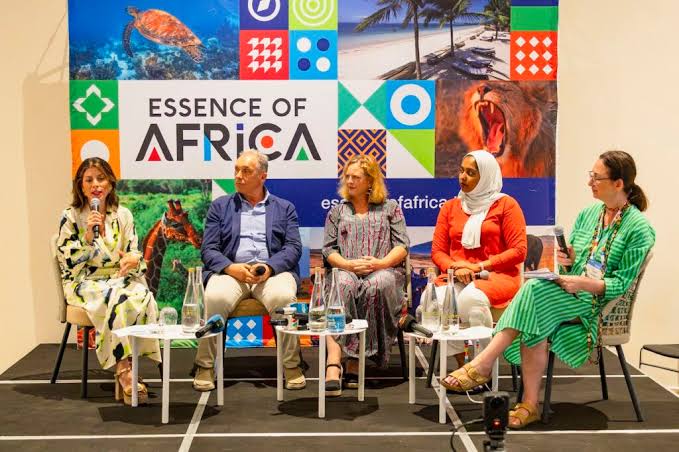
Essence of Africa 2026 in Zanzibar Essence of Africa is a trade forum, which means…
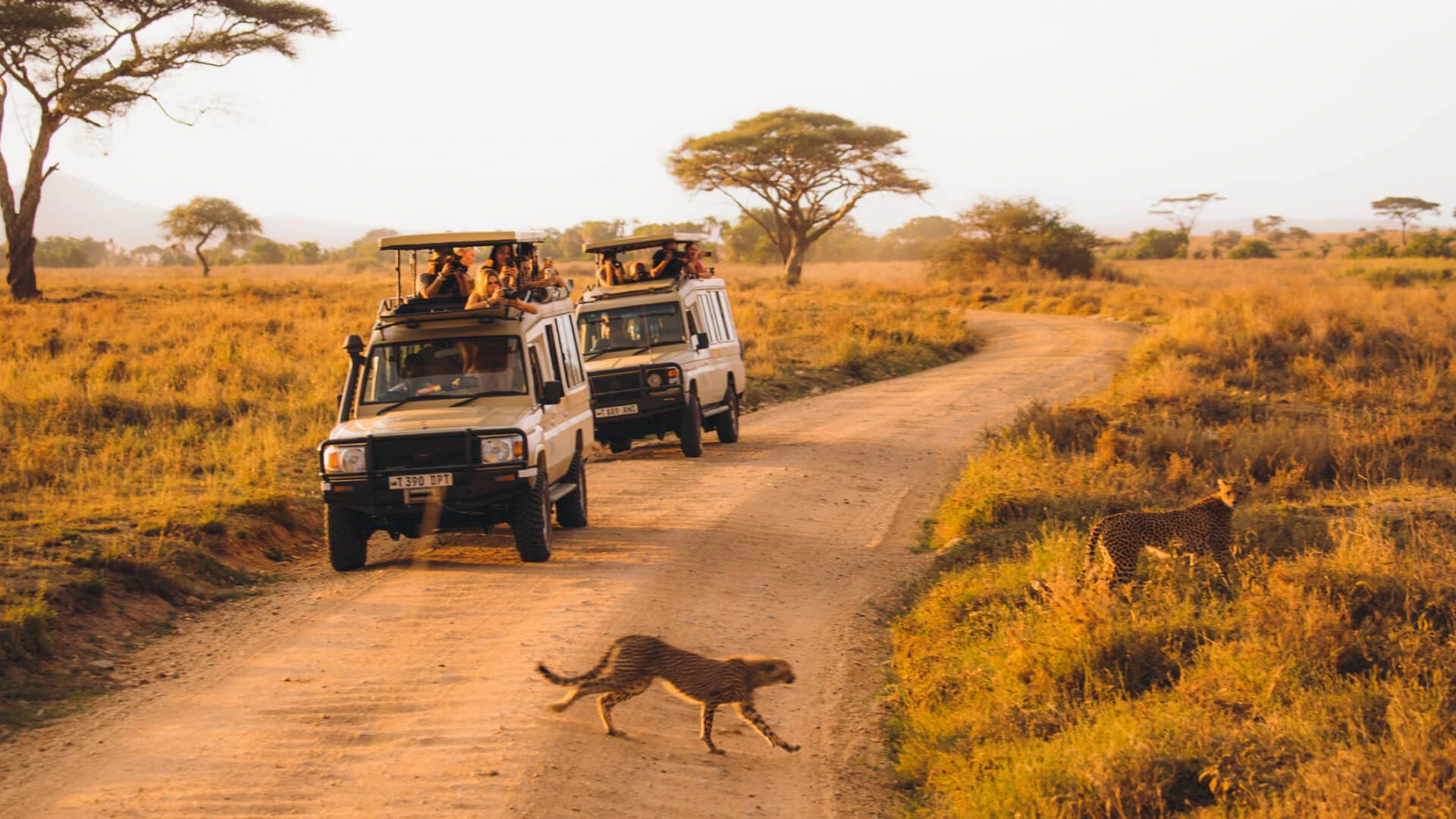
On-Road vs Off-Road Game Drives in East Africa
On-Road vs Off-Road Game Drives in East Africa: What’s the Difference?
On-Road vs Off-Road Game Drives in East Africa; The single biggest factor shaping how close you’ll actually get to wildlife on safari isn’t your guide’s skill or your vehicle; it’s whether you’re staying inside a national park or within a private conservancy.
National parks restrict game drives strictly to designated roads, while private conservancies and reserves permit guides to leave the track entirely and follow animals across open ground. Understanding this distinction before you book shapes what kind of safari experience you’ll actually have.
Neither format is universally better, and most well-designed safari itineraries deliberately combine both within a single trip, using national parks for scale and iconic scenery and conservancies for intimacy and flexibility.
On-Road: How National Parks Actually Work
National parks, Kenya’s Amboseli and Masai Mara, Tanzania’s Serengeti, and Uganda’s Queen Elizabeth national park, are large, government-managed protected areas open to the public, and game driving within them is restricted strictly to an extensive network of designated roads.
You aren’t permitted to leave the track to get closer to wildlife, and drives typically run only between sunrise and sunset, meaning no night drives are allowed within national park boundaries.
This restriction exists to minimize human impact and habitat disturbance given how many visitors pass through these parks daily, since numbers generally aren’t capped the way they are in private conservancies.
The trade-off is worthwhile: national parks are typically home to considerably greater numbers and variety of wildlife given their sheer scale, and they remain the more affordable option, delivering the classic, iconic bucket-list safari experience against backdrops like the endless Serengeti plains or the Ngorongoro Crater floor.
Off-Road: How Conservancies and Private Reserves Work
Private conservancies and game reserves, community-owned or privately run areas typically bordering the main national parks, operate under an entirely different set of rules. Because visitor numbers are strictly limited to guests of the specific lodges operating within that conservancy, and only vehicles belonging to those lodges are permitted on the land, guides here can leave the track, following fresh spoor, circling a rocky outcrop for a better vantage point, or maneuver directly alongside a sighting other vehicles couldn’t otherwise reach.
Off-road driving is a genuine hallmark of the conservancy experience, and it fundamentally changes what a game drive can deliver: rather than watching a distant lion pride from a fixed road, your guide can position the vehicle considerably closer, adjusting continuously as the animals move.
This flexibility extends to night drives and guided walking safaris too, activities generally prohibited within national park boundaries but core to what conservancies offer.
Why the Restriction Exists in National Parks
The rule isn’t bureaucratic overcaution. Unrestricted off-road driving across a park receiving thousands of daily visitors would degrade habitat at scale, compact soil, damage vegetation, and stress wildlife through repeated, unpredictable vehicle intrusion.
Conservancies can permit off-roading responsibly precisely because visitor numbers are capped and vehicle traffic stays low, a trade-off national parks’ open-access model simply can’t replicate at their considerably larger visitor volume.
What This Means for Your Actual Wildlife Viewing
In a national park, you might spot a leopard resting fifty metres off the road and simply have to observe it from that fixed distance, sometimes joined by several other vehicles at the same sighting during peak season. In a conservancy, your guide can drive directly toward that same leopard, and because vehicle numbers are limited, you’re often the only vehicle present at the sighting entirely.
This difference in crowding is as significant as the off-road access itself, ten vehicles surrounding a single lion sighting feels more like traffic than wilderness, a common, valid complaint about peak-season national park game drives.
Cost Differences
National parks are generally the more affordable option, with lower entrance fees and no premium for exclusivity. Conservancies and private reserves charge higher nightly rates and separate conservancy fees precisely because they cap visitor numbers and offer expanded activities, off-road driving, night drives, and walking safaris among them, meaning the higher price reflects genuine exclusivity and flexibility rather than simply a luxury markup.
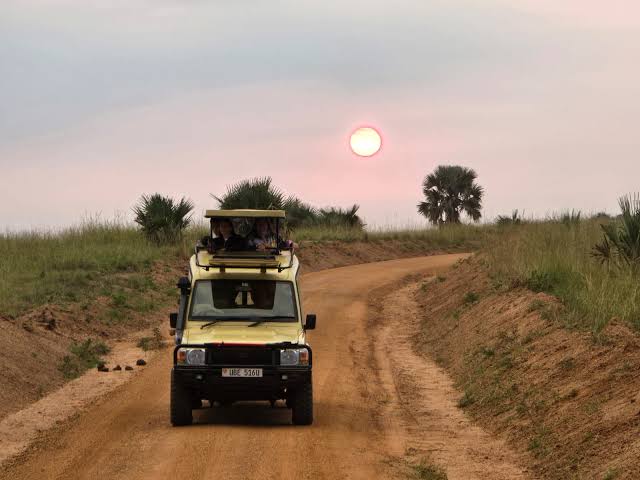
How Vehicles Differ Between the Two Settings
East Africa primarily uses enclosed Toyota Land Cruisers with pop-up roofs, since many national parks prohibit fully open vehicles and safaris often involve long road transfers between destinations.
Open-sided game viewers, offering superior photography angles and an unobstructed view, are permitted in private conservancies like Kenya’s Mara North or Ol Pejeta but not within national parks like Amboseli or Lake Nakuru, a further, practical distinction worth knowing if vehicle type matters to your specific priorities.
Side-by-Side Comparison
| Feature | National Parks | Conservancies/Private Reserves |
| Off-road driving | Not permitted | Permitted, guide-led |
| Night drives | Not permitted | Permitted |
| Walking safaris | Generally not permitted | Permitted |
| Vehicle numbers per sighting | Unrestricted, can be crowded | Capped, exclusive |
| Vehicle type | Enclosed pop-top Land Cruisers. | Open-sided game viewers common |
| Cost | Lower entrance fees | Higher rates, conservancy fees |
Why Combining Both Works Best
Many of the strongest safari itineraries deliberately include both settings rather than choosing one exclusively: national parks deliver the iconic scale and wildlife density, the Serengeti’s endless plains, the Ngorongoro Crater’s sheer concentration of animals, while a conservancy stay elsewhere in the trip adds the intimacy, off-road access, and night drives that national parks simply can’t offer. This combination captures the best of both settings within a single, well-sequenced trip.
Which Setting Suits Which Traveller
First-time safari-goers and travellers prioritizing the classic, iconic imagery, vast herds against sweeping plains, benefit from anchoring their trip around a national park. Photographers, honeymooners, and repeat visitors wanting a quieter, more personalized experience with genuine flexibility around timing and proximity should prioritize conservancy stays, even if it means a somewhat smaller overall wildlife count given the more contained conservancy boundary.
Frequently Asked Questions
Can I drive off-road in a national park like the Serengeti or Masai Mara?
No. National parks restrict game drives strictly to designated roads, and off-road driving is prohibited to minimize habitat disturbance given the high volume of daily visitors these parks receive.
Where are off-road game drives and night drives allowed?
Within private conservancies and game reserves bordering the main national parks, where visitor numbers are capped and only vehicles belonging to the conservancy’s own lodges are permitted on the land.
Why do conservancies cost more than national parks?
Conservancies charge higher rates and separate fees because they limit visitor numbers and offer expanded activities, off-road driving, night drives, and walking safaris that national parks’ open-access model doesn’t permit.
Is it better to stay in a national park or a conservancy?
Neither is universally better. National parks offer greater wildlife scale and lower cost; conservancies offer intimacy, off-road access, and fewer vehicles per sighting. Many strong itineraries combine both.
What type of vehicle is used for off-road game drives?
Open-sided game views are common in private conservancies given their superior visibility, while enclosed land cruisers with pop-up roofs are standard in national parks, where fully open vehicles are often prohibited.
Related Posts