Essence of Africa 2026 in Zanzibar Essence of Africa is a trade forum, which means…
Nyungwe National Park Fees 2026:Guide to Costs and Permits
Nyungwe National Park Fees 2026: A Practical Guide to Costs and Permits ; Nyungwe Forest National Park, home to chimpanzee tracking, a dozen other primate species, over 300 recorded bird species and Rwanda’s celebrated canopy walkway, is priced considerably more affordably than gorilla trekking at Volcanoes National Park, making it one of the more accessible premium wildlife experiences in the country.
That said, Nyungwe’s fee structure has several distinct components: park entry, chimpanzee trekking permits, the chimpanzee habituation experience, canopy walk fees and further activity charges, each varying by residency status, and understanding the full structure before you travel avoids budgeting surprises.
This guide covers Nyungwe’s fee structure for 2026 as reported across current sources, what each fee actually covers, how the residency categories work, and the important honest caveat that published figures for specific permit costs vary meaningfully between sources, meaning direct confirmation with the Rwanda Development Board or a reputable operator before booking is essential rather than optional.
Understanding Nyungwe’s Fee Structure Before You Book
Nyungwe’s total cost for a visit depends heavily on which specific activities you include, since park entry alone is only one component of what a typical visit actually costs. Chimpanzee trekking, the park’s headline activity, carries a specific permit fee separate from entry.
The canopy walkway, guided birding, night walks and other primate trekking activities each carry their own charges. Understanding this layered structure, rather than assuming a single blanket park fee, is the foundation of accurate budgeting.
It’s worth stating plainly that published fee figures for Nyungwe’s activities, chimpanzee trekking permits in particular, vary considerably across different sources and operators, with figures ranging from roughly USD 90 to USD 250 for foreign non-residents depending on the source consulted.
This variation likely reflects a combination of outdated information still circulating online, periodic fee reviews by the Rwanda Development Board, and inconsistent reporting between operators. The only reliable approach is to confirm current fees directly with the Rwanda Development Board or a well-established, reputable Rwanda tour operator before finalising your budget.
How Nyungwe’s Fee Structure Works
Nyungwe National Park’s fees, like those at Rwanda’s other national parks, are structured around three residency categories: Rwandan and East African Community citizens, who pay the lowest rates; foreign residents of Rwanda, who pay an intermediate rate; and foreign non-residents (the standard international visitor category), who pay the highest rate. This three-tier structure applies consistently across park entry fees and most specific activity permits.
Beyond the entry fee, the park’s specific activities each carry their own charge. Chimpanzee trekking is the headline and most expensive activity-specific fee, reflecting both the draw of the experience and the limited daily permit numbers, twenty-four permits available across three habituated chimpanzee communities, with a maximum of eight visitors per group per day.
The chimpanzee habituation experience, a longer, more immersive full-day activity capped at four visitors, carries a different and generally higher fee reflecting its more exclusive, extended format. The canopy walkway, guided birding, colobus monkey tracking, night walks and general nature trail access each carry their own separate, generally more modest charges.
A minimum group size of two people applies to most Nyungwe activities, meaning a solo traveller may need to pay for two permits, a detail worth confirming with your operator if travelling alone, since it affects the practical per-person cost for independent travellers.
Nyungwe Fee Categories at a Glance
Here is a breakdown of Nyungwe’s main fee categories as reported across current sources. Given the variation noted above, treat these as an indicative range rather than a fixed, confirmed price, and verify current figures before booking.
| Fee Category | Foreign Non-Resident (indicative) | Foreign Resident (indicative) | Rwandan/EAC Citizen (indicative) |
| Park entry (per day/night) | Varies by length of stay | Varies by length of stay | Lowest tier, typically a few USD equivalent |
| Chimpanzee trekking permit | Reported range: ~$90-$250 | Reported range: ~$60-$75 | Reported range: ~$25 (or local currency equivalent) |
| Chimpanzee habituation experience | Higher than standard trekking; full-day, max 4 visitors | Intermediate rate | Lowest tier |
| Canopy walkway | Reported range: ~$60-$80 | Lower intermediate rate | Lowest tier |
| Colobus monkey trekking | Reported around $60 | Reported around $50 | Lowest tier |
| Guided birding, night walks, other activities | Modest fee per activity | Lower intermediate rate | Around $5 per activity (citizen rate) |
Nyungwe’s Specific Fees and Permits in Detail
What follows covers each of Nyungwe’s main fee categories individually, with the context needed to understand what each covers.
Park Entry Fees
Nyungwe’s park entry fee structure is tiered by both residency status and length of stay, with Rwandan and East African Community citizens paying the lowest rates and international non-residents paying the highest. Entry fees generally cover access to the park’s nature trails for the specified duration, with different rates for single-day visits versus multi-night stays. Children typically pay a reduced rate relative to adults within each residency category.
Chimpanzee Trekking Permit
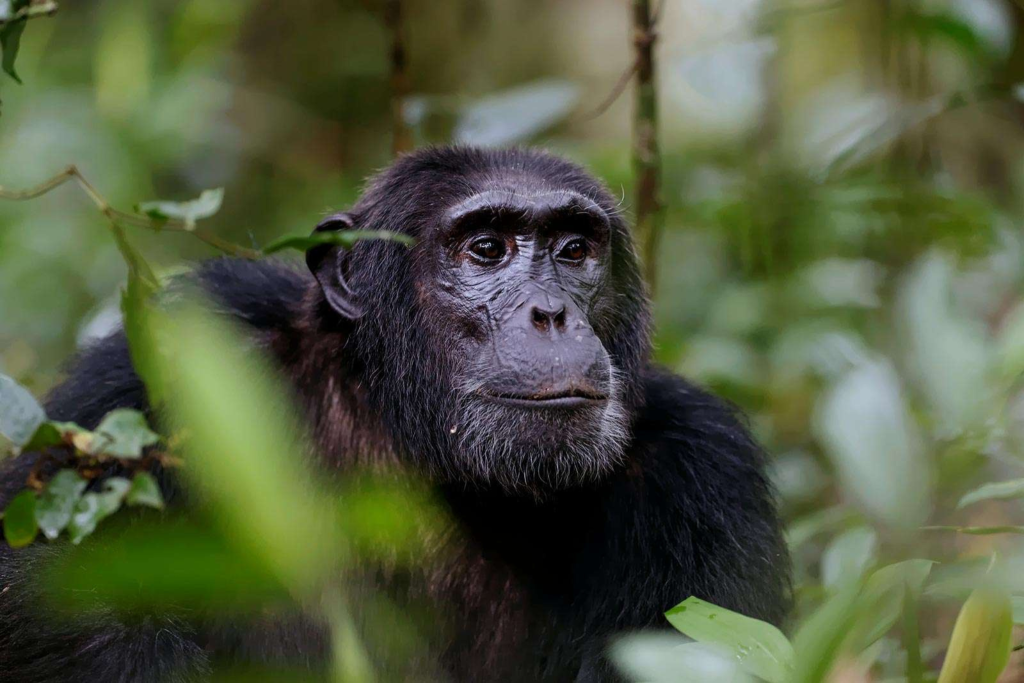
The chimpanzee trekking permit is Nyungwe’s most significant activity-specific fee and the one most subject to variation across different reporting sources, with figures ranging from approximately $90 to $250 for foreign non-residents depending on the source.
This variation reflects the complexity of tracking current, accurate pricing for a fee that is reviewed periodically by the Rwanda Development Board. Nyungwe’s chimpanzee population, estimated at several hundred individuals, includes three habituated communities available for tracking, with a maximum of eight permits issued per group per day, twenty-four total daily permits across the park. Tracking typically begins early, around 5am, given chimpanzees’ active early-morning behaviour.
Chimpanzee Habituation Experience
The habituation experience is a distinct, more exclusive activity from standard chimpanzee trekking, involving a full day spent with a community still in the process of being habituated to human presence, following the group from their morning nest departure through to evening nest-building. This experience is capped at a maximum of four visitors, considerably smaller than the eight-person standard trekking groups, and carries a correspondingly different fee structure reflecting its more immersive, resource-intensive format. It typically takes place with the Gisovu chimpanzee community in the park’s northern section.
Canopy Walkway
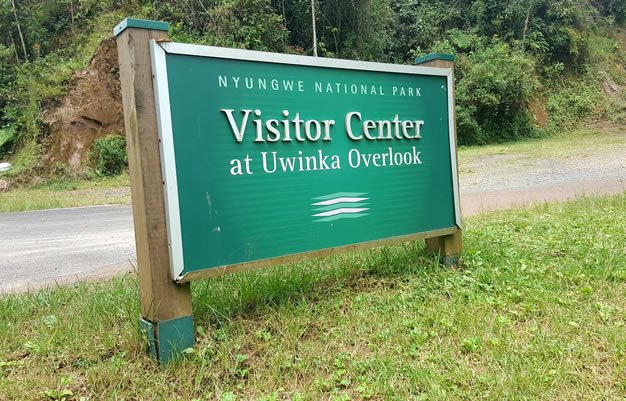
Nyungwe’s canopy walkway, a suspension bridge built roughly sixty metres above the forest floor, offers a unique vantage point over the rainforest canopy and takes around two hours to complete, including a briefing at the Uwinka Visitor Information Centre beforehand. The activity fee is considerably lower than chimpanzee trekking, making it an accessible addition even for travellers on a tighter Nyungwe budget.
Colobus Monkey Trekking
Nyungwe’s Angolan black-and-white colobus population includes a mega-troop at Uwinka numbering several hundred individuals, one of the largest habituated primate groups in Africa, and tracking this troop carries its own fee, generally lower than chimpanzee trekking, making it a worthwhile and more accessible primate activity alongside or instead of chimp tracking.
Birding, Night Walks and Other Nature Trail Activities
Guided birding walks, night walks, and general nature trail access beyond the standard entry fee each carry modest additional charges, generally the least expensive activity category within the park’s fee structure, making these excellent lower-cost additions to a Nyungwe visit for travellers wanting to extend their time in the forest without the cost of primate-specific permits.
How Season Affects Nyungwe Fees and Availability
Nyungwe’s fees themselves don’t change by season, since they’re set by the Rwanda Development Board on an annual or periodic basis rather than fluctuating with demand. What does vary seasonally is permit availability and pressure, with the dry season months, June through September and December through February, seeing the highest demand for the limited daily chimpanzee trekking permits.
Given the strict cap of twenty-four daily chimpanzee trekking permits across three habituated communities, booking well in advance is advisable regardless of season, but particularly critical during peak demand periods.
| Season | Months | Fee Impact | Permit Availability |
| Long dry season | June – September | No change; fixed fees | High demand; book well ahead |
| Short dry season | December – February | No change; fixed fees | High demand, especially over holidays |
| Long rains | March – May | No change; fixed fees | Better availability; still book ahead for chimp permits |
| Short rains | October – November | No change; fixed fees | Moderate availability |
Building a Realistic Nyungwe Budget
Given the fee variation noted throughout this guide, the most reliable way to build an accurate Nyungwe budget is to request current, confirmed pricing directly from the Rwanda Development Board or a reputable, established Rwanda tour operator before finalising your trip plans, rather than relying on any single online source, including this guide, as a definitive current figure.
That said, several sources consistently describe Nyungwe as one of Rwanda’s more affordable premium activities relative to gorilla trekking, with one source specifically noting that a full day of Nyungwe activities typically costs no more than $200 per person even when combining several activities, a helpful general benchmark for budgeting purposes.
Budget Nyungwe day — Entry fee plus lower-cost activities
Park entry combined with the canopy walkway and a guided nature or birding walk, skipping chimpanzee trekking specifically, gives a rewarding and considerably more affordable Nyungwe day.
Standard Nyungwe visit — Entry, chimpanzee trekking permit, canopy walk
The most common structure, combining the park’s headline chimpanzee trekking activity with the canopy walkway, typically achievable within the roughly $200 per person daily benchmark some operators cite for a full day of activities.
Comprehensive Nyungwe experience — Entry, chimpanzee habituation experience, colobus tracking, canopy walk
For travellers wanting the most immersive Nyungwe experience, combining the higher-cost habituation experience with colobus tracking and the canopy walkway across two or more days gives the most complete picture of the park’s primate and forest offerings.
Where to Stay Near Nyungwe Forest
Accommodation near Nyungwe ranges from budget guesthouses to premium lodges, and your accommodation choice doesn’t affect the park’s activity fees, which are set by the Rwanda Development Board regardless of where you stay.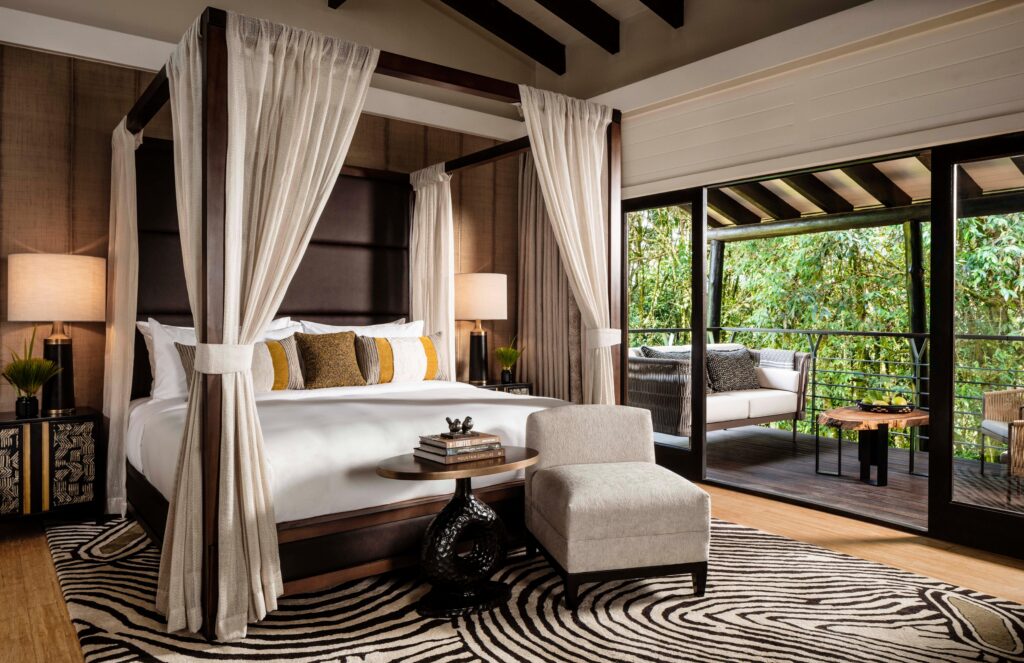
| Property | Style | Best For |
| One&Only Nyungwe House | Ultra-luxury, rainforest edge setting | Travellers wanting the most premium Nyungwe experience |
| Nyungwe Forest Lodge | Mid-range to upper lodge | Comfortable accommodation with good activity access |
| Nyungwe Top View Hotel | Mid-range | Travellers wanting good value with forest views |
| Basic forest lodges and guesthouses | Budget | Budget-conscious travellers prioritising activity spending over accommodation |
Combining Nyungwe Activities for the Best Value
Structuring your Nyungwe visit to combine complementary activities across one or more days gets the most value from the park’s fee structure.
The Standard Combination: Chimp Trekking Plus Canopy Walk
The most common and cost-efficient Nyungwe visit combines a morning chimpanzee trekking outing with an afternoon canopy walkway session, giving both the park’s headline primate experience and its most distinctive scenic activity within a single, well-structured day.
Extending with Colobus Tracking
Adding colobus monkey tracking, considerably less expensive than chimp trekking, on a second day or in combination with the canopy walk, gives access to Nyungwe’s other major primate spectacle, the Uwinka mega-troop of several hundred individuals, without the cost of a second chimpanzee permit.
Lower-Cost Days with Birding and Nature Walks
For travellers managing a tighter budget, structuring one or more days around guided birding walks, night walks and general nature trail access, all considerably less expensive than the primate-specific permits, still delivers a rewarding Nyungwe experience given the park’s exceptional birdlife and forest diversity.
The Isumo Waterfall Trail
The Isumo Waterfall Trail, near the Nyungwe House area, offers a scenic hiking activity generally included within standard trail access fees rather than requiring a separate specific permit, making it a good value addition to a Nyungwe itinerary.
| Activity Combination | Relative Cost | Best For |
| Chimp trekking + canopy walk | Moderate to high (chimp permit is the main cost) | Most visitors; the standard, most rewarding combination |
| Colobus tracking + canopy walk | Lower than the chimp combination | Budget-conscious travellers still wanting primate tracking |
| Birding + nature walks only | Lowest cost option | Very budget-conscious travellers or repeat Nyungwe visitors |
| Chimp habituation experience (standalone) | Highest single-activity cost | Serious primate enthusiasts wanting the most immersive experience |
Fee Planning by Traveller Type
Here is a direct guide to fee planning approaches for different Nyungwe visitor types.
| Traveller Type | Recommended Approach | Why |
| Budget-conscious travellers | Canopy walk, birding and nature walks; skip chimp trekking | Meaningfully lower total cost while still experiencing the forest |
| First-time Nyungwe visitors | Standard chimp trekking plus canopy walk combination | The most common, well-rounded, cost-efficient visit structure |
| Serious primate enthusiasts | Chimpanzee habituation experience plus colobus tracking | The most immersive primate experience Nyungwe offers, at correspondingly higher cost |
| Travellers comparing Nyungwe to gorilla trekking cost | Any standard Nyungwe activity combination | Considerably less expensive than a Volcanoes National Park gorilla permit |
| Solo travellers | Confirm minimum group size requirements before booking | A minimum of two people applies to most activities, affecting solo traveller costs |
Frequently Asked Questions
How much does chimpanzee trekking cost at Nyungwe National Park?
Published figures vary considerably across sources, ranging from approximately $90 to $250 for foreign non-residents, with foreign residents and East African Community citizens paying progressively lower tiers. Given this variation, confirming the current fee directly with the Rwanda Development Board or a reputable operator before booking is essential.
Why do reported Nyungwe fees vary so much between sources?
This likely reflects a combination of outdated information still circulating online, periodic fee reviews by the Rwanda Development Board, and inconsistent reporting between different tour operators and travel websites. No single online source, including this guide, should be treated as a definitive current figure without direct confirmation.
Is Nyungwe cheaper than gorilla trekking in Rwanda?
Yes, considerably. Nyungwe’s chimpanzee trekking permit, even at the higher end of reported figures, sits below Rwanda’s gorilla trekking permit fee, and several sources describe a full day of Nyungwe activities as achievable for under $200 per person.
How many chimpanzee trekking permits are available per day at Nyungwe?
A total of twenty-four permits are available daily, distributed across three habituated chimpanzee communities, with a maximum of eight visitors permitted per group per day.
What is the difference between chimpanzee trekking and the chimpanzee habituation experience?
Standard trekking is a shorter outing to observe a fully habituated group, typically limited to a set viewing period, with up to eight visitors per group. The habituation experience is a full-day activity with a community still being accustomed to human presence, capped at four visitors, and carries a different, generally higher fee.
Do I need to pay for two permits if I’m travelling alone?
A minimum group size of two typically applies to most Nyungwe activities, which can mean a solo traveller pays for two permits. Confirm this specifically with your operator if travelling independently, since it materially affects per-person cost.
What activities at Nyungwe are cheaper than chimpanzee trekking?
The canopy walkway, colobus monkey tracking, guided birding walks and night walks are all generally less expensive than chimpanzee trekking, making them worthwhile additions or alternatives for budget-conscious travelers.
Related Posts