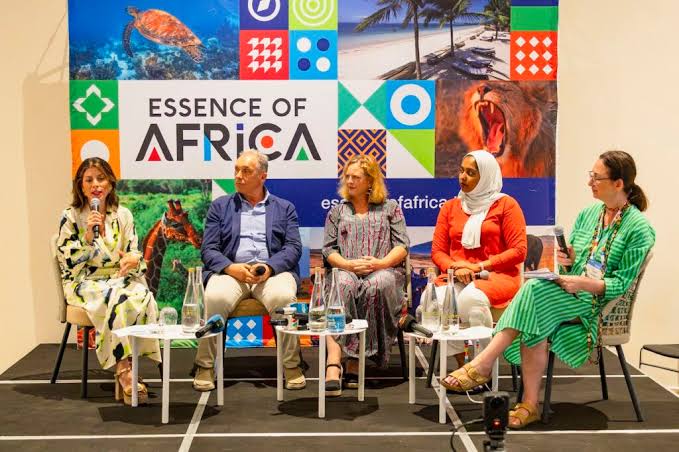
Essence of Africa 2026 in Zanzibar Essence of Africa is a trade forum, which means…
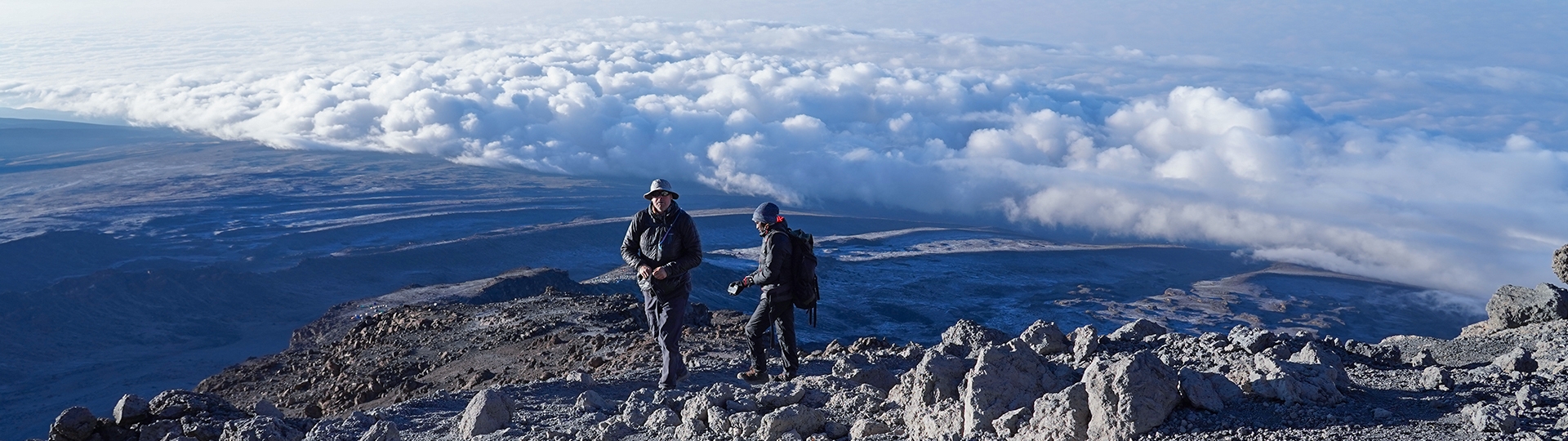
Should You Climb Kilimanjaro Before or After Your Safari?
Should You Climb Kilimanjaro Before or After Your Safari?
Should You Climb Kilimanjaro Before or After Your Safari? Travellers combining a Kilimanjaro climb with a Tanzania safari face a genuinely consequential sequencing decision, and it’s not simply a matter of personal preference. Climbing Kilimanjaro is physically demanding in a way that a safari, however early the starts, simply isn’t, and the order in which you tackle the two activities affects your energy levels, your body’s recovery time, and even practical logistics like luggage and acclimatisation planning.
Getting this sequencing right meaningfully improves the experience of both halves of the trip.
This guide works through the genuine trade-offs of climbing Kilimanjaro before versus after a safari, covering physical recovery, energy and motivation, practical logistics, and how to decide which order suits your specific fitness level and priorities.
Why Sequencing Genuinely Matters Here
Kilimanjaro’s physical demand, several consecutive days of ascending and descending at altitude, culminating in a genuinely exhausting summit night, is qualitatively different from a safari’s early mornings and long game drives.
Your body needs real recovery time after a Kilimanjaro climb, and attempting a physically and mentally demanding Tanzania safari immediately afterward, while not dangerous, can mean experiencing the safari through a haze of genuine fatigue rather than full presence and enjoyment.
The reverse sequencing, safari first, then Kilimanjaro, avoids this specific problem but introduces a different consideration: you’ll be attempting the mountain’s genuine physical challenge without any opportunity to rest and recover afterward before your trip ends, meaning your flight home follows immediately after the most demanding days of your entire trip.
The Genuine Trade-Offs of Each Order
Climbing Kilimanjaro first means tackling the trip’s most physically demanding component while you’re freshest, arguably improving your summit success odds since fatigue accumulated from other activities won’t be a factor. The safari that follows then serves as a genuinely restorative experience, comfortable vehicle-based game drives and good food after days of climbing exertion and simple mountain meals, giving your body real recovery time before you fly home.
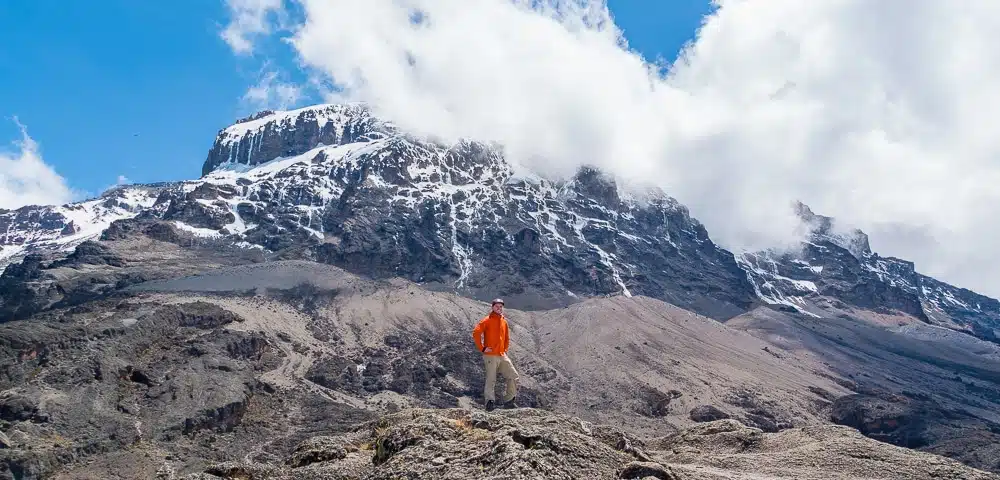
Climbing Kilimanjaro after the safari means your legs and cardiovascular system haven’t been taxed by climbing before you need them for the mountain, but you’ll be attempting the climb without the accumulated benefit of some natural altitude acclimatisation that certain safari destinations, particularly Ngorongoro’s rim at around 2,200 metres, can provide in a small way. It also means finishing your trip on the climb’s demanding final days, with no recovery period before your return flight, which some travellers find genuinely difficult, especially on long-haul journeys home.
There’s also a psychological dimension worth considering. Some climbers prefer having the summit attempt as their trip’s climax, giving the whole journey a building sense of anticipation and achievement. Others prefer getting the physically hardest part done early, so they can genuinely relax without an looming physical challenge on their mind during the safari portion.
Kilimanjaro First vs Safari First at a Glance
Here is a direct comparison of the two sequencing options across the factors that matter most.
| Factor | Kilimanjaro First, Then Safari | Safari First, Then Kilimanjaro |
| Summit success odds | Higher; tackling the climb while freshest | Slightly lower if any safari-related fatigue or minor illness occurs |
| Post-climb recovery | Excellent; safari provides genuine rest afterward | None; trip ends immediately after the most demanding days |
| Some natural altitude acclimatisation benefit | Not applicable; climb happens before any altitude exposure | Minor benefit from Ngorongoro crater rim altitude, though not equivalent to proper acclimatisation |
| Psychological structure | Achievement early, relaxation as the reward | Building anticipation, climax at the very end |
| Return flight condition | Rested and recovered | Genuinely fatigued from the climb |
Practical Logistics for Each Sequencing Option
Beyond the physical and psychological trade-offs, a few practical logistics considerations differ by sequencing choice.
Luggage and Gear Management
Climbing first means you’ll need your full trekking gear, boots, poles, cold-weather layers, from the start of your trip, then can potentially store or ship home some of this bulkier gear before continuing to the safari. Safari-first means carrying trekking gear throughout the safari portion until you need it, though this is a minor inconvenience rather than a genuine problem for most travellers.
Arusha as the Natural Hub
Both Kilimanjaro and Tanzania’s northern safari circuit are typically accessed via Arusha, making the transition between the two activities logistically straightforward regardless of which order you choose, generally involving a short drive or transfer rather than a significant journey.
Buffer Days Around the Climb
Regardless of sequencing, building in at least one buffer day before and after the Kilimanjaro portion specifically, separate from any buffer already built into the climb itinerary itself, helps accommodate any weather-related summit day delays or simply gives your body a genuine transition day.
How Season Affects This Decision
Kilimanjaro’s two main climbing seasons, January-February and June-October, overlap reasonably well with Tanzania’s safari seasons, meaning season itself doesn’t strongly favour one sequencing order over the other, though it’s worth confirming both activities align with your chosen travel window.
| Season | Months | Kilimanjaro Conditions | Safari Conditions |
| Dry season (winter) | January – February | Good climbing conditions | Calving season in southern Serengeti |
| Dry season (summer) | June – October | Best overall climbing conditions | Excellent safari viewing; migration crossing season |
| Rainy seasons | March-May, November | Difficult climbing conditions; often avoided | More dispersed wildlife; lower cost |
Cost Considerations for Either Sequencing Choice
Sequencing itself doesn’t significantly change the overall cost of combining these two activities, though a few minor considerations are worth noting.
Standard combination cost — Similar regardless of order
The core costs, climbing permits and guides, safari vehicle and accommodation, remain essentially the same whichever order you choose.
Potential savings from combined logistics — Minor
Some operators offer a modest discount for booking both activities together regardless of sequencing, since it simplifies their own logistics and vehicle scheduling.
Accommodation Transition Considerations
The accommodation transition between the two activities is generally straightforward regardless of sequence, given Arusha’s role as the common hub for both.
| Sequencing | Transition Consideration |
| Kilimanjaro first | A comfortable Arusha hotel night post-climb for a proper shower and rest before continuing to the safari |
| Safari first | A similar Arusha transition night before beginning the climb, allowing final gear checks and preparation |
Making the Most of Whichever Order You Choose
Regardless of sequencing, a few specific practices improve the overall combined experience.
Build in a Genuine Rest Day Between the Two Activities
Even a single full day in Arusha between finishing one activity and starting the other, rather than an immediate same-day transition, gives your body and mind a genuine reset before beginning the next phase of the trip.
Train Specifically for Whichever Activity Comes First
If climbing first, prioritise your pre-trip cardiovascular and altitude preparation specifically for the climb, since you won’t have the safari as a warm-up. If climbing second, maintain your fitness routine through the safari portion as well, since several days of comfortable vehicle-based travel can lead to some fitness decline if not actively maintained.
Pack Strategically for Gear Transitions
If climbing first, consider which specific mountain gear you’ll want to store or ship home versus what might still be useful, sun protection, sturdy footwear, during the safari portion.
Communicate Your Sequencing Choice Clearly to Your Operator
Ensuring your operator has planned transport, accommodation and timing correctly for your specific chosen order avoids any logistical confusion between the two portions of the trip.
| Practice | Why It Matters |
| Build in a genuine rest day between activities | Gives a proper physical and mental reset before the next phase |
| Train specifically for whichever activity comes first | Ensures adequate preparation regardless of sequencing choice |
| Pack strategically for gear transitions | Avoids carrying unnecessary bulk through the portion that doesn’t need it |
| Communicate sequencing clearly to your operator | Avoids logistical confusion between the two trip portions |
Making Your Decision
If summit success is your absolute priority, climb first while you’re freshest. If you want the safari to genuinely feel like recovery and reward after a physical challenge, and you’re comfortable finishing your trip on the climb’s demanding note instead, safari first then Kilimanjaro works well for travellers who specifically want the mountain as their trip’s climax.
For most travellers without a strong existing preference, climbing Kilimanjaro first and using the safari as a deliberate recovery period afterward tends to produce a more comfortable and enjoyable overall trip, since it avoids ending on genuine physical exhaustion right before a long journey home.
It’s worth being honest about how long-haul flights specifically interact with each sequencing choice, since this is where the difference becomes most tangible in practice. A long international flight home taken immediately after summit night, when legs are sore, sleep has been minimal for several nights, and the body is still processing the effects of altitude, is a genuinely uncomfortable way to end a trip for many travellers, however satisfying the summit itself felt.
By contrast, flying home after several days of comfortable safari accommodation, regular meals and full nights of sleep tends to feel considerably easier, even though the safari itself involved its own early starts. If your return journey is particularly long, more than twelve hours or involving multiple connections, this specific consideration alone is often enough to tip the decision toward climbing first.
Recommendations by Traveller Priority
Here is a direct guide to which sequencing best matches specific traveller priorities.
| Priority | Recommended Sequence | Why |
| Maximising summit success odds | Kilimanjaro first | Tackles the physical challenge while freshest |
| Wanting genuine recovery before flying home | Kilimanjaro first, then safari | Safari serves as deliberate rest after the climb |
| Wanting the climb as the trip’s psychological climax | Safari first, then Kilimanjaro | Builds anticipation toward the final challenge |
| Experienced climbers confident in fatigue management | Either order works | Fitness and experience reduce the risk either sequencing carries |
Frequently Asked Questions
Is it better to climb Kilimanjaro before or after a safari?
Most travellers find climbing first and using the safari as recovery afterward more comfortable overall, since it avoids ending the trip on genuine physical exhaustion right before travelling home. That said, either order is workable depending on personal priorities.
Does a safari help with altitude acclimatisation for Kilimanjaro?
Only marginally. Ngorongoro Crater’s rim sits at a modest altitude that offers some minor benefit, but it’s not equivalent to genuine high-altitude acclimatisation and shouldn’t be relied upon as climb preparation.
How much recovery time should I build in between the two activities?
At least one full rest day is recommended, ideally in Arusha, which serves as the natural hub connecting both activities.
Will I be too tired to enjoy the safari if I climb Kilimanjaro first?
A safari’s pace is considerably gentler than climbing, mostly seated vehicle-based activity, so most climbers find it genuinely restorative rather than tiring, provided at least one rest day separates the two activities.
Related Posts