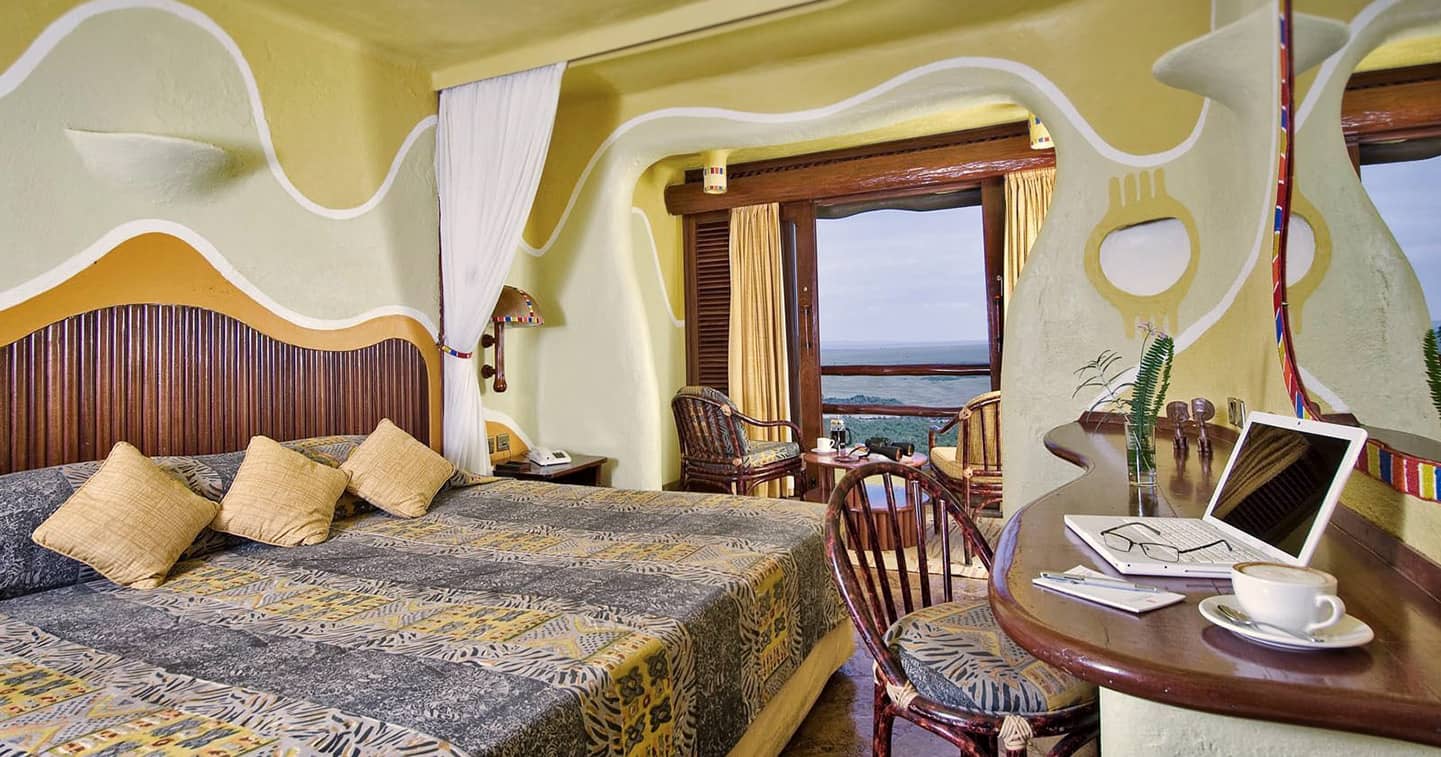
Mara Serena Safari Lodge | Maasai Mara, Kenya Mara Serena Safari Lodge holds a unique…
Best African Safari Tours
Best African Safari Tours: Our Top 10 Picks
Narrowing African safari options down to ten is not really about crowning winners. It is about giving you a shortlist that covers the genuinely different ways a safari can unfold, so you can recognize which one matches what you actually want rather than sifting through hundreds of near-identical brochure itineraries.
The tours below were chosen because each one does something the others do not: one is built around a single dramatic wildlife event, another around total privacy, and another around a once-in-a-lifetime primate encounter.
Read through with your own priorities in mind rather than looking for a single objective ‘best,’ because the honest answer is that the best tour is the one that matches why you are going in the first place.
How We Chose These Ten
Each pick below had to clear three bars: consistently strong wildlife viewing backed by park data and guide reports rather than marketing claims, a distinct experience that is not simply a repeat of another entry on the list, and realistic logistics, meaning the flights, transfers and permit systems actually work smoothly for an international traveller.
A few famous itineraries did not make the cut for exactly that last reason: they photograph beautifully but involve more driving and less wildlife time than travellers expect going in.
The Top 10 Safari Tours
1. Kenya’s Classic Migration Circuit: Masai Mara, Amboseli, Lake Nakuru
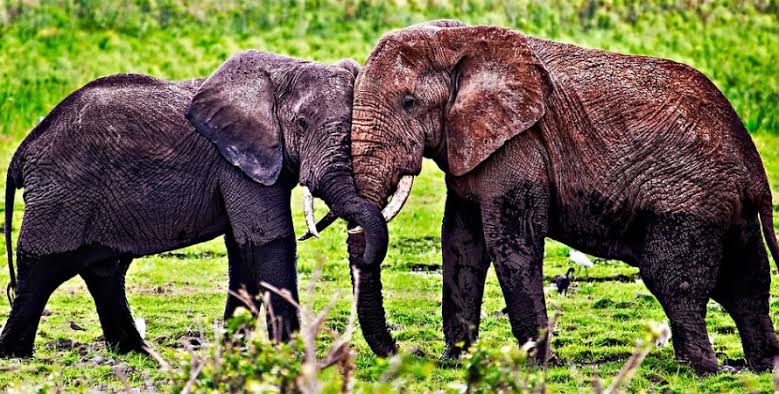
This is the tour most people picture when they imagine an African safari, and it earns that reputation. Ten days moving between the Masai Mara’s predator-dense plains, Amboseli’s elephant herds set against Kilimanjaro, and Lake Nakuru’s rhino sanctuary delivers reliable Big Five sightings without pushing you into remote, difficult logistics.
It suits first-time safari-goers and families particularly well, since Kenya’s tourism infrastructure is mature, drive times between parks are manageable, and there is a genuinely wide range of camps at every budget level.
2. Tanzania’s Northern Circuit: Serengeti, Ngorongoro Crater, Tarangire
If you want to combine the Great Migration with one of the most concentrated wildlife-viewing experiences on the planet, this is the route. The Serengeti’s endless plains host the migration for much of the year, while the Ngorongoro Crater packs an astonishing density of animals, including black rhino, into a single self-contained caldera you can cover in a day.
Tarangire adds enormous elephant herds and some of Tanzania’s oldest baobab trees. This circuit rewards travellers willing to pay a bit more for peak months, but it consistently delivers some of the most dramatic single-day game viewing in Africa.
3. Botswana’s Okavango Delta Explorer
This tour trades vehicle-based game drives for a genuinely different rhythm: mokoro canoe rides through papyrus channels, boat cruises at golden hour, and walking safaris on delta islands, combined with excellent Big Five viewing in the drier concessions around Chief’s Island.
It is the pick for travellers who have done a classic safari before and want something quieter, more exclusive, and built around water rather than open plains. Camps tend to be small and expensive, which is precisely what keeps the experience uncrowded.
4. Rwanda Gorilla Trekking and Akagera Big Five Combo
Pairing a gorilla trek in Volcanoes National Park with a few days of classic game viewing in Akagera National Park gives you the best of both worlds in a country compact enough to cover comfortably in seven to eight days.
The gorilla encounter itself, tracking a family through montane forest until you are sitting meters away from an adult silverback, is unlike anything else on this list, and Rwanda’s smooth infrastructure and short drive times make it one of the easiest countries in Africa to move around in.
This suits travellers who want their trip to include one truly singular experience rather than a broad wildlife checklist.
5. Uganda’s Gorillas, Chimps and Big Five Circuit
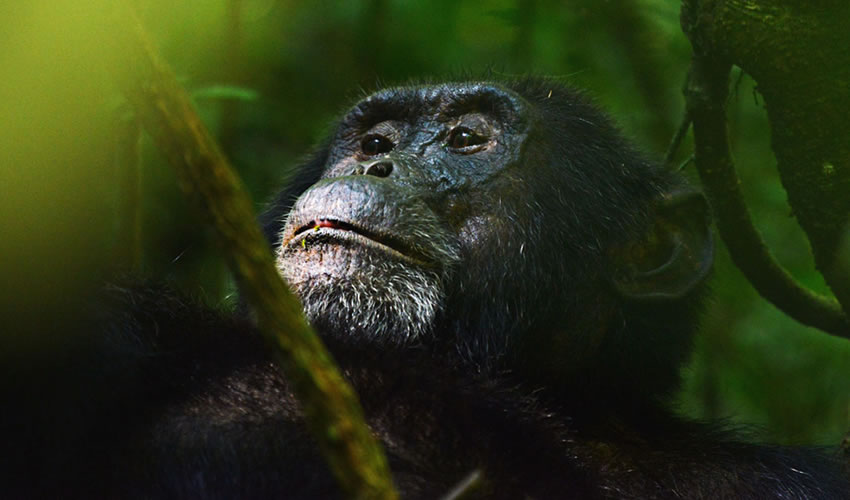
Uganda covers more biological ground than any other country on this list within a single trip: gorilla trekking in Bwindi Impenetrable Forest, chimpanzee tracking in Kibale Forest, tree-climbing lions in Queen Elizabeth National Park, and boat safaris beneath Murchison Falls, all in roughly ten to twelve days.
It asks more of travelers in terms of driving time than Rwanda does but rewards that patience with a genuinely broader range of wildlife and landscape than any single-country itinerary elsewhere in Africa.
6. South Africa’s Kruger and Sabi Sands Big Five Week
For travellers who want an outstanding Big Five viewing without the logistics of remote bush airstrips, Kruger National Park and the private reserves along its unfenced western boundary, especially Sabi Sands, are the most accessible serious safaris in Africa.
Sabi Sands in particular has built a global reputation on leopard sightings that are more reliable here than almost anywhere else, a result of decades of habituation combined with excellent tracker-guide teams. This tour pairs naturally with Cape Town or the Garden Route for travellers who want to combine wildlife with wine country and coastline.
7. Zambia’s South Luangwa Walking Safari
This is the pick for travellers who find a purely vehicle-based safari a little too passive. South Luangwa is where the modern walking safari originated, and it remains the best place to do one, tracking animals on foot with an armed, highly trained guide who reads the bush at a completely different level of detail than you experience from a vehicle.
Camps here are often smaller and more personal than the big commercial operations elsewhere in Africa, frequently run by the same guides who take you out each morning.
8. Tanzania’s Southern Circuit: Ruaha and Nyerere National Park
For travellers who want genuine remoteness rather than a quieter version of a busy park, southern Tanzania delivers it. Ruaha National Park sees a fraction of the Serengeti’s visitor numbers despite holding roughly forty percent of Tanzania’s lion population, and Nyerere, formerly known as Selous, is Africa’s largest protected area, offering boat safaris on the Rufiji River alongside game drives and walking.
This tour suits repeat safari travellers who have already ticked off the Great Migration and now want a wilder, more unhurried experience.
9. Victoria Falls and Chobe Combo
This shorter tour, typically four to six days, pairs one of the world’s great natural wonders with exceptional elephant viewing along the Chobe River in Botswana, just across the border from Zambia and Zimbabwe. It works particularly well as an add-on to a longer safari elsewhere in the region or as a standalone trip for travelers who want a genuine wildlife and scenery highlight without committing to a full two-week safari.
10. Tanzania Safari and Zanzibar Beach Extension
Combining a northern circuit safari with several days on Zanzibar’s white sand beaches solves a real planning problem: safaris are physically and mentally intense in a good way, with early mornings and long days, and a beach finish gives you somewhere to properly unwind before flying home.
Direct flights between Arusha or the Serengeti’s airstrips and Zanzibar make this one of the easiest combination trips to execute logistically, and it is consistently one of the most requested itineraries for honeymooners.
Comparing the Ten at a Glance
| Tour | Best For | Typical Length |
| Kenya Classic Circuit | First-timers, families | 7-10 days |
| Tanzania Northern Circuit | Migration + crater in one trip | 7-9 days |
| Okavango Delta Explorer | Privacy, water-based safari | 6-8 days |
| Rwanda Gorillas + Akagera | One singular wildlife encounter | 7-8 days |
| Uganda Gorillas, Chimps, Big Five | Widest wildlife range | 10-12 days |
| Kruger & Sabi Sands | Easy access, leopard sightings | 5-8 days |
| South Luangwa Walking Safari | Active, on-foot experience | 6-8 days |
| Tanzania Southern Circuit | Remote, uncrowded wilderness | 7-9 days |
| Victoria Falls & Chobe | Short trip, scenery + elephants | 4-6 days |
| Tanzania + Zanzibar | Safari with a beach finish | 10-12 days |
What Budget Should You Expect?
Costs vary enormously by camp style rather than by tour name. As a general guide, budget camping and shared group tours run $150 to $300 per person per night, mid-range lodges with a private vehicle sit between $300 and $600, and luxury tented camps move into $600 to $1,500, with fully exclusive-use properties in Botswana and Rwanda starting above that.
Gorilla permits add a further $700 to $1,500 per person depending on the country. Of the ten tours above, Kenya’s classic circuit and Kruger tend to offer the widest spread of price points, while the Okavango Delta and Rwanda combinations sit consistently at the higher end due to limited camp inventory and permit costs.
Planning Advice for Choosing Between Them
If this is your first safari, resist the pull toward the most exotic-sounding option and start with Kenya or South Africa, both of which are more forgiving if something changes last minute and offer the clearest range of budget options.
If you have already done one classic Big Five safari, the Okavango Delta, South Luangwa’s walking safaris, or Tanzania’s southern circuit, it will feel genuinely different rather than a repeat of the same experience in a new location.
And if a single once-in-a-lifetime moment matters more to you than breadth, gorilla trekking in Rwanda or Uganda is worth prioritizing above everything else on this list, since permit availability is the one factor that cannot be adjusted at short notice.
What’s Usually Included, and What Isn’t
Most of the tours above are quoted with park fees, accommodation, meals, and scheduled game drives bundled into a single nightly rate, which makes budgeting straightforward once you know the number.
What typically sits outside that rate includes international flights, visa fees, gorilla or chimpanzee trekking permits, hot air balloon safaris, premium drinks, spa treatments, and tips for guides and camp staff.
It is worth asking any operator for an itemized breakdown before you commit, since two quotes that look similar on the surface can differ significantly once you account for what each one actually covers.
Internal flights between safari regions, such as connecting the Serengeti to Zanzibar or Nairobi to the Masai Mara, are usually quoted separately as well, on small aircraft with strict luggage weight limits, so factor both the cost and the packing constraints into your planning early rather than as an afterthought.
Frequently Asked Questions
Which of these ten is best for a first safari?
Kenya’s classic circuit or South Africa’s Kruger and Sabi Sands region, both of which combine reliable Big Five viewing with straightforward logistics and a wide range of budgets.
Can I combine two of these tours into one trip?
Yes, and several already are, such as Tanzania paired with Zanzibar. Kenya and Rwanda also combine well thanks to frequent regional flights, though we would generally recommend against combining more than two of these itineraries in a single trip.
Which tour offers the best value for money?
Kenya’s classic circuit and Tanzania’s southern circuit both tend to deliver excellent wildlife viewing relative to cost, since neither requires the premium pricing that limited camp inventory drives up in Botswana or Rwanda.
How long should a first safari be?
Seven to ten days is the sweet spot for most first-time travellers, long enough to properly settle into two or three camps without feeling rushed, but not so long that travel fatigue sets in.
Do these tours work for solo travelers?
Yes. Kenya, Tanzania and South Africa all run scheduled small-group departures that solo travellers can join without paying a full single-supplement rate, while Botswana and Rwanda’s smaller camps often charge a supplement for a room to yourself but can usually place solo travellers in shared vehicles for game drives, which also tends to make the experience more social.
Related Posts