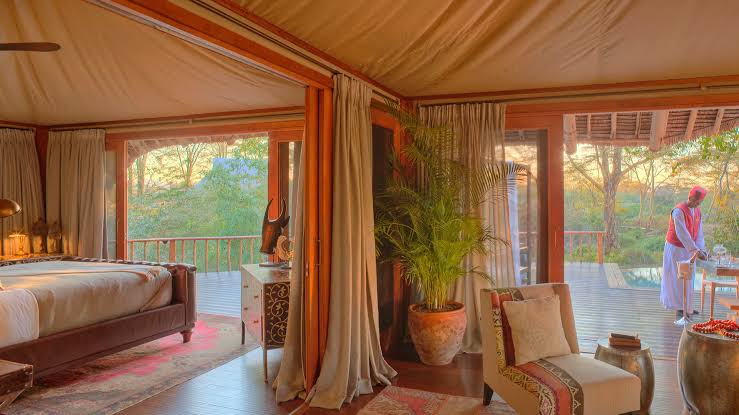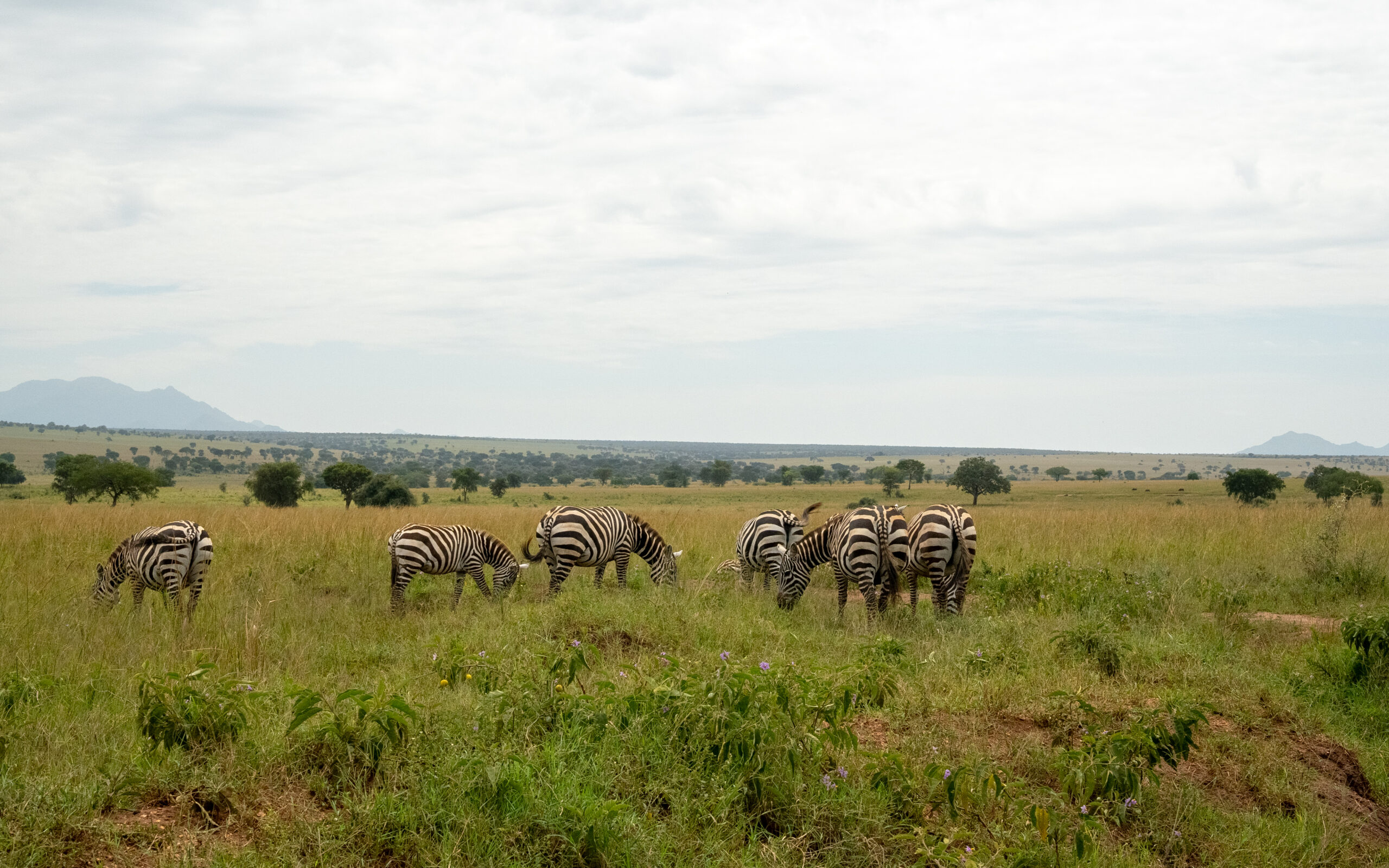
Finch Hattons Luxury Camp | Tsavo West National Park, Kenya Named for Denys Finch Hatton,…
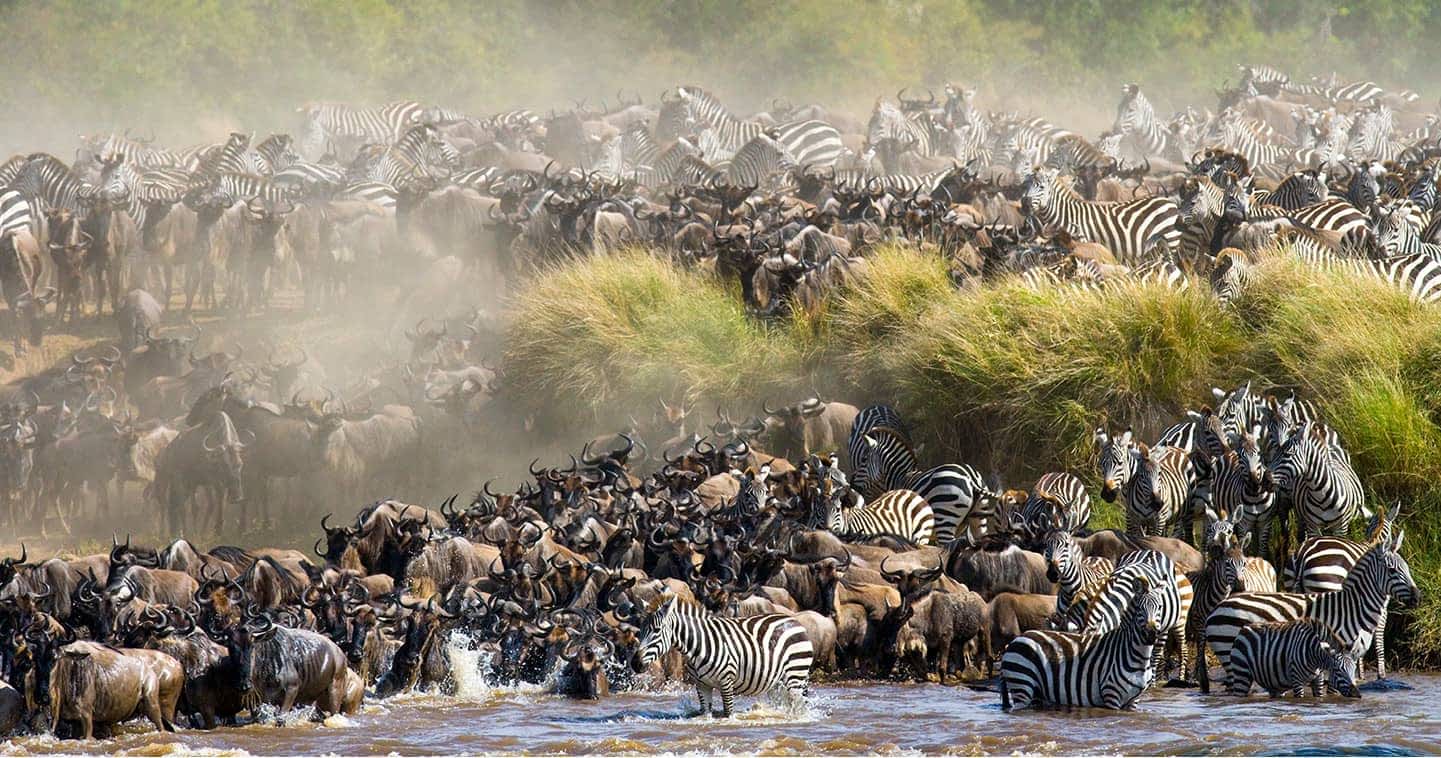
How to See the Great Migration in Maasai Mara & Serengeti?
How to See the Great Migration in Maasai Mara & Serengeti?
How to See the Great Migration in Maasai Mara & Serengeti? The key to experiencing the great migration in Maasai Mara and Serengeti is knowing that it is not a single event but a never-ending procession of animals through Tanzania and Kenya.
Every year, more than 1.5 million wildebeests, plus thousands of Burchell’s zebras, antelopes and Grant and Thomson’s Gazelles and other herd animals, set off on an epic annual journey in the Mara – Serengeti Ecosystem.
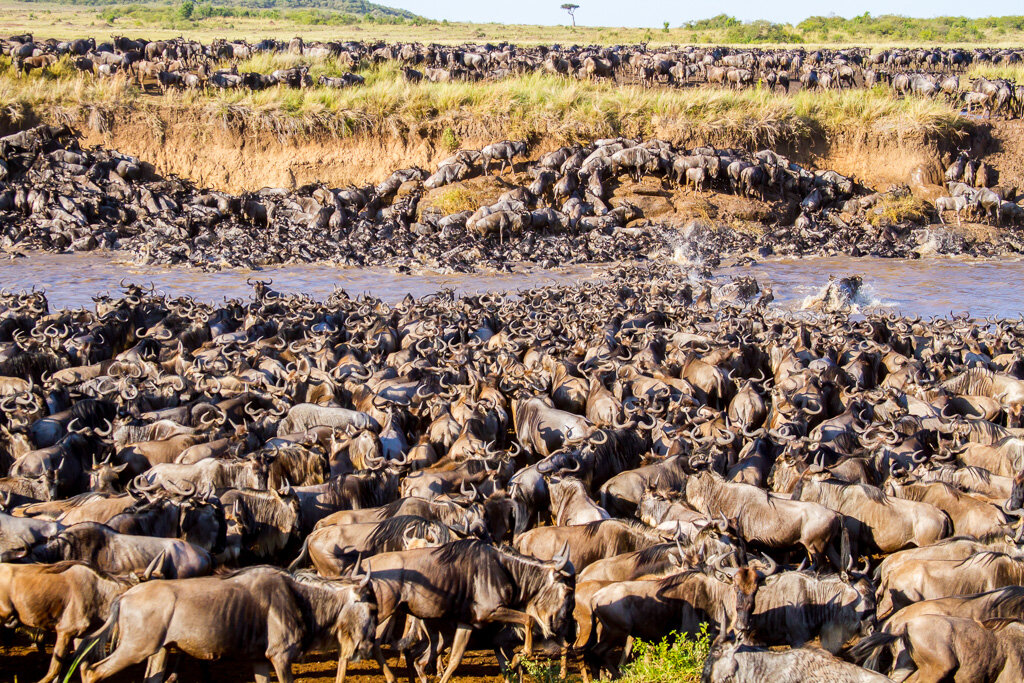
Along the journey, the herds are stalked by lions and picked off by the ferocious crocodiles as they cross Mara River. When the rainy season ends in Tanzania around June, the Great Migration begins in earnest and peaks between mid-July and September, which is the best time to witness a river crossing. By October, the arrival of the rains in Tanzania forces the herds to begin their return journey.
What is the Great Migration?
Also referred to as the Annual Wildebeest Migration, the Great Migration is a fluid and continuous event, a year-long journey of wildebeests, zebras, gazelles and other grazing animals trekking through Tanzania and Kenya in search of water and food. It is a circuit of about 1,200 miles, and arguably the greatest wildlife-watching spectacle on earth.
Though the dramatic crossings of Mara River might be the most iconic scenes of the whole journey, the Great Migration is far more expansive. Each year, the vast herds of wildebeests, zebras and gazelles trek through the oldest ecosystem on earth – Great Serengeti – Mara Ecosystem which is a sweeping landscape of around 444 square miles.
Under the guidance of instinct, survival and the rhythms of the rains, the animals follow a circular route in constant pursuit of fresh grazing. Estimates of their combined numbers vary, ranging from one to two million, but one thing is certain. Witnessing this epic journey in motion is an unforgettable wildlife experience for any wildlife enthusiast.
When is the Best Time to see the Great Migration?
The movement of the herds is dictated by the rain patterns, which are becoming less predictable as result of climate change. Thankfully whenever you choose to visit and wherever you are based (Kenya or Tanzania), there will be lots happening and plenty to see and photograph.
Here is an extensive guide to the seasonal guide to how to experience the Great Migration
December – March: Plenty of Babies and stalking lions in Serengeti National Park
At this time of the year, the migrating herds are mainly found in southern Tanzania. The wildebeests tend to congregate in February, giving birth to as many as 500,000 calves over a period of 3 weeks. Here, the volcanic soils is rich in potassium, calcium and phosphorus, producing especially nourishing grass and therefore rich milk for the newly born calves.
The grasses of the Serengeti are also short which is very crucial to the wildebeests, as they prefer to calve here, without fear of the predators that typically lurk in tall grass. However, that does not stop the prides of lions that are always testing the vigilance of the grazing herds.
April – July: Low rainfall and high drama as the Great Migration gets under way.
By April, the grass in Southern Tanzania has largely gone and the rainy season is winding down. The herds begin their trek north across the central and western Serengeti, grazing hungrily as they go. Deprived of water as the water sources dry up, they follow the Grumeti River west and by June, the waters are low, leaving the crocodile-infested pool as the only source in the area. As July arrives, the herd can be found in the northern reaches of Tanzania, near the border with Kenya.
They are heading for Maasai Mara National Reserve in Kenya.
August – September – Dramatic River Crossing in the Masai Mara
The large herds arrive in the Masai Mara and crossing of the Mara and Talek rivers, the crossing mark the climax of the Great Migration and August is probably the best month to catch a river crossing.
October – November – The return Journey South as the rains return to Tanzania.
By early October, the herds begin to leave the Mara, returning south to Tanzania. Ever on the move for greener pastures, they begin their return to Serengeti National Park for the start of Tanzania’s rainy season. In this period – early October, the grasslands in Masai Mara are so flat due to the excessive grazing forcing the herds to start their march south, consuming approximately 5,000 tons of grass each day.
How to Plan a Great Migration Safari?
If you are wondering on how to experience the Great Migration in Maasai Mara and Serengeti, the most vital aspect is timing, most especially during the peak season from June to October it is important to plan well in advance.
While it is possible to travel to Africa to see the Great Migration independently, organizing a Great Migration safari through a local tour operator can make the experience far easier. There are many options on offer, and the process of organizing the safari yourself can be complex and worth, so it is well worth enlisting the help of a responsible, specialist. These experts can tailor your itinerary, arrange bush flights (if needed) or 4×4 transfers and match you with the best safari lodges and camps to base for your Great Migration safari.
Frequently Asked Questions about the Great Migration?
Is the Great Migration in Maasai Mara National Reserve Guaranteed?
Yes, the Great Migration in Maasai Mara National Reserve. Every at around late June to October, the migrating herds cross over from Tanzania’s Serengeti National Park to Masai Mara staying till October.
Is the Mara River Crossing predictable?
No, the Mara River Crossings are not guaranteed as herds cross multiple times a day, not all at once. Patience is key.
Is July or August the best time to experience the Great Migration in Maasai Mara?
Both months offer excellent sightings of the Great Migration; however, August often has large herds present in the plains of Maasai Mara National Reserve.
Related Posts