Tanzania Cultural Safaris: A Complete Guide Tanzania cultural safaris span a wide range: Maasai communities…
What to Know Before Visiting the Maasai Mara National Reserve?
What to Know Before Visiting the Maasai Mara National Reserve?
What to Know Before Visiting the Maasai Mara National Reserve? The Maasai people are among the 40 tribes in Kenya and one of the few tribes that have continued their traditional customs and lifestyle. These nomadic tribes live in southern Kenya and northern Tanzania. The livestock, particularly cattle, are highly sacred in Maasai culture and their life is centered around herding cattle and goats.
The Maasai believe that their god, “Enkai,” created cattle specifically for them to look after, which is why they need a large amount of rural and pastoral land. The livestock are the main source of income for trading in exchange for other good goods. The Maasai also sell cow products like milk and food.
The Maasai tribe is a must-visit while on a safari in Kenya and Tanzania, most especially around Maasai Mara National Reserve and Serengeti National Park. As you plan to visit this famous tribe, here are the top things to know before visiting
- The Maasai Dance Show
The Maasai tribe in Kenya still practices its customary way of life and is one of the few tribes in Africa that have not been affected by modernization and technology. The livestock is at the center of the Maasai culture and social life.
The Maasai proudly welcome their visitors to their villages with songs and dances, and visitors are welcome to join in. On arrival (as visitors), you will be warmly welcomed and greeted with smiling faces and lively music as the Maasai men dress the male visitors in traditional sarongs and the women with necklaces and wraps around.
Usually, the show begins with the Maasai performing the adumu, a “jumping dance” where several dancers jump several feet high in the air. Then, they form a circle with the jumper dancing in the center levitating higher and higher to the rhythms of the singers. The higher the jump, the higher the singers will raise the pitch of their voices. Visitors are often invited into the circle to try jumping with them, adding fun and excitement to your visit.
- Bizarre Village Huts
The traditional Maasai village is referred to as a Manyatta, formed by several small huts (boma) made of ash, mud and cow dung. These huts are covered with thatched roofs and the Manyattas are constructed in a wide circle so that the livestock can stay in the middle protected from predators like lions and cheetahs, as well as thieves. Also, they erect thick, thorny fences around the huts as an added layer of protection.
Interestingly, the Maasai women build these sturdy dwellings, while the men supply them with the necessary materials. The dimensions of these huts vary, but the average size of each boma is around 3×5 meters and only around 1.5 meters tall. They are certainly a very different lifestyle, as an entire family cooks, eat, sleep and socializes within this modest structure.
Maasai Bomas
A Maasai boma refers to a small, enclosed village made of mud huts arranged in a circle. These huts built by women represent the strength and creativity of Maasai families. The Bomas are not exhibits for tourists; they are real homes where people live, raise children and maintain old traditions.
Understanding this as a visit before visiting the Maasai is crucial. Unlike museums, these visits are not scripted, as they are an invitation to observe and learn from real life.
Before you enter a Maasai Boma, it is helpful to know what behavior is expected.
- First of all, always ask for consent from the locals before taking photographers. While many Maasai people are open to photos, consent should never be assumed.
- Secondly, dress modestly when visiting the Maasai. This is a sign of respect and helps you blend in better.
- Thirdly, avoid pointing at the people or objects with your finger. This act is considered impolite in East Africa and its cultures, including the Maasai.
- Greet the elders with a slight bow or handshake using your right hand. If you are offered food or milk, it is courteous to accept, or even if just a small amount. Though simple, these moments create genuine bonds, bridging cultural gaps and ensuring both sides feel valued.
- Come with Some Cash in Hand
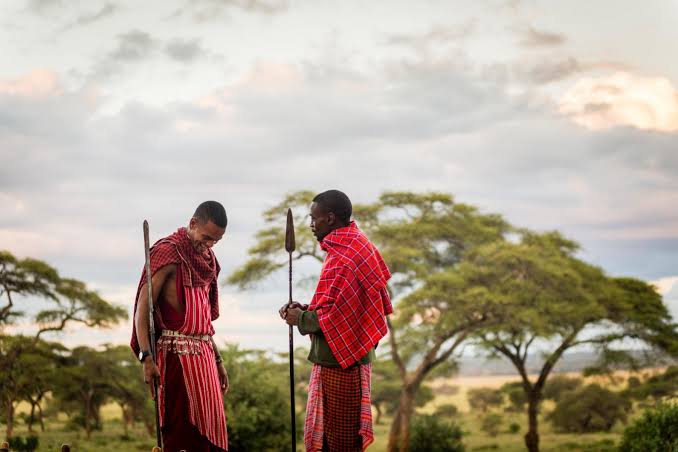
When you enter the Maasai Village, one of the first things you will notice is the many vivid colors of the Maasai garments and at the end of your visit, you will be ushered to their local marketplace, where you can buy the vibrant garments, brightly beaded necklaces, bracelets and amulets worn mostly by the Maasai women, who use the beaded jewelry as a way of expressing their identity and social status.
This blend of colors makes for a photogenic scene as these bright shukas and trinkets strongly contrast with the browns and greens of the landscapes. If you like, you can purchase some of these items to support the local economy of the village as well as bring home authentic, handcrafted items as souvenirs from your Kenya safari journey.
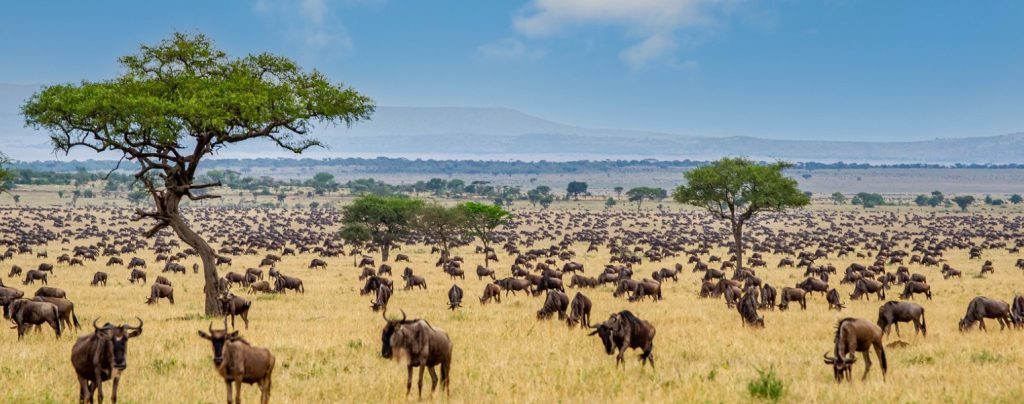
A cultural visit to the Maasai people in Kenya is a thrilling and immersive part of your Kenya safari experience and is a must-do while on a safari in Maasai Mara, considering the entire region is named after those fascinating people.
That is why it is common to come across a Maasai warrior tending his livestock on the savannah alongside elephants, giraffes and zebras. The rolling savannah plains of Maasai Mara are also home to some of Africa’s most dangerous predators. For centuries, the Maasai people have lived peacefully alongside these wild animals and have a strong aversion to eating game.
What to Expect During Your visit to Maasai
While visiting the Maasai village, you will observe their daily life activities such as making fire, beading and cattle herding. You will be invited to join in traditional dances and listen to stories passed down orally from the elders. This is not a performance for the tourists; it is a shared moment.
During these moments, it is advised you keep the use of your phone at a minimum; instead, engage with the people, listen and ask respectful questions for an insightful experience.
Many of the Maasai people speak basic “Swahili” and some English, so it is important to learn a few Swahili greetings, such as shikamoo (greeting to an elder) or asante (thank you), helping you connect with the Maasai at a deeper level. Learning a few words in the local language shows efforts and respect for the cultures and traditions.
Related Posts