Serengeti National Park Vs Kruger National Park Serengeti National Park Vs Kruger National Park are the…
Which Month is Best to visit the Masai Mara?
Which Month is Best to visit the Masai Mara?
Which Month is Best to visit the Masai Mara? The answer depends entirely on who you ask. Most safari companies and travel websites tend to repeat the same thing over and over again. They point straight to July, August, or September and immediately begin talking about the Great Migration, dramatic river crossings, giant herds of wildebeest, and predators waiting by the banks of the Mara River. None of that is wrong. Those scenes are real, and when you finally witness them in person, they are every bit as overwhelming as the photographs suggest. Still, that answer only tells part of the story.
People who work inside the Mara year round usually describe the reserve very differently. Local guides, trackers, and camp staff see the landscape change month by month. They watch the grass grow, dry out, burn under the sun, and return again after the rains. They know how quickly the atmosphere changes depending on weather, tourist numbers, and animal movement. Ask one of them about the best month to visit the Masai Mara and they will probably answer with another question first.
Do you want solitude? Are you traveling on a tight budget? Do you want dramatic migration scenes or quiet hours watching lion cubs wrestle in the grass? The answer changes depending on what kind of safari experience you are looking for.
The Mara does not really move according to a neat calendar. Rain controls everything here. Grass controls everything too. Once you spend a few days inside the reserve, you start realizing that wildlife movement is tied directly to those two things. Some months feel loud and chaotic, packed with vehicles and dust clouds. Other months feel strangely empty, almost private, even though the wildlife remains everywhere around you.
January is one of the most underrated times to visit the Masai Mara National Reserve. By this point, the short rains from November and December are usually over. The plains are green, the air feels clean, and visibility across the reserve becomes excellent because the dust has settled. The grass is still short enough that predators are easy to spot. Cheetahs struggle to disappear into cover, and lion prides often spend long hours resting in open areas where vehicles can quietly observe them.
This period is also important because many grazing animals are giving birth. Zebras, topis, and gazelles are often seen with newborns stumbling around close to their mothers. Naturally, predators stay nearby. The entire ecosystem feels active but calm at the same time. There is movement everywhere without the pressure and noise that arrive later in the year.
For solo travelers especially, January can feel almost therapeutic. The reserve becomes quieter after the holiday rush disappears. You can drive for long stretches without passing another safari vehicle. Sometimes a guide will park beside a pride of lions for an hour or two without interruption. That almost never happens during migration season. The sky during January also looks different compared to the dusty dry months. It turns deep blue during the afternoons, especially after early morning mist clears along the escarpment.
February keeps many of the same advantages, although conditions become progressively drier. Temperatures rise slowly, and water starts concentrating into smaller rivers, pools, and streams. For wildlife viewing, that is actually helpful. Animals begin gathering around reliable water sources such as the Mara River and Olare Orok stream, making sightings more predictable.
Photographers tend to love February because of the cleaner light and easier animal tracking conditions. There is less vegetation blocking the view, and mornings often begin with soft golden light stretching across open plains. Couples looking for a quieter safari experience usually enjoy this period too because camps remain peaceful compared to the chaos of August. Nights are particularly beautiful during February. After dinner, people sit beside campfires listening to hyenas calling somewhere far out in the darkness while the sky fills with stars.
The financial side matters too. January and February are usually far more affordable than peak migration months. Some luxury safari camps lower their prices significantly despite offering exactly the same wildlife areas, experienced guides, and high quality service. In practical terms, travelers often get a far better overall safari experience for much less money.
March begins shifting the atmosphere again. Early March can still feel dry and stable, but by the middle or end of the month, clouds start forming more regularly over the escarpments. The long rains slowly begin arriving. Many travel guides describe this as a bad time to visit Kenya, but that advice feels overly simplistic.
March has some of the most dramatic scenery of the entire year. Weather changes constantly. A bright sunny morning can suddenly transform into dark rolling storm clouds sweeping across the plains. The contrast creates incredible photography conditions. Lions standing against charcoal colored skies look almost unreal. The grass becomes richer in color, and the entire reserve smells different once rain begins soaking into the dry earth again.
There is something raw about the Mara during this period. It feels less controlled and less polished. Storms move across the landscape quickly, and animals react to the changing conditions almost immediately. Elephant herds gather near fresh vegetation while birds become louder and more active after rainfall.
April and May are the true rainy season months, and this is where many travelers hesitate. Some camps close completely because roads become difficult to manage. The black cotton soil inside the reserve turns into thick mud after heavy rain. Vehicles slide, sink, and occasionally get trapped for hours. Anyone planning a self-drive safari during this period seriously underestimates how difficult the terrain can become.
Good guides earn their reputation during these months. Experienced drivers know how to read the road surface and recognize dangerous sections before driving into them. Without that local knowledge, getting stuck is almost guaranteed.
Families traveling with children may struggle during April and May because game drives can become long and uncomfortable in wet conditions. Still, experienced travelers often end up loving this season. The Mara changes completely. Instead of dusty golden plains, the reserve becomes intensely green. Some areas honestly resemble farmland in parts of Europe rather than East Africa.
Wildlife remains present despite the rain. In some cases, predators become easier to track because they spend more time walking along roads and open areas instead of disappearing into soaked grass. Lion sightings can actually be excellent during wet months because prides avoid thick muddy areas whenever possible.
Prices during April and May drop heavily. Camps that remain open often offer surprisingly low rates compared to high season months. Travelers who normally could not afford luxury safari lodges suddenly find those places accessible. You may stay in a beautiful tented camp overlooking the plains for a fraction of what the same room costs in August.
By June, the rains usually begin fading away. The reserve still looks green, but roads dry out quickly under the stronger sun. June feels like a transition period. Mornings become cold enough that many camps provide blankets during game drives. Visitors who expect constant African heat are often surprised by how chilly dawn can feel inside an open safari vehicle.
June is also quieter than peak migration months while still offering excellent wildlife viewing. Elephant herds move confidently through woodland areas, giraffes spread across the plains, and predators remain active because prey animals are healthy and widespread. Camps begin filling up slowly again, though vehicle numbers remain manageable.
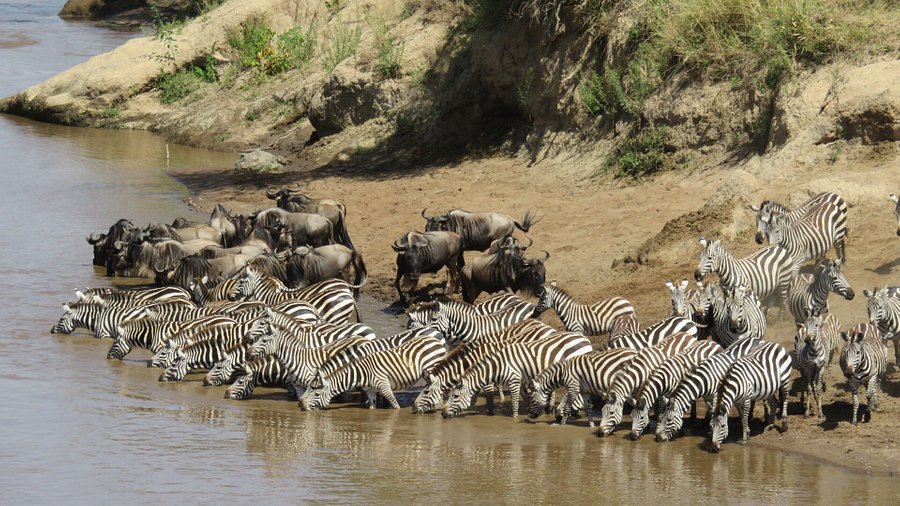
Then July arrives and everything changes. This is when the Great Migration starts pushing north from the Serengeti into the Masai Mara ecosystem. Huge columns of wildebeest begin appearing across the plains alongside zebras and elands. The sound alone becomes unforgettable. At night you hear constant grunting and movement echoing through the darkness beyond camp.
Predators respond immediately to the arrival of so much prey. Lion prides barely need to travel far for food. Leopards patrol riverine forests waiting for isolated young animals. Hyenas become more vocal and aggressive around crossings. Wildlife density during July can feel overwhelming, especially for first time safari visitors.
At the same time, tourist numbers increase dramatically. Popular river crossing points become crowded with safari vehicles waiting for hours beside the riverbanks. Dust rises everywhere once dozens of vehicles gather in one place. Patience becomes necessary during this season because everyone wants to witness the same crossings.
August pushes this atmosphere even further. This is the busiest month inside the Masai Mara National Reserve. River crossings happen frequently, and tension builds around the riverbanks as wildebeest gather in huge nervous groups before finally jumping into the water.
The crossings are chaotic. Animals crash into each other while trying to climb muddy banks. Crocodiles wait below the surface. Some crossings last only minutes while others continue for hours. Watching thousands of animals move together through panic and confusion is one of the most intense wildlife spectacles anywhere in Africa.
But August is also exhausting in some ways. Dust covers everything. Vehicles crowd together around major sightings. In busy parts of the reserve, the atmosphere sometimes feels closer to a wildlife traffic jam than a wilderness experience.
Travelers looking for quieter safaris during August usually stay in private conservancies bordering the main reserve. Conservancies such as Mara North or Naboisho control vehicle numbers carefully and offer a much calmer experience while still allowing access to migration areas.
September remains dry and dramatic. By now the grass has been heavily grazed down, leaving much of the landscape exposed and dusty. Predator interactions increase because prey animals lose hiding cover. Lions, cheetahs, and hyenas become easier to spot against the shorter grass.
The light during September looks softer because of the dust hanging in the atmosphere. Sunsets turn deep orange and red across the plains. Tourist numbers slowly begin dropping toward the end of the month, creating a slightly more relaxed atmosphere compared to August.
October feels different again. Migration herds start thinning out and slowly shifting southward depending on rainfall patterns further down in the Serengeti. Camps become quieter. Staff have more time to sit and talk with guests during evenings. The pressure of peak season disappears.
For many experienced safari travelers, October is one of the smartest months to visit the Mara. Wildlife remains excellent, migration herds are still present in parts of the ecosystem, but the crowds become far more manageable.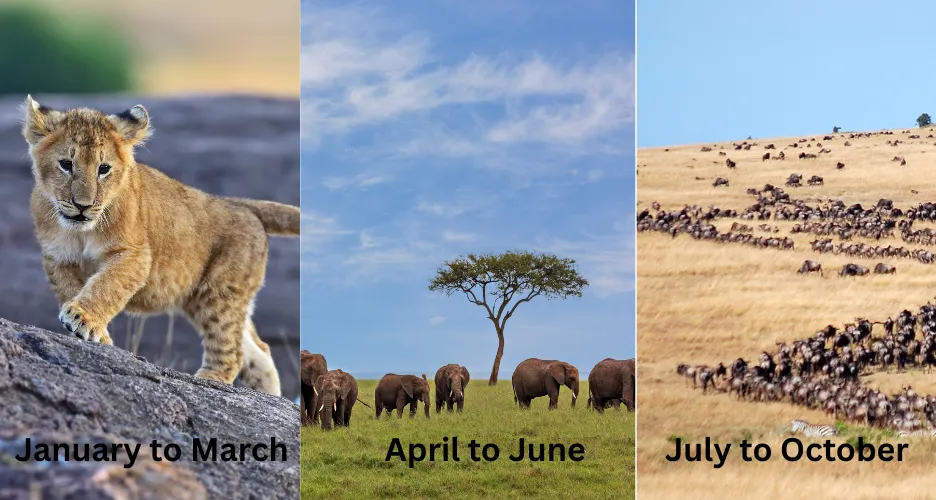
November brings the short rains back into Kenya. Conditions become unpredictable again. One day may be dry and sunny while the next brings afternoon storms rolling across the plains. Some migration herds briefly return north following fresh grass growth after rain.
Birdwatchers especially love November because migratory species begin arriving from Europe and northern Africa. Bee eaters, rollers, and birds of prey become extremely active during this season.
December changes character halfway through. Early December often feels peaceful and green again. Wildlife viewing remains excellent, and camps stay relatively calm. Then holiday season arrives. Prices rise sharply as international travelers and Kenyan families begin visiting during Christmas and New Year celebrations.
Comparing the Masai Mara to places like Serengeti National Park also helps explain why timing matters so much. The Serengeti ecosystem is enormous. Wildlife spreads across huge distances, meaning visitors must position themselves carefully depending on migration timing. The Mara is much smaller and more concentrated. When the herds arrive, everything compresses into a smaller space. Wildlife density becomes incredible, but crowding increases too.
The financial side of safari planning matters more than many people realize. Visiting during July or August can easily cost two or three times more than traveling during quieter months like May or January. Flights from Nairobi become expensive, camps fill quickly, and safari vehicles stay busy every day.
Traveling during shoulder seasons gives people far more flexibility. You may afford private guides, luxury camps, or longer stays that would otherwise feel impossible financially during peak migration season.
The truth is that there is no universally perfect month for visiting the Masai Mara National Reserve. Wildlife stays here all year. Lions do not disappear. Leopards remain hidden in river forests whether tourists arrive or not. The landscape simply changes personality throughout the seasons.
Some travelers want drama, river crossings, noise, and giant herds stretching across the plains. Others want silence, green landscapes, cub sightings, and long uninterrupted game drives. The best month depends entirely on which version of the Mara you want to experience.
Related Posts