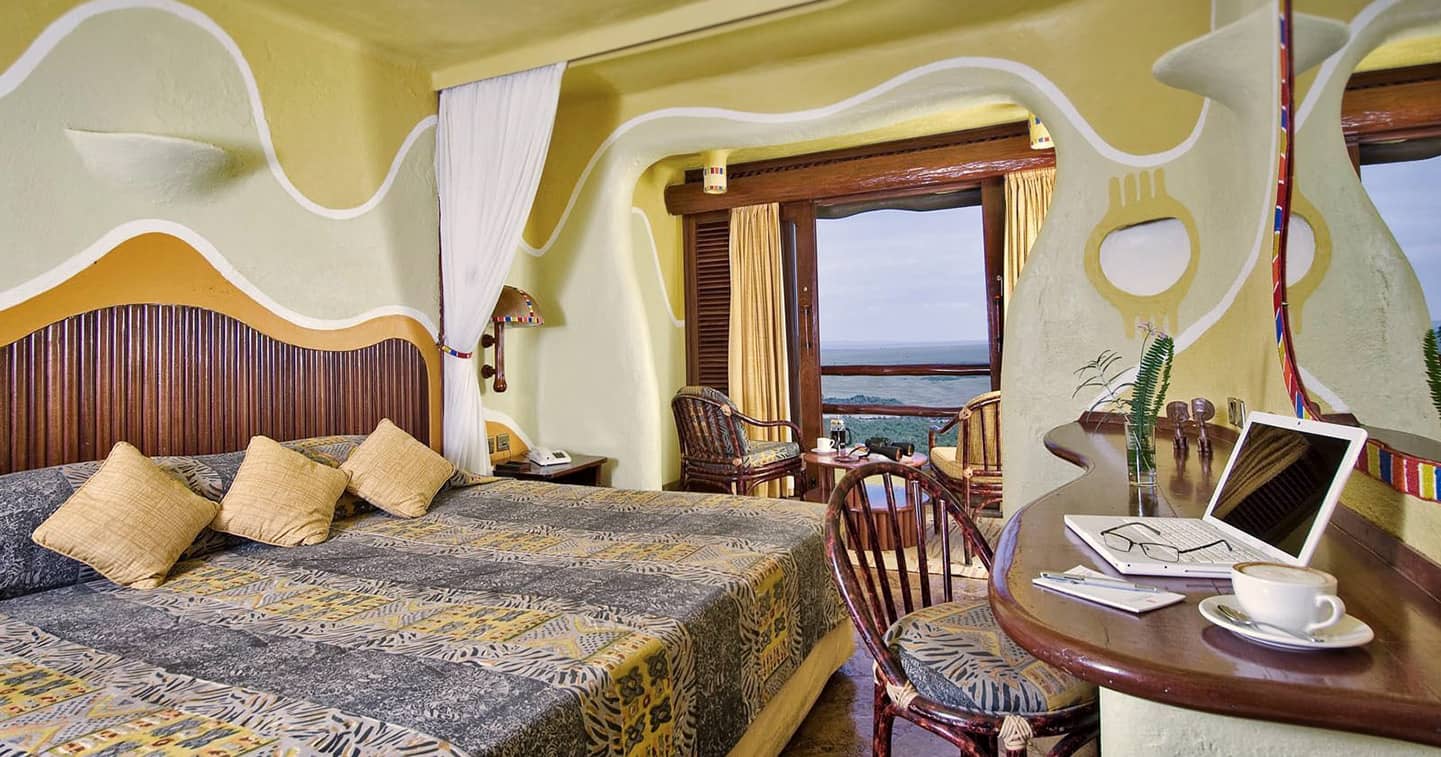
Mara Serena Safari Lodge | Maasai Mara, Kenya Mara Serena Safari Lodge holds a unique…
Nature Walks in Rwanda | Explore Forests, Trails & Wildlife
Nature Walks; Listening to the Heart of Rwanda
There is a distinct, ancient rhythm to this land, a cadence that reveals itself only when you step out of the safari vehicle and trust your own feet to the earth. I have walked these trails for more than a decade, guiding travelers from all corners of the world through the damp, green corridors of Rwanda. Each morning, as the mist lifts from the ridges like a slow, silver curtain, I am reminded that the true essence of this country cannot be glimpsed at high speed. It must be gathered slowly, one deliberate step at a time. For the traveler who crosses oceans to find something real, a guided nature walk here is not merely an excursion; it is an orientation of the soul.
People often ask me how to prepare for the forest, as if the wilderness could be outsmarted by gear. I tell them that the trees are an uncompromising host, and they demand a certain humility. You will need sturdy, broken-in hiking boots with good ankle support, for the paths are root-twined and often slick. Pack long, lightweight trousers and long-sleeved shirts to protect your skin against the sharp sting of forest nettles. A waterproof jacket must always live in your pack; the clouds over the rainforest are generous, sudden, and entirely unpredictable.
When you pack your bags for this journey, leave all single-use plastics behind. Rwanda enforces a strict, quiet cleanliness across her borders, and the plastic bags common in other parts of the world are forbidden here. Before we can set out into these sanctuaries, there are a few practicalities the world requires. Most travelers will find that a tourist visa can be stamped directly into their passport upon arrival at Kigali International Airport, though some prefer the ease of an East African Tourist Visa if their journey crosses borders to Uganda or Kenya
You must ensure your routine vaccinations are up to date, and a conversation with a travel doctor regarding malaria prophylactics is wise, especially if our journey takes us down into the lower, warmer savannahs. The permits for these walks are a quiet agreement between visitors and conservation, managed by the Rwandan Development Board (RDB). They generally cost between forty and eighty dollars for a day’s entry, a small fee paid directly to the preservation of the wild.
Our days always begin early, long before the sun has fully claimed the sky. At seven o’clock sharp, we gather at the park headquarters for a mandatory briefing. To miss this morning gathering is to forfeit your permit, for the forest does not wait for latecomers. It is here, at the trailhead, where you will meet the porters—local men and women from the surrounding villages. For a modest fee of fifteen to twenty dollars, they will carry your heavy camera gear and offer a steady, practiced hand on the steepest slopes. Engaging a porter is not merely a physical lifesaver on a slick ridge; it is a direct and vital way to support the families who live on the edges of these wild spaces.
In the southwest of the country lies Nyungwe forest, a prehistoric rainforest that has stood undivided for millennia. To walk here is to immerse yourself in an ocean of leaves. My favorite path is the Igishigishigi Trail, a short two-kilometer ribbon of earth that balances physical ease with profound beauty. It leads to a suspension bridge swinging fifty meters above the forest floor. Up there, walking among the crowns of the ancient mahogany trees, you look down upon a secret world where colorful hornbills glide and agile colobus monkeys leap through their high, green kingdom. For those who wish to feel the true weight of the forest, the Isumo trail drops deeply into steep ravines where the air smells of crushed ferns and cold, rushing water.
For Rwanda gorilla trekking, the air cools and the landscape changes dramatically at Volcanoes National Park. Here, the walking trails climb through thick bamboo forests guarded by the towering, silent Virunga peaks. Musanze sits high, well over seventeen hundred meters above sea level, and the air is thin and crisp. You must pace your breath on these mountains, and ensure you have packed warm layers, for the temperature drops sharply the moment the sun slips behind the volcanoes. Walking here feels heavy with history. One of our most moving treks follows the trail to the final resting place of Dian Fossey and the old Karisoke Research Center. It is a steady, evocative climb through the mist, rewarding you not just with the sudden, breathless sight of golden monkeys leaping through the bamboo, but with a deep understanding of the fierce love that saved the mountain gorillas roaming these very ridges.
When doing Rwanda gorilla trekking and you encounter these wild primates, the rules of the kingdom apply. We must maintain a strict distance of seven meters from them at all times. This is not for your safety alone, but to protect them from human illness, as our genes are too closely intertwined. When you stand in their presence, you must drop your voice to a whisper. Flash photography is entirely forbidden, for a sudden burst of artificial light can startle a silverback and provoke a defensive wrath. And while you are near them, your water bottles and food must remain tucked away in your bags; we do not eat or drink in their presence.
To the east, the earth flattens into the warm, sun-bleached plains of Akagera National Park. A walking safari here, accompanied by an armed park ranger, offers a completely different thrill. We tread softly along the acacia woodlands and the quiet shores of Lake Ihema. Without the glass barrier of a car door, the deep footprint of a hippo in the mud or the distant, low rumble of a lion takes on a magnificent, immediate reality. It reminds you that you are a guest in a home that does not belong to humans.
For those who seek a gentler rhythm away from the steep mountain climbs, Rwanda safari offers softer waters. One can wander the shores of the Twin Lakes, Burera and Ruhondo where the paths trace the high, green banks and look out across the reflections of the Virungas. Or, if you find yourself with a quiet afternoon near the capital of Kigali, we can walk through Umusambi Village. This beautifully restored wetland sanctuary provides an easy, peaceful stroll where the endangered Grey Crowned Cranes walk safely through the reeds, their golden crests catching the late afternoon light.
In my years of guiding, I have found that the travelers who leave Rwanda transformed are those who learn the art of stillness. Anyone can look at a landscape, but to walk through it with someone who knows its moods is to read it like a well-loved novel. We will teach you to notice the subtle things: the low, guttural call of a chimpanzee echoing across a valley before the animal is ever seen; the delicate orchid blooming in the fork of a tree; or the damp, dark soil that supports this entire, fragile paradise.
The trails are waiting, completely indifferent to the modern rush of the world outside, yet utterly transcendent for those who take the time to walk them. Come with an open mind, a “quiet step, and let the “A Thousand hills” of Rwanda tell you their oldest stories.
Related Posts