Planning a Uganda Safari Tour in 2026? Get the latest local insights on safety,…
Top 10 Ugandan Travel Tips for First-Time Visitors (2026 Guide)
Uganda welcomes you with beautiful landscapes, friendly people, and a sense of adventure. In this blog, Top 10 Uganda Travel Tips, you will find all the essentials for planning a smooth and memorable trip.
The Uganda travel tips are organized to give you a clear and complete look at traveling in Uganda. Let’s explore local highlights, practical advice, and the rich culture you won’t want to miss.
- Secure Entry Documents
Every day, travelers arrive at Entebbe International Airport. To enter, immigration officers will ask for valid documents. The East African Tourist Visa lets you visit Uganda, Kenya, and Rwanda. Apply online ahead of time to avoid any delays. Having your paperwork ready makes crossing borders much easier.
- Before you even head to the airport, your most critical task is ensuring your passport is safari-ready. In 2026, Uganda immigration strictly requires a passport with at least six months of validity remaining from your date of entry, along with at least one blank page for stamps. Don’t wait until the last minute, if your expiration date is approaching that six-month window, renew it now. You will also need to keep a digital scan and a physical photocopy of your passport’s bio-data page tucked away in your luggage as a backup.
- Next, you must secure your Uganda e-Visa or the East African Tourist Visa via the official Directorate of Citizenship and Immigration Uganda has moved entirely to a “pre-approval” system, meaning you should apply at least two to three weeks before your flight. The standard tourist visa costs $50, while the joint East African visa ($100) is perfect if you plan for a combo safari to Rwanda or Kenya. Once approved, you will receive an Approval Letter via email; you must print this out to show the airline at check-in and the officers at Entebbe, as a digital copy on your phone is not always enough to clear the gate.
- Finally, keep a small “entry folder” in your carry-on containing your printed visa approval, your yellow fever card, a copy of your return flight ticket, and your safari itinerary or hotel confirmation. Having these four items physically ready will make your transition from the plane to the savannahs or the misty Bwindi, very easy. While you are at it, ensure you have $50–$100 in crisp, post-2013 US Dollar bills. Older notes are often rejected by local banks and forex bureaus, and having a bit of cash on hand is the best way to handle small tips or a quick “Rolex” snack the moment you land.
- Pick Your Destinations Early
Uganda boasts diverse landscapes that offer a range of experiences. Queen Elizabeth National Park provides thrilling safaris, while Bwindi Impenetrable Forest is renowned for its magical gorilla trekking opportunities. Murchison Falls showcases the power and beauty of cascading water, and Jinja is famous for the adventures on the Nile River. Kampala, the capital city, features vibrant markets and a fusion of cultures. To make the most of your trip, consider following these top 10 Ugandan travel tips: plan for a balance of activities by including a wildlife day, a culture day, and a city day in your itinerary.
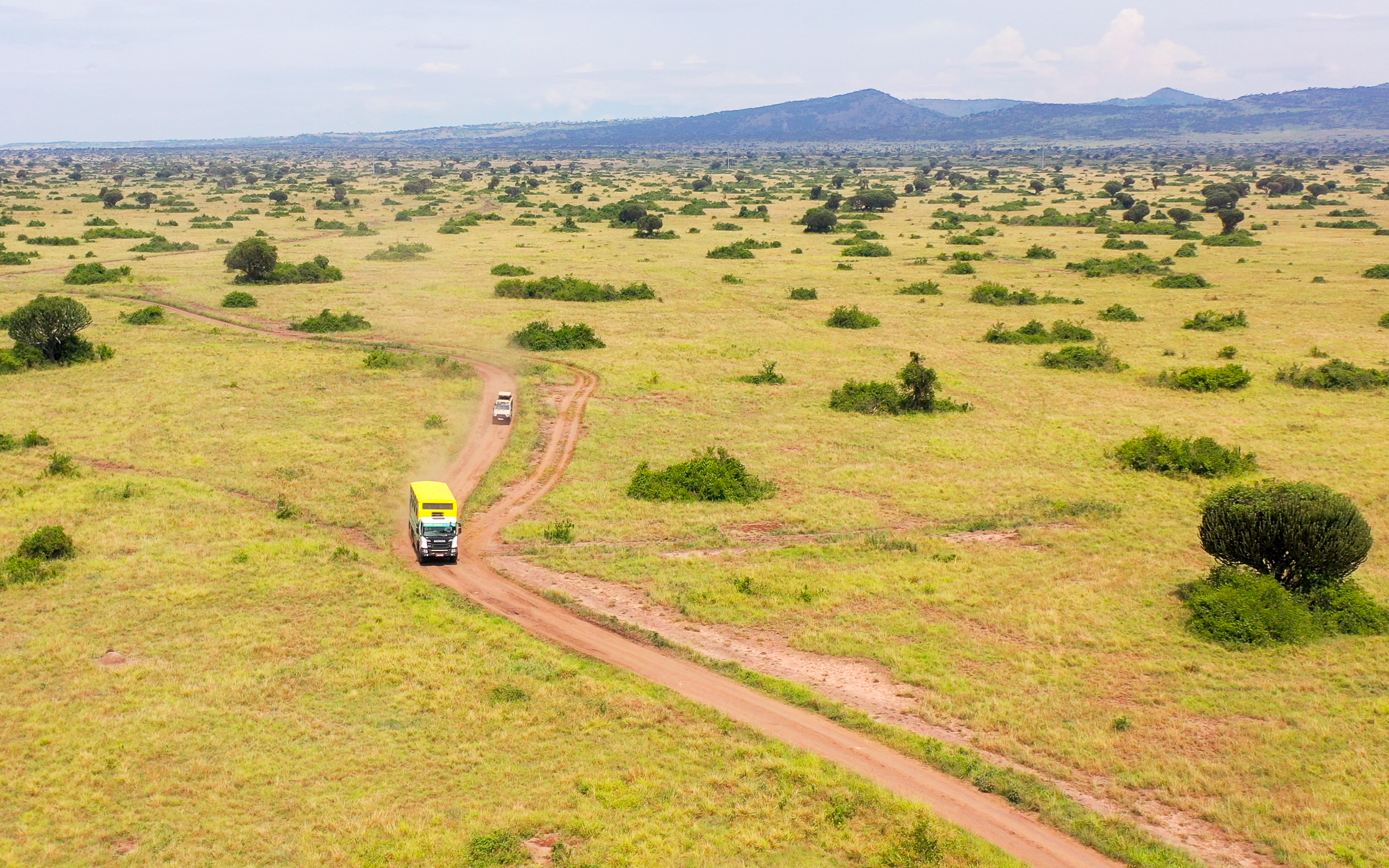
- To truly experience the “Pearl of Africa,” you must look beyond a single park and understand that Uganda is a mosaic of wildly different ecosystems. Murchison Falls National Park is where the Victoria Nile squeezes through a tiny 7-meter cleft, creating the world’s most powerful waterfall. It’s the best place for a boat safari to see yawning hippos, massive Nile crocodiles and the shoebill at Albert delta. In contrast, Queen Elizabeth National Park offers the classic savannah experience, famous for its rare tree-climbing lions in the Ishasha sector and the stunning views of the Kazinga Channel. By picking these “anchor” destinations early, you can map out a route that balances the roar of the falls with the silent stealth of a predator on the hunt.
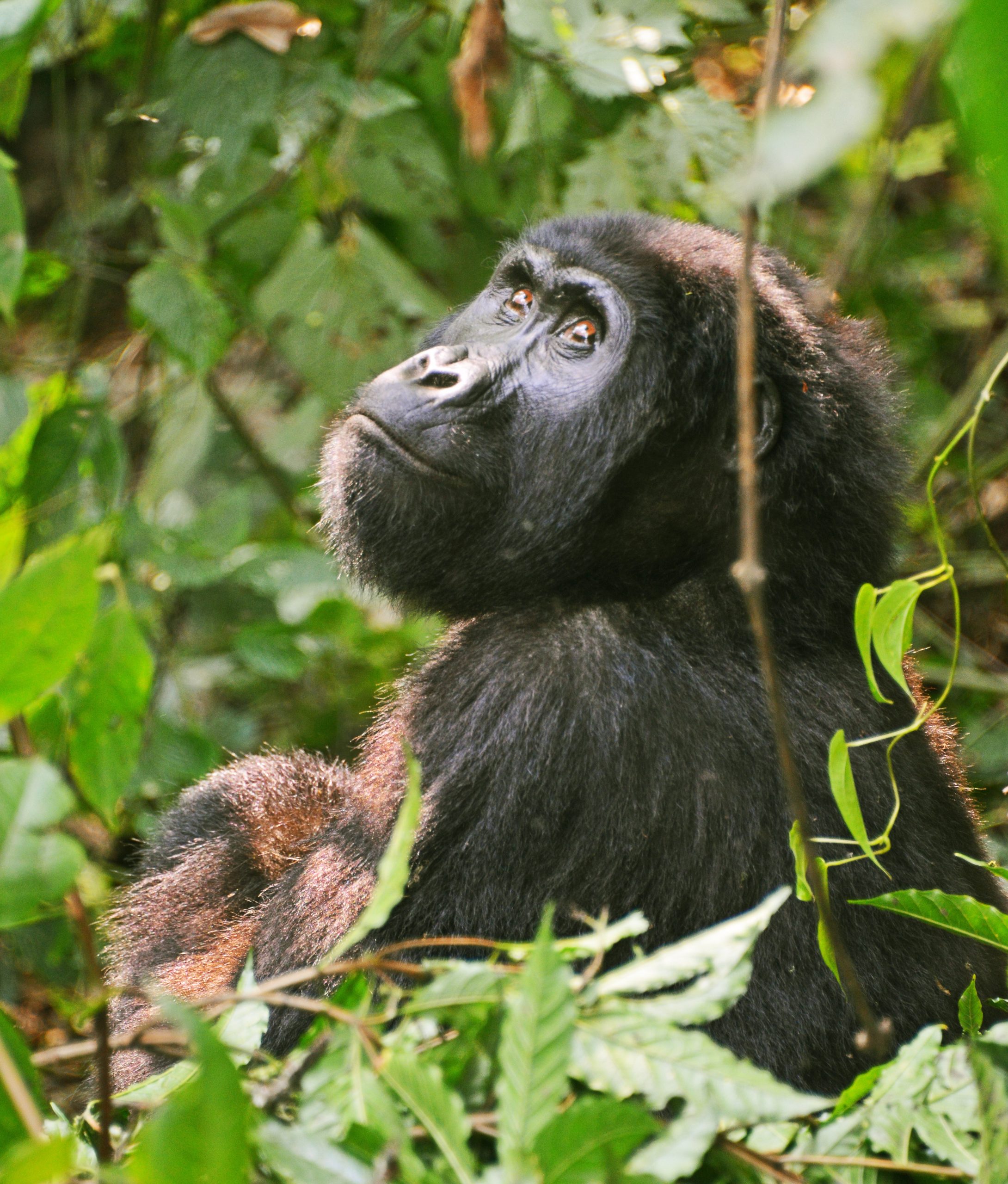
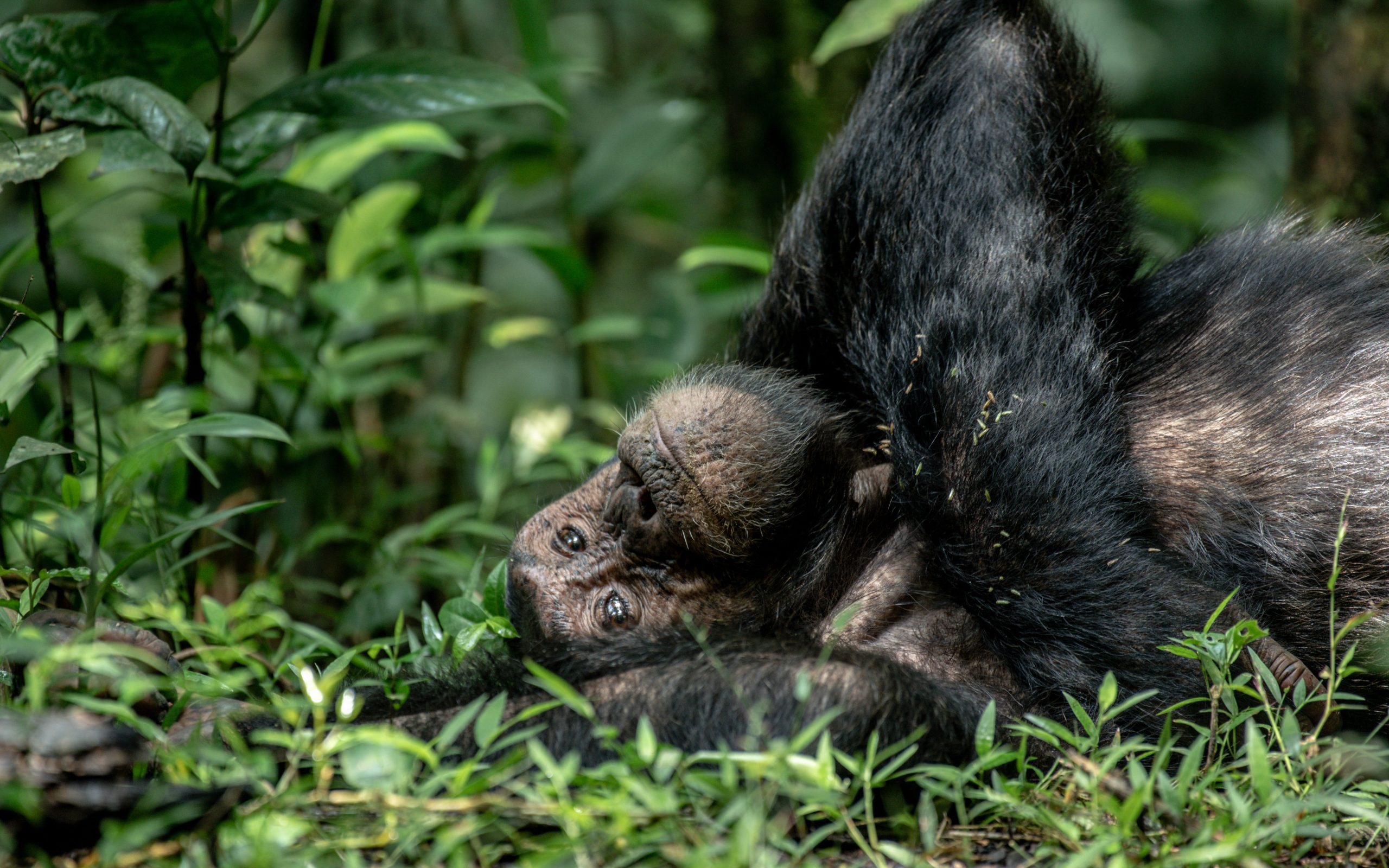
- If your heart is set on a face-to-face encounter with our cousins, the Great Apes, you must prioritize the southwest. Bwindi Impenetrable National Park is the global headquarters for mountain gorilla trekking, but make sure not to overlook Kibale Forest, known as the primate capital of the world with its dense population of habituated chimpanzees. Because gorilla and chimp permits are strictly limited to a few lucky visitors per day, deciding on these spots six to eight months in advance is the only way to guarantee your permit. These high-demand locations dictate the flow of your entire itinerary, so lock them in before you book your flights.
- For those seeking a rush of adrenaline or a deep dive into history, the eastern and central regions offer a perfect change of pace. Jinja, the source of the Nile, is Africa’s adventure capital, where you can choose between world-class grade 5 and 6 white-water rafting or a calm sunset cruise along the calm Nile section. Meanwhile, a stop in Kampala is essential for any traveler who wants to feel the heartbeat of modern Uganda. From the historic Kasubi Tombs to the organized chaos of Buganda road craft market, where you can find everything from handmade crafts to local spices, the capital provides the cultural soul that nature alone cannot provide.
- The secret to a world-class Ugandan safari is what we call “The Golden Balance.” Instead of rushing from one game drive to the next, structure your journey to include a “Wildlife Day” in the parks, a “Culture Day” visiting local homesteads or coffee plantations, and a “City Day” to decompress in Entebbe or Kampala. This variety prevents “safari fatigue” and ensures you leave with a holistic view of the country. By mapping these diverse landscapes out early, you avoid spending your entire holiday behind a windshield and instead spend it immersed in the incredible variety that makes Uganda a unique destination for 2026.
- Manage Local Currency
The Ugandan Shilling is the primary currency used by local market vendors. It’s advisable to carry cash in small denominations for transactions. Mobile money is the dominant method for daily payments, with MTN Uganda providing mobile money services at the Airport and other numerous locations across the country. Additionally, Airtel Uganda serves as a reliable alternative for users. One of the top 10 travel tips for Uganda focuses on financial management. Banks also facilitate the exchange of foreign currency at their branches countrywide.
- While your safari lodge and even a majority of craft markets will accept credit cards, the real heart of Uganda, roadside fruit stalls, and “Rolex” vendors, operates almost entirely on Ugandan Shillings (UGX). Upon arrival at Entebbe or in Kampala, visit a reputable forex bureau to exchange your US Dollars, Euros, or Pounds. Always ask for a mix of “small change” in denominations like 5,000, 10,000, and 20,000 shilling notes. These are gold when you want to buy a hand-woven basket or tip a porter in Bwindi impenetrable forest.
- For a truly local experience, embrace Mobile Money, which is the undisputed king of digital payments in East Africa. By purchasing a local SIM card from MTN or Airtel at the airport (using your passport for registration), you can load cash onto your phone at thousands of small wooden kiosks found in nearly every village. This “cashless” system is incredibly secure for travelers because it allows you to pay for everything from dinner to fuel without carrying thick paper money.
Prioritize Health Safety
To enter Uganda, a yellow fever certificate is required at all mandatory entry points until advised otherwise by the authorities responsible. It is essential to take malaria prophylaxis if you are visiting rural areas. For emergencies, you can visit Entebbe Grade B Hospital. Make sure to use mosquito nets provided at your respective lodges and hotels during your stay. Health information is vital for travelers visiting Uganda. Good pharmacies are available in major towns and cities with good brand medicines when need arises or when you want to restock. Always prioritize your health during your travels.
- . A Yellow Fever Vaccination Certificate until advised otherwise by the respective authorities, a yellow card is a mandatory entry requirement for everyone aged one year and older. Health officials at Entebbe International Airport often check for this “Yellow Card” before you even reach the immigration queue. Make sure you get the shot at least 10 days before travel to ensure the certificate is legally valid. If you have a medical exemption, you must carry an official signed letter from a doctor, or you risk being denied entry or forced to take the vaccination on-site at the airport.
- While the Yellow Fever certificate gets you through the door, staying healthy on the savanna requires a proactive approach to Malaria prevention. In 2026, some parts of Uganda remain high-risk areas, and the most effective defense is a “double-layer” strategy. First, consult your travel clinic at home to start a course of prophylaxis (like Atovaquone/Proguanil or Doxycycline) before you land.
Second, respect the “mosquito hours” between dusk and dawn by wearing long-sleeved linen shirts and trousers. Most lodges, from the luxury tents in Queen Elizabeth Park to the cozy bandas in Bwindi, provide high-quality mosquito nets; always tuck them firmly under your mattress before the sun goes down to ensure your sleep remains bite-free.
- Beyond the bugs, your greatest daily health tip is hydration and food safety. The Ugandan sun is deceptively strong, especially near the Equator, so aim to drink significantly more bottled water than you would at home, just ensure the seal is intact when you open it. While it’s tempting to dive into every local delicacy, stick to food that is served steaming hot. If you’re craving the famous “Rolex” (an omelet-wrapped chapati), watch the vendor prepare it fresh on the heat. For peace of mind, carry a small “traveler’s kit” containing rehydration salts, antacids, and a broad-spectrum antibiotic. Should you require emergency care, your travel insurance includes air evacuation is the ultimate safety net.
- Best Time to Visit
Uganda has a tropical climate that features two rainy seasons, which occur from March to May and from September to November. There are also dry spells from July to August and from December to February. Gorilla trekking is best during the dry periods, as muddy trails can make the experience challenging. When planning your trip, consider Uganda’s wildlife seasons and festival calendars. Notable events include Uganda Martyrs Day celebrated on 3rd June each year in Kampala and various national cerebrations like the 9th October independence cerebrations.
- To get the most out of your 2026 adventure, you need to understand Uganda’s tropical rhythm, which is defined by two distinct dry seasons and two rainy periods. The prime windows for travel are from June to mid-September and December to February. During these months, the skies are clear, the savanna grass is short making it much easier to spot lions and leopard, and wildlife congregates around permanent water sources like the Kazinga Channel or the Nile River. If you are planning a classic game drive, these dry spells ensure the tracks are navigable and the photography light is golden and consistent.
- For those specifically coming for Gorilla or Chimpanzee trekking, the dry seasons are more than just a preference; they are a practical necessity. Bwindi Impenetrable forest earns its name when the rains arrive from March to May and September to November, turning Steep Mountain trails into slippery, muddy challenges. While trekking is possible year-round (and often cheaper during the “green” rainy months), the dry periods offer better footing and a lower chance of a tropical downpour soaking your camera gear mid-hike.
- Beyond the weather, timing your visit to much with Uganda’s vibrant cultural calendar adds a whole new layer to your journey. On June 3rd, thousands gather for Martyrs’ Day in Namugongo, a powerful display of faith and heritage that transforms the atmosphere of the Kampala region. If you find yourself here on October 9th, you’ll witness the colorful energy of the Independence Day, featuring parades and national celebrations that showcase the country’s pride. Balancing your itinerary between these cultural milestones and the peak wildlife seasons ensures you see not just the animals of Uganda, but the heart and soul of its people.
- Navigate Transport Systems
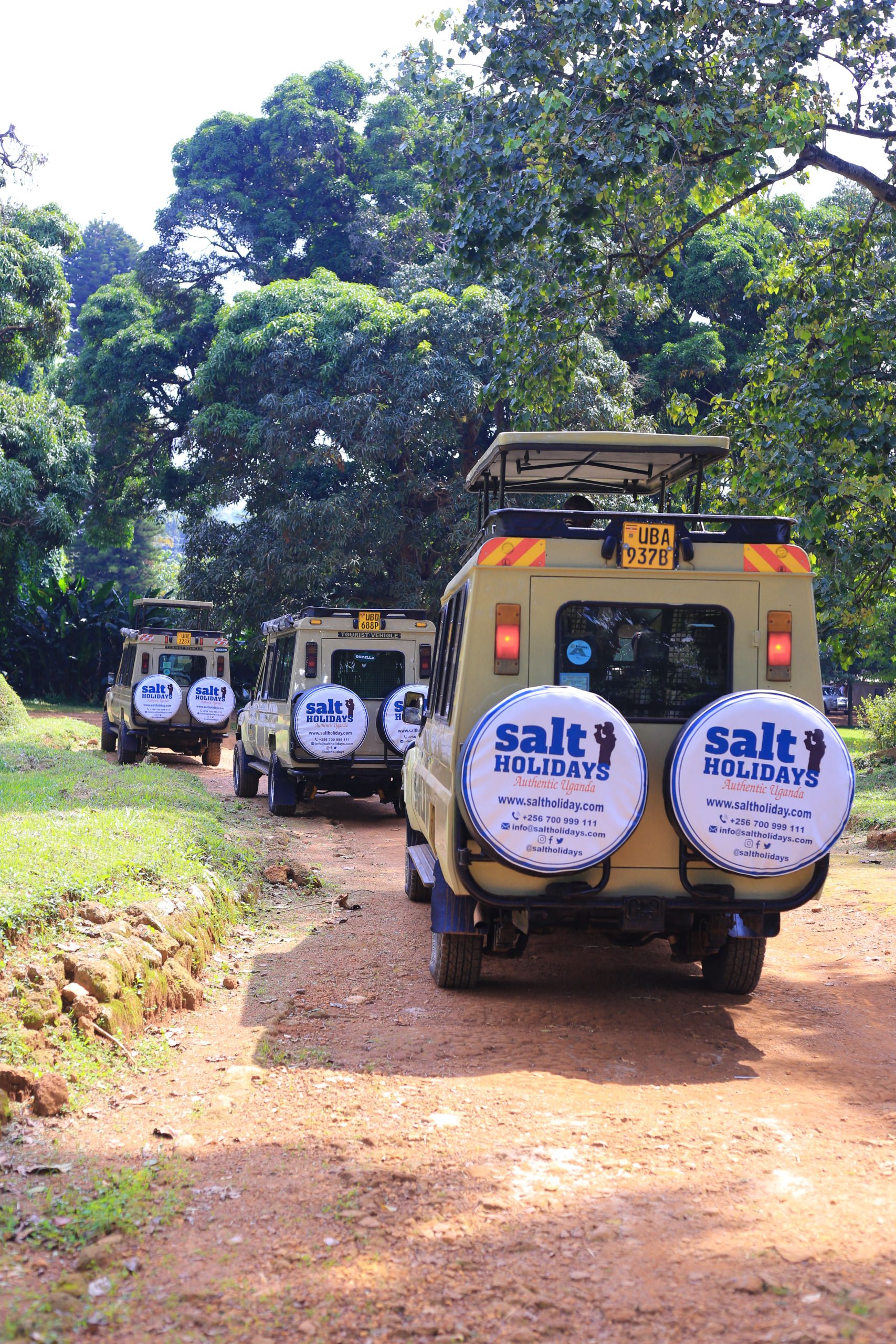
Boda bodas move quickly through street traffic, while matatus (taxis) provide affordable public transport options for commuters. Kampala experiences heavy traffic jams during peak periods. For comfort and safety reasons, it’s advisable to hire a private driver. This blog, the top 10 Ugandan travel tips, emphasizes the importance of logical planning for transport. The roads are well-connected, linking major towns effectively. Local drivers are familiar with the routes, making them preferable to unfamiliar travelers.
- Book Wildlife Permits
Bwindi Impenetrable National Park is home to mountain gorillas, while Murchison Falls National Park offers great opportunities for big game sightings. Permits for these attractions sell out quickly during high seasons, so it’s important to book several months in advance through trusted agencies or tour operators. For travel in Uganda, especially concerning wildlife experiences, it is crucial to pay attention to booking advice. Encounters with wildlife in these parks are unforgettable experiences that can last a lifetime. Rangers guide treks safely through the forests.
- Where to Stay?
Lodges near Queen Elizabeth National Park offer close-up views of the savannah. Bwindi accommodations seamlessly blend into the misty surroundings. For breathtaking views of the volcanoes, consider Mount Gahinga Lodge in Mgahinga. In Kampala, boutique hotels in Kololo or Muyenga provide access to vibrant nightlife. When traveling in Uganda, remember these top 10 tips: book early during peak seasons, and inquire about guided safaris, park fees, and village visits.
- Choosing where to stay is about immersion in the landscape. In Queen Elizabeth National Park, lodges like Mweya Safari Lodge or Elephant Plains Lodge are positioned right on the edge of the savannah, offering front-row seats to elephants and buffalos, Hipo wandering near the Kazinga Channel and Lake George views respectively. If you are heading to the mist-shrouded peaks of Bwindi, accommodations like, Gorilla Forest Lodge, Buhoma Lodge or Clouds Mountain Gorilla Lodge are built into the forest canopy itself. Staying here means waking up to the sounds of ancient primates and having the park headquarters just a short walk away, which is a lifesaver for those early 8:00 AM trekking briefings.
- For a more dramatic mountain backdrop, Mgahinga Gorilla National Park offers gems like Mount Gahinga Lodge, where you stay at the base of three majestic extinct volcanoes. In the north, Murchison Falls National Park boasts iconic stays like Paraa Safari Lodge, famous for its breath taking views and Nile-side pool, or Chobe Safari Lodge for ultimate luxury while Pakuba Safari Lodge offers a big bargain midrange comfort. These high-demand spots often fill up six to twelve months in advance for peak safari season. When booking, always check if your lodge rate includes “community fees,” as many of these properties directly fund local schools and clinics, allowing your stay to have a positive footprint on the surrounding villages.
- If your journey starts or ends in the city, look toward the leafy suburbs of Kampala or the quiet shores of Entebbe. Boutique hotels in Kololo or Muyenga place you in the heart of Uganda’s vibrant culinary and nightlife scene while remaining secure and peaceful. For those catching an early flight, 5 Boutique Hotel or The Boma Hotel in Entebbe offer a colonial-style charm just minutes from the airport. Regardless of your choice, always inquire about “all-inclusive” packages that cover park fees and guided game drives; this simplifies your financial management and ensures you aren’t surprised by extra costs once you arrive in the bush.
- If your adventure includes the adrenaline experience of a classic world standard grade 5 white water rafting on the Nile River or the Nile high bungee jumping in the adventure capital of Jinja or an intimate honeymoon experience, Lemala Wildwaters Lodge located on a unique private island offering a slice of paradise for both an intimate are adventurous experience.
- Food and Dining Etiquette
Uganda is renowned for its warm hospitality. You’ll hear welcoming greetings in Luganda that truly warm the heart. For example, you can ask, “Oli otya?” which means “How are you?” Another common greeting is “Wasuze otya nno?” meaning “Good morning” or “How did you sleep?” Additionally, you might hear “Gyebale ko, ssebo/nnyabo,” which translates to “Hello, sir/madam.”
- Packing Lists and Practical Hacks
When preparing for your trip to Uganda, it’s important to pack lightweight clothing, a rain jacket, and sturdy shoes for comfort. Don’t forget sun protection as well. Remember that Uganda uses Type G power outlets, so bring appropriate power adapters. Pack a re-usable water bottle, extra memory cards for your camera, and a compact first aid kit. A small daypack is useful for safaris. Additionally, packing sunglasses, a flashlight, and a travel towel will be beneficial during your travels.
Local Experiences to Spark Your Top 10 Ugandan Travel Tips
- Entebbe Botanical Gardens: Experience a tranquil sunrise walk through these historic lakeside gardens, where you can spot Colobus monkeys and diverse birdlife before the city closes up. It’s the perfect, low-intensity introduction to Uganda’s flora and fauna right after you touch down at the airport.
- Nile River Delta Boat Rides: Beyond the high-octane rafting in Jinja, a calm boat trip to the source of the Nile or through the lush delta reveals a hidden world of kingfishers and monitor lizards. These cruises offer a serene perspective on how the world’s longest river begins its long journey toward the Mediterranean.
- Rakai’s Authentic Coffee Farms: For the ultimate caffeine fix, visit the rolling hills of Rakai to see how Uganda’s world-class Robusta and Arabica beans are grown, harvested, and roasted by hand. You’ll not only taste the freshest cup of your life but also support the small-scale farmers who are the backbone of the local economy.
- Local Dance Evenings in Kampala: Immerse yourself in the rhythmic heartbeat of the city by joining a traditional dance performance or a modern Afro-beat night in suburbs like Makindye or Kabalagala. But the big trophy is Africa’s cultural hub at Ndere cultural centre these evenings are a masterclass in Ugandan joy, where the fusion of traditional drums and contemporary energy brings the “Pearl of Africa” to life.
- Misty Morning Gorilla Trekking: Nothing compares to the quiet awe of Bwindi’s ancient forest as the morning fog lifts to reveal a mountain gorilla family just meters away. It is a profound, life-altering encounter that rewards the physical challenge of the hike with a rare glimpse into the soul of the wild.
Safety and Respectful Travel
- Check Weather and Road Updates Daily: Uganda’s tropical climate can bring sudden downpours that turn marram roads into a muddy challenge, especially in the 2026 rainy seasons. By checking daily reports or asking your driver-guide about the state of the route to Bwindi or the remote Kidepo Valley National Park, you can adjust your departure times and avoid getting stuck in the bush.
- Avoid Walking Alone at Night: While towns like Entebbe and Kampala are generally safe and welcoming, navigating unfamiliar, dimly lit neighborhoods after dark can be unpredictable. Stick to well-known areas, travel in groups, and always use a trusted ride-hailing app or a hotel-recommended taxi to ensure you get back to your lodge safely.
- Respect Wildlife with Distance and Silence: Whether you are watching a lion in Queen Elizabeth Park or a chimpanzee community in Kibale Forest National Park or in Bugoma Forest, keeping a respectful 10-meter distance and a low voice is vital. This ensures the animals don’t feel threatened and remain in their natural state, providing you with a safer and much more authentic photography experience.
- Learn Basic Luganda Phrases: A simple “Osiibye otyanno” (Good afternoon) or “Weebale” (Thank you) goes a long way in breaking the ice with locals in Central Uganda. Making the effort to speak the local tongue shows a deep respect for the culture and often transforms a standard transaction into a warm, meaningful conversation.
- Follow Official Guide Instructions: Your UWA rangers and professional safari guides are the ultimate experts on animal behavior and park safety protocols. By strictly following their lead, whether it’s staying inside the vehicle or standing still during a forest trek, you ensure that the “wild” stays wonderful for both you and the environment.
Final Thought: Your 2026 Adventure Awaits
The journey through the Pearl of Africa is a mix of misty mountains, roaring falls, and the legendary hospitality of the Ugandan people. By combining your safari wanderlust with these practical guidelines, you ensure that every moment in Uganda, from Kampala to the quiet savanna, is both unforgettable and seamless.
Salt Holidays is here to help you turn these tips into a reality. Whether you are looking for a high adventure on the Nile or an encounter with the mountain gorillas, we offer custom-made packages that fit your specific 2026 travel dates, interests, and budget. Let’s start planning the safari of your dreams today.
Related Posts