
How Gorilla Trekking Benefits Conservation How Gorilla Trekking Benefits Conservation; With a population of just…
Uganda Travel & Safari Guide 2026
Uganda Travel & Safari Guide 2026
Uganda Travel & Safari Guide 2026; Uganda is the choice if you have ever dreamed of standing a few feet away from a massive male “silverback” gorilla in a misty forest. Known as the “Pearl of Africa,” Uganda is a place of untampered authenticity, from the safari red dirt roads and endless smiles to the wildest nature left on the planet. No matter if you’re a solo backpacker or planning a family trip, Uganda is safer and easier to navigate than ever, thanks to better roads and a big focus on eco-friendly travel by the DMCs.
When to visit Uganda?
Uganda safaris are possible all year around. Uganda sits right on the Equator, so it’s tropical but usually stays comfortable because of the hills.
- The Dry Seasons (June–August & December–February): These are the best months for a safari. The grass is short, so the animals cannot hide, and the trails in the gorilla forests are not safari game drives. Queen Elizabeth National Park offers the best animal sights, and the forests like Kibale, Bwindi, and Kalinzu are lightened up by the sun’s rays, making it easy to spot chimpanzees and gorillas. Semliki National Park’s hot springs dazzle with an array of butterflies and steamy views from the boiling geothermal features.
- The Wet Seasons (March–May & September–November): Expect heavy afternoon rain, or early morning showers, which can make game drives a bit hazy with a few animals’ However, it’s the “green season”; everything is lush, bird-watching is incredible, and you can often find cheaper lodge prices. This season is recommended for the budget travelers who would enjoy the discounted accommodation rates and free safari rides, especially birders.
Best destinations for Uganda safaris | Uganda Travel & Safari Guide 2026
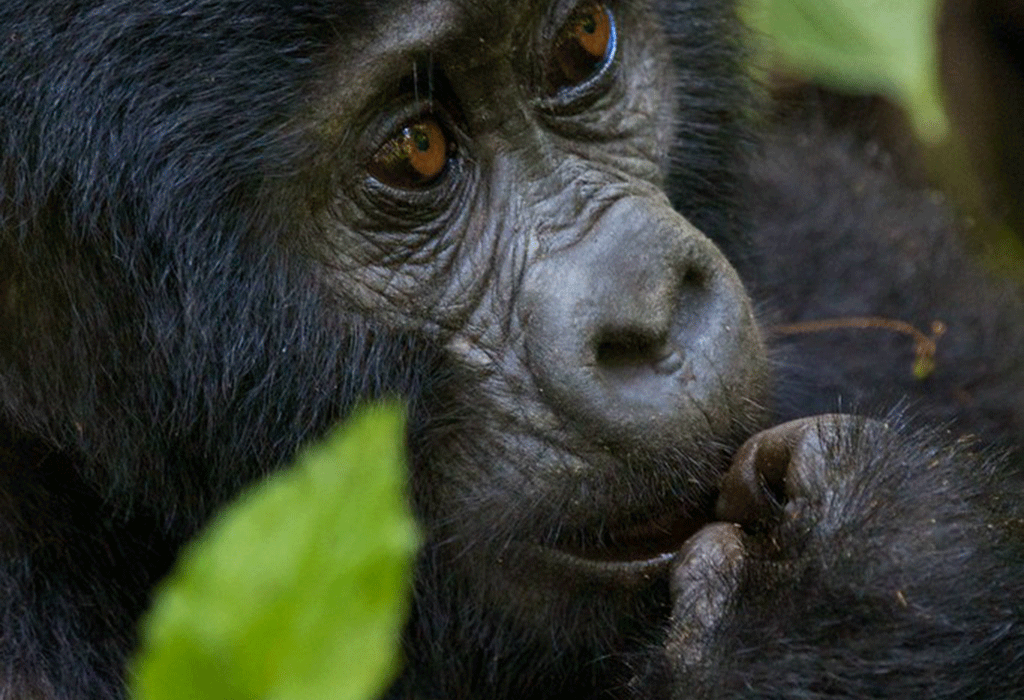
- Bwindi Impenetrable National Park: Bwindi National Park is a home to about half the world’s mountain gorillas. As always, you need to book your permit at least six months early because they sell out. There is so much beyond the gorilla trekking experience.Conservation in Bwindi Impenetrable National Park is evident through women’s initiatives, conservation centers, and projects by local communities and the DMC.
- Murchison Falls National Park: It is just to refer to Murchison Falls National Park as a wonder. The Nile River gets squeezed through a tiny gap in the rocks and crashes down, forming a misty atmosphere and rainbows, such scenery, during the sunny day. You can take a boat cruise to see the shoebill stork at the delta section and hippos and crocs; the evening sundowner boat cruise will make your romantic Uganda safari getaway unforgettable. Also, you can go on a drive to find lions, giraffes, elands, buffaloes and so many more animals in the savanna plains of Murchison Falls.
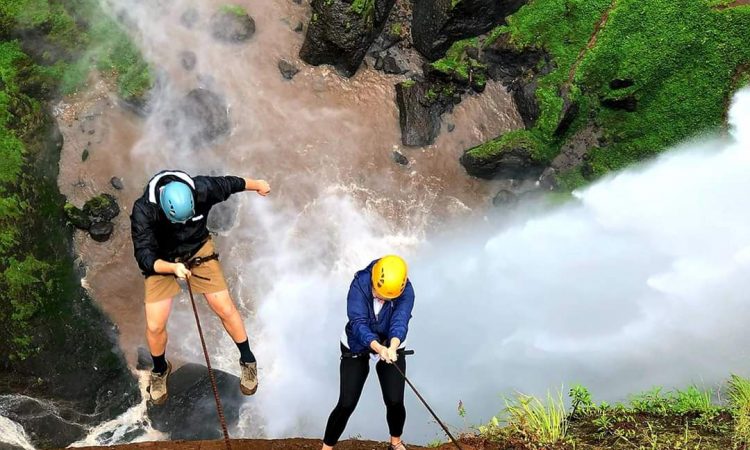
- Jinja: Very much known as the adventure capital. The Nile begins its long walk northwards from the source of the Nile in Jinja. White-water rafting is one of the most booked adrenaline activities. You can be as passive as you chill and watch the sunset over the water. Other activities include bungee jumping, water slides, quad biking, and yearly events like Nyege Nyege.

White Water Rafting - Kampala: The renowned capital city is hilly, loud, and full of energy, also known as the city of hospitality. The people are paramount, as everyone will be excited to offer assistance to the mzungu, a common name for tourists in Uganda. You can never miss out on street food like rolex, smoked corn, and local dishes at restaurants, as they provide the best cultural immersion for a typical Ugandan safari experience. Check out the local markets or enjoy the famous nightlife before or after the wildlife safari journey.
What do you need to know before planning a Uganda safari? | Uganda Travel & Safari Guide 2026
When you’re prepping for your 2026 Uganda safari trip, sorting out your entry paperwork is the first real step of the adventure.
- The Visa: Most people need a visa. The best move is the East African Tourist Visa, which lets you hop between Uganda, Kenya, and Rwanda for 90 days. Apply online before you fly. Most travelers will need a visa to enter Uganda, and the system is now almost entirely The East African Tourist Visa is a golden ticket that lets you hop between Uganda, Kenya, and Rwanda as many times as you want for 90 days. It’s perfect
if you’re planning to track gorillas in Bwindi and then jet over to the Masai Mara or Kigali without filing three separate sets of paperwork.
The Ugandan visa process has been streamlined to be much more user-friendly, but you still need to be a bit proactive. You should apply for your e-visa through the official immigration website well before you head to the airport. It is best to have your approval printed out and ready to show the officer. Along with your visa, make sure your passport is valid for at least six months from the day you land.
The Ugandan government has been working to make tourism as frictionless as possible. While most European travelers, including those from the UK, France, and Germany, currently require a visa, it is always wise to check the latest portal updates for any sudden bilateral “visa-free” agreements that often pop up during high-growth tourism years like 2026.
- The Yellow Card: You must have a Yellow Fever vaccination card to get into the country. The “Yellow Card” is as important as your life. It is your official proof that you have been vaccinated against yellow fever, and it is a mandatory requirement for anyone entering Uganda. If you show up at the airport without it, you run a real risk of paying for a vaccination right there at the airport before you are allowed through.
Once you have your card, keep it in a safe, dry place with your travel documents like your visa approval and return flight ticket. It’s also a smart move to chat with your doctor about malaria. Since malaria is present in the region, most travelers take a course of antimalaria pills to stay safe while exploring the parks.
- Money: The local currency is the Ugandan Shilling (UGX) for your day-to-day adventures, like buying a “Rolex” snack or tipping your lodge staff. However, the US dollar is still the heavyweight for the safari tours, hotel bills, and those all-important gorilla trekking permits, et cetera. It is a good idea to have a mix of both currencies on you so you are not stuck trying to pay for a souvenir with a hundred-dollar bill.
The most important thing to remember is that Uganda is very “picky” about the physical state of your cash. If you are bringing US dollars, the bills must be from the 2009 series or later and look like they just came off the press. To save yourself the headache, ask your bank back home for “crisp” bills and keep them flat in a waterproof pouch during your travels.
- Local Tech: Grab a local SIM card (MTN or Airtel) at the airport. Most locals use “mobile money” to pay for everything from taxis to In Uganda, almost everyone uses these mobile accounts to pay for everything from a quick taxi ride to a snack at a local market. It is much safer than carrying around huge cash, and it’s convenient when you’re out exploring the vibrant streets of Kampala or visiting smaller villages.
Once you venture into the bush, you may be concerned about being isolated from the outside world. However, most modern safari lodges and hotels provide surprisingly strong Wi-Fi, allowing you to upload your gorilla photos to Instagram or check in with family back home. Most lodges provide free Wi-Fi in their main lounges or dining areas, so you can sit back with a drink at the end of a long day and share your adventure in real time.
What to Pack (And What to Leave)? | Uganda Travel & Safari Guide 2026
The secret to safari packing is “less is more” and “layers.”
- Colors: Wear neutral colors such as khaki, beige, and olive, and avoid bright colors; definitely stay away from blue or black, as these colors actually attract tsetse flies.
- Clothing: Bring lightweight long-sleeved shirts and trousers to protect yourself from bugs and itchy plants.
- Shoes: You need sturdy hiking boots for trekking and some sandals for the
- The Bag: Use a soft-sided bag. Hard suitcases are a nightmare to fit into safari vehicles or small bush planes.
- Human Tips Ugandans are incredibly welcoming, so always start a conversation with a friendly “Hello” or “How are you?” If you want to take a photo of someone, just ask. By the time you leave the “Pearl of Africa,” after your Uganda safari, you will likely be planning your next trip back.
Trust us at Salt Holidays to make your safari planning seamless. Talk to the safari planner now to curate your experience.
Related Posts