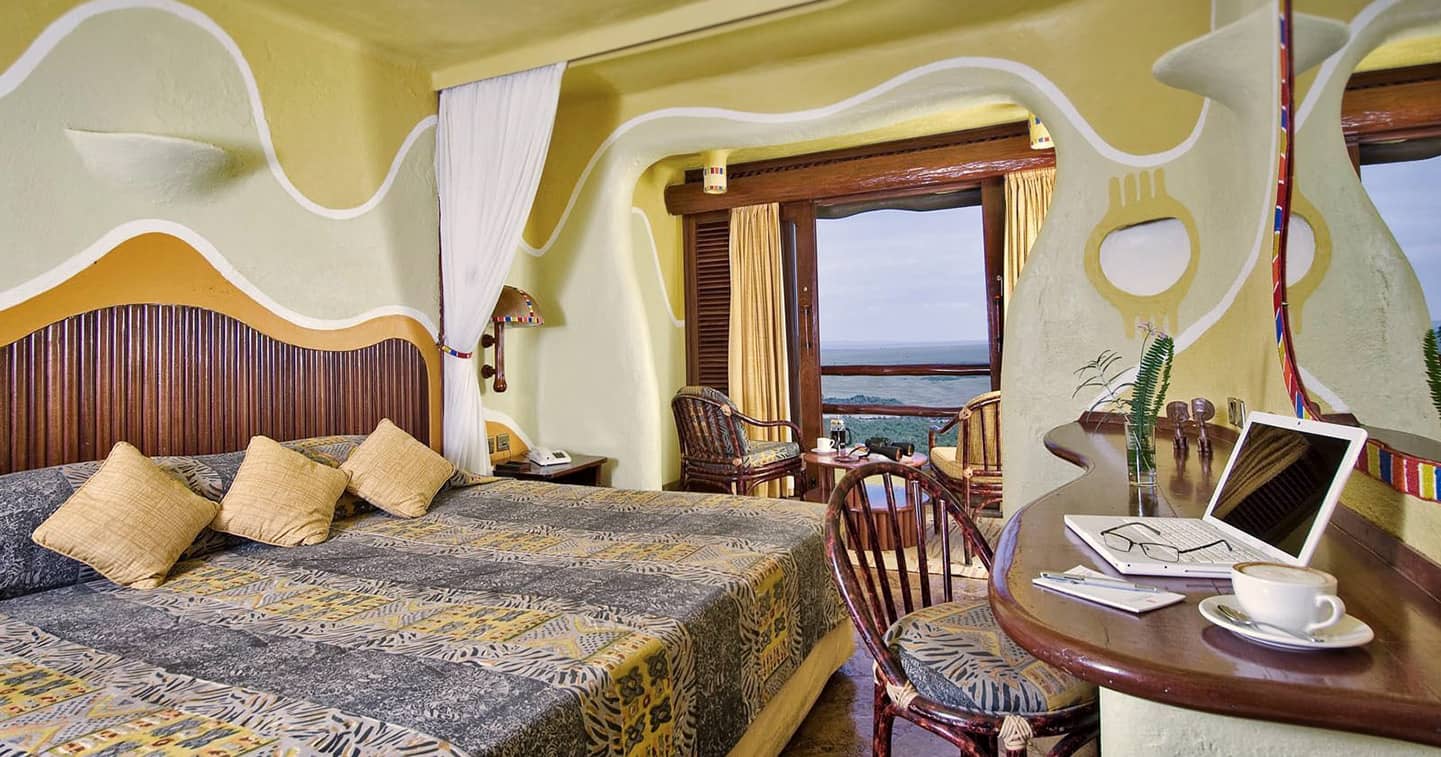
Mara Serena Safari Lodge | Maasai Mara, Kenya Mara Serena Safari Lodge holds a unique…
Best Places to Go on Safari in 2026
Best Places to Go on Safari in 2026
Best Places to Go on Safari in 2026; Picking where to go on safari is a bigger decision than most first-time travellers expect. Africa is not one destination but a continent of very different ecosystems, and the park that delivers a friend’s dream trip might leave you disappointed if your priorities are different.
Someone chasing the drama of the wildebeest migration wants a different itinerary than a family wanting easy Big Five sightings, and a honeymoon couple looking for privacy needs a different camp than a group of keen photographers.
This guide walks through the destinations worth your 2026 travel budget, what each one does well, and who each one actually suits, so you can narrow the field with confidence rather than guesswork.
Should You Go on Safari in 2026?
If you have been putting off booking, 2026 is a genuinely good year to stop waiting. Several of the destinations covered here are reporting strong rainfall and healthy flood levels heading into the year, which translates directly into better game viewing: rivers that stay full for longer, grasslands that keep animals concentrated near water, and predator populations that are being reported as stable to growing across key reserves.
Conservation funding in Kenya, Tanzania, Botswana and Rwanda has also held up well, and community-run conservancies bordering the major parks continue to expand, which spreads out visitor numbers and gives you more places to see wildlife away from the crowds.
There is also a practical argument for going sooner rather than later. Flight capacity into Nairobi, Kilimanjaro, Kigali and Johannesburg has recovered well, but lodge inventory in the most sought-after camps has not kept pace with demand, particularly during July to October and over the December holidays.
Camps in the Masai Mara, Serengeti and Okavango Delta with fewer than fifteen rooms sell out those windows a year or more in advance. Booking now, even for travel eighteen months out, is less about urgency marketing and more about arithmetic: there are only so many beds in the properties everyone wants.
Why Africa Rewards the Effort of Planning
A safari is unlike most holidays in that the destination itself does the entertaining. You are not filling days with activities you have to plan; you are handing yourself over to a landscape that has been doing this for longer than any of us have been alive, and letting a guide who has spent a career reading it show you what it does. That said, this is also why planning matters more here than it does for a beach holiday. Choose the wrong month and you might drive for hours without seeing a cat. Choose the wrong park for your travel style and you might spend more time in a vehicle than you would like. The point of this guide is to remove that risk, not to talk you into a destination, but to help you eliminate the ones that are not right for you.
Where to Go: The Standout Regions for 2026
Kenya and Tanzania: The Great Migration
If you want the safari of postcards and documentaries, the Masai Mara in Kenya and the Serengeti in Tanzania are still the benchmark. Together they host the Great Migration, the movement of around two million wildebeest, zebra and gazelle that circles between the two countries each year following the rains.
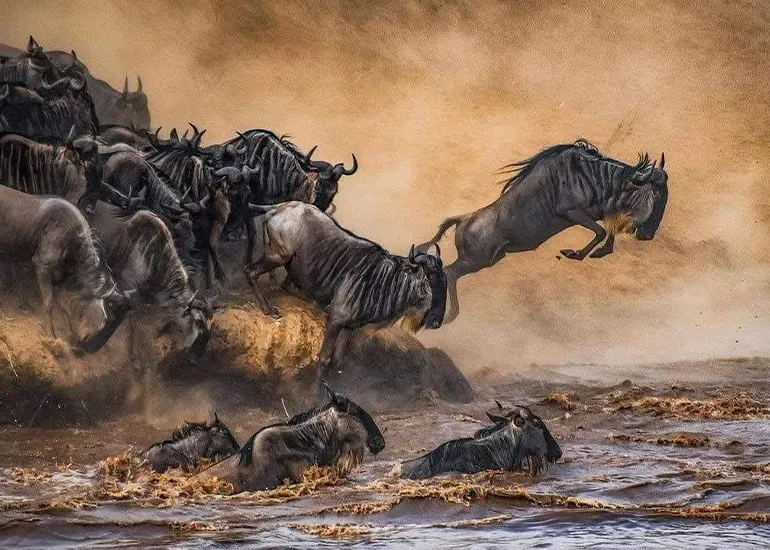
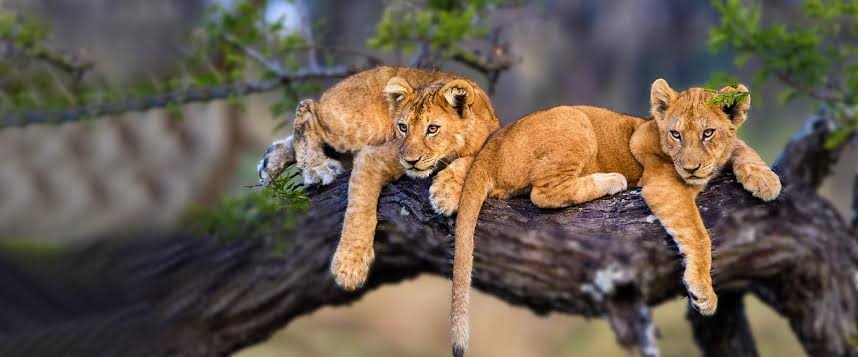
What makes this region so reliable is the sheer density of predators that has built up around that food source: the Mara and Serengeti have some of the best lion and cheetah sightings on the continent, in landscapes open enough that you can watch a hunt unfold from start to finish rather than glimpsing it through bush. Tanzania’s Ngorongoro Crater adds an easy, self-contained Big Five day trip to any Serengeti itinerary, and is one of the few places left where black rhino sightings are realistic.
The trade-off is popularity. Both parks get busy in peak months, and the classic river-crossing scenes you have seen online usually come with a dozen other vehicles nearby. If crowds bother you, look at the northern Serengeti’s Kogatende area or a Mara conservancy like Naboisho or Mara North, which limit vehicle numbers by contract and still sit close enough to the action.
Uganda and Rwanda: Gorilla Trekking
For travellers who want something beyond the classic game drive, Uganda and Rwanda offer mountain gorilla trekking, an experience that has grown rapidly in popularity because nothing else in Africa compares to it. You hike through montane forest, sometimes for as little as thirty minutes and sometimes for several hours, until you are sitting a few metres from a gorilla family going about its day.
Rwanda’s Volcanoes National Park is the more polished, more accessible option, with paved roads to the trailheads and lodges that rival anything in East Africa. Uganda spreads gorilla trekking across Bwindi Impenetrable Forest and pairs it with genuine Big Five game viewing in Queen Elizabeth National Park and Murchison Falls National Parks, which Rwanda cannot match at the same level.
Both countries require a trekking permit booked well in advance, and neither is a budget add-on. But for travellers who want their trip to include something no wildlife documentary can fully prepare them for, this region earns its growing reputation.
Botswana: The Okavango Delta
Botswana operates on a low-volume, high-value tourism model, and it shows in the experience. The Okavango Delta, a vast inland river system that floods the Kalahari sands each year, offers a completely different rhythm of safari: mokoro canoe rides through papyrus channels, boat cruises at sunset, and game drives that regularly go hours without meeting another vehicle.
Camps here tend to be small, exclusive-use, and priced accordingly, which is exactly the point for travellers who want privacy and are willing to pay for it. Neighbouring reserves like Moremi and the private concessions around Chief’s Island add strong Big Five and predator viewing to the water-based activities.
Botswana is not the destination for a first safari on a tight budget. It is the destination for a second or third safari, or for travellers whose priority is exclusivity over economy.
South Africa:
Kruger National Park and the private reserves along its western boundary, including Sabi Sands and Timbavati, remain the most accessible serious safari destination on the continent.
Good roads, self-drive options inside Kruger itself, malaria-free reserves further south like Madikwe, and direct flights into a well-run international airport make South Africa the logical choice for first-time safari-goers, families with young children, or anyone combining wildlife with wine country and Cape Town.
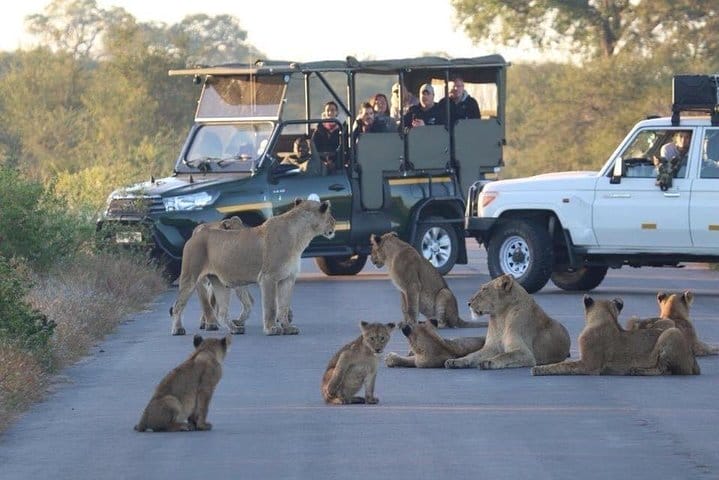
Sabi Sands in particular has built its reputation on leopard sightings that are genuinely more reliable than almost anywhere else in Africa, because its open border with Kruger and decades of habituation mean the cats are relaxed around vehicles.
Zambia:
South Luangwa National Park in Zambia is where the modern walking safari was invented, and it remains the best place to do one. If the idea of tracking animals on foot with an armed, highly trained guide appeals to you more than viewing them from a vehicle, this is where that experience is done properly. Zambia’s camps also tend to be smaller and more personal than the big commercial operations elsewhere, run by owner-operators who often guide the drives themselves. It suits repeat safari travellers and anyone who finds the idea of a purely vehicle-based safari a little too passive.
When to Go:
Timing is where most first-time planning mistakes happen, because the ‘best’ month depends entirely on what you want to see.
| Destination | Best Months | What You’re Booking For |
| Masai Mara, Kenya | July–October | Mara River crossings, peak predator action |
| Serengeti, Tanzania | June–October (crossings); Jan–Feb (calving) | Migration drama or newborn wildebeest and dense predator activity |
| Okavango Delta, Botswana | June–October | Full flood levels, best water-based safaris |
| Kruger & Sabi Sands, South Africa | May–September (dry) | Thinner bush, easier sightings, cooler days |
| South Luangwa, Zambia | July–October | Dry season required for walking safaris |
| Rwanda & Uganda gorillas | Jun–Sep, Dec–Feb (dry) | Easier, less muddy trekking conditions |
Notice that most of these overlap between June and October, which is the continent-wide dry season and, unsurprisingly, also peak season for cost and crowding. If avoiding both matters more to you than seeing a river crossing, the shoulder months either side, particularly November and March, offer a reasonable compromise: green landscapes, dramatic skies, newborn animals in some regions, and noticeably lower rates.
What a 2026 Safari Actually Costs
Safari pricing is usually quoted per person, per night, and sharing a room, which surprises people used to hotel-style per-room rates. As a rough guide for 2026, budget camping and shared group tours run from around $150 to $300 per person per night. Mid-range lodges with a private vehicle and good wildlife access sit between $300 and $600.
Luxury tented camps with genuinely personalised service move into the $600 to $1,500 range, and the ultra-exclusive, private-use properties in places like the Okavango Delta or Rwanda’s Volcanoes National Park start above $1,500 and climb from there. Gorilla permits are a separate line item on top of accommodation, currently priced at $1,500 per person in Rwanda and lower in Uganda, and neither is discountable.
None of these figures include international flights, which for a two-week trip from the US or Europe typically add another $1,200 to $2,500 depending on origin and season. The honest advice here is to decide your total budget first and tell your safari planner that number early, rather than pricing accommodation and flights separately and hoping they add up. A good operator can build a very good trip at almost any budget level once they know what they are working with.
Choosing the Right Style of Accommodation
Safari accommodation is not one category. Mobile tented camps move with the migration and suit travellers who want to follow the wildlife rather than stay fixed in one spot; they are usually simpler but deliver some of the best game viewing because they are positioned exactly where the action is. Permanent lodges offer more comfort, better infrastructure and are a safer bet for travellers who want reliable hot water and a pool at the end of a hot day.
Owner-run boutique camps, common in Zambia and parts of Botswana, tend to deliver the most personal experience because the person briefing you at dinner is often the same person who will be driving your vehicle the next morning.
Families should look specifically for camps that accept children under twelve, since many exclusive properties set a minimum age for safety reasons, and ask about family units or interconnecting tents rather than assuming standard rooms will work.
What You’ll Actually Do Each Day
A typical safari day starts with an early game drive, timed around dawn when predators are most active and temperatures are cool enough for animals to be moving rather than resting in shade. Midday is usually downtime at the lodge, useful for travellers who want a slower pace, followed by a second drive in the late afternoon into evening.
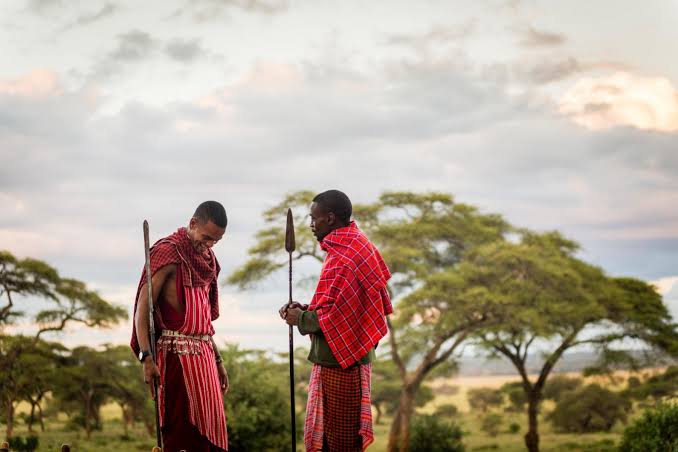
Beyond game drives, most regions offer a version of the experiences that turn a good trip into an unforgettable one: hot air balloon safaris over the Mara or Serengeti at sunrise, mokoro or boat safaris through the Okavango’s channels, walking safaris in Zambia and parts of South Africa, night drives where spotlighting reveals nocturnal species you would otherwise never see, and cultural visits to Maasai or local communities that add context to the landscape you have been driving through.
Planning Advice Worth Following
Start by choosing your priority experience, not your priority country. If seeing a river crossing matters more to you than anything else, book around that event first and let the country follow. If gorilla trekking is the anchor of the trip, build the itinerary around permit availability, since that is the one component that cannot be adjusted last minute.
Combining two regions in a single trip, such as Kenya and Rwanda or Tanzania and Zanzibar, works well because internal flights between safari hubs are frequent and relatively short, but resist the temptation to add a fourth or fifth park; two to three properties over ten to fourteen days is usually the sweet spot before travel fatigue sets in and game viewing starts to feel rushed.
Book migration-season Mara and Serengeti camps, and any Botswana trip, twelve to eighteen months ahead. Gorilla permits should be secured at least a year out for July to September travel. If your dates are flexible, shoulder-season trips can often be arranged within three to six months and come with meaningfully lower rates.
Our Recommendations by Traveller Type
First-time safari-goers are best served by Kenya or South Africa, both of which combine reliable Big Five viewing with straightforward logistics and a wide range of price points. Photographers should prioritise the Masai Mara conservancies or northern Serengeti, where vehicle limits protect sightings and golden-hour light over open plains is hard to beat.
Honeymooners and couples wanting privacy will get the most from Botswana or a Rwanda gorilla-and-lodge combination, both of which lean toward small, exclusive-use camps. Families tend to do best in South Africa’s malaria-free reserves like Madikwe or Kenya’s family-friendly conservancies, where children’s programmes and flexible drive times are more common.
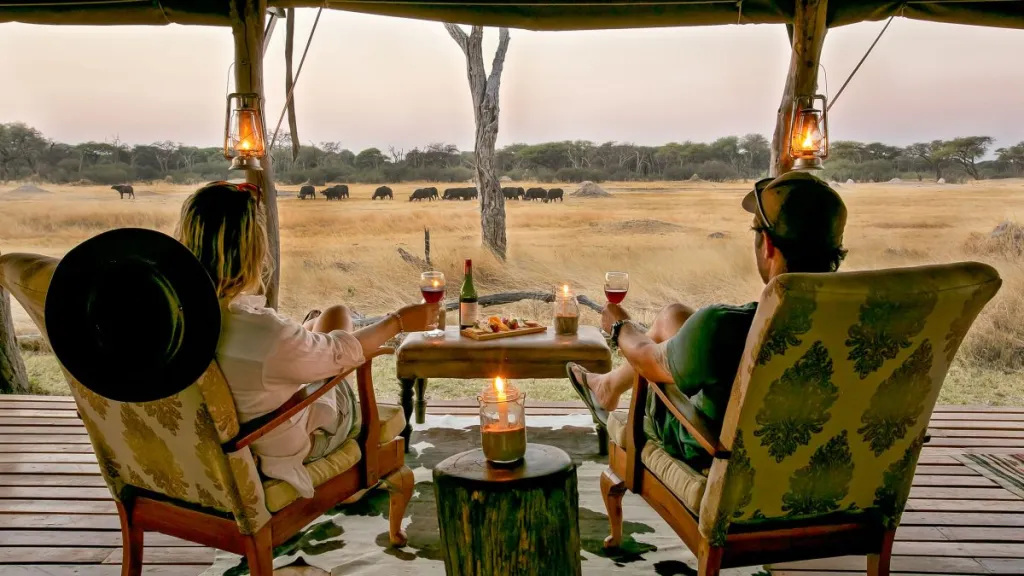
Repeat safari travellers looking for something different should look at Zambia’s walking safaris or Tanzania’s southern circuit around Ruaha, both of which trade polish for genuine remoteness.
Frequently Asked Questions
Is 2026 a good year to book a safari?
Yes. Rainfall and conservation indicators across the major destinations point to strong wildlife conditions, and booking now protects you from the limited inventory in the smaller, most in-demand camps during peak months.
How far in advance should I book?
For July to October travel to the Masai Mara, Serengeti or Botswana, aim for twelve to eighteen months ahead. Gorilla permits need a similar lead time. Shoulder-season trips can often be planned within three to six months.
Which destination is best for a first safari?
Kenya and South Africa are the most forgiving starting points, offering strong Big Five viewing, established infrastructure and a wide range of budgets without requiring the extra logistics that Botswana or gorilla trekking involve.
Can I combine more than one country in a single trip?
Yes, and it is common. Kenya paired with Rwanda, or Tanzania paired with Zanzibar for a beach finish, both work well thanks to frequent regional flights, but keep the total number of camps to two or three so the trip does not feel rushed.
Related Posts