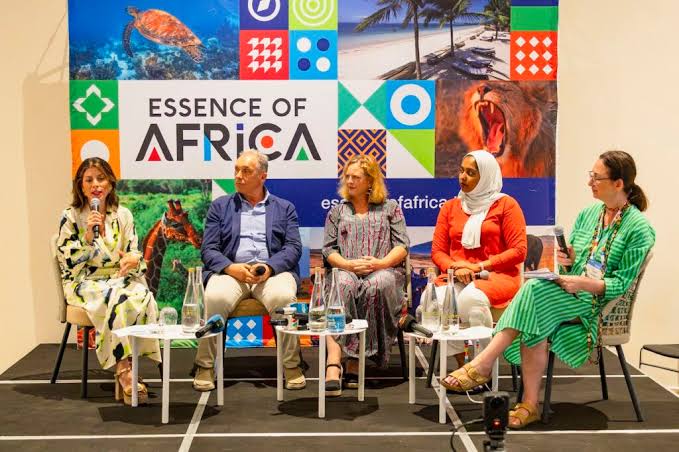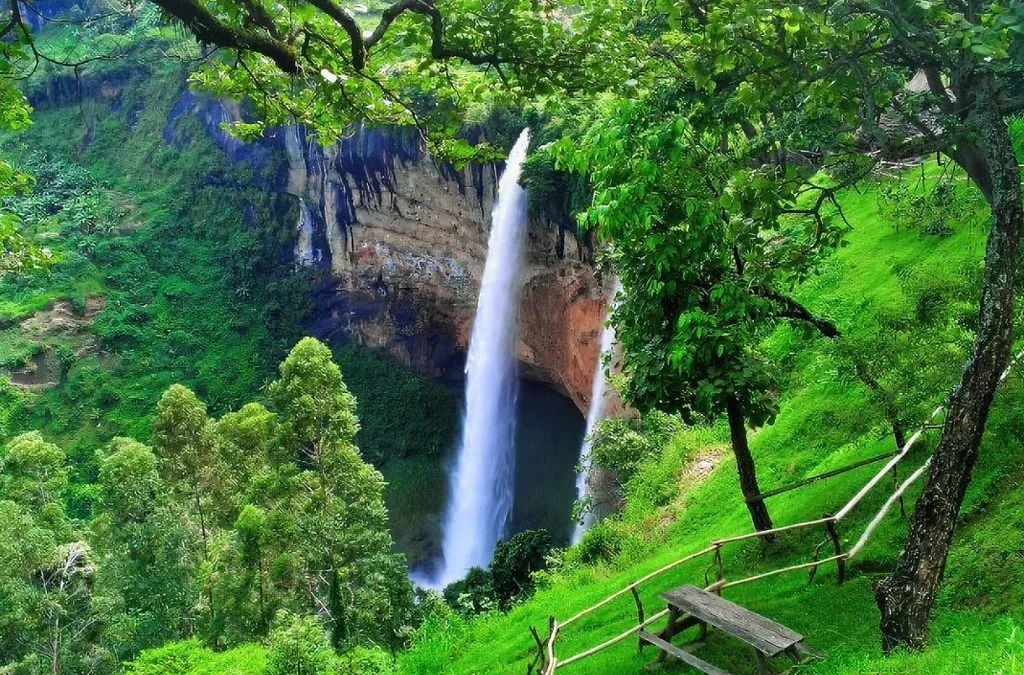
Essence of Africa 2026 in Zanzibar Essence of Africa is a trade forum, which means…
10 Reasons Why Kenya Should Be Your Top Travel Wish List Destination
10 Reasons Why Kenya Should Be Your Top Travel Wish List Destination
These are the 10 Reasons Why Kenya Should Be Your Top Travel Wish List Destination. Kenya is one of the most geographically and culturally diverse countries on the African continent. It is located across the equator and contains everything from the snow-capped summit of Mount Kenya to the white coral sand beaches of the Indian Ocean coast, from the vast open savannah of the Maasai Mara to the camel country of Samburu in the north, from the ancient Swahili port of Lamu to the fast-moving modernity of Nairobi.
Each of these ten reasons is chosen because it represents something Kenya does better than almost anywhere else in the world.
- The Greatest Wildlife Show on Earth Happens Here Every Year
You can watch wildlife in many parts of Africa. But there is only one place where over 1.5 million wildebeest, accompanied by hundreds of thousands of zebras and Thomson’s gazelles, cross a crocodile-filled river while lions, cheetahs, and leopards wait on the banks. That place is the Maasai Mara, and the event is the Great Wildebeest Migration, which happens every year between July and October when the herds push north from Tanzania’s Serengeti into Kenya.
The river crossings are the part that stays with people longest. The herds gather on the southern bank of the Mara River in enormous numbers, milling and hesitating for sometimes hours, reading the water, sensing the crocodiles until something in the collective animal mind tips toward movement and suddenly thousands of animals are throwing themselves off the bank simultaneously in a roar of hooves and spray. Crocodiles explode from the water. Lions sprint from the long grass. And the herd, despite the chaos, keeps moving forward because that is what the migration does. It moves forward.
| Migration Calendar | What Is Happening | Best Location |
| January to March | Calving season in Serengeti | Southern Serengeti Tanzania |
| April to June | Herds moving north through western corridor | Central Serengeti |
| July to August | First Mara River crossings begin | Maasai Mara Kenya |
| August to September | Peak crossings at Mara River | Maasai Mara Kenya |
| October | Herds return south, crossings continue | Maasai Mara and northern Serengeti |
| November to December | Return to southern Serengeti | Southern Tanzania |
- The Big Five Are Genuinely Accessible Year-Round
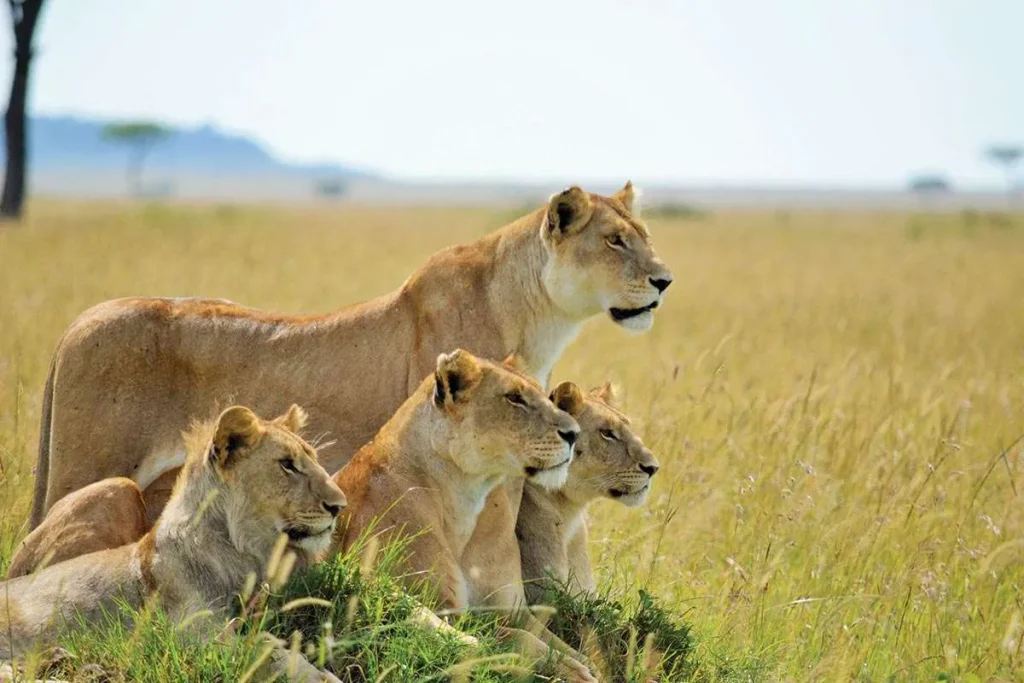
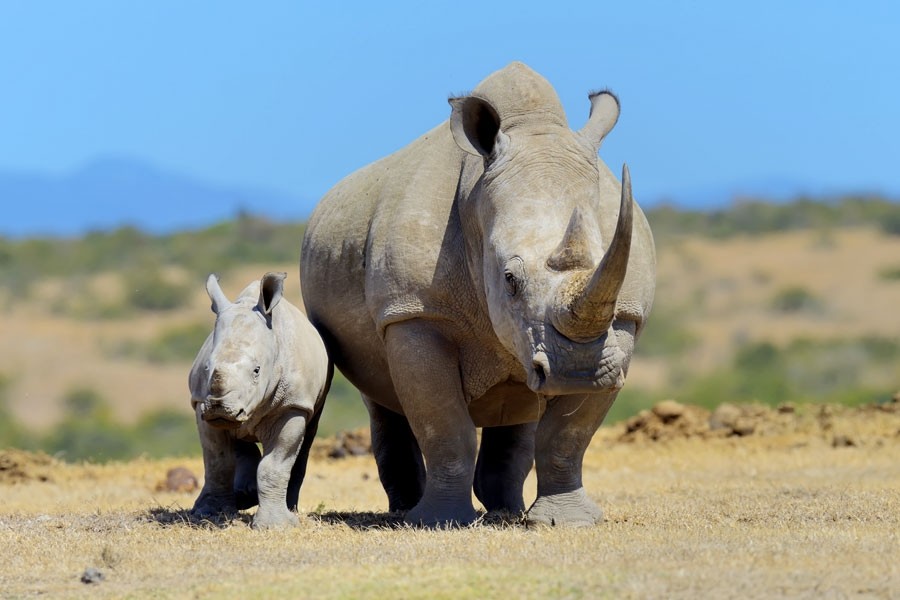
The Big Five, which are the lion, leopard, elephant, buffalo, and black rhino, are the original bucket list of African wildlife, and Kenya is one of the few countries where all five can be found across multiple parks in genuinely accessible terrain. The Maasai Mara has exceptionally high lion and leopard densities. Amboseli National Park is famous for some of the largest tusked elephants on the continent. Ol Pejeta Conservancy in Laikipia holds the largest population of black rhino in East Africa and is also home to the last two northern white rhinos in the world.
What separates Kenya from some other Big Five destinations is the combination of terrain and guiding infrastructure. The open grasslands of the Mara mean that wildlife is visible at distances that allow a full vehicle of people to appreciate the sighting rather than straining to spot an animal in dense bush. Guides in Kenya’s major safari areas are among the most experienced and knowledgeable in Africa, having built expertise over decades in ecosystems they know intimately. A good Kenyan guide turns a game drive into an education that you keep drawing on for years after the trip.
- The Landscape Is Almost Impossibly Varied
Most people arrive in Kenya expecting savannah and leave having seen a country that barely resembles the single image they had in mind. Kenya compresses an extraordinary range of ecosystems into a relatively compact geography, and moving between them over the course of a ten to fourteen day trip creates a travel experience that feels like visiting multiple countries rather than one.
The Maasai Mara gives you the golden grassland and acacia horizon that Africa is famous for. Amboseli delivers open plains against the backdrop of Mount Kilimanjaro, which rises from Tanzania’s flat border in the south on a clear morning and takes your breath away in a completely different way from any wildlife encounter. Lake Nakuru in the Great Rift Valley is a soda lake that turns a particular shade of coral pink when flamingos gather on its shores in numbers that can reach into the hundreds of thousands. The Rift Valley escarpment above Lake Naivasha is one of the great geological landscapes of the world, an ancient crack in the earth’s crust that runs from Ethiopia south through Kenya and Tanzania and reveals itself dramatically from viewpoints on the B3 road.
- The Maasai Culture Is One of the Most Compelling in Africa
The Maasai people have coexisted with the wildlife of the Mara ecosystem for centuries, and their presence in and around the national reserve gives Kenya’s best-known park a human dimension that pure wilderness simply does not have. The relationship between the Maasai and the savannah landscape they inhabit is one of the most studied examples of traditional pastoral land management in the world, and what it has produced is a community whose daily life remains deeply intertwined with the wildlife around them in ways that most modern societies severed long ago.
Visiting a Maasai boma, the traditional circular homestead of thorn scrub and mud-plastered houses, is an experience that rewards genuine curiosity rather than passive observation. The ochre and red clothing, the elaborate beadwork that carries specific social and ceremonial meaning, the jumping dances where young warriors compete to leap the highest as a demonstration of strength and discipline, and the storytelling traditions that pass ecological knowledge down through generations, all of these are available to visitors who engage thoughtfully rather than simply photographing from a distance.
Many conservancies in the greater Maasai Mara ecosystem are owned or co-managed with Maasai communities, meaning that money spent on safari directly supports the landowners whose decision to keep their land open for wildlife rather than converting it to agriculture is the primary reason the ecosystem remains intact. This conservation-through-community model is one of the most effective tools in African wildlife protection, and Kenya has developed it more fully than almost any other country.
- The Indian Ocean Coast Is One of Africa’s Most Beautiful Shores
Kenya’s coastline along the Indian Ocean stretches for approximately five hundred kilometers and contains some of the finest beaches in the whole of East Africa. The coral reef that runs parallel to the shore creates sheltered lagoons where the water is warm, calm, and extraordinarily clear, the kind of pale turquoise that looks artificially enhanced in photographs but is in fact exactly what it appears to be.
Diani Beach on the south coast is the most developed and most photographed of Kenya’s beaches, seventeen kilometers of white coral sand backed by coastal forest where colobus monkeys move through the trees and occasionally appear in resort gardens. The infrastructure at Diani, ranging from boutique hotels to large all-inclusive resorts, is the most developed on the Kenyan coast and the beach itself is genuinely exceptional: wide, clean, protected by the reef, and lined with enough restaurants, water sports operations, and beach bars to keep even a week’s stay feeling varied.
Watamu on the north coast is a quieter alternative, sitting within the Watamu Marine National Park with excellent coral snorkeling and diving and a character that is more village than resort. Green sea turtles nest on the beaches and whale sharks visit seasonally. Hemingways Watamu, the benchmark property on this stretch of coast, sits on a section of beach that is as beautiful as anything you will find on the continent.
- Nairobi Is a City That Genuinely Rewards a Day or Two
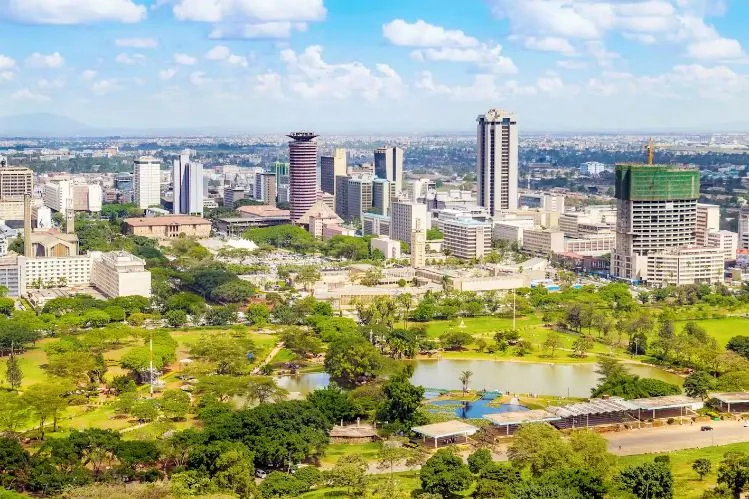
Nairobi’s reputation among travelers is complicated and not entirely fair. It is a large, fast-moving African city with the traffic, noise, and infrastructure challenges that come with rapid urban growth. It is also one of the most intellectually and culturally interesting capitals in sub-Saharan Africa, with a food scene that has developed dramatically in recent years, a National Museum that contextualizes Kenya’s human and natural history better than almost anywhere, a design and craft market culture that produces some of the finest contemporary African objects available anywhere, and several wildlife experiences that are extraordinary in themselves.
The Giraffe Centre in the Karen suburb has become one of the most visited attractions in Nairobi for very good reason. Feeding Rothschild’s giraffes at eye level from a raised wooden platform, with their enormous dark eyes and barnyard breath at very close range, is an experience that children and adults find equally memorable. The David Sheldrick Wildlife Trust’s elephant orphanage at the edge of Nairobi National Park runs a daily public visiting session where baby elephants arrive in a chaos of enthusiasm and red mud that is as funny as it is moving. And Nairobi National Park itself, where lions, rhinos, and buffalo graze against a backdrop of the Nairobi skyline, is one of the most photographically bizarre and genuinely extraordinary wildlife settings in the world.
- Kenya Is a World-Class Birding Destination With Over 1,100 Species
Kenya has recorded over 1,100 bird species, which places it among the top birding countries in the world by species count. This number is made more remarkable by the country’s relatively compact geography and the accessibility of its birding sites, many of which overlap directly with the wildlife parks that non-birding travelers visit for the mammals.
Lake Nakuru National Park, famous among non-birders for its rhinos and the flamingos that turn its shores pink, is a birdwatcher’s destination in its own right with over 400 recorded species. Lake Naivasha, just over an hour from Nairobi by road, supports one of the highest concentrations of African fish eagles anywhere on the continent and is a genuinely productive half-day birding stop even for casual observers. In Samburu, the dry country specialist species including the vulturine guineafowl, the golden-breasted starling, the Somali ostrich, the Somali bee-eater, and Donaldson-Smith’s sparrow-weaver, are found nowhere else in Kenya and represent a suite of birds that attract dedicated birders from across the world.
- The Adventure Activities Go Far Beyond the Safari Vehicle
Kenya offers a range of adventure activities that many travelers do not associate with it at all, focused as they are on the safari experience. The country is actually one of the best adventure travel destinations in East Africa across a wider spectrum than game drives, and building some of these activities into an itinerary transforms a good trip into an extraordinary one.
Hot Air Balloon Safaris
A hot air balloon safari over the Maasai Mara at sunrise is among the most memorable experiences available in Kenya. The balloon lifts off in darkness and rises into the morning light as the savannah below shifts from grey to gold, the animals visible as moving dots in the growing brightness, the rivers catching the sun, and the horizon stretching impossibly wide. One hour in the sky followed by a champagne breakfast in the bush, wherever the balloon happens to land, which includes the traditional toasting of the balloon crew, is one of those mornings that remains clear in memory years later.
Hiking Mount Kenya
Mount Kenya, at 5,199 meters, is the second-highest peak in Africa and offers multiple trekking routes for different fitness levels. The most popular route is the Sirimon to Naro Moru circuit, which takes approximately five to seven days and passes through moorland, giant lobelia, and Afro-alpine terrain before reaching the glaciers near the summit. Even partial ascents to Point Lenana, the highest point accessible to non-technical climbers at 4,985 meters, reward the effort with views across the equatorial landscape that stretch to the horizon in every direction on a clear day.
Cycling Through Hell’s Gate
Hell’s Gate National Park near Lake Naivasha is one of only two parks in Kenya where walking and cycling among wildlife is permitted. Renting a bicycle from the park gate and cycling through the gorge with giraffe, zebra, and warthog wandering around you is a genuinely unusual experience that completely changes the scale of the encounter. The same animals that you observe from inside a vehicle are experienced very differently when you are moving among them at eye level with nothing between you.
- Kenya’s Conservation Model Is Setting the Standard for Africa
Kenya is not just a place where wildlife happens to exist. It is a country that has built one of the most sophisticated wildlife conservation systems in Africa over the past several decades, and the model it has developed, which ties the economic survival of local communities directly to the presence of wildlife, is being studied and replicated across the continent.
The private conservancy network surrounding the Maasai Mara is the most tangible example. In the conservancies, Maasai landowners lease their land to tourism operators rather than converting it to agriculture, receiving a per-acre annual fee that makes keeping the land open for wildlife more economically attractive than farming it. The result is a protected buffer zone around the national reserve that has expanded the effective wildlife habitat of the greater Mara ecosystem significantly and gives travelers in the conservancies access to game drives with far fewer vehicles than inside the main reserve.
Ol Pejeta Conservancy in Laikipia operates a similar model with a conservation focus on black rhino and the last two northern white rhinos in existence, Najin and Fatu, who live there under round-the-clock armed guard. A visit to Ol Pejeta includes the chance to see these last two animals of a subspecies that will not survive beyond them, a sobering and deeply moving encounter that puts the stakes of conservation into very personal terms.
Sheldrick Wildlife Trust, operating from Nairobi, has been rehabilitating orphaned elephants since 1977, raising them by hand and returning them to wild populations when they are mature enough to survive independently. Their adoption program allows travelers and donors worldwide to support specific elephants, and the visiting sessions at their Nairobi nursery connect visitors directly to the animals they have already been following online.
| Conservation Destination | What It Protects | What Visitors Can See |
| Ol Pejeta Conservancy | Black rhino, northern white rhino, chimpanzees | Rhino tracking on foot, chimp sanctuary |
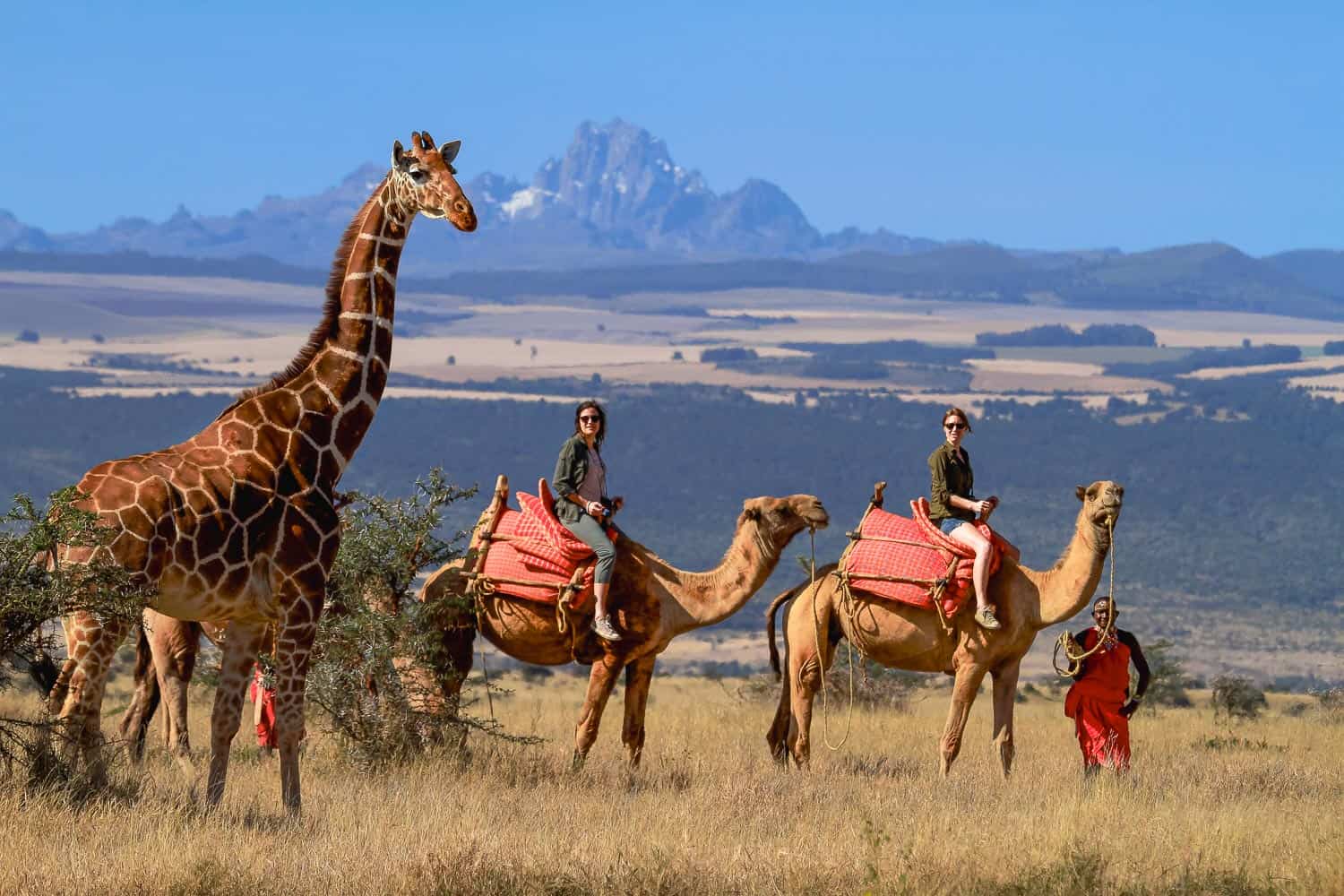
| Lewa Wildlife Conservancy | Black and white rhino, Grevy’s zebra | Rhino, camel treks, Laikipia wildlife |
| Sheldrick Wildlife Trust | Orphaned elephants and rhinos | Daily elephant feeding sessions Nairobi |
| Maasai Mara Conservancies | Savannah ecosystem and migration route | Game drives with fewer vehicles |
| Watamu Marine National Park | Coral reef ecosystem and marine life | Snorkeling, diving, turtle nesting |
| Arabuko-Sokoke Forest | Coastal forest endemic bird species | Birdwatching, forest walks |
- Kenya Is the Gateway to the Rest of East Africa
Nairobi is the aviation hub for all of East Africa, and this practical reality makes Kenya the natural base from which to explore the wider region. If you have ever wanted to combine a Maasai Mara safari with gorilla trekking in Uganda, a Serengeti crossing in Tanzania, the beaches of Zanzibar, the ruins of Lamu, or the highlands of Rwanda, Kenya is where the journey logically begins and often ends.
Kenya Airways operates an extensive regional network that connects Nairobi to Entebbe, Dar es Salaam, Kigali, Addis Ababa, Lusaka, Harare, and dozens of other African cities with a frequency and reliability that makes multi-country itineraries genuinely practical rather than logistically daunting. Major international carriers including British Airways, Qatar Airways, KLM, Emirates, and Ethiopian Airlines all serve Jomo Kenyatta International Airport, meaning that one-stop connections from Europe, North America, and Asia are standard rather than exceptional.
Getting Around Kenya
Domestic flights are the most efficient way to connect Kenya’s major safari destinations. Wilson Airport in Nairobi serves light aircraft to the Maasai Mara (approximately forty-five minutes), Amboseli (thirty minutes), Samburu (one hour), and other parks. Road transfers work well for Lake Naivasha and Lake Nakuru, which are within two to three hours of Nairobi.
The coastal cities of Diani and Watamu are served by domestic flights from Nairobi’s Wilson Airport or Jomo Kenyatta International Airport to Ukunda and Malindi respectively.
| Destination | Distance from Nairobi | Best Transport Method | Approx Travel Time |
| Maasai Mara | 260 km by road | Light aircraft from Wilson Airport | 45 minutes by air |
| Amboseli National Park | 240 km by road | Light aircraft or drive | 30 min air / 4 hrs road |
| Lake Nakuru | 160 km by road | Drive | 2 hours |
| Lake Naivasha | 90 km by road | Drive | 1.5 hours |
| Samburu National Reserve | 325 km by road | Light aircraft | 1 hour by air |
| Diani Beach (south coast) | 485 km by road | Domestic flight to Ukunda | 50 minutes by air |
| Watamu (north coast) | 125 km from Mombasa | Domestic flight to Malindi | 1 hour by air |
| Lamu Island | 340 km from Mombasa | Domestic flight from Nairobi | 1.5 hours by air |
Related Posts