Tanzania Cultural Safaris: A Complete Guide Tanzania cultural safaris span a wide range: Maasai communities…
How to Book a Uganda Safari Holiday
How to Book a Uganda Safari is one of the most important questions for travelers planning a safari holiday in Uganda.
How to Book a Safari Holiday in Uganda:
Booking a Uganda Safari Is Easy Once You Know What Really Matters
How to Book a Uganda Safari is one of the most important questions for travelers planning a safari holiday in Uganda ,Many people dream about a safari holiday in Uganda, but when it is time to actually book, confusion begins. Should you contact a local tour company or use an international travel agent? How much should it cost? When should you pay? Which parks should you choose? How early should you reserve gorilla permits? What if you want both wildlife safari and gorilla trekking?
These are real questions, and they matter because Uganda is not the kind of destination where travelers should leave everything to chance. A well planned safari in Uganda can become one of the finest journeys of your life. A poorly arranged one can lead to permit disappointments, rushed itineraries, weak lodges, or unnecessary costs.
Uganda is one of Africa’s most rewarding safari countries because it combines gorilla trekking in Bwindi Impenetrable National Park, classic game drives in Queen Elizabeth National Park, chimpanzee tracking in Kibale Forest, remote wilderness in Kidepo Valley National Park, and river experiences at Murchison Falls National Park. Few countries offer this level of diversity in one trip.
The key is planning well and knowing how to book it properly.
This guide explains how travelers should plan, compare, choose, and confidently reserve a safari holiday in Uganda using real local insight, practical examples, and evidence from how safaris actually operate on the ground.
Step One: How to Book a Uganda Safari Based on Your Travel Style
Before contacting a tour company, comparing quotes, or checking flight prices, the smartest first step is deciding what kind of Uganda safari holiday you actually want. Many travelers skip this stage and begin asking for prices immediately. That often leads to confusion, mismatched itineraries, and paying for experiences that do not fit their interests.
Uganda is one of Africa’s most diverse safari destinations because it combines gorilla trekking, classic wildlife safaris, chimpanzee encounters, scenic lakes, mountain landscapes, and cultural experiences within one country. Because of that variety, there is no single safari style that suits everyone.
Some travelers arrive with one clear dream: seeing mountain gorillas in Bwindi Impenetrable National Park. For them, the safari should revolve around gorilla permits, forest lodges, and enough time to enjoy the southwestern region of Uganda. Others are more interested in lions, elephants, giraffes, and boat cruises through savannah parks such as Queen Elizabeth National Park or Murchison Falls National Park. In that case, a wildlife circuit makes more sense than focusing heavily on Bwindi.
There are also travelers who love primates. Uganda is one of the best countries in the world for combining gorilla trekking with chimpanzee tracking in Kibale Forest National Park. This kind of itinerary appeals strongly to nature lovers, photographers, and repeat safari travelers looking for something deeper than a standard game drive.
Comfort level matters too. A luxury five star safari may include premium lodges, private guiding, scenic sundowners, and personalized pacing. A mid-range three star safari may still offer excellent experiences with simpler accommodation and smart value. Budget safaris can work well when expectations are realistic and the operator is reliable.
A common local mistake is trying to combine every major park into a short trip. Uganda is rewarding, but distances require time. A seven day safari should focus on quality rather than quantity.
The best Uganda safari tours begins with self-awareness. Ask yourself: Do I care most about gorillas, wildlife, culture, birding, photography, adventure, comfort or budget? Once that answer is clear, every booking decision becomes easier.
Choose the safari that fits your travel personality, not the one that simply looks longest on paper.
Step Two: How to Book a Uganda Safari by Choosing the Right Parks
Once you know the kind of safari holiday you want, the next step is choosing the right national parks. This is where many travelers either build an unforgettable Uganda safari tours or create a tiring itinerary filled with too much driving and too little enjoyment. Uganda has several excellent parks, but not every traveler needs all of them. The smartest safaris are selective, balanced, and built around real interests.
Uganda’s most famous protected area is Bwindi Impenetrable National Park, home to almost half of the world’s remaining mountain gorillas. If gorilla trekking is your priority, Bwindi should sit at the center of your safari plan. The forest itself is ancient, thick, and dramatic. Many travelers say the emotional highlight of their entire Uganda safari happens the moment they first see a silverback or a gorilla family moving quietly through the forest.
For classic wildlife viewing, Queen Elizabeth National Park is often the best all round choice. It offers elephants, buffalo, hippos, crocodiles, antelope, lions, and leopard among others.The Kazinga Channel boat cruise is especially popular because it gives close views of hippos and elephants along the shoreline. The Ishasha sector in the southern part of the park is famous for tree climbing lions, one of Uganda’s most talked about safari sightings.
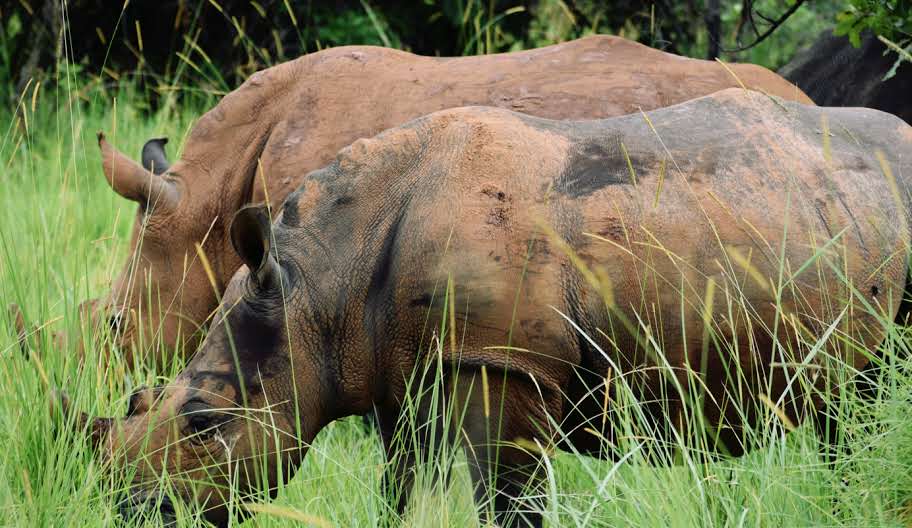
If you want dramatic landscapes and river experiences, Murchison Falls National Park is an even better option with a big 5 opportunity with an en-route rhino tracking at Ziwa Rhino Sanctuary. Here, the Nile forces through a narrow gorge before crashing into a powerful waterfall. The boat trip toward the falls is one of East Africa’s most memorable safari activities, often combined with sightings of giraffes, elephants, crocodiles, birds like the shoebill on the delta boat trip, lions, leopard, hyena, cape buffalo, oribi, among many others.
For chimpanzees, Kibale Forest National Park is the leading destination. It has one of the highest concentrations of primates in Africa and is widely considered Uganda’s best chimpanzee tracking location.
If you want something quieter and closer to Kampala, Lake Mburo National Park is ideal for short safaris, zebras, walking safaris, giraffe, impala, buffalo , hipo , leopard and hyena among many more animal and bird species not forgetting the scenic landscapes. For remote wilderness lovers, Kidepo Valley National Park offers one of Africa’s wildest safari settings.
A strong seven day itinerary often combines Kibale, Queen Elizabeth, and Bwindi because it balances primates, savannah wildlife, and gorilla trekking.
The best parks are not the most famous ones. They are the ones that match what you genuinely want to experience.
How to Book a Uganda Safari-Step Three: Know the Best Time to Book a Uganda Safari
Timing is one of the most important parts of planning a Uganda safari tour. Many travelers focus on choosing parks and lodges but underestimate how much the booking date affects permit availability, accommodation quality, pricing, road conditions, and the overall ease of the trip. A great Uganda safari is not only about where you go, but also when you book and when you travel.
Uganda is a year round safari destination because wildlife viewing and gorilla trekking happen in every season. However, certain months are more popular because of drier weather and easier travel conditions. The most requested travel seasons are usually June to September and December to February. During these periods, roads in many regions are easier to navigate, trekking trails can be less muddy, and travelers from Europe, North America, and other markets often travel during holiday periods.
For gorilla trekking in Bwindi Impenetrable National Park, dry months are especially popular because forest trails can become steep and slippery after rain. While trekking happens daily in all seasons, many first time visitors feel more confident booking drier months.
This popularity creates one major reality: gorilla permits sell out early.
Uganda issues a limited number of gorilla trekking permits each day because gorilla tourism is carefully controlled for conservation reasons. Once permits for your preferred dates are gone, changing the entire safari schedule may become necessary. That is why experienced safari planners often advise travelers to secure gorilla permits before purchasing non flexible flights.
When to Book
For peak season travel such as June, July, August, September ,Christmas, and January/February:
- Book 6 to 12 months in advance if possible.
For quieter months:
- Book 3 to 6 months in advance is often safer.
Luxury lodges near Bwindi, Queen Elizabeth National Park, and Murchison Falls can also fill early during busy seasons, especially smaller boutique properties with limited rooms.
What about Rainy Months?
Uganda’s greener months, usually March to May and October to November, can still be excellent for safari travel. Landscapes are lush, birdlife is active, and visitor numbers are often lower. Some travelers prefer these months because parks feel quieter and lodge availability improves.
Local Booking Reality
A common mistake is booking international flights first, then asking for gorilla permits later. Many travelers discover their ideal dates are already full.
The best order is often:
- Choose travel month
- Reserve gorilla permits
- Confirm safari itinerary
- Finalize flights
The right time to book is not the same as the right time to travel. Book early, travel smart, and Uganda becomes much easier to enjoy.
Step Four: How to Book a Uganda Safari with the Right Tour Operator
Learning how to book a Uganda safari properly helps avoid costly mistakes. After deciding where to go and when to travel, the next major step is choosing the right safari company. This decision often determines whether your Uganda safari feels smooth, insightful, safe, and memorable or stressful, disorganized, and disappointing. Uganda is a rewarding destination, but it works best when guided by people who truly understand the country on the ground.
Unlike simple beach holidays where a hotel may be enough, a Uganda safari involves moving between parks, timing activities correctly, securing permits, navigating long road routes, selecting proper lodges, and adjusting plans when conditions change. A reliable Uganda tour operator does far more than provide transport. They shape the quality of the entire journey.
Many travelers compare only prices. That can be costly in the long run. Two safari quotes may look similar, yet one includes strong lodges, permits, a professional guide, and park fees, while another excludes key items and uses lower standards. The cheapest quote is not always the best value.
What a Good Uganda Safari Operator Should Offer
A professional company should provide:
- Clear and timely communication
- Honest pricing with transparent inclusions
- Real experience operating Uganda safaris
- Knowledge of national parks, attractions and road routes
- Ability to secure gorilla trekking permits quickly
- Well maintained safari vehicles
- Flexible itinerary planning
- Emergency support if plans change
If responses are slow, vague, or confusing before payment, that often signals problems later.
Questions Smart Travelers Should Ask
Before booking, ask:
- Is the gorilla permit included in the price?
- Is the safari private or shared?
- Which lodges are confirmed?
- What type of vehicle is used?
- Is fuel included?
- Are park fees included?
- Who will guide the trip?
- What happens if flights are delayed?
- Are meals included daily?
- Is there support during the safari?
These questions among others quickly reveal whether a company is organized and transparent.
Local Reality in Uganda
Some operators advertise very low prices online but later add costs for permits, fuel, upgraded rooms, boat trips, or transfers. Others may use older vehicles that affect comfort on long drives to Bwindi or Kidepo Valley National Park.
By contrast, strong local operators often know which roads are better in rainy seasons, which lodges are consistently reliable, and how to time routes to reduce fatigue.
How to Compare Operators.
Do not compare only total price. Compare:
- Inclusions
- Vehicle quality
- Lodge standard
- Guide experience
- Permit handling
- Reputation
- Communication quality
- Authenticity and or Reliability
A safari guide with excellent wildlife knowledge and calm professionalism can transform the whole trip.
Choose the operator you trust to manage your holiday, not just the one who sent the lowest cost. Uganda rewards travelers who book with people who know the land, understand timing, and care about the experience from inquiry, arrival to departure.
Step Five: How to Book a Uganda Safari Within Your Budget
One of the first questions travelers ask is simple and reasonable: How much does a safari holiday in Uganda cost? The answer depends on several factors, and understanding them helps travelers avoid unrealistic expectations, misleading quotes, and unnecessary hidden costs.
Uganda is often seen as offering stronger value than some neighboring safari destinations because it combines gorilla trekking, wildlife safaris, chimpanzee tracking, scenic landscapes, and quality accommodation across multiple budget levels. However, safari travel is not a standard fixed price product. Two trips lasting the same number of days can differ greatly in cost and overall experience depending on what is included.
The biggest mistake travelers make is comparing only headline prices. A low quote may be appealing but exclude permits, park fees, quality lodges, or important activities. A higher quote may actually offer better overall experience and value.
Main Factors That Affect Uganda Safari Cost
Gorilla Trekking Permit
For many travelers, this is the single largest fixed cost in the Gorilla trekking safaris. Gorilla permits for Bwindi Impenetrable National Park or Mgahinga Gorilla National Park are limited daily and must be reserved in advance. Because permits support conservation and park management, they form a major part of safari pricing.
If your trip includes gorilla trekking, expect this to influence the overall budget more than almost any other item.
Transport and Vehicle Type
Uganda safaris often involve long drives between destinations. A private four wheel drive vehicle with an experienced driver guide costs more than shared /group transport, but it usually offers better comfort, flexibility, and reliability.
For routes to Bwindi, Kidepo Valley National Park, Mgahinga Gorilla National Park, a vehicle quality matters a lot. Poor suspension or overcrowded transport can reduce the experience significantly.
Accommodation Level
Uganda offers:
- Budget guesthouses
- Mid-range lodges
- Luxury safari camps
- High end boutique properties
The same park can feel completely different depending on where you stay. A lakeside lodge near Queen Elizabeth or a forest lodge near Bwindi may cost more, but can add major comfort and atmosphere.
Park Fees and Activities
Many parks charge entry fees plus separate costs for activities such as:
- Boat safaris
- Chimpanzee tracking
- Guided nature walks
- Night game drives in some areas
Always check whether these are included.
Example of Real Value
A traveler choosing the cheapest safari may save money initially, but later discover:
- Basic rooms far from park gates
- Long delays
- Extra fees
- Weak guiding
- Tired vehicle(s)
Another traveler pays more for a well-organized trip and enjoys smoother logistics, stronger wildlife sightings, and better rest.
Local Insight
Many repeat visitors say the guide is one of the most valuable parts of the budget. A skilled Uganda guide can spot lions hidden in grass, explain culture and landscapes, adjust routes intelligently, and solve problems quietly.
How to Budget Smartly
Instead of asking only “what is cheapest,” ask:
- What is included?
- What comfort level do I want?
- Is this realistic for the distance covered?
- Does the operator explain costs clearly?
Uganda safari costs vary because experiences vary. Spend where it matters most: permits, guiding, transport quality, and good rest. Save where it matters less.
The best safari is not the cheapest one. It is the one that delivers the memories you came for without hidden costs and stress.
Step Six: How to Book a Uganda Safari with a Smart Itinerary
Designing the right Uganda safari packages or itinerary is where many Uganda safaris either become unforgettable journeys or exhausting road marathons. Uganda has remarkable diversity, but it is not a destination where travelers should simply list every famous park and try to fit them into a short number of days. Distances, road conditions, park timings, and energy levels all matter. A smart itinerary balances wildlife, travel time, rest, and meaningful experiences.
Uganda is often called the Pearl of Africa because of how much variety it contains. In one trip, travelers can move from rainforest chimpanzees to open savannah elephants, then into misty mountain gorilla country. That richness is real, but trying to see everything too quickly usually reduces enjoyment.
Start With the Length of Your Trip
The first question is not which parks you want. It is how many days you truly have for your holiday. Arrival and departure days often reduce usable safari time more than travelers expect.
A five day trip should be selective. A ten day trip allows stronger variety. Two weeks can create a full national circuit.
Strong Itinerary Examples
Five Day Uganda Safari
Best for travelers focused on one signature experience.
A common route:
- Transfer to Kibale (For early morning flight arrivals or you should have spent a night in Entebbe/Kampala prior)
- Chimpanzee tracking
- Transfer to Bwindi Impenetrable National Park
- Gorilla trekking
- Return to Entebbe airport or Kigali
This works well for travelers whose main dream is mountain gorillas and Chimpanzee
Seven Day Uganda Safari
A highly balanced first time route:
- Arrival at Entebbe International airport or in Kampala
- Transfer to Kibale forest national park
- Chimpanzee tracking in Kibale
- Queen Elizabeth National Park for wildlife safari and boat safari
- Transfer to Bwindi
- Bwindi gorilla trekking
- Return to Entebbe/Kampala or Kigali
This is one of the most popular combinations because it blends primates, game drives, and Uganda’s most iconic landscapes.
Ten Day Uganda Safari
Ideal for travelers wanting broader variety:
- Murchison Falls National Park
- Kibale Forest
- Queen Elizabeth National Park
- Bwindi Impenetrable National Park
- Lake Mburo National Park
This gives waterfalls, Nile scenery, big 5 savannah wildlife, walking safari, chimpanzee, and gorilla trekking in one trip.
Local Reality about Driving Times
Many first time visitors look at maps and underestimate road travel. Uganda is improving its infrastructure steadily, but journeys still take time due to terrain, towns, weather, and scenic stops.
A route that appears simple on a map can become a full travel day.
This is why experienced planners often recommend fewer destinations with deeper time in each place.
Build Around Key Moments
Anchor your safari around the most important experiences:
- Gorilla trekking
- Chimpanzee tracking
- Boat safari
- Lion game drive
- Culture /community experiences
- Scenic rest day
Then connect the route logically.
Include Rest and Recovery
After gorilla trekking or long drives, a recovery night at Lake Bunyonyi or a quality lodge can transform the pace of the trip.
Step Seven: How to Book a Uganda Safari Without Hidden Costs
One of the most common causes of disappointment in safari travel is not the destination itself, but misunderstanding what was actually booked. Many travelers assume certain services are automatically included, only to discover later that permits, park fees, meals, or activities require extra payment. This is why confirming every detail before paying is one of the smartest steps when booking a Uganda safari tour.
Budget Uganda safari tours quotes can look attractive at first glance, but unless it clearly states inclusions and exclusions, it is incomplete information. Uganda wildlife safari packages vary widely in structure. Some packages are almost fully inclusive. Others cover only transport and accommodation, leaving important costs to be paid later.
Before sending a deposit, ask for a written itinerary and cost breakdown.
Items You Should Confirm Clearly
Gorilla Trekking Permit
If your trip includes Bwindi Impenetrable National Park or Mgahinga Gorilla National Park, ask whether the gorilla permit is already included. This is one of the highest value safari items and should never be assumed.
Chimpanzee Permits
For trips including Kibale Forest National Park or other chimp destinations, confirm whether chimp permits are included separately.
National Park Entry Fees
Some safari companies include park entry fees in the package price. Others list them separately. This affects total costs significantly.
Accommodation
Ask for:
- Lodge names
- Room type
- Private or shared room
- Ensuite bathroom or not
- Meal plan included
A safari lodge can strongly influence comfort after long travel hours.
Meals
Some packages include full board, while others include breakfast only. Clarify lunch and dinner arrangements, especially in remote parks.
Transport
Confirm:
- Private safari vehicle or shared
- Airport pickup included or not
- Fuel included
- Professional guide included daily
Activities
Check whether these are included:
- Game drives
- Boat safari in Queen Elizabeth or Murchison Falls or even Lake Mburo
- Guided nature walks
- Community visits
Payment Structure
Many Uganda safaris require:
- Deposit first to secure permits and lodges
- Remaining balance before arrival or by agreed schedule
Always request receipts and confirmation after payment.
Local Booking Reality
Some travelers choose the cheapest quote, then later face unexpected charges for fuel, park fees, or activities. This can create tension during the holiday.
Reliable operators explain costs clearly from the beginning.
Smart Questions to Ask Before Paying
- Are there any extra costs after arrival?
- Are all taxes included?
- What if dates change?
- What is the cancellation policy?
Never pay based on assumptions. Pay based on clarity.
A transparent booking creates peace of mind before travel and allows you to focus on what matters most: enjoying Uganda’s gorillas, wildlife, landscapes, and adventure once the safari begins.
Step Eight: How to Book a Uganda Safari and Prepare for Travel
Once your Uganda safari is booked and confirmed, the final stage is preparation. This step is often underestimated, yet it has a major impact on comfort, safety, and how fully you enjoy the experience. Uganda is not a destination where travelers simply arrive and improvise. The safari involves forest trekking, long road journeys, changing weather conditions, and close contact with wildlife environments. Good preparation makes everything smoother.
Travel Documents and Entry Requirements
Before departure, ensure your passport is valid for at least six months beyond your travel dates. Most travelers visiting Uganda will also need a visa, which is often obtained online before arrival or on entry depending on nationality and current regulations.
It is important to keep printed and digital copies of:
- Passport identification page
- Visa approval or entry document
- Safari booking confirmation
- Gorilla trekking permit confirmation if applicable
- Travel insurance details
These documents may be requested at airport arrival or during park registration.
Health and Safety Preparation
Uganda is a tropical destination, so health preparation is essential. Many travelers consult travel health clinics before arrival to discuss vaccinations and preventive measures. Common recommendations may include protection against malaria, which is present in some regions, especially lower altitude safari parks.
Travel insurance that covers medical evacuation is strongly recommended because safari locations can be far from major hospitals.
What to Pack for a Uganda Safari
Packing correctly is one of the most practical parts of preparation.
Clothing
Neutral colored clothing such as greens, browns, and beige tones is recommended for wildlife environments. Avoid bright colors or overly dark outfits for trekking and game drives.
For Gorilla Trekking in Bwindi
- Long sleeved shirts
- Long pants
- Waterproof jacket
- Gloves for forest vegetation
- Strong hiking boots
- Hat and light rain protection
Bwindi Impenetrable National Park is wet and dense, so clothing that protects against mud, insects, and thorny vegetation is essential.
For Game Drives in Queen Elizabeth or Murchison Falls
- Light layers for changing temperatures
- Sun protection such as hat and sunglasses or sunscreen
- Binoculars for wildlife viewing
- Camera with extra battery or storage
Useful Travel Items
- Reusable water bottle
- Small backpack for daily excursions
- Power bank for remote lodges
- Insect repellent
- Personal medication
Local Travel Reality
Many lodges are located inside or near national parks where shops are limited. It is better to carry essentials rather than rely on last minute purchases.
Mental Preparation
Uganda safari travel is not rushed city tourism. It involves early morning starts, long scenic drives, unpredictable wildlife moments, and changing weather patterns. Flexibility improves the experience more than strict expectations.
The best prepared travelers are not the ones with the most luggage. They are the ones who understand what to expect and adapt easily.
When you arrive in Uganda prepared, you spend less time worrying about logistics and more time watching gorillas, elephants, lions, chimpanzees, waterfalls, and landscapes that feel untouched and alive.
How to Book a Uganda safari- Step Nine: Prepare for Travel (Expanded Guide)
Once your Uganda safari is booked and confirmed, the final stage is preparation. This step is often underestimated, yet it has a major impact on comfort, safety, and how fully you enjoy the experience. Uganda is not a destination where travelers simply arrive and improvise. The safari involves forest trekking, long road journeys, changing weather conditions, and close contact with wildlife environments. Good preparation makes everything smoother.
Travel Documents and Entry Requirements
Before departure, ensure your passport is valid for at least six months beyond your travel dates. Most travelers visiting Uganda will also need a visa, which is often obtained online before arrival or on entry depending on nationality and current regulations.
It is important to keep printed and digital copies of:
- Passport identification page
- Visa approval or entry document
- Safari booking confirmation
- Gorilla trekking permit confirmation if applicable
- Travel insurance details
These documents may be requested at airport arrival or during park registration.
Health and Safety Preparation
Uganda is a tropical destination, so health preparation is essential. Many travelers consult travel health clinics before arrival to discuss vaccinations and preventive measures. Common recommendations may include protection against malaria, which is present in some regions, especially lower altitude safari parks.
Travel insurance that covers medical evacuation is strongly recommended because safari locations can be far from major hospitals.
What to Pack for a Uganda Safari
Packing correctly is one of the most practical parts of preparation.
Clothing
Neutral colored clothing such as greens, browns, and beige tones is recommended for wildlife environments. Avoid bright colors or overly dark outfits for trekking and game drives.
For Gorilla Trekking in Bwindi
- Long sleeved shirts
- Long trousers
- Waterproof jacket
- Gloves for forest vegetation
- Strong hiking boots
- Hat and light rain protection
Bwindi Impenetrable National Park is wet and dense, so clothing that protects against mud, insects, and thorny vegetation is essential.
For Game Drives in Queen Elizabeth or Murchison Falls
- Light layers for changing temperatures
- Sun protection such as hat and sunglasses
- Binoculars for wildlife viewing
- Camera with extra battery or storage
Useful Travel Items
- Reusable water bottle
- Small backpack for daily excursions
- Power bank for remote lodges
- Insect repellent
- Personal medication
Local Travel Reality
Many lodges are located inside or near national parks where shops are limited. It is better to carry essentials rather than rely on last minute purchases.
Mental Preparation
Uganda safari travel is not rushed city tourism. It involves early morning starts, long scenic drives, unpredictable wildlife moments, and changing weather patterns. Flexibility improves the experience more than strict expectations.
The best prepared travelers are not the ones with the most luggage. They are the ones who understand what to expect and adapt easily.
When you arrive in Uganda prepared, you spend less time worrying about logistics and more time watching gorillas, elephants, lions, chimpanzees, waterfalls, and landscapes that feel untouched and alive.
Common Mistakes to Avoid When Booking a Uganda Safari (Safari Booking Guide)
Even well researched travelers sometimes make avoidable mistakes when booking a safari holiday in Uganda. These mistakes usually do not come from lack of interest, but from rushing decisions, trusting incomplete information, or underestimating how safari travel actually works on the ground. Understanding these pitfalls helps protect both your budget and your overall experience.
Booking Gorilla Permits Too Late
One of the most serious mistakes is delaying gorilla permit booking for Bwindi Impenetrable National Park or Mgahinga Gorilla National Park. Gorilla trekking is limited daily to protect the mountain gorillas, and permits are issued in controlled numbers.
Many travelers book flights first and only later ask about permits. By that time, especially during peak months like June to September or December holidays, preferred dates may already be fully booked.
This often forces itinerary changes, which can affect accommodation, routing, and even total trip duration.
Choosing Based Only on the Lowest Price
A very common mistake is selecting a safari operator based purely on the cheapest quote. While Uganda offers good value across different budgets, extremely low prices can sometimes hide missing elements such as park fees, quality lodges, fuel costs, or experienced guides.
In real travel situations, a poorly organized safari may lead to long delays, stress, or limited wildlife knowledge from the guide. In contrast, a slightly higher but transparent package often delivers a smoother and more enjoyable experience.
Trying to Visit Too Many Parks in Too Few Days
Uganda is rich in destinations such as Queen Elizabeth National Park, Murchison Falls National Park, Kibale Forest National Park, and Bwindi. However, trying to combine too many parks in a short itinerary often leads to fatigue.
Road travel between parks can take several hours due to distance, terrain, and road conditions. A schedule that looks efficient on a map can become exhausting in real travel time.
A seven day safari that focuses on two or three parks often feels far better than a rushed itinerary covering five locations.
Ignoring Travel Time Between Destinations
Some travelers underestimate Uganda’s geography. Mountain roads, rural towns, and national park access routes mean that travel is part of the safari experience itself.
For example, journeys between Kibale and Bwindi or Murchison Falls can take a several hours of the day including stops. Ignoring this reality leads to unrealistic expectations and tight schedules.
Not Clarifying What Is Included
Another frequent issue is assuming that all costs are included in a safari quote. Items such as gorilla permits, chimpanzee tracking, boat safaris, park fees, or meals may sometimes be separate depending on the operator.
Skipping Guide Quality Checks
The safari guide is one of the most important parts of the entire journey. A knowledgeable Uganda guide enhances wildlife sightings, explains animal behavior, navigates park routes efficiently, and provides cultural context.
Booking without considering guide experience can reduce the quality of the safari even if everything else is well organized.
Why Booking a Uganda Safari with Local Experts Matters
One of the most overlooked but powerful decisions in planning a Uganda safari is whether to book through a local operator or rely on distant international agents. While both can arrange trips, the experience on the ground in Uganda is shaped heavily by local knowledge, timing, and real time problem solving.
Uganda is not a destination that runs on fixed, predictable tourist schedules alone. Wildlife movements, road conditions, weather changes, and park logistics all influence the flow of a safari. This is where local expertise becomes a major advantage.
Real Knowledge of Parks and Routes
Local Uganda safari operators work directly with destinations such as Bwindi Impenetrable National Park, Queen Elizabeth National Park, Murchison Falls National Park, and Kibale Forest National Park on a daily basis. This means they understand:
- Which roads are passable after heavy rain
- Which sectors of the parks have better wildlife sightings in certain months
- How early to start gorilla trekking transfers to avoid delays
- Which lodges offer consistent service quality
- Actual driving times, not just map estimates
For example, a route from Queen Elizabeth to Bwindi may look straightforward on a map, but experienced local guides know where stops, checkpoints, and road conditions can add hours to the journey.
Faster Gorilla Permit Handling
Gorilla trekking permits are issued by Uganda Wildlife Authority in limited numbers. Local operators often have direct systems and established communication channels that help secure permits quickly and accurately.
This reduces risk of missed dates, especially during high demand months like June to September or festive seasons.
On Ground Problem Solving
Safari travel is dynamic. A delayed flight, unexpected rainstorm, vehicle issue, or lodge availability change can happen. Local operators are physically present in the country and can adjust plans immediately.
Instead of long email delays across time zones, changes can be handled quickly through direct coordination.
Better Value Through Realistic Planning
Local operators understand how to build realistic itineraries that respect Uganda’s geography. This helps avoid over packed schedules that look efficient on paper but become exhausting in practice.
They also know which lodges match different budgets without compromising location quality or safety.
Example from the Ground
Many travelers report that the difference between a good safari and a great safari is often not the park itself, but the guide’s ability to:
- Spot a lion hidden in tall grass in Queen Elizabeth
- Track chimpanzees in Kibale Forest early in the morning
- Adjust timing so gorilla trekking starts smoothly in Bwindi
- Explain animal behavior in a way that brings the experience to life
These are skills built through experience inside Uganda, not just general travel knowledge.
Trust and Accountability
Local operators depend heavily on reputation. Reviews from past travelers, repeat bookings, and word of mouth in the tourism sector matter significantly. This often creates stronger accountability compared to distant resellers.
Booking a Uganda safari is not only about finding a package. It is about choosing people who understand the land, the parks, and the rhythm of travel inside the country.
Booking a Uganda Safari the Smart Way
Booking a safari holiday in Uganda is less about finding the cheapest package and more about choosing the right structure, timing, and people to guide your journey. Uganda rewards travelers who plan carefully because its experiences are spread across diverse landscapes, from Bwindi Impenetrable National Park and its mountain gorillas to the savannah wildlife of Queen Elizabeth National Park and the powerful waters of Murchison Falls National Park.
The smartest approach is simple. Start by deciding what matters most, whether it is gorilla trekking, wildlife viewing, chimpanzee tracking in Kibale Forest National Park, or a mix of everything. Then secure critical elements early, especially gorilla permits, before finalizing flights or accommodation.
Always confirm what is included in your safari cost, especially park fees, transport, meals, and activities. Many problems arise from assumptions rather than planning. Choose a tour operator with real local experience, strong communication, and clear pricing rather than focusing only on low prices.
Finally, keep your itinerary realistic. Uganda is rich in experiences, but travel takes time between parks.
A well planned safari does not rush through destinations. It allows you to experience Uganda slowly, from gorillas in misty forests to elephants along riverbanks, in a way that feels natural, immersive, and unforgettable.
If you are still wondering how to book a Uganda safari, following these steps will help you plan with confidence
Related Posts