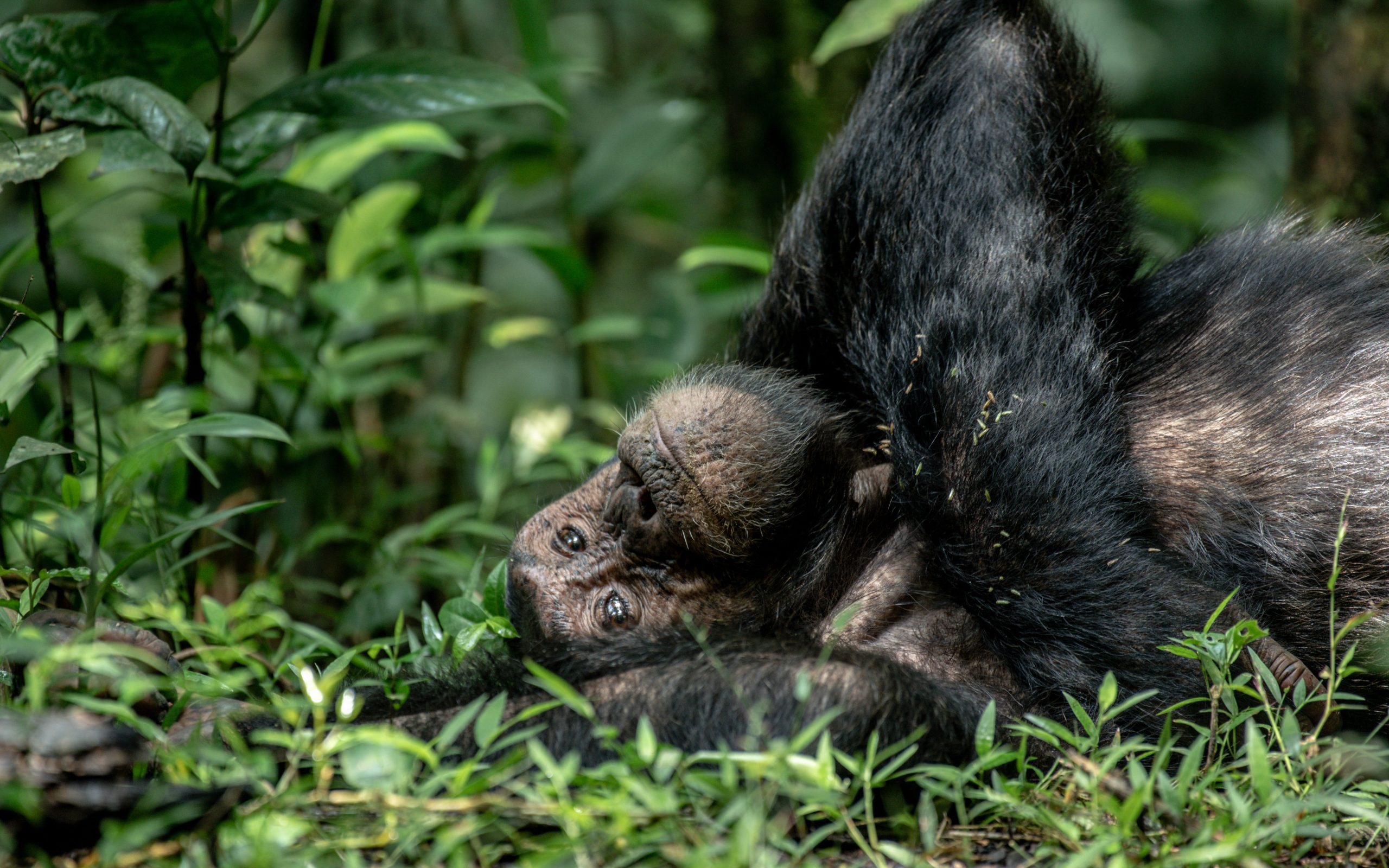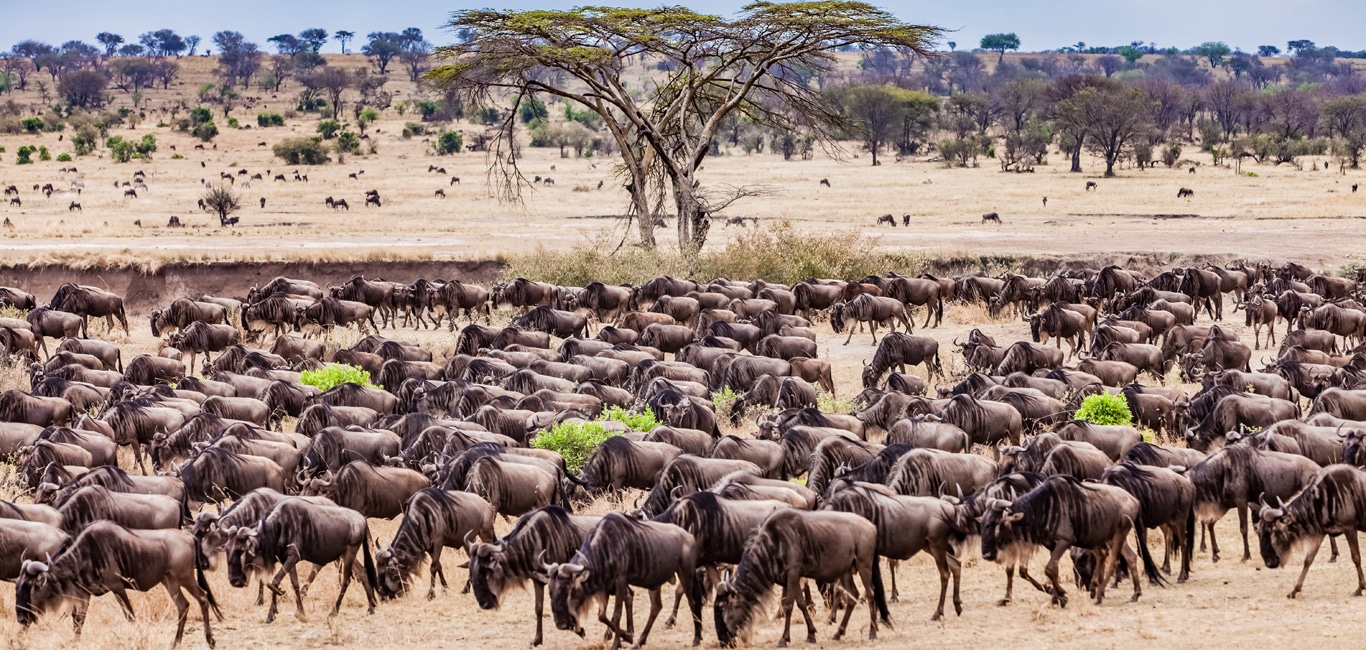
Uganda is the choice if you have ever dreamed of standing a few feet away…
What should I pack for my East African tour?
So, you have finally booked the flights to Eastern Africa. You hope to see the tree climbing lions of Ishasha, the Amboseli national park elephants, the famous Maasai Mara and the Mountain gorillas in Bwindi impenetrable national park and so, the adrenaline is high indeed.
The East Africa safari experience often begins with a quiet moment of hesitation, staring at an empty bag and wondering how to pack for such a vast adventure filled landscape.
We know you want the peace of mind that comes with being prepared for the rugged terrain of Uganda or the vast plains of Tanzania. Yet you need to stay light enough for bush planes and dusty trails.
We understand that feel like a tall order, but the secret lies in choosing gear that works as hard as you do on the trail.
This guide will walk you through everything you need. We will cover clothes, gear, health, and the paperwork needed. Let’s get you ready for the adventure of a lifetime to the wild lands of East Africa.
Understanding the East African Weather
Before you fold a single shirt, you need to understand the weather. East Africa is not just hot as the stereo type goes. The weather in east Africa is diverse depending on the geography of the space! You might be in the humid lowlands of Tanzania one day. Next, you could be in the cool highlands of Bwindi impenetrable national park in Uganda.
Temperatures change wildly in all the east African countries due to the tropical climatic characteristics. Early mornings for game drives are chilly through the savannahs of Mweya in Queen Elizabeth national park, or the Mara of Kenya and Serengeti in Tanzania. You might need a fleece when you start at 6am. In the Ngorongoro crater of Tanzania, the evenings are often cold
By noon, the sun is blazing, such dramatic weather! This is why the afternoons are best spent on the boat trips on the Nile River at Murchison falls or the Kazinga channel at Queen Elizabeth national park, or better still laughing by the poolside of your safari camp/lodge.
Then, evening comes, and the temperature drops again. This is not just in the national parks but also in the cities like Nairobi. So you can just make an effort to pack a simple sweater for the cold sundowners.
Rain. Even in the dry season, tropical showers happen! Always expect the afternoon drizzles or the early morning showers that often happen at short notice. However, it is true that “After A heavy Rain, there comes a rainbow in Africa”.
You need to be ready for dust. The roads or game tracks in the national parks are often unpaved to intentionally not encroach on the authenticity of the protected areas in east Africa.
Planning for these East African weather swings is key. For a fact, you need to wear layers during the East African Safari Experience. You must have protection from the sun. You also need protection from the rain as it not be sunny every day of the dry season, or rainy throughout the wet season.
The African weather is part of the experience, but being prepared makes it enjoyable.
Clothing Choices for the Safari
For any African safari, what you wear matters. It is about function and respect for the environment and the cultures of Africa.
First, stick to neutral colors. Think khaki, beige, olive green, or brown. Bright colors like red or yellow may not be ideal during game drives or primate trekking in Uganda. Also, avoid blue and black clothing, as they might attract tsetse flies. Like Uganda and Tanzania, tsetse flies are attracted to these dark colors. Save the bright colors for the city hotels, before or after your safari stays.
You need long-sleeved shirts. The thought of a long sleeve for an African safari might sound hot and sweaty. But the long sleeve protects you from the sun and bugs.
Lightweight, breathable fabric is the most ideal for the African safari experience. Quick-dry material is even better, just in case the rain pours out in your open roof SUV. You will likely do laundry at the lodges, and you want them to dry overnight. It’s ideal to also pack convertible pants or loose khakis.
For footwear, bring comfortable walking shoes. You will do some Nature walks, or chimpanzee trekking. Closed-toe shoes are a must for protection. Also, pack sandals for relaxing at the lodge.
Many midrange and luxury safari camps have pools. You will want to cool off after a dusty drive, so remember to carry a good sunscreen.
Don’t forget a wide-brimmed hat. The African sun is strong. A musk or a safari bandana is also useful for covering your nose and mouth on dusty roads.
Gear and Electronics for your East African Safari Experience
If it is East Africa, or even any other part of Africa, you must want to capture the memories. A camera is essential. If you have a DSLR or mirrorless camera, bring a zoom lens. A 200-400mm lens is ideal. You cannot get close to a lion on foot. The zoom brings the action to you.
Bring extra batteries; you definitely will need a power bank. Power outlets can be scarce in remote camps, however some safari vehicles have charging ports, but can’t be fully reliable.
Memory cards are also critical for your African safari journey. Every scene is worth capturing. So, you will take thousands of photos and I would not advise to rely on one card.
Binoculars and cameras are both very important if you are to have a superb African safari experience. You will spot animals far away using a pair of 8×42 or 10×42 binoculars. Binoculars will help you see the details, like a leopard in a tree or even an African fish eagle from across the kazinga channel in Queen Elizabeth national park.
You will also need a universal travel adapter for quick charging of your gadgets after a long safari day. Most East African countries use Type G plugs, like in the UK. Even though the safari lodges might have an alternative, I would like to emphasize packing one for a smoother experience.
A headlamp is also a great gadget to have for your African safari. While our premier lodges across the East African ‘Wildlands’ are expertly prepared with seamless solar backups and silent generators to keep your stay comfortable, bringing a headlamp adds that extra layer of “safari-smart” independence.
A headlamp is a perfect companion for those moments after a late-night storytelling session by the fire, while strolling back to your camp. Opting for a headlamp with a red-light setting allows you to observe a shy leopard or a nightjar on a night drive in Tsavo, and other nocturnal safari activities in East Africa like night game drive in Lake Mburo national park.
Health and Personal Care
Prioritizing your health ensures you can fully immerse yourself in the wonders of East Africa. The equatorial sun is incredibly potent, so apply high-SPF sunscreen when the need arises preferably daily, and keep your lips hydrated with an SPF balm against the dry savannah air as well as drinking enough water
Since malaria is present across East Africa, a repellent containing DEET or Picaridin is non-negotiable for those evening sundowners, and the night safari activities like guided night forest walks in Kibale forest national park, nocturnal bird watching etc. We strongly recommend consulting a travel clinic before departure for anti-malarial prophylaxis to ensure your safari remains worry-free.
Visa Requirements and Documents
To ensure a seamless entry into Uganda, Tanzania, or Rwanda as well as Kenya your documentation must be flawless. Your passport requires at least six months of validity remaining from your date of arrival and several blank visa pages for official entry and exit stamps. If your document is nearing its expiry or is running out of space, we recommend renewing it immediately to avoid any boarding or border delays.
Visa rules vary by country in East Africa. Kenya, Uganda, and Rwanda offer an East African
Tourist Visa. The East African tourist visa is a multiple-entry visa. It allows you to travel between the three countries; Uganda, Kenya and Rwanda. It is cost-effective if you plan to enjoy the different safari experiences in all the three or just two countries.
Secure the East African Tourist Visa online through the portal of your first destination/entry country, Uganda, Kenya, or Rwanda, for seamless travel between these three nations.
Note that Tanzania operates independently and is not yet covered by this joint agreement. You must apply for a separate Tanzanian single-entry e.Visa if your itinerary includes highlights like the Serengeti, Ngorongoro crater or Zanzibar.
Sometimes rules change, so check the official government websites for updates on the visa policy. Always remember to print your tourist visa to avoid any inconveniences.
Your Yellow Fever certificate is also important for your east African safari experience.When landing at Kigali International Airport or crossing the border into Uganda. Immigration officers in both Rwanda and Uganda strictly require this “yellow card,” so ensure you get the shot at least ten days before departure to avoid being denied entry or facing expensive, last-minute vaccinations at the airport. It is also wise to keep digital and physical copies of your lodge confirmations and itineraries for a smooth arrival.
Think of comprehensive travel insurance as your ultimate safety while exploring remote corners of East Africa safari trails, like the Kidepo Valley or the Serengeti.
In the rare event of a medical emergency in the remote bush of Kidepo Valley National Park or Lake Nakuru National Park a private helicopter evacuation to a high-quality facility in Kampala or Nairobi can cost tens of thousands of dollars out of pocket.
By ensuring your policy specifically includes emergency medical evacuation (medevac) and keeping your insurer’s 24-hour hotline alongside your emergency contacts, you can venture into the wild with a peace of mind.
Packing Tips and Weight Limits
The East Africa safari experience is best enjoyed when you trade your rigid, hard-shell suitcase for a durable, soft-sided duffel bag. When you are hopping between remote bush strips like Seronera in the Serengeti or Pakuba airtrip in Murchison Falls, space in the small aircraft cargo pods is incredibly tight.
Unlike a hard suitcase, a soft bag can be easily “squished” to fit the aircraft’s dimensions, ensuring you do not face the frustration of leaving gear behind or paying steep surcharges for exceeding the strict 15kg to 20kg weight limit.
Smart packing for the variable climates of Uganda and Tanzania is all about the art of layering. Temperatures can swing from a chilly 5:00 AM start in the Ngorongoro Crater to a scorching midday sun on the savannah. For your daily game drives, keep a lightweight daypack handy for your binoculars, sunscreen, and water. This allows you to leave your main luggage securely at the lodge while you head out into the wild with just the essentials.
Rwanda and many Tanzanian parks have strict bans on single-use plastics to keep the wilderness pristine for the wildlife. Please always accept local knowledge as the heartbeat of the safari. By respecting these simple rules, you help preserve the authentic African safari experience for the next generation of travelers; Sustainability.
What NOT to Pack
Knowing what to skip is as vital as what to pack for your African safari. Leave all camouflage clothing at home; in Uganda and Rwanda, “camo” is strictly for the military, and wearing it can cause serious delays at checkpoints or borders.
Drones for photography are also best left behind, as they require complex permits and security clearance and are prohibited in most places in Uganda and Rwanda including during your safari in Murchison Falls National Park or Akagera National Park. However, if you must have it, seek advance clearance and a permit from the relevant security and aviation agencies
To stay comfortable, swap heavy cotton for synthetic blends. The humidity of the Entebbe lakeside or the mist of the Virungas means cotton stays damp for days, more than other fast drying fabrics. Finally, do not bother packing expensive jewelries, lest you lose them while tracking through the undergrowth.
Ready for the Adventure
The East Africa safari experience begins the moment you zip up your bag, and get ready for everything, from the chilly mornings in Bwindi to the golden afternoons on the Savannah plains.
Packing the right gear means you can stop worrying and focus entirely on the main purpose of your adventure journeys to east Africa. Uganda and Rwanda are incredibly welcoming, with breathtaking landscapes and some top notch hospitality in Tanzania and Kenya
By respecting the local rules, staying on top of your health, and following visa guidelines, you will have a very smooth and memorable safari journeys. Talk to our safari advisor for the latest travel plans and advice. Safe travels!
Related Posts