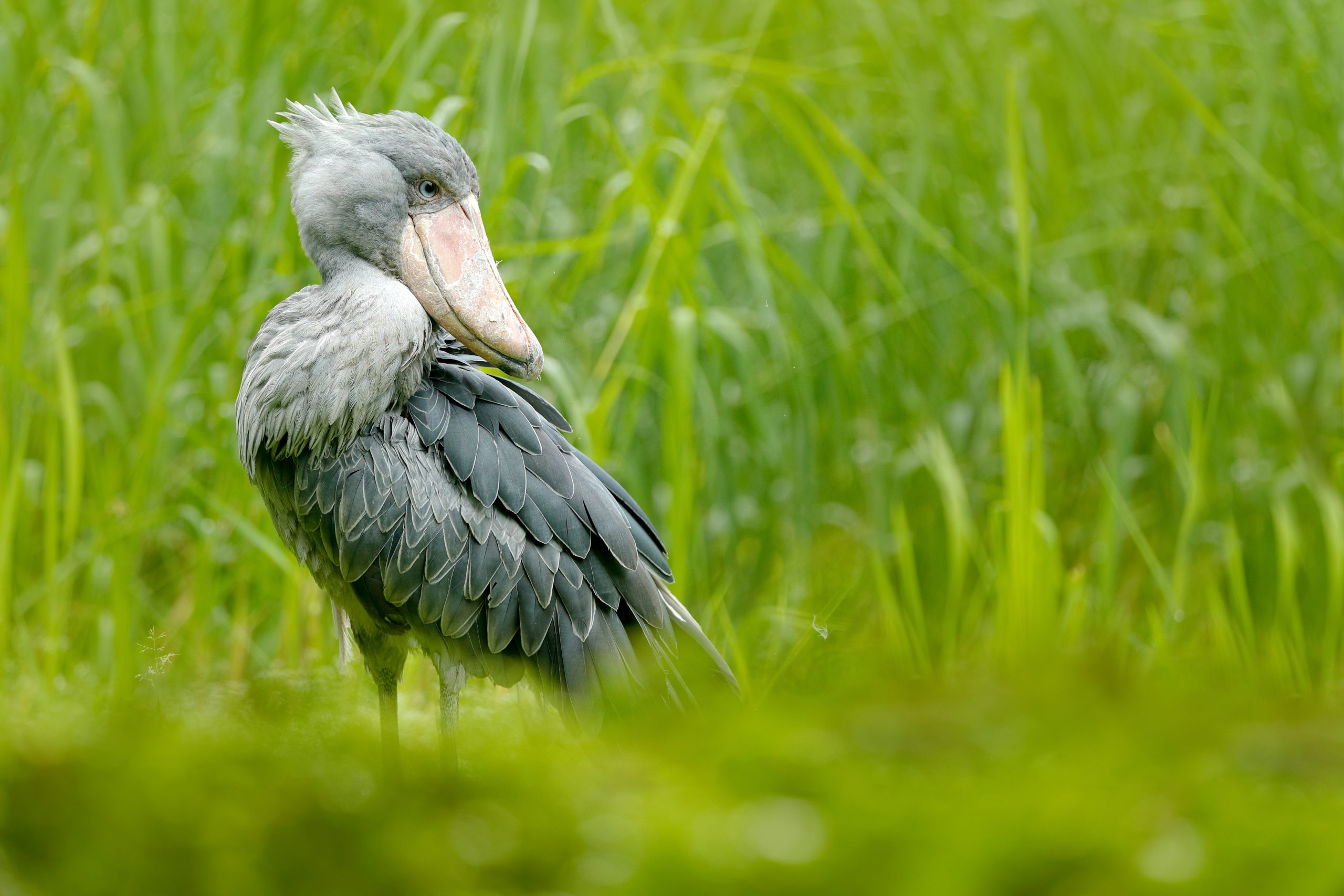
Exploring Mabamba Swamp: Uganda’s Birdwatching Paradise Nestled along the shores of Lake Victoria, Mabamba Swamp…
Uganda’s cultural Uniqueness
Uganda is called the “Pearl of Africa” due to its stunning natural beauty, immense biodiversity, and varied landscapes, a phrase popularized by Winston Churchill in his 1908 book My African Journey. Churchill was captivated by the country’s, vibrant life, fertile landscapes, and unique scenery that stood out from the rest of the continents.
Uganda, a landlocked country in East Africa, is home to a vibrant and diverse culture shaped by over 56 ethnic groups. With over 40 active languages spoken across the country, Uganda’s cultural landscape is a rich tapestry of traditions, customs, and beliefs.
The 56 Ethnic Groups of Uganda
Uganda’s ethnic groups are broadly categorized into four main linguistic groups;
Bantu, Nilotics, Central Sudanic, and Nile Hamites. The Bantu-speaking groups, which include the Baganda, Banyankole, and Basoga, are the largest, making up about 70% of the population. The Nilotic-speaking groups, such as the Acholi and Lates, account for around 20%, while the Central Sudanic and Kwe-speaking groups make up the remaining 10%.
Cultural Practices and Traditions
Uganda’s diverse culture is reflected in its many cultural practices and traditions for example;
The Baganda people of central Uganda are known for their traditional dance, the “Kiganda,” and their unique barkcloth-making skills.
The Karamojong people of northeastern Uganda are skilled cattle herders and are known for their vibrant traditional dress.
The Acholi people of northern Uganda are renowned for their traditional dance, the “Lwang Wal,” and their expertise in making traditional instruments.
The Ankole people from Western Uganda are known for their traditional dance known as Ekitaguriro and cattle rearing of traditional Ankole- Long horned Cows.
Festivals and Celebrations.
Uganda’s cultural diversity is also reflected in its many festivals and celebrations. Some notable examples include:
Imbalu Circumcision Ceremony by Bagisu in Eastern Uganda.
Held in even-numbered years in the Mbale around the foothills of Mount Elgon, this is a dramatic rite of passage where young men are initiated into adulthood through public circumcision. It is characterized by weeks of traditional dancing, chanting, and street processions
Empango Celebration by Bunyoro and Tooro Kingdoms
This annual event, often held in June (Bunyoro) or September (Tooro), commemorates the coronation anniversary of the king (Omukama) and it features royal regalia, traditional drumming, and cultural dances.
The king’s (Kabaka’s) Birthday Celebrations: Usually celebrated in April, this event honors the reigning King (Kabaka) of Buganda, Ronald Muwenda Mutebi II.
The celebration includes a popular “Kabaka’s Birthday Run” that draws thousands of participants for health and fitness, acting as a major social and cultural gathering in Kampala.
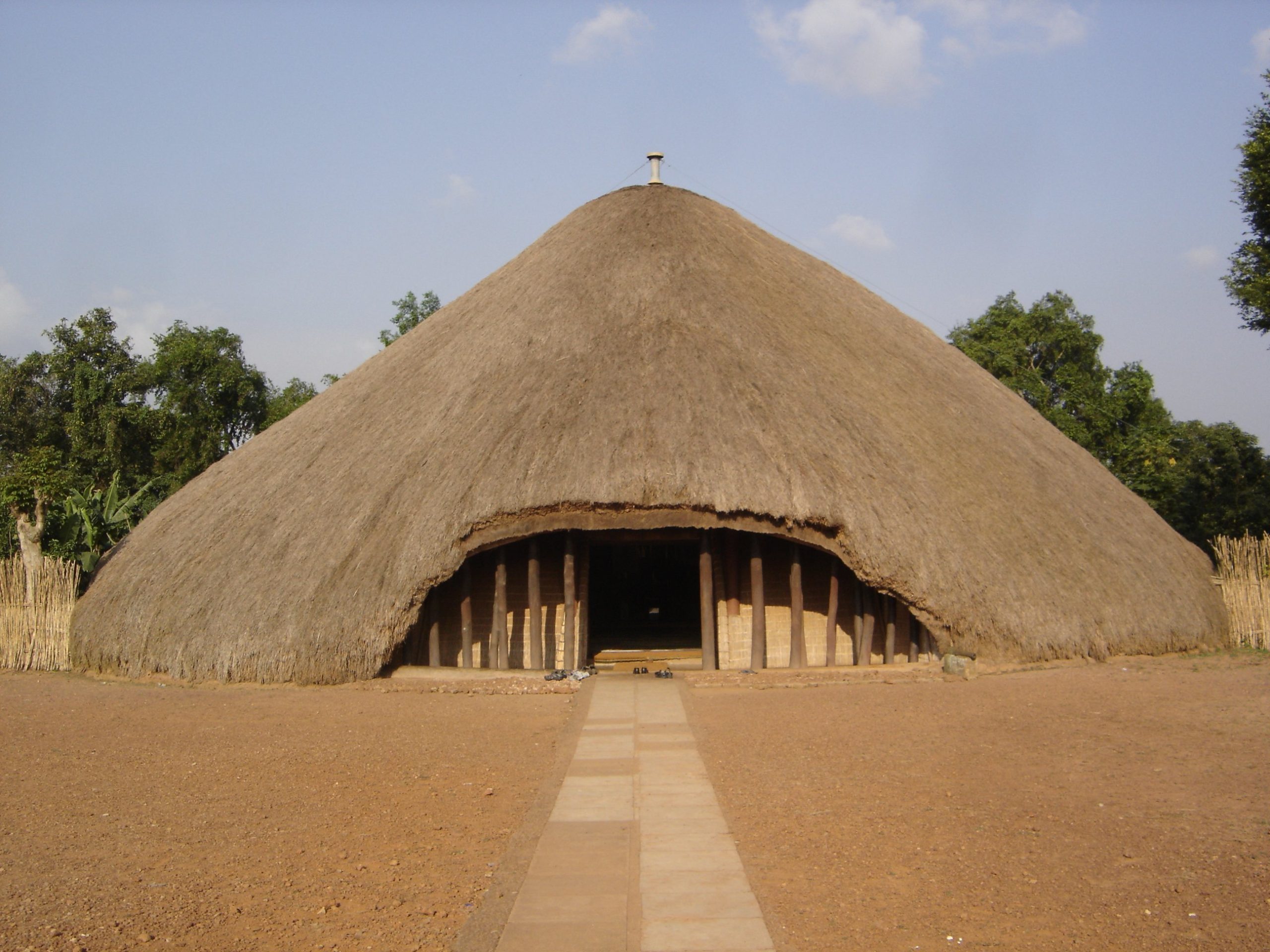
Ultimately, Uganda stands as a vibrant testament to the resilience of tradition in a rapidly changing world. By weaving together, the proud heritage of its Bantu kingdoms with the enduring spirit of its northern Nilotic communities, the “Pearl of Africa” creates a unique mosaic of over 56 distinct cultures. While modernization and urbanization continue to reshape its skyline, the soul of Uganda remains “alive in every village drumbeat.” Supported by dedicated efforts to preserve landmarks like the Kasubi Tombs and the collections within the Uganda Museum, this tapestry of indigenous languages, customs, and rhythms ensures that Uganda’s ancient roots will
Related Posts