If you’ve ever wanted to explore the misty rainforests of East Africa, you might have…
Travel to Uganda 2026 Safely – Complete Safari Safety Guide
Planning a Uganda Safari Tour in 2026? Get the latest local insights on safety, gorilla trekking security, health tips, and expert advice for a worry-free safari.
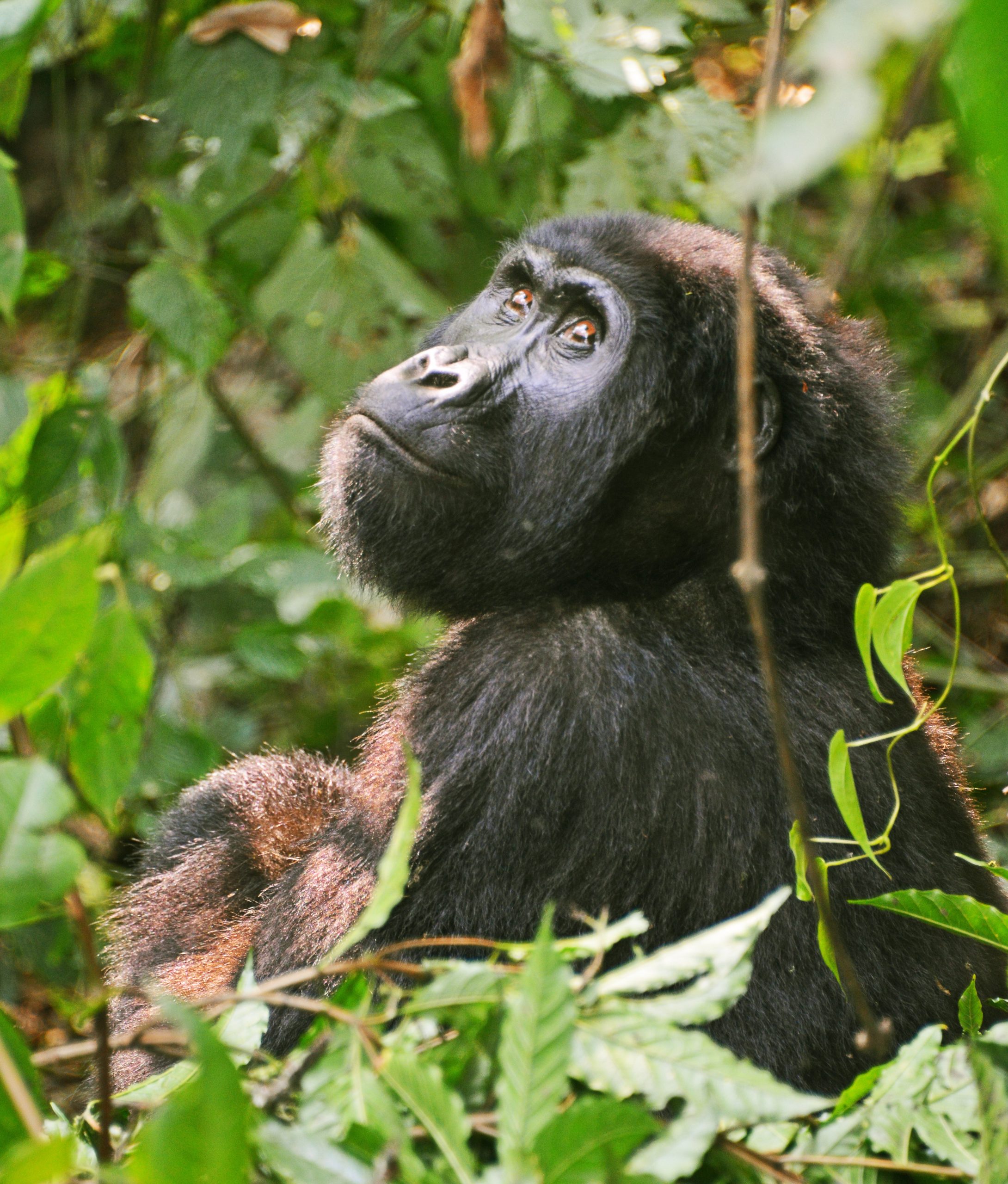
Imagine standing on a mist covered Nkuringo-Nteko ridge in the Bwindi Impenetrable Forest. The air is cool, smelling of damp earth and ancient ferns. Suddenly, your ranger motions for silence. A few meters away, a silverback gorilla, massive and majestic, sets out through the greenery with the marble eyes looking through to you. In that moment, the rest of the world disappears. There is no noise, no stress, just the beating of your heart and the gentle rustle of the leaves.
But before you reach that moment, a question likely sits at the back of your mind: “Is it safe to travel to Uganda in 2026?”
As someone who spends every day navigating these roads, talking to the rangers, and welcoming guests to our beautiful country, I can tell you the short answer is YES. Uganda remains a warm, welcoming, and secure destination for travelers.
However, like any travel destination, “safety” is not only about the absence of war, riots or natural disasters, but also about being prepared, staying informed, and traveling smart.
In this deep dive guide, we will investigate what it’s actually like on the ground in 2026, from the bustling streets of Kampala to the quiet reaches of the Nile in Murchison falls national park, and the stretches of the west through Kibale Forest, Queen Elizabeth national park down to Bwindi.
Uganda Current 2026 Climate
Every year, travelers look at headlines and wonder if the timing is right. In 2026, Uganda is enjoying a period of continued stability. While 2026 is an election year, a time that often brings questions about political demonstrations, the Uganda Tourism Board (UTB) and local authorities have made visitor safety a top priority.
To note; the Uganda elections ended in February and the security is top notch than ever before. However, this part is to show you what to expect in case your travel days fall within the election period of any of the East African countries; Kenya, Tanzania, Rwanda, Uganda.
Tourism during an Election Year
In East Africa, elections can sometimes lead to lively debates and gatherings in major cities like Kampala. However, the reality for a safari-goer is quite different.
Most of your journey takes place in the “safari circuit” thousands of square kilometers of protected national parks and rural landscapes far away from urban political hubs.
The government has historically gone to great lengths to ensure that tourism, a backbone of Uganda’s economy, is never disrupted. You can expect the following if you are planning to travel to Uganda during any election year;
- Increased security presence in key areas to ensure peace.
- Uninterrupted park operations; Bwindi, Queen Elizabeth, Kibale and Murchison Falls remain fully functional.
- A dedicated Tourism Police force, specifically trained to assist and protect international visitors.
Safari Safety
When travelers ask about the safety of Uganda, they not only want to know about politics but also about the wild, and wildlife. The new tourism trends like sustainability and ecofriendly travel activities, prompt the governing authorities in Uganda, to equally protect the wildlife as much as the political peace. The following have been initiated and enforced to promote the safety of Uganda as a tourism destination;
- Professional Guiding
In Uganda, you never go into a national park alone. Regardless of the safari activity, you are always guided by licensed and trained guides and park rangers deployed by the Uganda Wildlife Authority, (UWA). These men and women are the guardians of the forest. They understand animal behavior better than anyone. So your safety is a must when you choose Uganda Safari Holidays
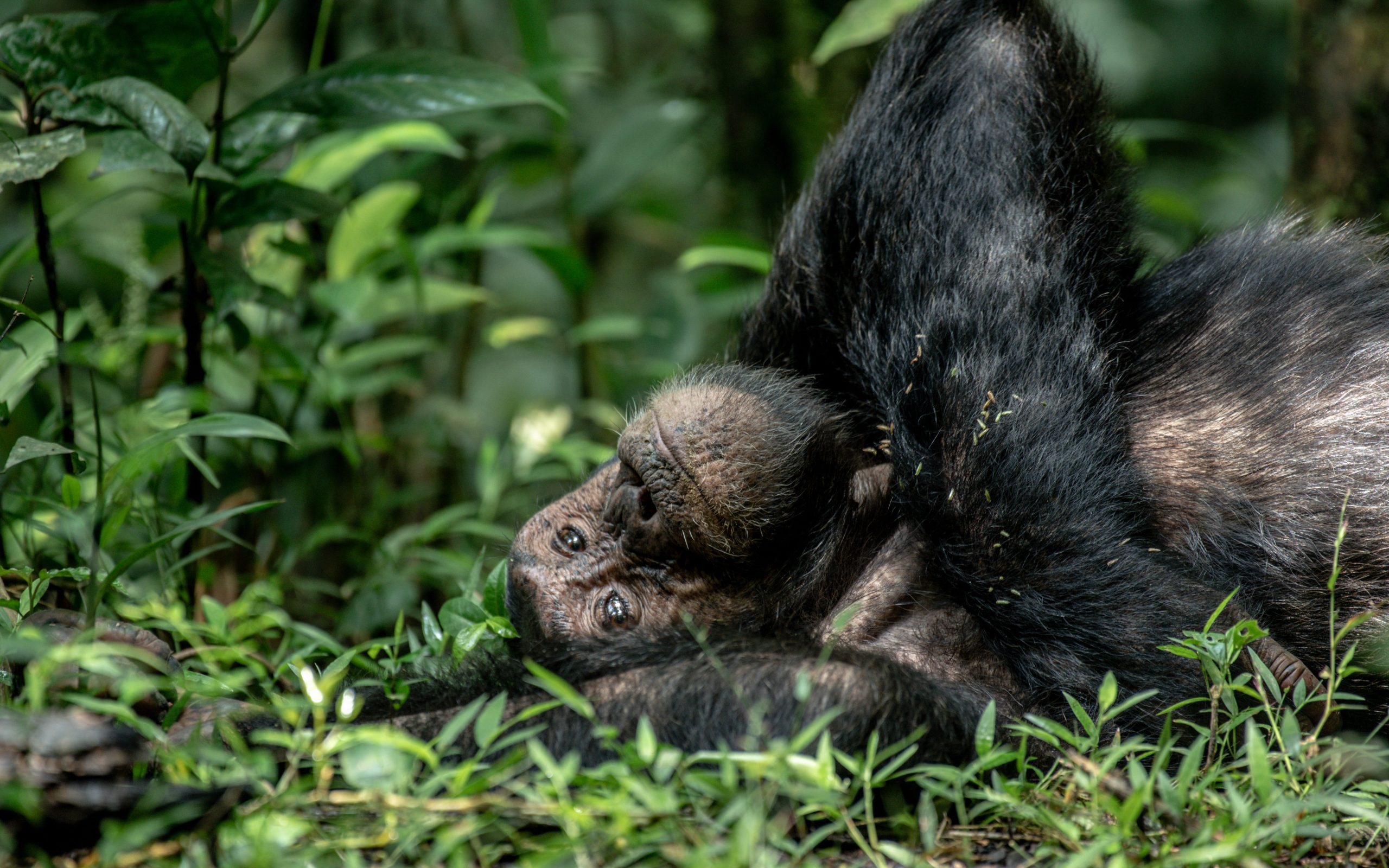
At Salt Holidays, we always tell our guests: The animal isn’t looking for a fight, and neither are we. By following simple rules, staying in the vehicle during game drives and keeping a 10-meter distance during your Uganda Gorilla Safaris you ensure a safe and respectful encounter with the Mountain Gorillas as well as the Chimpanzee
- Tourism Police
One thing that surprises many first-time visitors is the sight of the Tourism Police. These are specialized tourist defense units are stationed at park entries, hotels and lodges across the country, attraction spots and major trailheads in the safari circuits.
The presence of the tourist police is not a sign of danger, it’s a proactive measure to ensure that Uganda remains a sanctuary for both animals/ wildlife and humans/ tourists. I can safely say that the tourism police is there to ensure that your safari and travel activities in Uganda are as planned.
Is Gorilla Trekking Safe?
Gorilla trekking is the best sought after safari activity for many travelers to Africa. Because Bwindi Impenetrable National Park and Mgahinga Gorilla National Park sit near the borders of the DR Congo and Rwanda, travelers often ask about regional stability.
In 2026, the border regions in east Africa are monitored with precision. Uganda government together with the Uganda tourism entities have deployed a layered security approach involving the military, the police, and park rangers with a big number operating covertly
1. Armed Escort
There is deployment of armed escorts in the national parks to consolidate the visitor safety while in Uganda. When a traveler hears “armed escort,” the mind often jumps to security threats. In reality, these rangers are there primarily as wildlife specialists. Bwindi and Mgahinga are home to more mountain gorilla population than anywhere else in the world. Therefore the rangers are also part of the large conservation efforts towards the gorillas as well the chimpanzee in Uganda.
- The Protocol: during any safari such as Gorilla Trekking, or Chimpanzee Tracking, the lead ranger clears the path, while the rear ranger ensures no one left behind alone.
- The Weapon: the tourist police and the rangers in the national parks, carry weapons as it is a precautionary tool. In the rare event of a confrontation with a grumpy forest elephant, a “warning shot” into the air is the standard way to safely clear the path for the group.
2. 24/7 Tracking and ranger surveillance
The security measures in Bwindi impenetrable forest is the reason why Uganda has a nearly 100% success rate for gorilla sightings is this tracking system.
- The “Advance Team”: These forest trackers in Bwindi impenetrable forest, start at the dawn, heading to the spot where the gorillas slept the night before. They follow the “nests” and broken vegetation and fresh gorilla dung until they find the family.
- The Radio Link: The rangers/ trackers stay with the gorillas and radio that coordinates to your head guide. This is why your gorilla trekking guide knows exactly which direction to hike, saving you hours of aimless wandering in the “Impenetrable” forest like it was many years ago
3. The Porter
Many gorilla trekkers initially hesitate to hire a porter, worrying it might seem “lazy” or that they should tackle the mountain solo. However, in the local trekking culture of Bwindi and Mgahinga, hiring a porter is actually the most respected and impactful decision you can make. It is about ensuring your safety and transforming a challenging hike a world class experience that also impacts the local communities around the national parks. Below are the reasons why you need to hire a porter while trekking mountain gorillas in Mgahinga or Bwindi impenetrable national park.
- The terrain in Uganda’s Bwindi impenetrable national park is famously steep, and the volcanic soil can become incredibly slick after a morning mist. A porter acts as your expert stabilizer. The local porters in Bwindi or Mgahinga national park, know exactly which roots are firm and which rocks are loose. Having a help to carry your backpack or offer a hand to grab why moving on slippery and steep trails.
- Conservation in Action: This is the major reason why we encourage travelers to get a porter during gorilla trekking. Many porters are local residents, some are former poachers, who now rely entirely on tourism for their livelihoods. By paying the $20 fee, you are providing a direct economic incentive for the community to protect these forests. You are proving to the families living on the edge of the park that a living, breathing gorilla is far more valuable than a hunted one.
Insider Tip: Hiring a porter at the trailhead is the best “safety insurance” you can buy for $20. It lightens your load, secures your footing on the slippery slopes, and ensures your safari dollars go directly into the hands of the people who call this forest home. It’s a win-win that turns a rugged trek into a seamless adventure.
Health and Wellness
Safety on safari in Uganda also means; making sure you feel 100% on the inside so you don’t miss a single moment of the Uganda safari action. Nobody wants to swap a gorilla trek for a day in bed, so keeping your health in check is the ultimate pro-move.
Must have documents
To step foot in Uganda in 2026, the Yellow Fever vaccination certificate is your golden ticket. Note; to find more information about the Yellow Fever Vaccination, visit the online immigration website. If you forget it, you might find yourself getting a jab right there at the airport clinic. It’s much better to get it done at home at least ten days before you fly so you can start your holiday with a smile rather than a sore arm.
Malaria Uganda safari safety
Uganda is a high-risk malaria zone, but the good news is that malaria is entirely avoidable if you play it smart.
Chat with your doctor before you leave about anti-malarial tablets. There are different types, so find the one that suits you best. It’s a simple daily or weekly habit that provides a massive safety net.
Mosquitoes are most active when the sun is going down and coming up, the exact times you’ll be out for sundowners or early breakfasts. During these times, skip the shorts and flip-flops. Slip into some long trousers, a long-sleeved shirt, and give yourself a quick spritz of bug spray (anything with DEET works wonders).
At safari lodges, or city accommodation facilities, always remember to ask for a mosquito net when booking. Also you can include spraying your room for mosquitos every evening, if you are, cautious about.
Local foods and eateries
There is a lot of food outlets in the city centers and it’s important to be cautious that the food is served hot… To keep your digestive system happy, follow these three simple rules:
- Stick to the Bottle: Even if the tap water looks crystal clear, only use it for showering. For drinking and even brushing your teeth, use the bottled or filtered water your guide or lodge/hotel provides. However hotels and lodges might have distilled tap water, it’s important to take caution.
- Sanitize on the Go: Uganda is a very “hands-on” place, especially when you’re exploring vibrant local markets. Keep a small bottle of hand sanitizer in your pocket. A quick squirt before you grab a snack is the easiest way to stay healthy.
- Go for the Heat: When you’re choosing what to eat, “hot and steaming” is the way to go. Uganda’s local stews, like Luwombo (meat or chicken steamed in banana leaves), are slow-cooked for hours. Not only are they incredibly tender and delicious, but the high heat makes them some of the safest (and tastiest) meals you’ll ever have.
Navigating the Roads
If you sit down with someone who has traveled across Africa and ask what the most challenging part of the trip was, they will likely not mention lions or leopards. Instead, they will tell you about the lively and sometimes chaotic traffic in the heart of Kampala. Navigating our roads is an art form, and understanding how it works is key to a relaxed journey.
The Smooth Start and the Rural Adventure Your arrival in 2026 is much easier than it used to be thanks to the modern expressway connecting the airport in Entebbe to the main city. This stretch of road is world class and makes the beginning of your holiday feel effortless.
However, once you leave the urban centers and head toward the national parks, the main roads are free and easy to drive, if you keep caution of the crossing cattle herds and wild animals. These routes are incredibly beautiful, winding through tea plantations and thick forests, but they require a patient and experienced hand behind the wheel.
The Sunset Deadline One of the most important rules we follow is to never drive between different towns or parks once the sun goes down. This has nothing to do with security or crime. It is simply a practical safety measure.
At night, it is common to find wild animals wandering onto the road, cyclists without lights, or deep ruts caused by heavy tropical rains that are hard to see in the dark. By making sure we arrive at your lodge well before dusk, we trade a stressful nighttime drive for a cold drink and a view of the sunset over the undulating landscapes of the west.
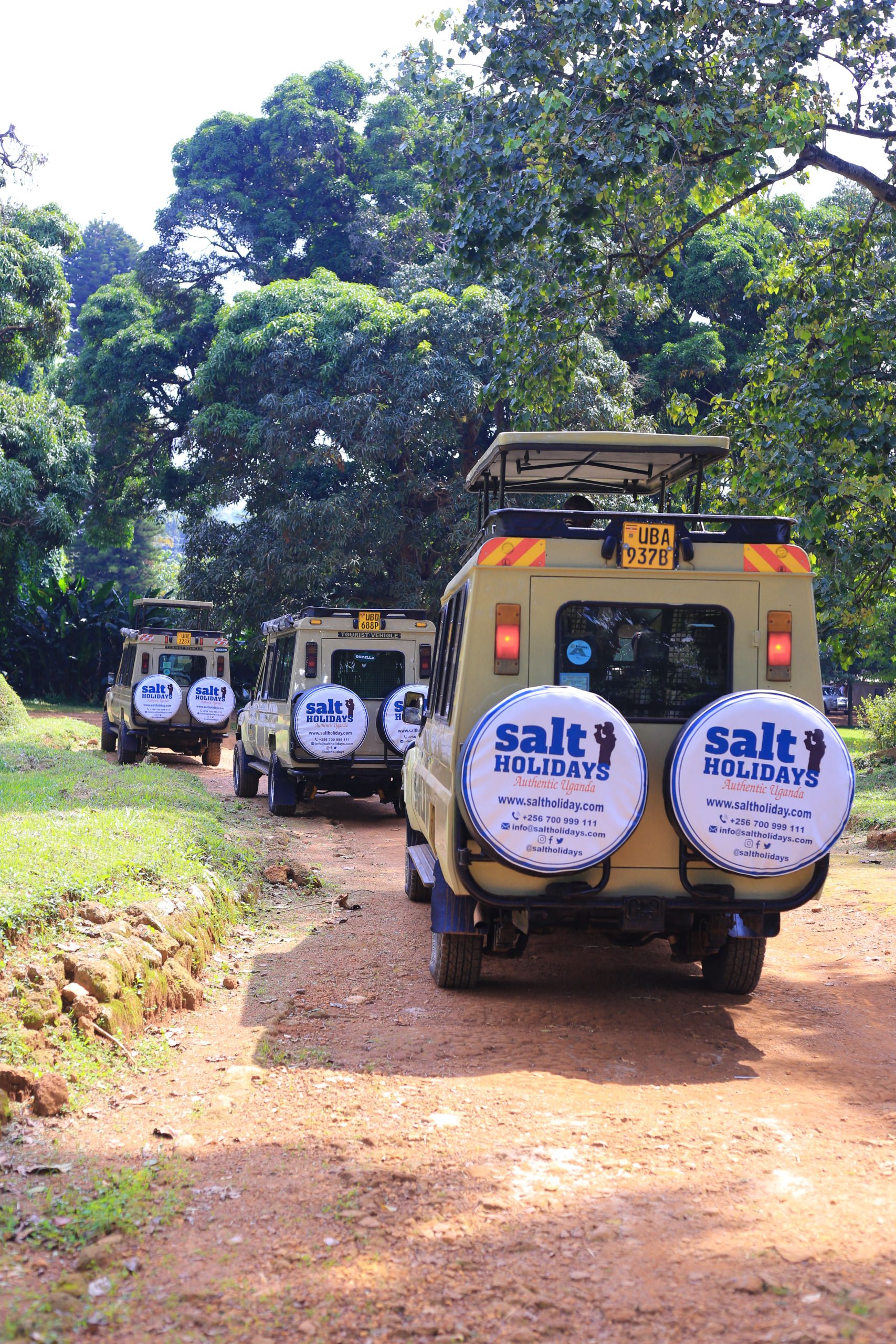
Why the Right Car Matters In the rugged terrain of places like the Bwindi forest, or Kidepo Valley National Park your vehicle is your most important piece of equipment. It is essential to use a four by four (4×4). Many tour operators in East Africa mainly use modified Toyota Land Cruiser or Land Rover as well as Nissan among others with specific features like a roof that pops up for better wildlife viewing.
The safari land cruisers or land rovers and Nissan are built with heavy duty suspension to handle the bumps and the mud. Having a sturdy, well maintained machine is a basic safety requirement that ensures you actually reach the gorillas without getting stuck in a ditch. Always check that your operator is equipped with the right safari vehicle, so you can focus on the scenery rather than the mechanical state of the safari jeep.
Safe Travel for Solo Female Travelers
Uganda is an incredibly welcoming destination for solo travelers, and it is a place where you rarely feel alone for long. Many visitors arrive in Uganda by themselves to begin their Uganda Safaris and end up leaving with a dozen new friends.
Whether you are sharing stories around a campfire in the wildlife parks or chatting with the Batwa Pygmies of Uganda, the spirit of hospitality is everywhere. As a solo female traveler, you will find that the local people are generally very protective and respectful of visitors.
Understanding Local Etiquette and Respect The people of Uganda are known for being conservative, soft-spoken, and exceptionally polite. While wearing shorts and tank tops is perfectly fine when you are deep in the bush on a Uganda Gorilla Safari or gorilla trekking through the forest, it is a good idea to dress a bit more modestly when you enter a town or a local community.
Simply covering your knees and shoulders goes a very long way in earning the respect of the elders and families you might meet. If you ever feel unsure of where you are or how to get to your next destination, do not hesitate to ask for help. Most people are at least English literate, and you will always find help when you ask.
Staying Secure after Sunset. Staying safe in urban centers like Kampala or Entebbe, you need to stay aware of your surroundings after dark. While the daytime is vibrant and easy to navigate, it is best to avoid walking alone in poorly lit or quiet areas once the sun goes down. Instead of walking, the safest and most reliable way to get around is to use a registered taxi or a ride-hailing service like Uber.
This ensures you can enjoy the famous Ugandan nightlife or a late dinner and return to your hotel or guest house with total peace of mind. By taking these simple precautions, your solo journey through the heart of Africa will be defined by incredible wildlife encounters and warm cultural memories.
Safari Dress code
You do not need to look like you are heading into a battle zone, but having the right clothing is essential for a comfortable and safe experience. In the wilder parts of the Uganda, your wardrobe is actually your first line of defense against the elements.
Choosing the right fabrics and colors ensures that you blend into the environment and stay protected from the smaller residents of the savanna.
Why Color Matters in the Wild When you are packing for a safari, think in earthy tones like khaki, olive green, or tan. These colors do more than just make you look the part; they help you stay cool and avoid drawing unwanted attention from insects.
It is especially important to avoid wearing bright blue or dark black when visiting areas like Murchison Falls or the northern plains. These specific shades are known to attract tsetse flies, which have a very sharp and painful bite that can quickly ruin a morning game drive or sunset cruise on the Nile River. Stick to neutral shades to ensure the only things following your vehicle or boat are the curious eyes of the local wildlife.
The Right Footwear for the Forest If your itinerary includes a trek into the thick forests of Uganda to see the mountain gorillas, or Chimpanzee tracking your choice of shoes is the most important decision you will make. The ground in places like Bwindi is steep, tangled with roots, and often very muddy after a tropical rain. Standard sneakers or gym shoes simply do not provide the grip or the ankle support you need to navigate the slopes safely.
You should invest in a sturdy pair of waterproof hiking boots that have been broken in before you arrive. Having firm support around your ankles will prevent slips and help you keep your balance as you move through the undergrowth to find the primates.
Staying Powered Up in Remote Areas While many of the beautiful lodges across the country use solar power to keep their impact on the environment low, this energy source can sometimes be a bit unpredictable during the rainy months.
To ensure you never run out of battery while you are trying to capture a photo of a lion or a rare bird, always carry a portable power bank in your day pack. This is a vital safety tool as well, ensuring your phone stays charged for navigation or emergencies. Keeping your devices powered means you can document every incredible moment of your Uganda Safari without worrying about finding a wall socket in the middle of the wilderness.
Frequently Asked Questions (FAQ)
- Is Uganda safe for LGBTQ+ travelers in 2026? Uganda is a socially conservative country with specific laws regarding relationships that travelers should be aware of. In our local culture, public displays of affection, are generally frowned upon. Tourist safari lodges and professional tour operators are very welcoming and focus entirely on providing you with an incredible experience in the wildlife parks.
- Can I use my credit card safely? In major hubs like Kampala and Entebbe, you can safely use your credit cards at large hotels, malls, safari lodges and high-end restaurants. However, once your safari vehicle leaves the city, cash becomes the most important tool in your pocket.
We always recommend carrying a mix of local Uganda Shillings and US Dollars printed after the year 2013. Having cash on hand is the only way to pay for small souvenirs, local snacks, or tips for the hard-working rangers who lead your treks.
- What is the best time to visit Uganda in 2026? The dry seasons, which run from June to Mid-September and again from December to February, are the most reliable times for Uganda Safari Tours. During these months, the trails in the forest are less slippery for those looking to see the mountain gorillas, and the wildlife tends to gather around the few remaining water holes. This makes it much easier to spot lions, elephants, and leopard in the short grass, ensuring your game drives are a massive success.
- Do I need travel insurance? Yes, having a comprehensive travel insurance policy is a mandatory part of a responsible safari plan. It is crucial to ensure your policy specifically covers “Medical Evacuation.” While there are excellent hospitals in the capital city, a remote forest is a long way from medical help.
Having insurance that covers a specialized ambulance or helicopter ensures that if anything goes wrong in the bush, you can be safely transported to a top-tier facility in record time.
- Are the locals friendly to tourists? The people of Uganda are consistently ranked among the most hospitable and warm-hearted in the world. “Karibu,” which means welcome, is a way of life here rather than just a greeting.
Whether you are waving at school children from your safari van or sharing a story with the staff at your lodge, you will find that the local people are genuinely happy to have you in their country and eager to share their culture with you.
Conclusion: The Adventure of a Lifetime Awaits
So, is it safe to travel to Uganda in 2026? The answer is clearly YES, while no journey in the world is completely without risk, this country has spent decades perfecting its tourism industry to make sure every guest feels protected and inspired.
At Salt Holidays, we create a journey where your safety is the foundation and the wildlife adventure is the reward. We are ready to show you exactly why this beautiful land is famously called the Pearl of Africa.
Ready to start your journey? Let’s sit down and chat about your 2026 Luxury Uganda Safari plans so we can find the perfect route for your next Uganda Safari Packages 2026
Related Posts