
Uganda is the choice if you have ever dreamed of standing a few feet away…
Gorilla Trekking FAQs in Uganda & Rwanda
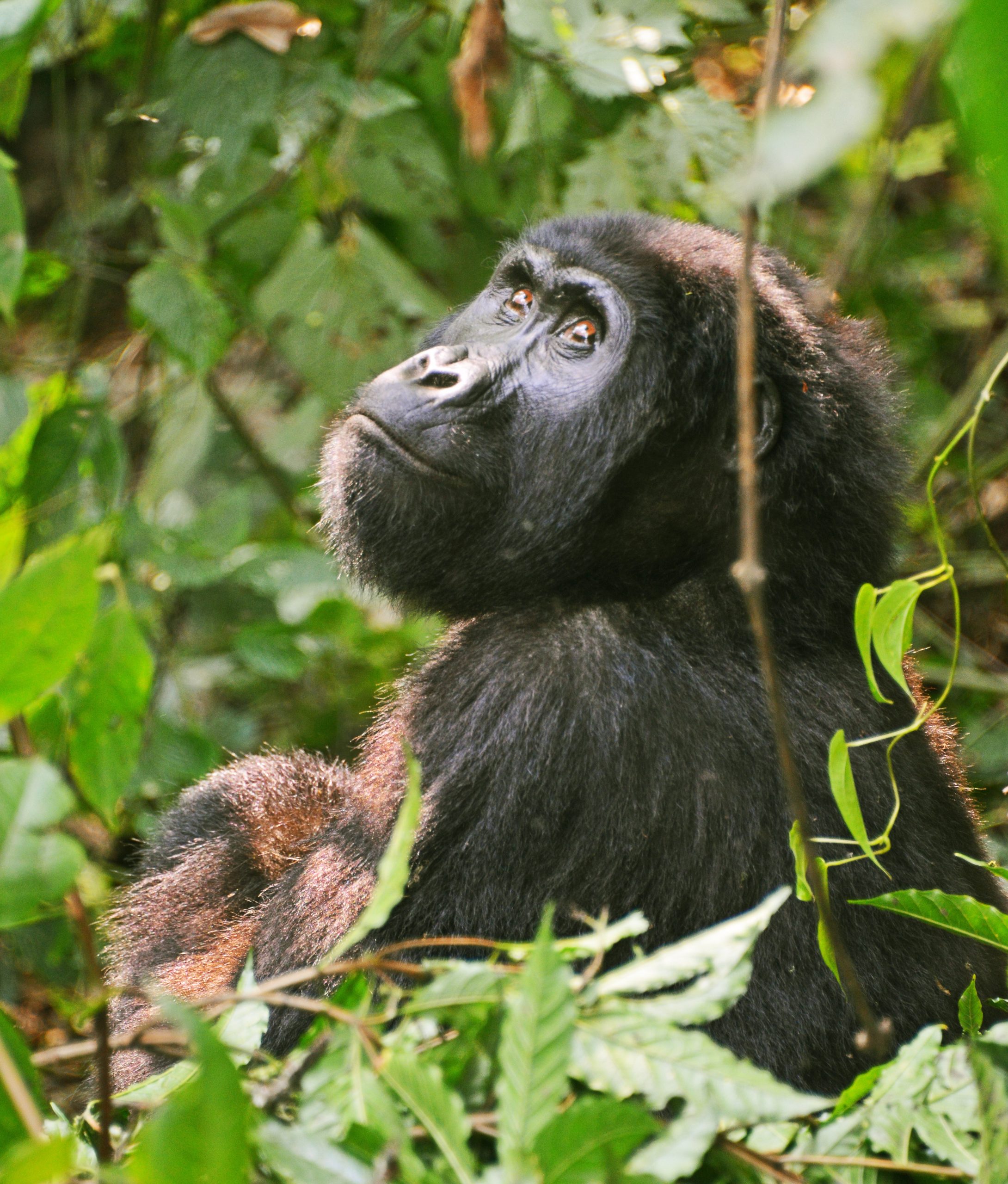
If you’ve ever wanted to explore the misty rainforests of East Africa, you might have questions about gorilla trekking. In this travel blog, I will answer some of the frequently asked questions about gorilla trekking in Uganda and Rwanda.
This blog is going to help you find practical tips, stories from travelers who have met these gentle giants, and a bit of local insight.
It doesn’t matter if this is your very first trip or if you are just stopping by to check on current gorilla permit prices and physical requirements; my goal is to keep everything clear, useful, and welcoming for you.
It is completely natural to have a few questions about primate safaris before you make the leap and book your trip. I have therefore put together a list of the most important frequently asked questions to help you prepare for trekking in the Virunga Mountains and Bwindi Impenetrable Forest.
Why Gorilla Trekking Is The Best African Safari Adventure
Let us start with what actually makes gorilla trekking such a special African safari adventure. This is so much more than just a long walk in the woods, Gorilla trekking is a rare, face to face wildlife encounter in the heart of some of the oldest tropical rain forests on our planet
Where The Mountain Gorillas Live
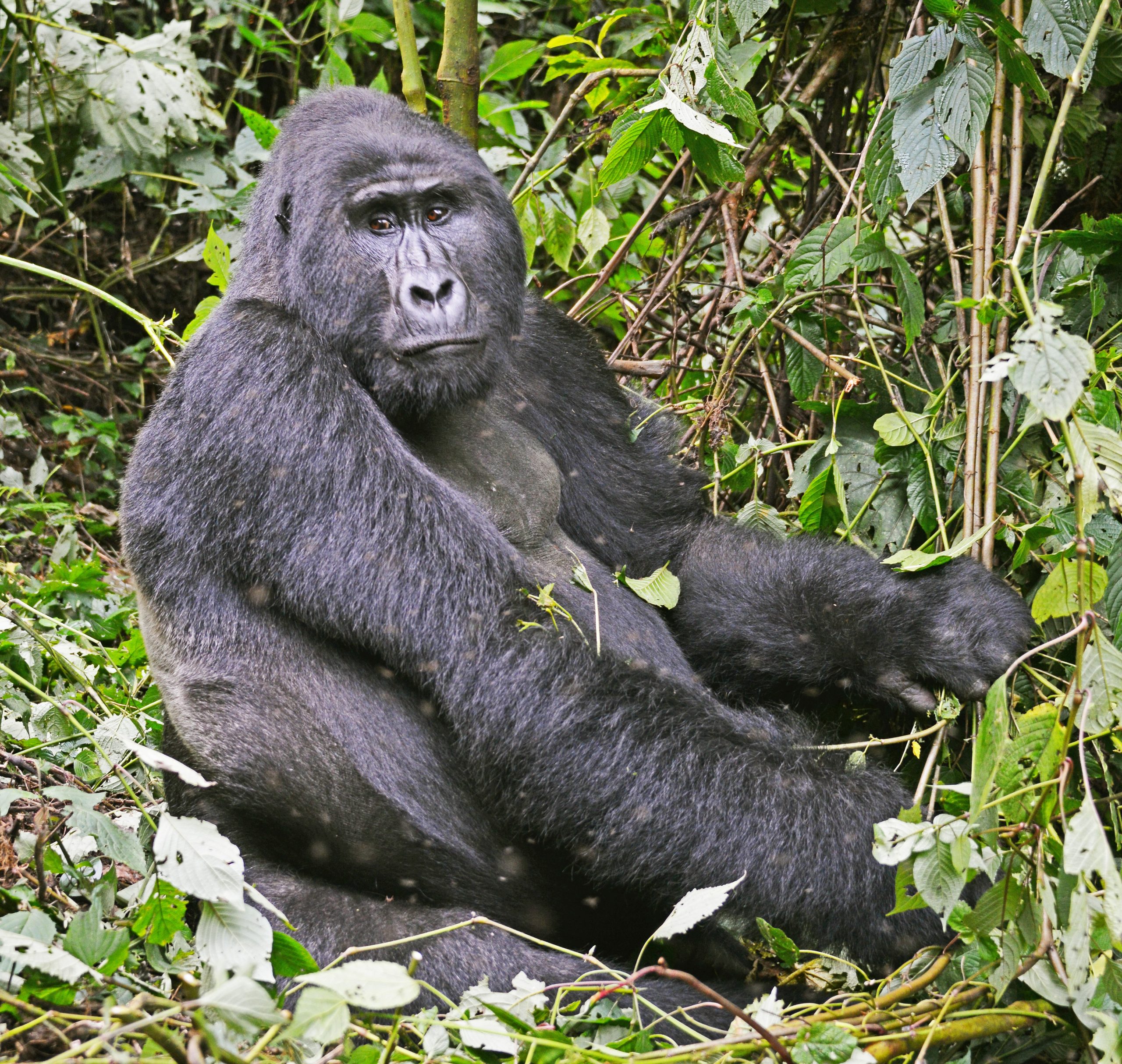
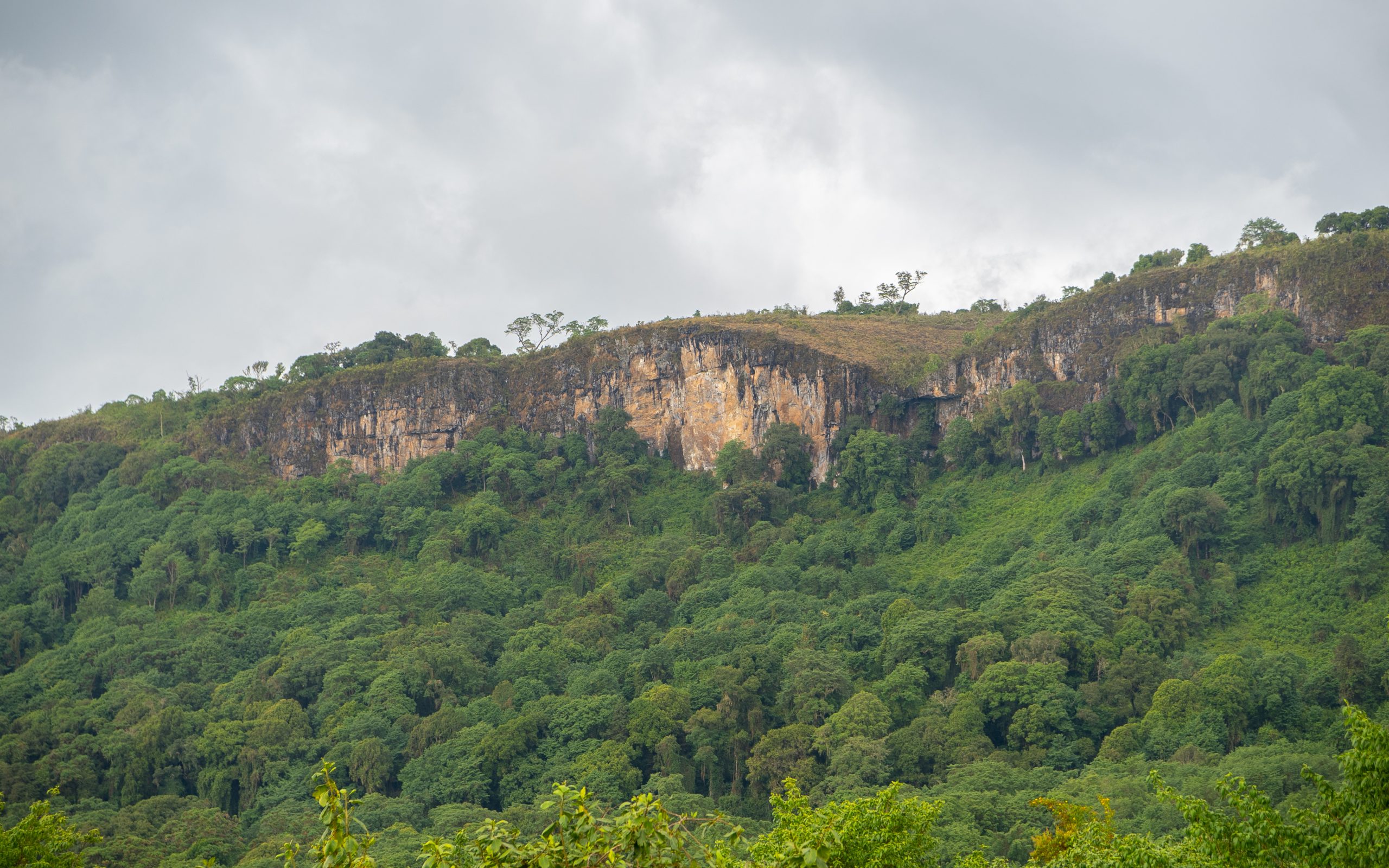
As someone who has spent years trekking these trails, I can tell you that standing in the presence of a mountain gorilla is the most humbling experience on earth. In Uganda, we have the legendary Bwindi Impenetrable National Park and Mgahinga Gorilla National Park, which are both incredibly healthy habitats. Across the border in Rwanda, Volcanoes National Park protects several famous family groups that travelers from all over the world come to see.
If you have the time, visiting both countries is the best way to truly understand these primates. You get to compare different ecosystems, meet the local cultures, and experience different trekking styles. Nothing compares to that heart stopping moment when a massive silverback or a playful young baby finally emerges from the thick leaves.
Gorilla Conservation Success Story In The Wild
The story of the mountain gorilla is one of the greatest wins in modern wildlife history. The conservation of mountain gorillas is made possible by the joined effort of the DMCs who fully understand the impact of community involvement into tourism.
Not long ago, these great apes were nearly extinct, but thanks to dedicated protection and the support of travelers like you, their numbers have climbed to over one thousand and sixty-three individuals in the wild.
Mountain gorillas are currently the only great ape species on our planet whose population is actually increasing, thanks to great conservation systems.
NB: Uganda is a home to the world’s largest population of mountain gorillas which makes it a guarantee for every trekker to encounter the magical mountain gorilla moment.
How Your Visit Saves the Gorillas in Uganda
Uganda has taken a leading role in making sure these primates have not just a home but a future as well, through sustainability initiatives.
When you buy a gorilla permit, you are funding a massive conservation machine. A significant portion of your permit fee goes directly back into the local communities living on the edge of the parks.
This money builds schools, health centers, access to clean water sources and better roads. By making the forest valuable to the local people, they have become the primary guardians of the gorillas.
In Bwindi, we use a human centered approach because we know the gorillas can only thrive if the people living next to them are also thriving. Because of this, poaching has dropped significantly, and the “Impenetrable” forest remains a safe haven for more than half of the world’s remaining mountain gorilla population.
This incredible success and the sheer excitement of the trek often lead to a lot of questions. That is why I have put together these Frequently Asked Questions about Gorilla Trekking in Uganda and Rwanda to help you prepare for your own journey into the mist.
How much do gorilla permits cost, and where do I buy them?
This is usually the first question people ask about seeing gorillas in East Africa. Prices are a bit different in each country. In Uganda, the Uganda Wildlife Authority (UWA) sells permits for Bwindi Impenetrable National Park and Mgahinga Gorilla National Park. Right now, a permit for foreign non-residents costs about $800. In Rwanda, the Rwanda Development Board (RDB) manages permits for Volcanoes National Park. These permits are more expensive, often around $1,500, but the park is closer to Kigali and offers a more comfortable experience. To avoid scams, always book directly with UWA or RDB, or use a licensed and trusted tour operator who can help with payments and other common concerns.
Choosing Between Uganda and Rwanda For Trekking? Here’s What You Need To Know.
When considering whether to go gorilla trekking in Uganda or Rwanda, it often comes down to personal preferences and what type of experience you’re looking for. Rwanda is a great option if you’re looking for convenience; you can easily fly into Kigali International Airport and reach Musanze town, which is close to Volcanoes National Park, in just about three hours. This makes it a fantastic choice for travelers who want a quicker route to the gorillas.
On the other hand, if you’re after a more adventurous, rugged safari experience, Uganda might be more appealing. After arriving in Entebbe, you have the opportunity to drive through beautifully diverse landscapes for about 8 or 9hours to reach the parks around Kabale or Kisoro. This journey also allows you to spend nights in scenic lodges overlooking places like the Ishasha River, enhancing the overall experience. Ultimately, both countries offer amazing opportunities for gorilla trekking with unforgettable encounters. You as well can book your flight into Kigali international airport and seamlessly drive across border for approximately 4hours to Mgahinga Gorilla National Park or drive to the southern sector of Bwindi Impenetrable National Park for about 5hours. Domestic airline companies like Aerolink Uganda operate a fleet of Cessna Grand Caravan planes between Entebbe to Kisoro Airstrip or Kihihi airstrip which are closer airstrips to Bwindi and Mgahinga.
How Fit Do I Need To Be To Trek Gorillas?
Many travelers have concerns when reviewing FAQs about gorilla safaris. The terrain in the Virunga Mountains can be challenging. In areas like Nkuringo and Rushaga within Bwindi, the slopes can be steep and muddy. While you don’t need to be an Olympic athlete, it’s important to be comfortable hiking for two to six hours.
I remember meeting a group of travelers near the Mubare gorilla family who hired local porters from the Bakiga community. These porters not only carry your back pack but also provide assistance on the slippery hills giving you a push or pull. Hiring a porter is a direct way to support the local community who are part of the conservation efforts while conserving your energy. This is a good tip often mentioned in recommendations for East Africa primate tours.
How many gorillas can I see, and how close can I get to them?
Most treks are designed with the well-being of the animals in mind. In both Uganda and Rwanda, friendly, trained rangers will guide you through your adventure and help supervise your encounters.
To ensure the gorillas feel safe, there’s a standard practice of keeping a distance of about seven meters (around 25 feet), along with time limits that respect their natural routines.
Once you find the gorilla family, you’ll usually have an hour to enjoy their company and observe them in their natural habitat.
A gorilla family or group is dynamic in nature due to natural factors like Birth and death, family fights that cause splits as well as their response to nature moving from one place to another in search of food and water. That said, an average gorilla family consists of between 6 to over 27 members. However, for up-to-date figures, please consult the Uganda Wildlife Authority (UWA) and or Rwanda Development Board (RDB)
What Is The Best Time of Year To Go?
Timing is essential when considering gorilla permits. The dry seasons, which run from June to mid-September and December to February, are generally preferred. During these months, the trails in Volcanoes National Park and Bwindi Impenetrable National Park are less muddy but are also the peak and high seasons with permits getting sold out. However, I personally enjoy the wet season of March through May and October through November, when the forests are lush, the birds are especially active, and there are less crowds and permits are often available even within a shorter period of 2-3months to your trekking date(s)
Just be prepared for rain near Mount Muhavura. Regardless of when you visit, the gorillas are present year-round, so any season is suitable for your mountain gorilla expedition.
Will I Get to See the Batwa People?
Cultural immersion is an essential element of primate safaris that many travelers seek. If you’re wondering, “Can I experience this?” the answer is a resounding yes!
The Batwa people, the indigenous forest dwellers who once coexisted with the gorillas, offer a unique glimpse into a rich heritage.
In Uganda, you can embark on a Batwa Trail experience right by Mgahinga Gorilla National Park. Similarly, Rwanda features cultural villages near Kinigi that are equally very captivating. These immersive experiences allow you to discover traditional hunting techniques and the use of medicinal plants, enriching your journey in ways that compliment gorilla trekking in Uganda and Rwanda.
What Should I Pack for the Gorilla Trek? My Essential Guide
Preparing your gear is the first step to a successful day in the forest. As someone who has climbed these ridges in both sunshine and torrential rain, I can tell you that the right clothing makes the difference between a miserable slog and the trip of a lifetime. The weather in Bwindi Impenetrable Forest and the Virunga Ranges is notoriously unpredictable, so you need to be ready for anything.
- The Golden Rule of Layering: You will likely start your trek in the cool, misty air of a Kisoro or Bwindi morning, but once you start climbing those steep ridges, you will heat up quickly. Wear moisture wicking base layers and bring a lightweight, breathable rain jacket. Trust me, it is called a rainforest for a reason, and a sudden downpour can happen at short notice even in the dry season.
- Trousers and Long Sleeves: Do not wear shorts. You will be trekking through thick undergrowth and “stinging nettles” that can really irritate your skin. Tucking your long trousers into your socks is a classic local trick to keep safari ants from climbing up your legs, while a bite from the safari ant may not be venomous, it can cause you to dance around the forest with no musical instrument.
- Footwear and Hands: Sturdy, waterproof hiking boots with good ankle support are a must because the trails can be slippery and uneven. I also highly recommend bringing a pair of tough gardening gloves. You will often find yourself grabbing onto branches or vines for balance, and those gloves will protect your hands from thorns and rough bark.
- The Day Pack: Bring a small, waterproof backpack. Fill it with at least two liters of water and some high energy snacks like nuts or dried fruit. Do not forget your sunscreen and a strong insect repellent.
- Capturing the Moment: For your camera, a telephoto lens is excellent for those intimate, dramatic shots of a silverback’s expression without getting too close. However, remember that flash photography is strictly forbidden as it can agitate the gorillas.
- Support the Local Economy: When you arrive at the briefing points in areas like Rubanda or Nkuringo, you will meet local men and women offering porter services. For about twenty dollars, they will carry your heavy backpack and even give you a hand up the steep sections. Hiring a porter is one of the best ways to directly support the local community, as many of them are former poachers who now earn a living protecting the forest.
Following these tips ensures you are comfortable and focused on the gorillas rather than your gear.
Are the Gorillas Dangerous? A Guide’s Perspective on Safety
One of the most common questions I get asked at the briefing point in Bwindi or Volcanoes National Park is whether these massive animals are dangerous. It is natural to feel a bit of nerves when you are about to walk into the living room of a four hundred pound Silverback. However, mountain gorillas are remarkably peaceful “gentle giants” that generally go about their day munching on bamboo and wild celery without paying much mind to visitors.
That being said, they are still wild animals, and they deserve our absolute respect. As your guide, I make sure we follow strict safety protocols to ensure that both you and the gorilla families remain safe and relaxed.
- The Power of the Silverback: The Silverback is the undisputed protector of his family. He is incredibly strong, but he is not looking for a fight. To keep him calm, we must always maintain a submissive and slow demeanor. If he beats his chest or makes a loud sound, it is usually just a “display” to show who is boss. My job is to teach you how to crouch down and look away to show him we are not a threat.
- The Rules of Engagement: We emphasize the necessity of staying calm at all times. This means no sudden movements and avoiding direct, prolonged eye contact, which gorillas can sometimes interpret as a challenge or an act of aggression. We also maintain a strict distance of at least ten meters (about thirty three feet) at times as close as seven meters from the group.
- Space is Respect: Sometimes, a curious young gorilla might try to get close to you. In these moments, we slowly back away to give the group ample space. We never touch the gorillas, as they are highly susceptible to human diseases like the common cold or even more serious respiratory infections but the gorilla may inevitably get close and even touch or push you, stay calm.
- Professional Protection: Rest assured that responsible trekking practices are the absolute norm in both Uganda and Rwanda. Every single trek is led by highly trained park rangers and local guides who spend every day with these specific gorilla families. They know the personality of every individual, from the cranky oldest female to the most playful infant.
By following our lead and respecting the forest rules, you will find that gorilla trekking is an incredibly safe and life changing experience. The rangers are there to protect you, but they are also there to protect the gorillas from us.
Health and Safety: Staying Strong on the Trail
When you are preparing for a trek in Bwindi or the Virunga Mountains, your health is the most important piece of gear you can bring. These forests are as demanding as they are beautiful, and as your guide, I want to make sure you are ready for the altitude and the environment.
- Medical Prep and Vaccinations: Before you fly into Entebbe or Kigali, a visit to your physician or a travel clinic is highly recommended. For anyone heading to Uganda and Rwanda, malaria prophylaxis is absolutely essential. While the high-altitude air of Mugahinga or Volcanoes National Park is cooler, mosquitoes are still present in some small breeding areas among other insects, so taking your tablets and using a strong repellent is the standard travel health precaution.
- The Physical Challenge: Gorilla trekking is not a walk in the park; it is a hike through the “Impenetrable” forest. You might spend two hours or six hours hacking through thick vines and climbing steep, muddy ridges. Being in good physical shape is crucial for an enjoyable experience. I always tell my trekkers to do some hill walking or stair climbing back home before they arrive. If you feel your fitness might be an issue, don’t worry, we can assign you to a “shorter” trek or a gorilla family that lives closer to the park boundary. However, there is no guarantee as the shorter trek can get longer and the longer shorter. Never the less, we make an effort through the park visitor information office prior to your trekking for a reasonably shorter trek allocation
- Protecting the Primates: We share about ninety-eight percent of our DNA with these great apes, which means they can catch our illnesses. If you have a cough, a cold, or an upset stomach on the day of the trek, please tell us. We have strict rules to protect the gorillas from human diseases, and in some cases, we may have to reschedule your trek to keep the family safe.
- Listen to Your Guide: Always adhere to your guides’ instructions. We move at the pace of the slowest person in the group, and we maintain a respectful distance of ten meters from the gorillas at all times. This isn’t just for your safety; it’s to keep the animals relaxed so they continue their natural behavior like grooming and playing.
- A Blend of Traditions: One of the most fascinating parts of trekking here is seeing how the local communities surrounding Bwindi and Volcanoes National Park They effectively blend ancient traditional healing practices, using herbs and roots from the forest edge, with modern health advice. Learning about these “forest pharmacies” from your local porters offers a rich perspective on the culture and truly enhances your entire gorilla trekking experience.
By taking these small steps to look after yourself and the environment, you ensure that your time in the mist is nothing but legendary.
What are The Community and Conservation Benefits?
Conservation is at the heart of gorilla trekking. In both Uganda and Rwanda, revenue from permits funds park protection, ranger salaries, and community projects. In Bwindi’s Buhoma and Ruhija communities, visit a local village to see crafts sold by residents who benefit from tourism.
In Rwanda’s Musanze area near Volcanoes National Park, you can meet local trackers who share insights into gorilla behavior and the forest’s history. For many travelers, experiencing the ecosystem and engaging with local communities is a highlight that aligns with the spirit of frequently asked questions about Gorilla Trekking in Uganda and Rwanda.
- Supporting the People of the Forest: One of the best parts of the experience is seeing where your money actually goes. In Uganda, specifically in the Buhoma and Ruhija communities of Bwindi, I always encourage my trekkers to take a walk through the local villages. You will see incredible crafts, wood carvings, and woven baskets sold by residents who directly benefit from tourism. When a former poacher can earn a living by selling a handmade souvenir or carrying a trekker’s bag, the forest becomes a resource worth protecting.
- The Wisdom of the Trackers: Over in Rwanda’s Musanze area, right on the doorstep of Volcanoes National Park, you have the chance to meet the local trackers. These men and women are the true experts. They spend more time with the gorilla families than they do with their own human families! Sitting down with them to hear insights into gorilla behavior or the long, sometimes difficult history of the forest is a highlight for many. They can tell you the exact personality of a silverback just by the way he grunts.
- A Shared Responsibility: For almost every traveler I lead, engaging with the local community is just as moving as seeing the gorillas themselves. It aligns perfectly with the spirit of why we do this. We are partners in a global effort to save an ecosystem.
What will the Encounters look like for Families or First‑Timers?
Trekkers come from all walks of life, including families with children who meet the eligibility requirements for gorilla permits specifically, travelers must be at least 15 years old to trek in both Uganda’s Bwindi Impenetrable National Park and Rwanda’s Volcanoes National Park.
The guides tailor treks to energy levels, and many groups split into more manageable sizes to ensure a meaningful and safe experience. People often share that the moment a gorilla looks into your eyes is unforgettable, turning the journey into a story they tell at dinner in Mbarara, Kigali, or their hotel in Gisenyi.
Practical tips to make the most of frequently asked questions about Gorilla Trekking in Uganda and Rwanda
- Hire a conservation-focused operator: Choose a reputable partner who coordinates permits and transfers while directing profits toward local community development.
- Enrich your itinerary: Add chimpanzee tracking in Uganda’s Kibale or Rwanda’s Nyungwe forest national park, or try Golden Monkey treks in Volcanoes National Park or Mgahinga Gorilla National Park where gold meets silver
- Respect local customs: A warm greeting and polite demeanor in Uganda’s villages or Rwanda’s towns build positive connections with residents and guides.
- Embrace the slower pace: The forest invites reflection; observing a gorilla family’s routine deepens your connection to the experience.
To wrap things up, if you are looking for a travel experience that perfectly blends wild nature, deep culture, and a real personal connection, choosing a gorilla trek in Uganda or Rwanda is a powerful decision.
The most beautiful part of these journeys is that every traveler experiences them differently. Whether you are starting your adventure in Mbarara, Kigali, or Gisenyi, you will find that the local traditions, the careful stewardship of the land, and those quiet, shared moments with the gorillas become a story you will carry with you for the rest of your life.
It is a chance to see a conservation miracle in action while walking through some of the most stunning landscapes on earth.
Related Posts

.jpg)