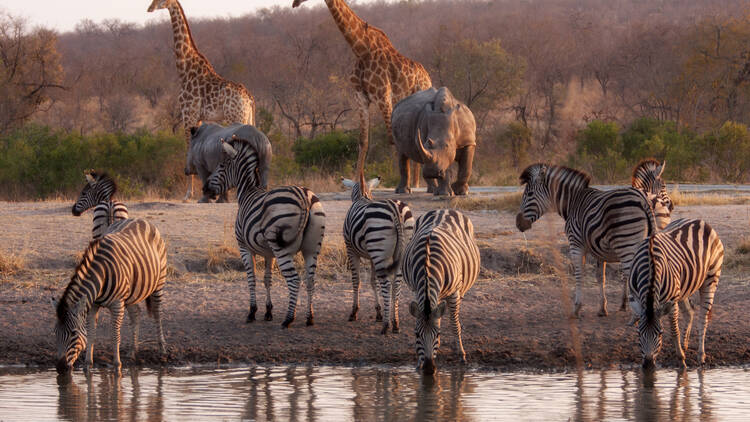
Serengeti National Park Vs Kruger National Park Serengeti National Park Vs Kruger National Park are the…
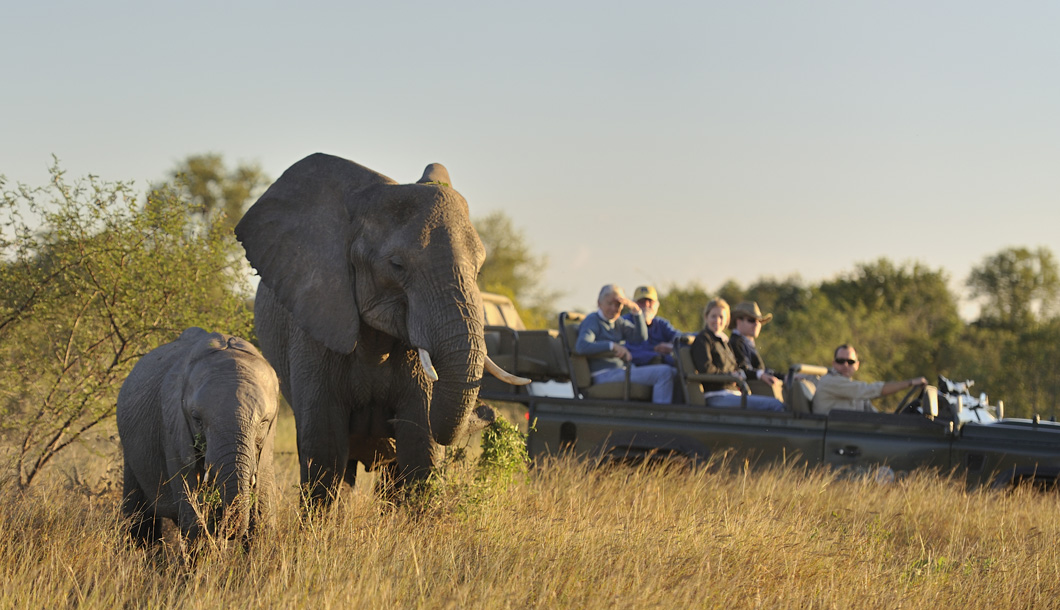
East Africa Safari vs Southern Africa Safari
East Africa Safari vs Southern Africa Safari : Which Is More Budget-Friendly?
East Africa Safari vs Southern Africa Safari ; First-time safari travellers researching options quickly discover Africa’s two dominant safari regions, East Africa (Kenya, Tanzania, Uganda, Rwanda) and Southern Africa (South Africa, Botswana, Namibia, Zimbabwe), and both regions market themselves heavily, making it difficult to get a clear, honest budget comparison between them.
The reality is that both regions offer budget-accessible and premium-tier options, but the specific cost structure, park fee levels, typical accommodation pricing, and the strength of the budget-tier market, differs enough that one region does generally offer a more accessible entry point for cost-conscious travellers.
This guide compares East Africa and Southern Africa safaris directly on cost, covering park fees, accommodation ranges, flight logistics and the overall budget-tier market strength in each region, to help travellers understand which offers better value for a budget-conscious first safari.
The Short Answer, and Why It’s More Nuanced Than It Sounds
East Africa generally offers a more accessible budget entry point than Southern Africa, primarily because Kenya and Tanzania have a genuinely well-developed budget group tour and camping safari market that Southern Africa’s equivalent destinations, particularly Botswana and the premium end of South Africa’s private reserve sector, don’t match at the same price point.
That said, South Africa’s self-drive national parks, Kruger chief among them, offer a genuinely different and very budget-accessible model that changes this comparison considerably for travellers willing to self-drive.
The honest answer is that the cheapest possible safari experience exists in both regions, but through different mechanisms: East Africa’s budget group tours and camping safaris versus Southern Africa’s (specifically South Africa’s) self-drive national park model. Which is genuinely cheaper for you depends on which of these two budget mechanisms suits your travel style.
Comparing the Actual Cost Structures
East Africa’s budget accessibility comes primarily from its established camping-based group tour market, particularly strong in Kenya and Tanzania, where shared vehicles and simple camping accommodation bring the daily cost of a genuine wildlife safari down to a level that’s genuinely competitive with budget travel generally, not just budget safari travel specifically. This market is less developed in Southern Africa outside a handful of specific operators.
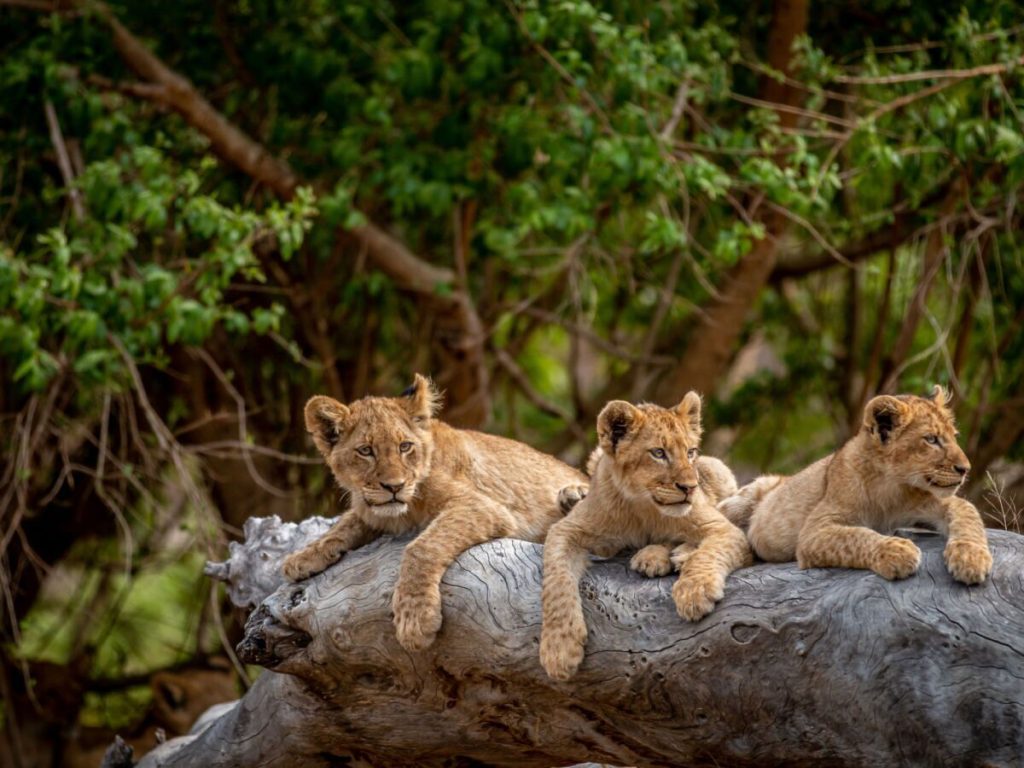
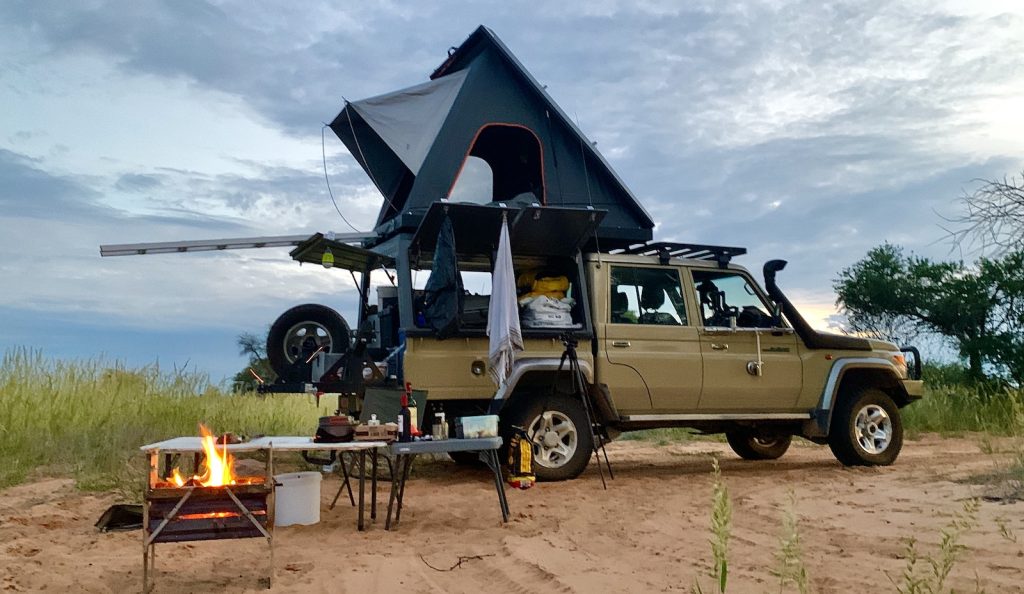
Southern Africa’s specific budget advantage is South Africa’s Kruger National Park and its surrounding provincial reserves, which permit self-drive access on well-maintained, paved and gravel roads within a proper sedan or standard rental car, no 4×4 required in most areas, combined with an extensive network of affordable, government-run rest camps offering both camping and simple chalet accommodation. This self-drive model doesn’t have a direct equivalent in East Africa, where most major parks require a guided vehicle and don’t have the same government-run affordable accommodation network within the parks themselves.
Beyond these two specific budget mechanisms, general accommodation and safari costs in both regions span a similar range from budget to ultra-luxury, and premium experiences in either region, private conservancies in Kenya, exclusive private reserves in South Africa or Botswana, command broadly comparable premium pricing.
East Africa vs Southern Africa: Budget Mechanisms Compared
Here is a direct comparison of how each region achieves budget accessibility.
| Factor | East Africa | Southern Africa |
| Primary budget mechanism | Camping-based group tours with shared vehicles | Self-drive access to Kruger and provincial reserves |
| Self-drive accessibility | Limited; most major parks require a guided vehicle | Extensive in South Africa; Kruger is fully self-drive friendly |
| Government-run affordable accommodation | Limited within major parks | Extensive; SANParks rest camps offer strong value |
| Gorilla/chimp trekking availability | Yes, in Rwanda and Uganda | Not available in this region |
| Premium tier cost comparability | Broadly comparable to Southern Africa’s premium tier | Broadly comparable to East Africa’s premium tier |
Country-by-Country Budget Considerations
Within each region, specific countries offer meaningfully different budget profiles worth understanding individually.
Kenya and Tanzania (East Africa)
The strongest budget-tier markets in East Africa, given well-established camping safari operators running frequent scheduled departures from Nairobi and Arusha specifically, making this the most accessible entry point for cost-conscious travellers in the region.
Rwanda and Uganda (East Africa)
Considerably more budget-constrained given the fixed, premium cost of gorilla trekking permits, particularly in Rwanda, though Uganda’s savannah parks and lower gorilla permit cost offer somewhat more accessible options within this specific sub-region.
South Africa (Southern Africa)
By far the most budget-accessible Southern African destination, given Kruger National Park’s self-drive model and extensive government-run rest camp network, making it genuinely comparable to or cheaper than East Africa’s budget tier for confident self-drivers.
Botswana and Namibia (Southern Africa)
Generally positioned at a considerably higher price point than either East Africa’s budget tier or South Africa’s self-drive model, given both countries’ deliberate low-volume, high-value tourism positioning, particularly pronounced in Botswana.
How Season Affects the Budget Comparison
Both regions follow their own distinct seasonal patterns, and season affects the budget comparison somewhat independently in each.
| Region | Lowest-Cost Season | Highest-Cost Season |
| East Africa | Long rains (March-May) | Long dry/migration season (June-October) |
| South Africa (Kruger self-drive) | Less seasonally variable given self-drive flexibility | South African school holidays (December-January) |
| Botswana/Namibia | Wet season (November-March), though wildlife viewing is more dispersed | Dry season (May-October) |
Realistic Cost Expectations by Approach
Understanding realistic costs for the most budget-accessible approach in each region helps make a genuine comparison.
East Africa budget group tour — Genuinely accessible, all-inclusive guided experience
Camping-based group safaris in Kenya or Tanzania represent one of the most cost-effective ways to experience genuine Big Five wildlife viewing with a guide included.
South Africa self-drive (Kruger) — Potentially the cheapest overall option for confident self-drivers
A rental car, fuel, and SANParks rest camp accommodation can bring the daily cost of a genuine Big Five safari down considerably below most guided options in either region.
Premium tier in either region — Broadly comparable between East and Southern Africa
At the luxury end, private conservancies in Kenya and private reserves in South Africa or Botswana command similar premium pricing, making region largely irrelevant to cost at this tier.
Accommodation Cost Comparison
Government-run and self-drive-friendly accommodation gives Southern Africa, specifically South Africa, a genuine budget edge in this specific category.
| Accommodation Type | East Africa | Southern Africa |
| Government/public campsites | Available but less extensively developed | SANParks rest camps offer extensive, well-maintained options |
| Budget guided camps | Well-established, especially Kenya/Tanzania | Less common; self-drive is the dominant budget model instead |
| Mid-range lodges | Broadly comparable pricing to Southern Africa | Broadly comparable pricing to East Africa |
| Luxury/premium lodges | Broadly comparable pricing to Southern Africa | Broadly comparable pricing to East Africa |
Activity Availability and Cost by Region
Some specific activities are only available in one region, which affects the overall budget comparison for travellers with particular priorities.
Gorilla and Chimpanzee Trekking (East Africa Only)
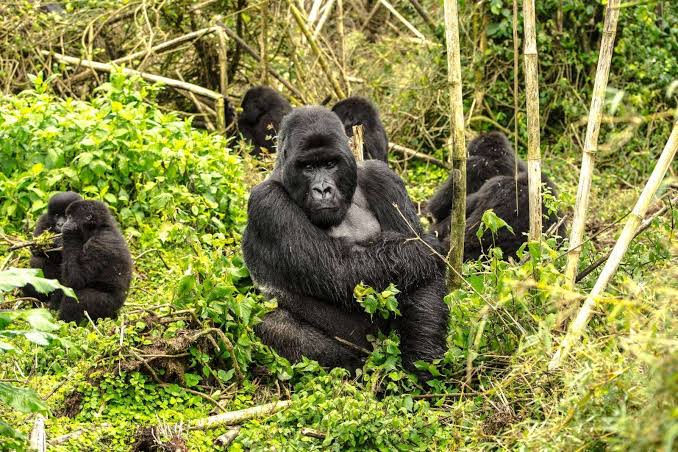
This experience, available only in Rwanda, Uganda and the DRC, doesn’t exist in Southern Africa at all, meaning travellers specifically wanting this must accept East Africa’s associated costs regardless of the broader regional budget comparison.
Self-Drive Big Five Viewing (Southern Africa’s Specific Strength)
South Africa’s Kruger National Park offers a self-drive Big Five experience that East Africa’s major parks generally don’t replicate at the same accessibility level, since most East African parks require a guided vehicle.
Walking Safaris
Both regions offer strong walking safari cultures, Tanzania’s Ruaha and Nyerere, and South Africa’s private reserves and some provincial parks, at broadly comparable cost for this specific activity.
| Activity | Availability | Regional Cost Implication |
| Gorilla/chimp trekking | East Africa only | A fixed cost travellers must accept if this is a priority |
| Self-drive Big Five viewing | Southern Africa (South Africa specifically) | A genuine budget advantage unique to this region |
| Walking safaris | Both regions | Broadly comparable cost in either region |
Choosing Based on Your Specific Budget Approach
If you want an all-inclusive, guided budget experience without self-driving, East Africa’s established camping group tour market in Kenya and Tanzania generally offers better accessibility and more frequent scheduled departures than Southern Africa’s equivalent guided budget market.
If you’re a confident driver comfortable navigating your own route, South Africa’s Kruger National Park and its self-drive model likely represents the single most cost-effective genuine Big Five safari available in either region.
It’s also worth factoring in international flight cost and duration, since this can meaningfully shift the total trip budget depending on where you’re travelling from. Travellers based in Europe often find East Africa marginally more convenient and sometimes cheaper to reach given shorter flight times to Nairobi or Kilimanjaro compared with Johannesburg or Cape Town. Travellers based in North America may find the reverse true, given more extensive direct flight options to South Africa from the United States than to East Africa. This isn’t a reason to choose one region over the other on safari merits alone, but it’s a real cost variable that deserves a quick check against current airline routes before finalising a budget comparison based purely on ground costs.
Recommendations by Traveller Type
Here is a direct guide to which region better suits specific budget-conscious traveller profiles.
| Traveller Type | Recommended Region/Approach | Why |
| Wants a guided, all-inclusive budget experience | East Africa (Kenya/Tanzania group tours) | The strongest established budget guided tour market |
| Confident self-driver prioritising lowest possible cost | Southern Africa (South Africa, Kruger self-drive) | The single most cost-effective self-drive Big Five model available |
| Wants gorilla trekking specifically | East Africa (Rwanda/Uganda) | Not available anywhere in Southern Africa |
| Budget-flexible, prioritising overall experience quality | Either region; choice becomes about experience type rather than cost | Premium tiers are broadly comparable between regions |
Frequently Asked Questions
Is East Africa or Southern Africa cheaper for a safari?
East Africa generally offers a more accessible guided budget tier through its established camping group tour market, while Southern Africa’s specific budget advantage lies in South Africa’s self-drive Kruger National Park model. Which is genuinely cheaper depends on which mechanism suits your travel style.
Can I self-drive a safari in East Africa the way I can in South Africa’s Kruger?
To a limited degree in Kenya specifically, but most major East African parks, and certainly Tanzania’s Serengeti and Rwanda/Uganda’s gorilla trekking, require a guided vehicle, unlike Kruger’s fully self-drive-friendly model.
Is gorilla trekking available in Southern Africa?
No, mountain gorilla trekking is only available in Rwanda, Uganda and the Democratic Republic of Congo, all in East/Central Africa, with no equivalent experience in Southern Africa.
Which region has better budget accommodation within the parks themselves?
South Africa’s SANParks rest camp network offers particularly strong, well-maintained budget accommodation within Kruger itself, an advantage that East Africa’s major parks generally don’t match to the same extent.
Does flight cost from my home country affect which region is cheaper overall?
Yes, potentially significantly. International flight cost and duration vary by departure point, and travellers should check current routes to Nairobi/Kilimanjaro versus Johannesburg/Cape Town before assuming ground-cost comparisons alone determine the cheaper overall trip.
Related Posts