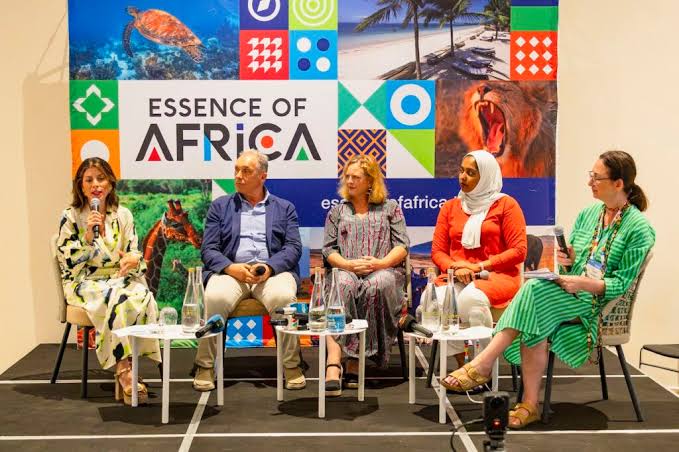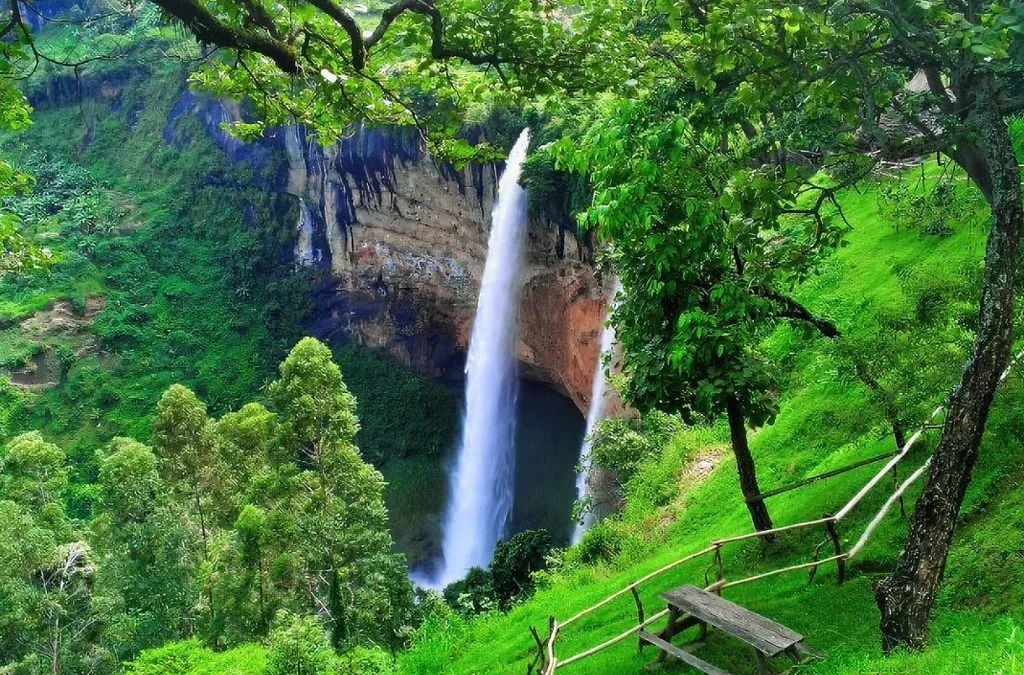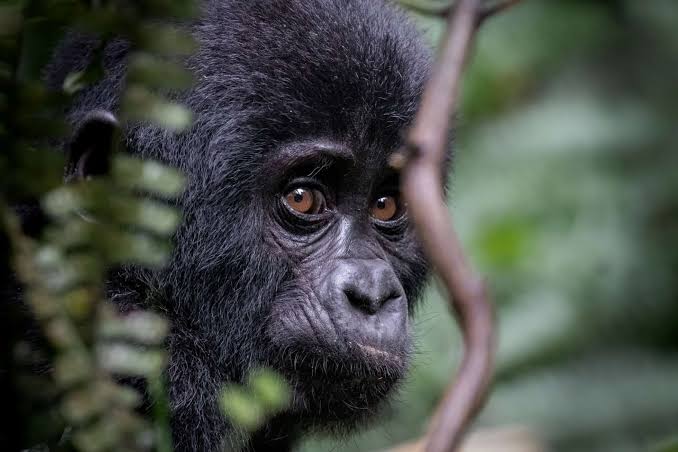
Essence of Africa 2026 in Zanzibar Essence of Africa is a trade forum, which means…
10 Most Dangerous Animals in Africa
10 Most Dangerous Animals in Africa
10 Most Dangerous Animals in Africa; Africa is home to some of the most magnificent wildlife on the planet, and part of the thrill of a safari is knowing that the animals you are watching are truly wild and truly powerful.
What surprises many first-time safari-goers is that the most dangerous animals in Africa are often not the ones they expect. The big cats and the great predators certainly feature, but some of the continent’s biggest killers are far smaller and more unassuming, from a tiny buzzing insect to a seemingly placid river-dweller. Danger in the African bush is measured not by ferocity of reputation but by the real risk an animal poses, and that risk comes in many forms, from sheer power and territorial aggression to venom and disease. The wild demands respect in all its shapes and sizes.
This guide counts down ten of the most dangerous animals in Africa, exploring what makes each one so formidable, how it behaves, and why it earns its place on the list. It is written not to frighten but to inform, because understanding these animals is the key to admiring them safely.
On a well-guided safari, with experienced rangers and sensible precautions, encounters with these creatures are overwhelmingly safe and unforgettable, and knowing their nature only makes the experience richer. Here are the animals that rule Africa’s wild places, and that every traveler should respect.
- The Hippopotamus:
It surprises almost everyone, but the hippopotamus is widely regarded as the most dangerous large land animal in Africa, responsible for more human deaths each year than lions, leopards, and buffalo combined. Despite their rotund, almost comical appearance and largely vegetarian diet, hippos are enormously powerful, fiercely territorial, and surprisingly fast, capable of running at impressive speeds over short distances on land and moving with startling agility in water.
Hippos are most dangerous when they feel their space is threatened, particularly when someone comes between a hippo and the water, or a mother and her calf. They have massive jaws and long canine teeth capable of inflicting fatal injuries, and they are known to capsize small boats and canoes on African rivers and lakes. Their aggression is unpredictable and their bulk immense, and this combination makes them a creature to be given the widest possible respect. On safari, always keep a safe distance from water where hippos are present, and heed your guide’s warnings around rivers and lakes, especially at dawn and dusk when hippos leave the water to graze.
- The Mosquito:
The single deadliest animal in Africa, and indeed the world, is not a great beast at all but a tiny insect: the mosquito. Through the diseases it transmits, above all malaria, the mosquito is responsible for more human deaths than every other animal on this list combined, by an enormous margin. It is a humbling reminder that danger in Africa is not always about size or strength, but about sheer impact on human life.
The female Anopheles mosquito transmits the malaria parasite through its bite, and malaria remains a serious health risk across much of sub-Saharan Africa. For travelers, however, the mosquito is also the most manageable danger on this list. Taking antimalarial medication, using insect repellent, sleeping under treated nets, and covering up at dawn and dusk when mosquitoes are most active dramatically reduce the risk. With sensible precautions, the deadliest animal in Africa is also one that safari-goers can protect themselves against very effectively, turning a serious threat into a minor and manageable one.
- The African Buffalo:
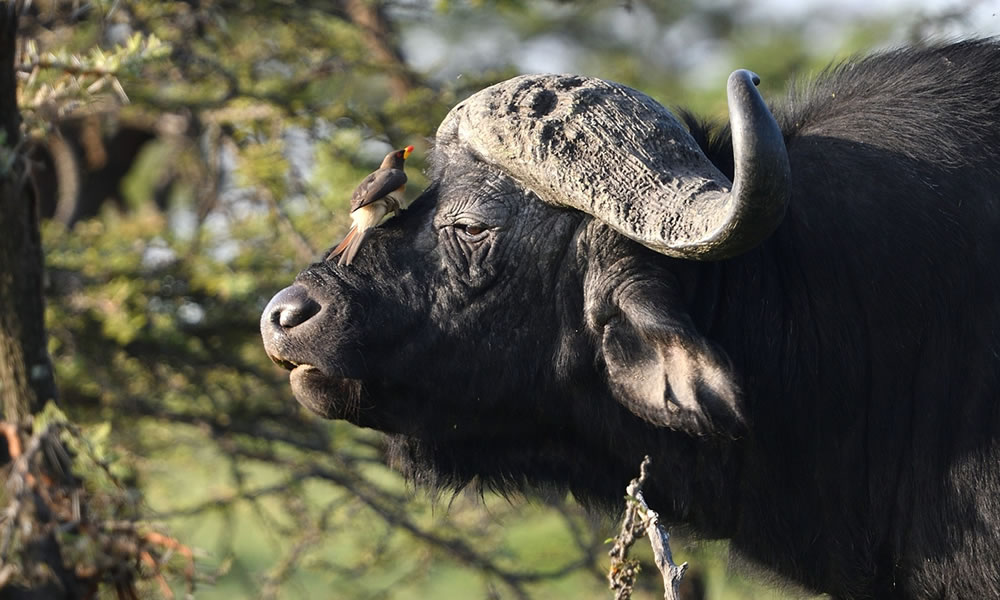
The Cape buffalo, one of Africa’s celebrated Big Five, has earned the ominous nickname the Black Death, and it is among the most feared animals on the continent. Powerful, unpredictable, and known to bear grudges, buffalo are responsible for numerous human deaths and are especially notorious among hunters, for a wounded buffalo will famously circle back and ambush whatever pursued it. Even unprovoked, these massive bovines can be aggressive and are never to be underestimated.
Weighing up to 900 kilograms and equipped with heavy, curving horns fused into a bony shield called a boss, the buffalo is immensely strong and can charge at speed. Lone males, often older bulls pushed out of the herd, can be particularly bad-tempered and dangerous. Buffalo are most threatening when wounded, cornered, or surprised at close range, and a charging buffalo is a terrifying force. On safari they are usually seen in large, relatively placid herds from the safety of a vehicle, but on walking safaris in particular they demand great caution and the guidance of an experienced armed ranger.
- The Nile Crocodile:
Lurking in Africa’s rivers, lakes, and waterholes, the Nile crocodile is one of the continent’s most efficient and dangerous predators, responsible for many human deaths each year, often at the water’s edge.
Ancient, powerful, and superbly adapted as an ambush hunter, the Nile crocodile can grow to enormous size, with the largest individuals reaching well over five meters in length, and it possesses one of the strongest bite forces of any animal on earth.
Crocodiles hunt by lying almost completely submerged and motionless near the water’s edge, then exploding into action to seize prey coming to drink, dragging it into the water in a death roll. They are indiscriminate and opportunistic, and many attacks on humans occur when people collect water, wash, or fish along riverbanks. On safari, the danger is easily avoided by never approaching the edges of rivers and lakes in crocodile country and always following your guide’s advice around water. Watching a great crocodile bask on a sandbank or seize prey at a river crossing is one of the most primal spectacles in all of nature.
- The Lion:
No list of Africa’s dangerous animals would be complete without the lion, the continent’s largest and most iconic predator, and one of the few animals that has, on rare occasions, deliberately hunted humans. As apex predators, lions are supremely powerful, armed with immense strength, formidable teeth and claws, and the cooperative hunting tactics of the pride, which make them extraordinarily effective killers of large prey.
While lions generally avoid humans and attacks on safari are very rare, they are undeniably dangerous, particularly if surprised at a kill, if a mother is protecting cubs, or if an animal is old, injured, or hungry. Historically, certain individual lions have become notorious man-eaters. On safari, lions are usually observed resting or hunting from the safety of a vehicle, to which they pay little attention, and such sightings are among the greatest thrills of any trip. The key is always to respect them as the powerful wild predators they are, never leaving the vehicle near them and always following your guide’s instructions.
- The African Elephant:
The African elephant is the largest land animal on earth, and while often gentle, intelligent, and deeply social, it can be extraordinarily dangerous when provoked, threatened, or distressed. Elephants are responsible for a significant number of human deaths in Africa each year, and their sheer size and strength mean that an angry elephant is a truly formidable and unstoppable force, capable of trampling, goring, and overturning vehicles.
Elephants are most dangerous in certain specific situations: a mother fiercely protecting her calves, a herd feeling threatened, or a bull in the heightened, aggressive state known as musth. They give warning signs before charging, such as flapping ears, trumpeting, and mock charges, and a good guide reads these signals carefully.
Most elephant encounters on safari are peaceful and awe-inspiring, watching these magnificent creatures move and interact with quiet intelligence, but they always deserve a respectful distance and calm, cautious behavior. Never come between an elephant and its young, and always give herds the space they need.
- The Black Mamba:
Among Africa’s many venomous snakes, the black mamba stands out as the most feared, renowned for its speed, its potent venom, and its fearsome reputation. One of the longest venomous snakes in Africa and one of the fastest in the world, the black mamba can move at surprising speed and delivers a highly toxic venom that, without treatment, can be fatal in a matter of hours. Its name comes not from its body color, which is grey to olive, but from the inky black interior of its mouth, which it displays when threatened.
Despite its terrifying reputation, the black mamba is generally shy and will almost always flee from humans rather than confront them, biting only when cornered or surprised. Snakebite is a genuine risk in rural Africa, but for safari-goers the danger is very low, as snakes are rarely encountered and even more rarely aggressive.
Simple precautions, such as watching where you step and place your hands, wearing closed footwear, and never attempting to handle a snake, keep the risk minimal. Other dangerous African snakes include the puff adder, responsible for many bites due to its habit of lying still on paths, as well as cobras and boomslangs.
- The Leopard:
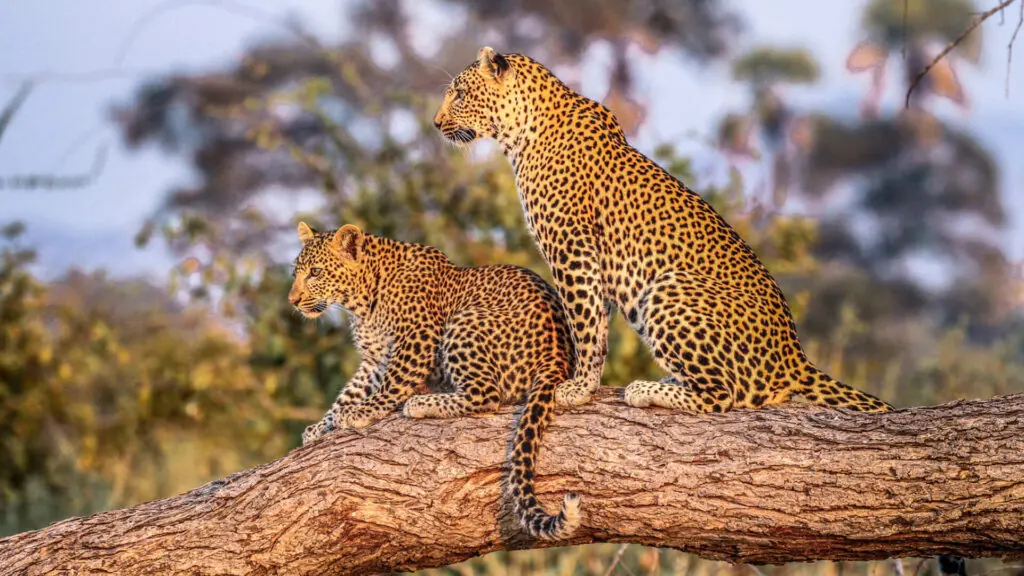
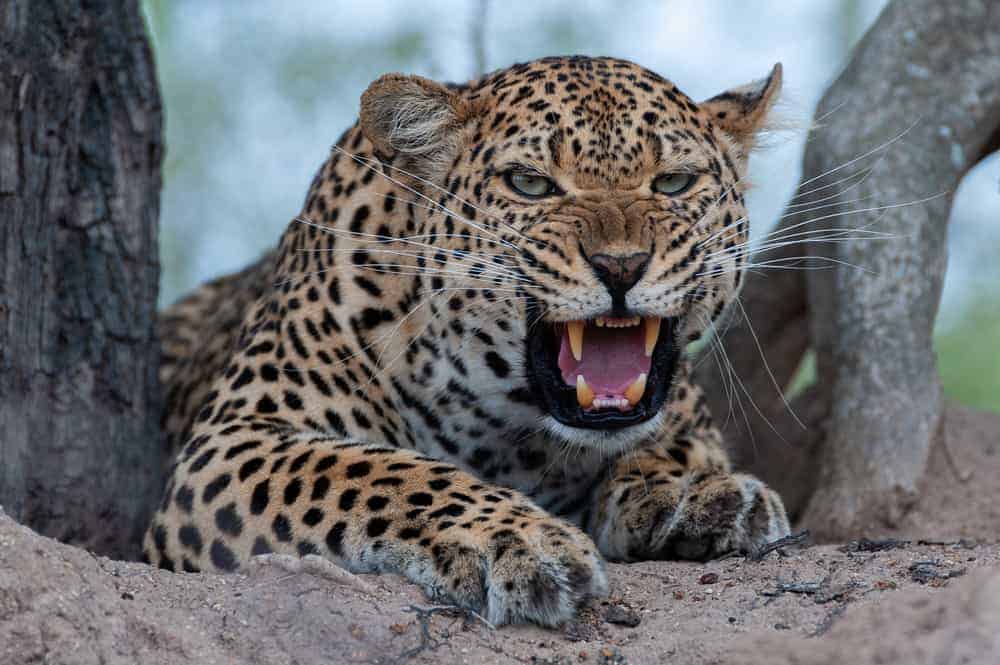
The leopard is one of Africa’s most beautiful and elusive big cats and also one of its most dangerous when cornered. Extraordinarily strong, agile, and stealthy, leopards are powerful predators capable of taking prey larger than themselves and hauling it high into trees. Though they generally avoid humans and are rarely seen, their strength, speed, and ferocity make them formidable, and a threatened or wounded leopard is an exceptionally dangerous adversary.
Leopards are solitary, secretive, and mostly nocturnal, which means encounters are uncommon and attacks on humans rare, but their power is not to be underestimated. A cornered leopard can inflict serious injury with astonishing speed.
On safari, spotting a leopard draped over a tree branch or moving like a shadow through the bush is considered one of the greatest privileges of all, precisely because they are so elusive. As with all big cats, the rules are simple: observe from the vehicle, keep a respectful distance, and follow your guide, and the experience will be safe and unforgettable.
- The Rhinoceros:
Both the white and the black rhinoceros are enormous, powerful animals capable of causing serious harm, and the black rhino in particular is known for its aggressive and unpredictable temperament. Weighing over a tone and armed with sharp horns, a charging rhino is a fearsome sight, able to reach considerable speed despite its bulk and to gore or trample with devastating force. Rhinos have relatively poor eyesight, which can make them more likely to charge first when startled.
The more solitary and short-tempered black rhino is especially prone to charging when it feels threatened, while the larger white rhino is generally more placid and social. Both deserve great respect and distance. Sadly, the greatest danger surrounding rhinos today runs the other way, as these magnificent animals are critically threatened by poaching for their horns, and seeing one in the wild is an increasingly rare privilege. On safari, rhinos are usually observed calmly from a distance, and encountering one of these ancient, armored giants is a profoundly moving experience well worth the caution it requires.
- The Great White Shark and Africa’s Waters
Rounding out the list, and a reminder that danger in Africa is not confined to land, is the great white shark, which patrols the coastal waters off southern Africa, particularly around South Africa, one of the best places in the world to encounter this apex ocean predator. Immensely powerful and equipped with rows of serrated teeth, the great white is one of the sea’s most formidable hunters, though attacks on humans are rare and often cases of mistaken identity.
For most safari-goers, the great white is encountered only by choice, through cage diving and shark-watching trips along the South African coast, which are thrilling and conducted with strong safety measures. Africa’s waters hold other hazards too, including the aforementioned crocodiles and hippos in fresh water, and travelers should always heed local advice about swimming in the sea, rivers, or lakes. Respecting the water, and the powerful creatures within it, is as important as respecting the animals of the plains and forests.
Staying Safe on an African Safari
Reading about these formidable animals might sound daunting, but the reality is that a safari is an overwhelmingly safe and joyful experience, and serious incidents involving tourists are very rare. The animals on this list are dangerous in specific circumstances, and the whole purpose of a guided African safari is to observe them safely, with knowledgeable rangers who understand animal behavior and know exactly how to keep visitors out of harm’s way. Respect, awareness, and following the rules are all it takes to stay safe.
- Always listen to your guide: experienced rangers know animal behavior and their instructions are your best protection.
- Stay in the vehicle: Unless your guide says otherwise, remain in the safari vehicle around big game, as animals largely ignore vehicles.
- Keep a respectful distance: never crowd, chase, or provoke animals, and give them the space they need.
- Be cautious around water: avoid the edges of rivers and lakes where crocodiles and hippos lurk.
- Take malaria precautions: use repellent, nets, and antimalarials to guard against the deadliest animal of all.
- Stay quiet and calm: avoid sudden movements and loud noises that could startle or provoke wildlife.
- Follow walking-safari rules closely: on foot, stay together, move quietly, and obey your armed guide at all times.
Related Posts