For many Africa safari enthusiasts, combining a trip to Uganda and Tanzania is considered the…
Can Lgbtq+Travelers Safely Visit Uganda?
Can LGBTQ+ travelers safely visit Uganda? Discover safari adventures, wildlife encounters, gorilla trekking, and practical safety insights for a respectful and unforgettable Uganda safari journey.
Uganda has a way of drawing you in quietly. It is not a destination that overwhelms at first glance. Instead, it unfolds slowly, revealing its beauty in moments that feel both subtle and powerful. The first light over the savannah in Queen Elizabeth National Park. The thick morning mist clinging to the ancient trees of Bwindi. The distant roar of Murchison Falls as the Nile pushes through rock with unstoppable force.
For many travelers, Uganda represents the heart of the African safari experience. It is a place where wildlife thrives, where adventure feels raw and unfiltered, and where encounters with nature leave a lasting imprint. Gorilla trekking in dense rainforest, chimpanzee tracking in Kibale, and long game drives across open plains all combine to create something deeply memorable.
Yet for LGBTQ+ travelers, Uganda presents an additional layer that must be understood. The country is shaped by strong cultural traditions and laws that influence how identity is expressed in public life.
Is Uganda safe for LGBTQ+ travelers?
The answer is not defined by a single perspective. It lies in understanding both the cultural realities and the nature of travel within the country. With awareness, preparation, and respect, many LGBTQ+ travelers experience Uganda as welcoming, enriching, and unforgettable. This guide explores that balance, weaving together safety insights with the beauty of Uganda’s safari, wildlife, and community experiences.
Understanding Uganda’s Cultural and Legal Landscape
Laws Affecting LGBTQ+ Individuals
Uganda’s legal environment regarding same sex relationships is widely recognized and shapes public life. These laws influence social behavior and create a framework within which people interact.
For travelers, this does not usually mean direct confrontation, especially within tourism settings. However, it does establish boundaries around what is considered appropriate in public spaces. Understanding this context helps visitors move around the country with confidence and awareness.
Cultural Norms and Social Attitudes
Ugandan society places strong emphasis on community, family, and shared values. Identity is often considered a private matter rather than something openly expressed.
In cities like Kampala and Entebbe, there is a blend of traditional culture and international influence. Hotels, restaurants, and cafes cater to a global audience, creating spaces that feel more familiar to international travelers.
In rural areas, including those near safari destinations, traditions are more visible. Daily life revolves around community interaction, respect for elders, and cultural continuity. Visitors quickly notice the importance of modesty and respectful behavior.
What This Means for Travelers
For LGBTQ+ travelers, navigating Uganda is about reading the environment. A safari lodge overlooking the savannah offers a different atmosphere than a busy village market. A guided trek through the forest is shaped by conservation and shared purpose, while social spaces may carry different expectations.
Understanding these differences allows travelers to adapt naturally, creating a smoother and more comfortable experience.
Is Uganda Safe for LGBTQ+ Travelers in Practice?
Experiences on the Ground
Uganda’s tourism industry is built on genuine hospitality. From the moment visitors arrive, there is a sense of care that feels authentic. Drivers greet guests warmly, guides share knowledge with enthusiasm, and the lodge staff take pride in creating a comfortable environment.
In these spaces, identity rarely becomes the focus. Conversations center on wildlife, landscapes, and the journey itself. This creates a neutral and often reassuring environment for LGBTQ+ travelers.
Safari settings, in particular, feel removed from everyday social pressures. Days are spent exploring nature, tracking wildlife, and sharing experiences that transcend cultural differences.
Where Travelers Feel Most Comfortable
Kampala offers a level of anonymity and diversity that many travelers find reassuring. International hotels and dining spaces provide familiar environments where guests can relax.
Entebbe, located along the shores of Lake Victoria, serves as a calm and welcoming entry point. Many travelers spend their first and last nights here, easing into and out of the journey.
Safari destinations such as Bwindi, Kibale, Murchison Falls, and Queen Elizabeth National Park operate within an international tourism framework. Lodges host guests from across the world and maintain high standards of professionalism and discretion.
Situations to Approach with Awareness
Public displays of affection are generally uncommon in Uganda for all couples. Keeping expressions of intimacy private aligns with cultural expectations.
Sensitive discussions about identity are best approached thoughtfully. Many travelers find that focusing on shared interests such as wildlife, travel, and culture leads to more natural and meaningful interactions.
Uganda as a World Class Safari Destination
Wildlife Encounters and Natural Beauty
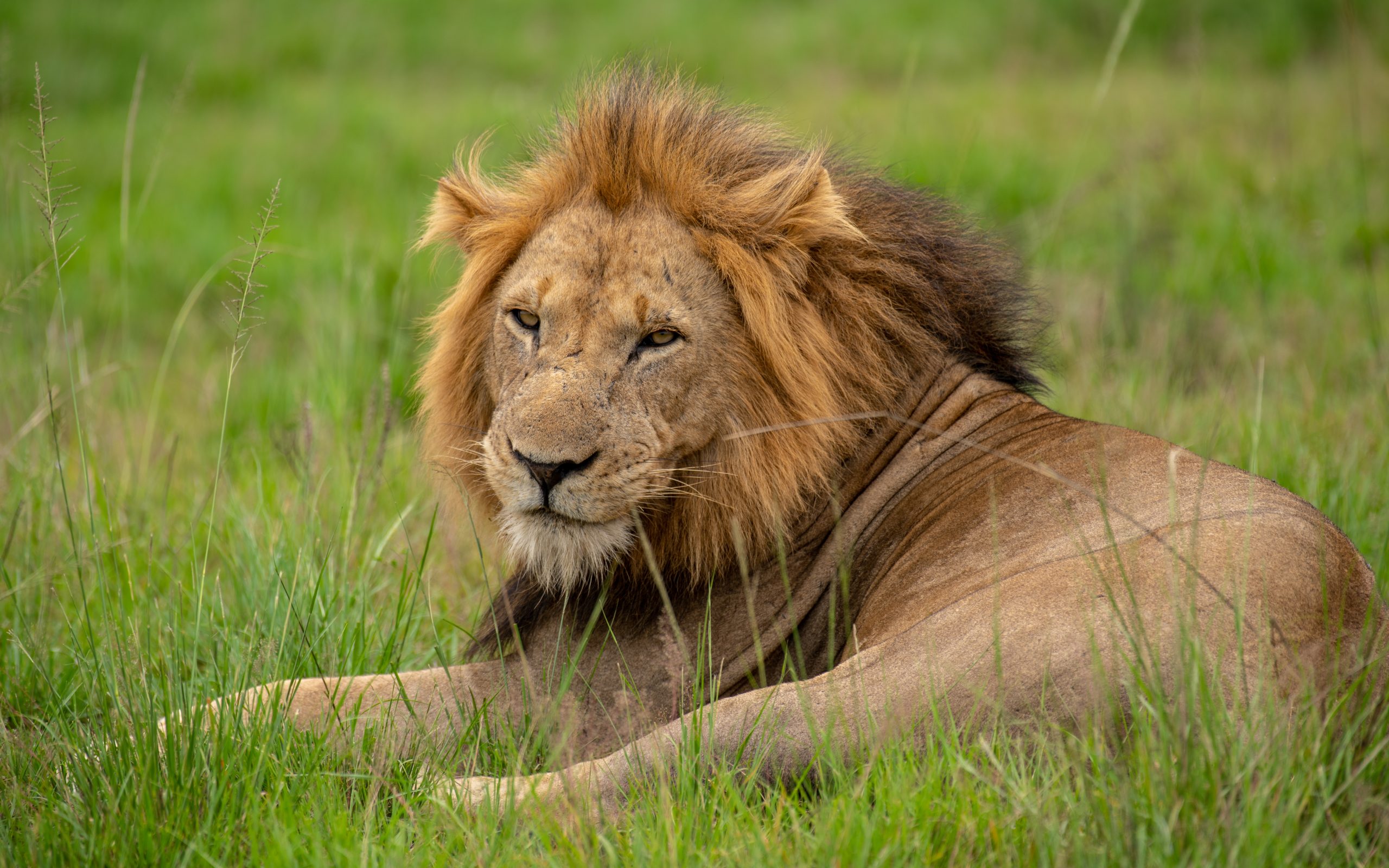
Uganda’s landscapes are incredibly diverse. In Queen Elizabeth National Park, the savannah stretches endlessly beneath open skies. Lions rest in fig trees, a rare behavior that captures the attention of travelers from around the world. Elephants move quietly across the plains, while antelope gather in the distance.
In Murchison Falls, the Nile transforms dramatically, forcing its way through a narrow gorge before cascading down with immense power. Boat safaris here reveal hippos, crocodiles, and a wide range of birdlife along the riverbanks.
Kidepo Valley National Park Safari offers a more remote experience. Located in the northeast, it feels untouched and expansive. Wildlife roams freely, and the absence of crowds creates a sense of solitude that is increasingly rare.
Gorilla Trekking in Bwindi
Gorilla trekking Uganda is one of the most profound wildlife experiences available anywhere in the world. The journey begins early, with small groups guided into the dense forest.
The terrain can be challenging. Paths wind through thick vegetation, and the forest floor shifts underfoot. Along the way, guides share knowledge about the ecosystem, pointing out signs of mountain gorilla activity.
When the moment arrives, it feels almost unreal. A gorilla family appears quietly, moving through the forest with calm presence. A silverback sits watchfully, while younger gorillas play nearby.
There is a sense of connection that goes beyond observation. It is a moment that stays with travelers long after they leave.
Chimpanzee Trekking in Kibale Forest
Kibale Forest offers a different kind of energy. The forest is alive with sound, from birds calling overhead to the distant vocalizations of chimpanzees.
Tracking them requires patience. Guides listen carefully, adjusting direction as they move through the forest. Suddenly, a group appears, moving quickly through the trees.
Chimpanzees are expressive and dynamic. Watching them interact offers insight into behavior that feels both familiar and wild.
Together, gorilla trekking and chimpanzee tracking define Uganda as a unique safari destination.
Birding and Hidden Wildlife Experiences
Uganda is also a paradise for bird lovers. Wetlands, forests, and savannahs support an incredible variety of species. Early morning walks reveal birds in vibrant colors, each adding to the richness of the landscape.
Beyond the well-known animals, there are smaller moments that define the Uganda safari tour experience. A leopard resting in the shade. A herd of buffalo crossing a dirt road. A quiet sunset where the only sound is the wind moving through grass.
Why Uganda Stands Out in African Safari Experiences
Uganda offers a sense of authenticity that is becoming harder to find. Parks are not overcrowded. Encounters with wildlife feel natural and unhurried.
There is also a strong connection between tourism and conservation. Travelers are not simply observing wildlife. They are contributing to its protection through responsible travel practices.
This combination of adventure, wildlife, and purpose makes Uganda a truly unique safari destination.
LGBTQ+ Travel Tips for a Safe and Enjoyable Safari
Respecting Local Culture
Respect is expressed through simple actions. Dressing modestly, greeting people politely, and observing local customs all contribute to positive interactions.
Travelers who take time to understand the environment often find that they are welcomed warmly.
Choosing the Right Accommodation
Well established safari lodges and hotels provide a sense of comfort and security. Staff are trained to host international guests and maintain professional standards.
In regions like Bwindi and Kibale, lodges are designed to offer privacy while allowing guests to connect with nature.
Traveling with Guides and Tour Operators
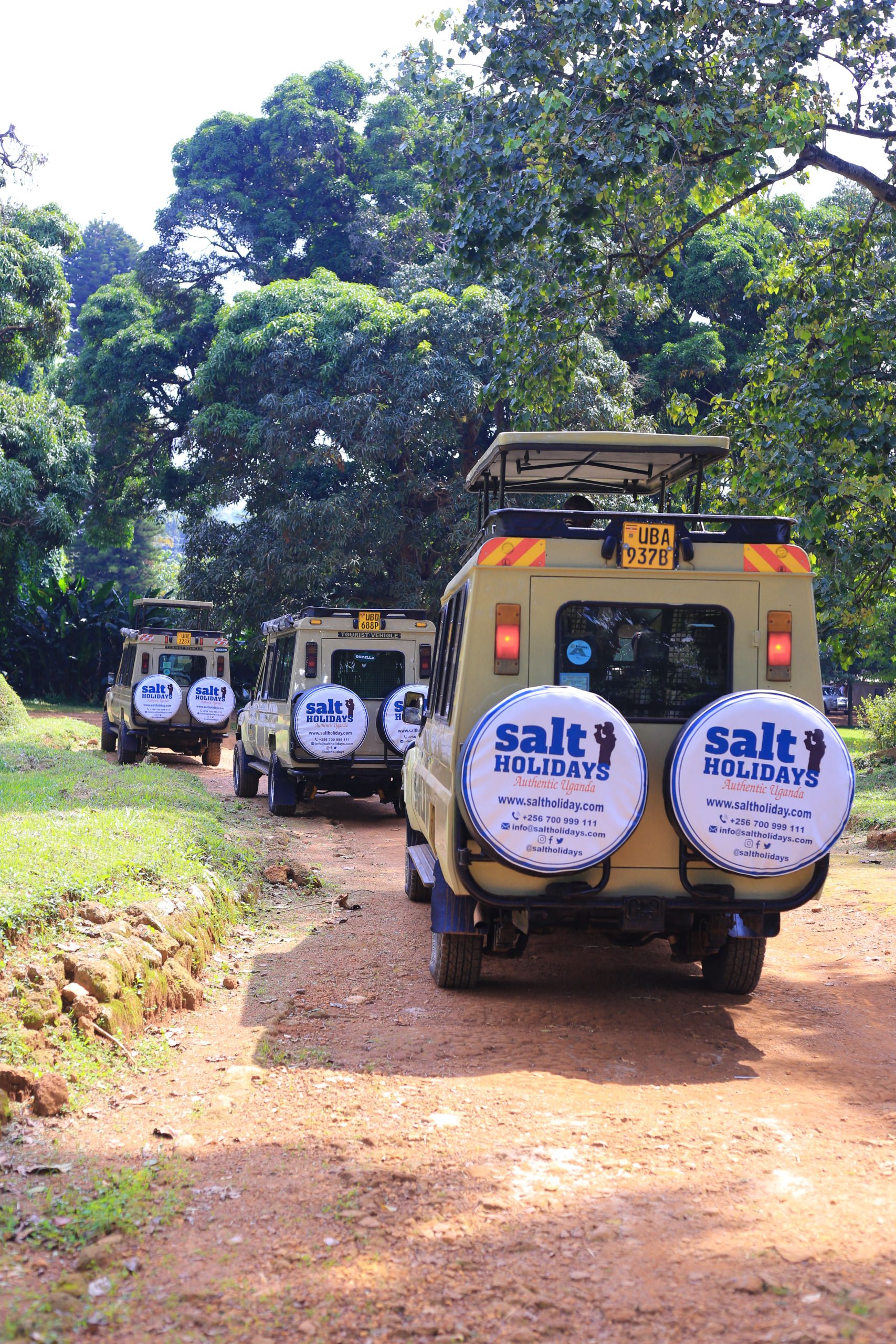
A knowledgeable guide enhances every aspect of the journey. They provide insight into wildlife, culture, and daily life, helping travelers navigate unfamiliar situations.
Choosing a reputable tour operator ensures a smoother experience and adds an extra layer of reassurance.
Privacy and Discretion
Privacy is part of traveling respectfully in Uganda. Keeping personal expressions, low key allows travelers to move comfortably across different environments.
This approach aligns with cultural expectations and supports a more relaxed experience overall.
Sustainable Tourism and Community Involvement
How Tourism Supports Conservation
Tourism plays a vital role in protecting Uganda’s wildlife. Gorilla trekking permits directly support conservation efforts, including habitat protection and anti-poaching initiatives.
Every visit contributes to preserving these ecosystems for future generations.
Community Based Tourism
Communities near national parks benefit from tourism through employment and local businesses. Visitors may engage in cultural experiences, learn traditional practices, or support local crafts.
These interactions create meaningful connections that extend beyond the safari itself.
Local Stories of Impact
In areas surrounding Bwindi, families who once depended on forest resources now work as guides, porters, and lodge staff. This shift has created new opportunities and strengthened conservation efforts.
In Kibale, community projects supported by tourism help fund education and healthcare. Travelers become part of this story simply by choosing to visit responsibly.
Responsible Travel for LGBTQ+ Visitors
Responsible travel involves balancing personal comfort with cultural respect. Supporting ethical operators and engaging positively with communities enhances the overall experience.
For LGBTQ+ travelers, this approach creates a journey that feels both safe and meaningful.
Real Stories from Uganda’s Tourism Experience
Encounters with Local Hospitality
A guide pauses during a trek to point out a rare bird, sharing knowledge with quiet enthusiasm. A lodge staff member remembers your name and prepares your favorite tea without being asked. A driver shares stories of growing up near the park.
These moments feel personal and genuine, creating a sense of connection that goes beyond the typical travel experience.
A Day on Safari
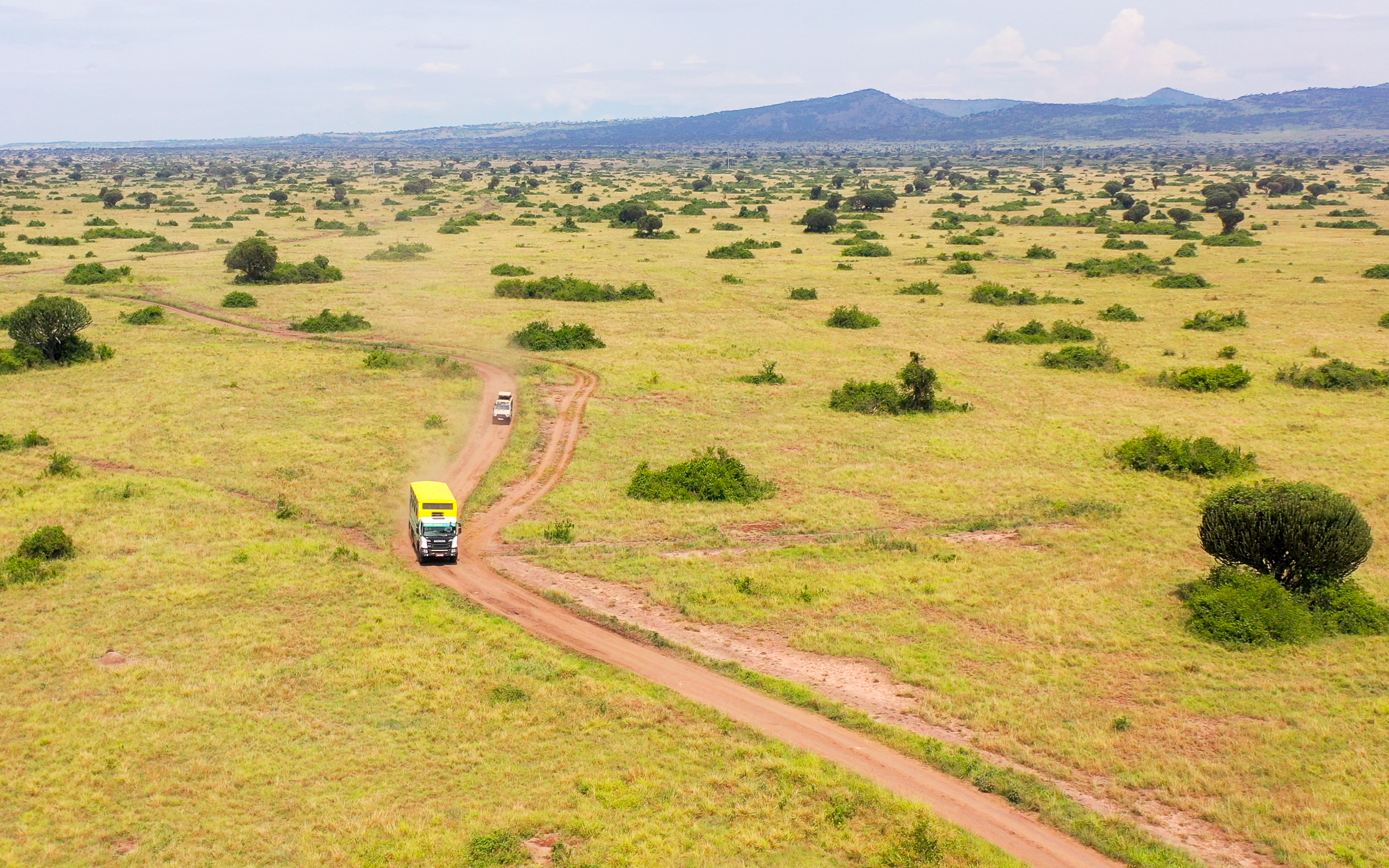
The day begins before sunrise. The air is cool as you step into a vehicle, heading out across the savannah. Light slowly spreads across the landscape, revealing animals moving through the grass.
Later, you return to the lodge, where breakfast is served overlooking a wide expanse of land. The afternoon brings another adventure, perhaps a boat safari or a guided walk.
As evening falls, the sky shifts through shades of gold and orange. The sounds of the wild continue into the night, creating a rhythm that feels both calming and alive.
Moments That Stay with You
Standing in the forest during gorilla trekking, hearing the rustle of leaves as a gorilla moves nearby. Watching chimpanzees leap through trees in Kibale. Sitting quietly as the sun sets over the savannah.
These are the moments that define Uganda.
Balancing Adventure and Awareness
Enjoying Uganda Fully While Staying Safe
Uganda offers a rich and rewarding travel experience. For LGBTQ+ travelers, the journey is shaped by awareness rather than limitation.
Understanding the cultural landscape allows visitors to engage fully while moving comfortably through different environments.
The Role of Preparation
Preparation builds confidence. Knowing what to expect removes uncertainty and allows travelers to focus on the experience.
Planning a safari, choosing trusted operators, and understanding local customs all contribute to a smoother journey.
FAQs
Is it illegal to be LGBTQ+ in Uganda as a tourist
Yes, Uganda has laws that criminalize same sex relationships, and these laws shape public attitudes and behavior across the country. However, for travelers, the experience is often different from what headlines suggest.
Tourists are generally not the focus of enforcement, especially within the tourism sector. Safari lodges, hotels, and guided experiences are designed to host international visitors from diverse backgrounds. What matters most is how travelers navigate public spaces.
In practice, LGBTQ+ visitors who remain respectful of local customs and avoid drawing attention to their personal lives typically move through Uganda without any issue. The key is understanding that Uganda is a conservative society where privacy is valued, and adjusting accordingly allows for a smoother and more comfortable experience.
Can LGBTQ+ couples travel safely on a Uganda safari
Yes, many LGBTQ+ couples travel through Uganda and enjoy their safari experience without any problems. The structure of safari travel naturally supports comfort and privacy.
Most of your time will be spent in national parks, vehicles, or lodges where the focus is on wildlife, landscapes, and shared adventure. Guides and lodge staff are trained professionals whose priority is your safety and enjoyment, not your personal identity.
Couples often find that safari environments feel removed from everyday social pressures. Early morning game drives, long afternoons overlooking the savannah, and evenings around the lodge create a rhythm that is immersive and relaxed.
As with general travel in Uganda, discretion is important. Keeping affection private aligns with cultural expectations and helps ensure a smooth and enjoyable journey.
Are safari lodges LGBTQ+ friendly in Uganda
Safari lodges in Uganda are primarily focused on hospitality, comfort, and delivering high quality guest experiences. Many of these lodges operate within an international tourism framework and regularly host visitors from around the world.
Staff are trained to be professional, welcoming, and respectful. In most cases, guests are treated equally, with attention given to their comfort rather than their identity.
Lodges in areas such as Bwindi, Kibale, and Queen Elizabeth National Park are particularly accustomed to international travelers. These spaces often feel inclusive in practice, even if they are not explicitly marketed as LGBTQ+ friendly.
Choosing reputable lodges with strong reviews and established tourism standards adds an extra layer of reassurance.
Is gorilla trekking safe for LGBTQ travelers
Yes, gorilla trekking is safe for LGBTQ+ travelers and remains one of the most structured and carefully managed experiences in Uganda.
Treks are conducted in small groups led by trained guides and rangers who prioritize safety, conservation, and respect for wildlife. The focus is entirely on the experience of encountering gorillas in their natural habitat.
During the trek, identity is not a factor. What matters is following instructions, respecting the environment, and engaging with the experience.
The setting itself also creates a sense of neutrality. Deep in the forest, surrounded by nature, the focus shifts completely to the moment. Many travelers describe gorilla trekking as transformative, offering a rare connection to wildlife that transcends everyday concerns.
What should LGBTQ+ travelers avoid doing in Uganda
Traveling comfortably in Uganda comes down to awareness and respect rather than restriction.
Public displays of affection are uncommon across the country and are best avoided, regardless of orientation. Keeping expressions of intimacy private aligns with cultural norms and helps avoid unwanted attention.
It is also wise to approach conversations about identity carefully. While some individuals may be open minded, others may hold more traditional views. Letting conversations develop naturally and focusing on shared topics such as travel, wildlife, or culture often leads to more positive interactions.
Dressing modestly, especially in rural areas, and observing how locals behave in public spaces can also help travelers blend in comfortably.
Are there LGBTQ+ friendly spaces in Kampala
Kampala offers a more relaxed environment compared to many rural areas, with a growing number of international restaurants, hotels, and social spaces that attract a diverse crowd.
While there are no widely advertised LGBTQ+ venues in the same way as in some other global cities, certain places are known among travelers for being more open and welcoming. These are often international hotels, upscale restaurants, and social spots frequented by expatriates and visitors.
Even in these environments, discretion remains important. Kampala provides a sense of ease and openness, but it still operates within the broader cultural context of Uganda.
For many LGBTQ+ travelers, Kampala feels like a comfortable place to begin or end a luxury Uganda safari, offering a balance between local culture and international familiarity.
Final Thoughts: Should LGBTQ+ Travelers Visit Uganda?
Uganda is not a destination that fits into a single, simple definition. It is a country shaped by contrasts, where ancient landscapes meet modern travel routes, and where deep cultural traditions exist alongside a growing global tourism industry. For LGBTQ+ travelers, this contrast becomes especially important to understand because Uganda is both breathtakingly beautiful and culturally complex.
To answer the question honestly, yes, LGBTQ+ travelers can visit Uganda and experience some of the most remarkable Uganda gorilla trekking tours in Africa. But the experience is best approached with awareness, sensitivity, and a willingness to understand the local context rather than expecting the destination to reflect familiar norms from other parts of the world.
Uganda rewards travelers who come prepared not just with luggage, but with perspective.
Uganda as a Living Cultural Landscape
One of the most important things to understand about Uganda is that culture is not static here. It is alive in everyday interactions, in how people greet each other on the roadside, in the way markets in places like Owino Market in Kampala operate, and in how elders are respected in rural communities.
In Kampala, you might see a blend of influences. Young people working in cafés in areas like Kololo or Bugolobi may be more exposed to international perspectives through travel, education, and media. At the same time, traditional values remain strong, especially in conversations around identity and relationships.
In smaller towns such as Fort Portal near Kibale Forest or Kisoro near Bwindi Impenetrable Forest, life feels even more rooted in local customs. People often greet strangers warmly, but personal matters are rarely discussed openly. Visitors are expected to observe and adapt rather than challenge or reinterpret social norms.
For LGBTQ+ travelers, this means understanding that Uganda is not a place where identity is typically expressed publicly. Instead, privacy is valued, and blending into everyday cultural rhythms helps create a smoother experience.
The Safari Experience: Where Uganda Truly Shines
For many travelers, the heart of Uganda lies far away from cities and into its national parks and reserves. This is where the country reveals its most powerful identity.
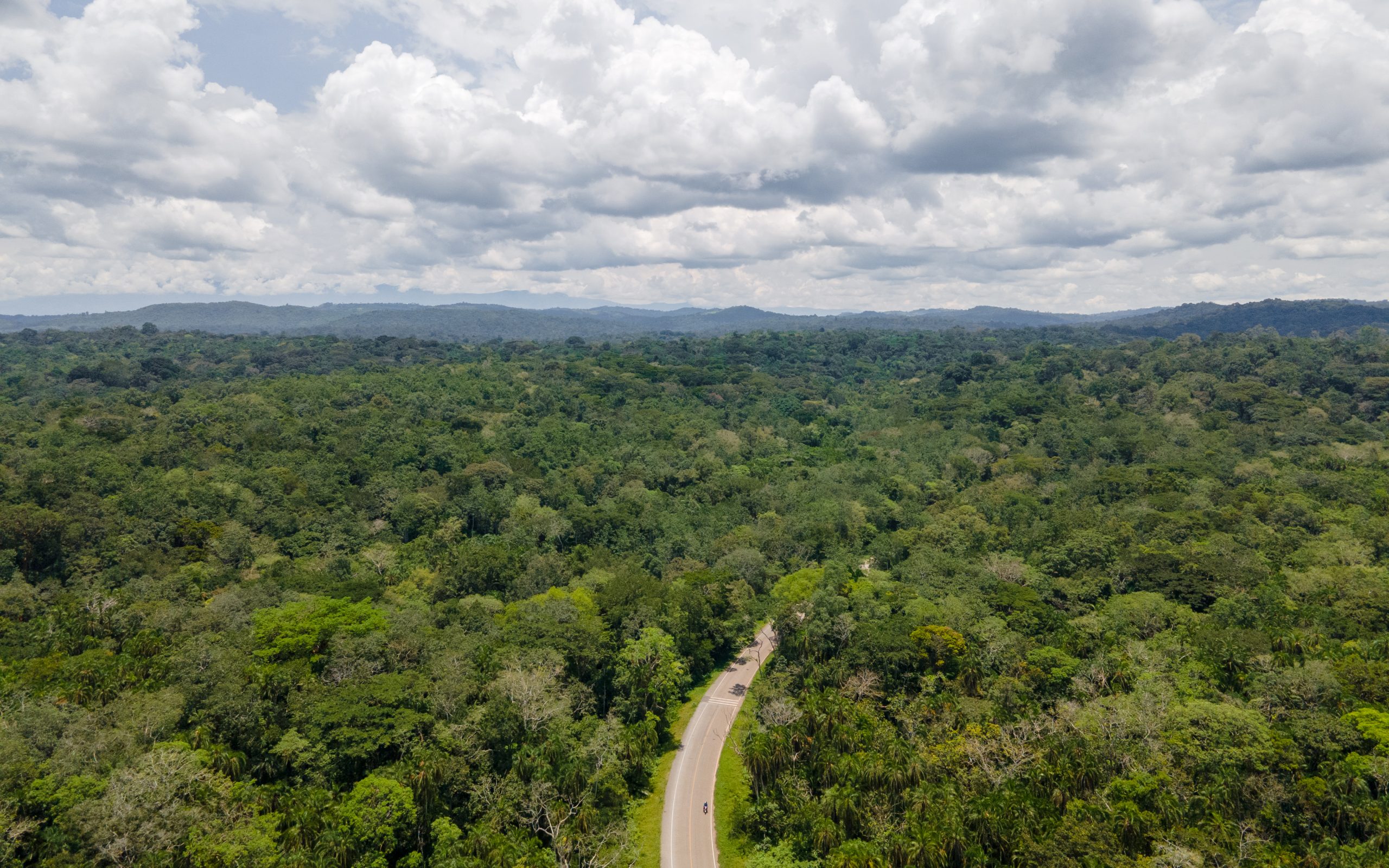
In Bwindi Impenetrable Forest, for example, gorilla trekking tours begins early in the morning in places like Buhoma, Rushaga or Mgahinga Gorilla National Park. Local guides gather groups at park headquarters, often sharing stories of gorilla families that have been monitored for years. The forest itself is dense, humid, and alive with sound. Porters from nearby communities often assist visitors, many of whom come from villages where tourism has become a vital source of income.
When travelers finally encounter a mountain gorilla family, the moment is often quiet and deeply emotional. A silverback may sit calmly while juveniles play nearby. In that moment, all background concerns fade, and the experience becomes purely about connection with wildlife.
In Kibale National Park, chimpanzee trekking offers a different rhythm. Near Kanyanchu Visitor Centre, groups follow guides into the forest listening for distant calls. Chimpanzees move quickly through the canopy, sometimes dropping to the ground briefly before disappearing again into the trees. It is a dynamic and energetic experience that contrasts beautifully with the slower pace of gorilla trekking.
In Queen Elizabeth National Park, especially around the Kasenyi plains or Ishasha sector, visitors often witness elephants crossing open savannahs or tree climbing lions resting in fig trees. Local fishermen along the Kazinga Channel continue their daily routines as hippo surface nearby. These scenes reflect how wildlife and human life coexist in shared landscapes.
In Murchison Falls National Park, boat safaris along the Nile reveal crocodiles basking on riverbanks and shoebill storks standing motionless in wetlands. The thunder of the falls itself, especially when viewed from the Top of the falls viewpoint, is one of Uganda’s most iconic natural experiences.
These safari moments define Uganda as a destination where nature is not staged but lived.
Local Interactions and Human Connection
Beyond wildlife, Uganda is remembered for its people. In many safari journeys, some of the most meaningful experiences happen outside the parks.
In villages near Bwindi, such as Nkuringo, travelers may encounter community projects supported by tourism, including craft women’s groups and batwa cultural performances. Women’s cooperatives often sell handmade baskets or textiles, using tourism income to support their children’s education.
In Fort Portal, near the foothills of the Rwenzori Mountains, travelers might pass banana plantations where farmers still use local traditional methods. Conversations with locals often focus on daily life, farming, and weather rather than personal identity or background.
In Entebbe, along the shores of Lake Victoria, fishermen head out early in the morning in wooden boats, returning later with tilapia and Nile perch that supply local markets. These everyday scenes remind visitors that Uganda is not just a safari destination but a living, working society.
For LGBTQ+ travelers, these interactions are often positive when approached with respect and humility. People are generally warm and curious about visitors, especially in tourism areas. However, keeping interactions simple and culturally grounded is often the best approach.
Mindfulness, Respect, and Travel Experience
Traveling in Uganda requires a mindset of awareness rather than hesitation. It is not about fear, but about understanding context.
Respect in Uganda is shown in small ways. Greeting people properly, listening before speaking, and observing how others behave in public spaces all contribute to smoother interactions. Even simple phrases in local languages such as Luganda greetings can create positive connections.
In safari lodges around areas like Queen Elizabeth or Murchison Falls, guests often find themselves in comfortable environments where international standards of hospitality are maintained. Here, evenings may be spent around campfires listening to stories from guides about wildlife tracking or conservation work.
These spaces allow travelers to relax and enjoy Uganda’s beauty. At the same time, stepping outside the lodge and into surrounding communities reminds visitors of the cultural context in which they are traveling.
What Makes Uganda Worth Visiting
Despite its complexities, Uganda offers something rare in modern travel. It feels authentic. It is not overly commercialized, and many of its most powerful experiences remain deeply connected to nature and local life.
Gorilla trekking in Bwindi is not just a tourist activity. It is part of a global conservation effort that involves rangers, researchers, and local communities working together to protect one of the world’s most endangered species.
Chimpanzee tracking in Kibale connects visitors to ecosystems that are among the most bio-diverse in East Africa.
Safari drives across Queen Elizabeth National Park reveal landscapes that feel untouched by time.
Even simple moments, such as watching the sunset over Lake Bunyonyi near Kabale or listening to nighttime sounds in a lodge near Lake Mburo, become lasting memories.
For LGBTQ+ travelers, these experiences are no less accessible. They are shaped more by nature and human connection than by identity.
A Balanced Perspective
So, should LGBTQ+ travelers visit Uganda? The answer is a resounding YES.
In the end, Uganda is not defined by a single question. It is defined by the experience of being there and telling the story.
Related Posts