How Many Days Should You Spend in Uganda? A Local Guide to Planning a Slow…
Why A Uganda And Tanzania Safari Combo?
Why a Uganda and Tanzania safari combo?
Why a Uganda and Tanzania safari combo? For many African safari enthusiasts, combining a trip to Uganda and Tanzania is considered the ultimate “bucket list” adventure because it offers the best of both worlds in a single journey.
You can start your expedition in Bwindi Impenetrable National Park for an encounter with mountain gorillas and seamlessly transition to the savannahs of Serengeti to witness the Great Migration.
Many people want to see wild animals in their natural habitat. They want to see big mountains and green forests. They want to feel the warm sun on their face. When you plan a trip, you often ask a big question. Should I go to Uganda? Should I go to Tanzania? Here is a secret.
This blog dives into exactly why the Uganda and Tanzania safari combo should be your next African adventure journey.
Why Choose a Uganda and Tanzania Safari Combo?
Combining Uganda and Tanzania is like upgrading from a single snack to a full-course feast. Tanzania is the land of the wide-open, golden savanna, where you spend your days in a 4×4 Land Cruiser looking out for the Big Five among other mammal and bird species.
Uganda, on the other hand, is “The Pearl of Africa,” a lush green world where the best views are found on your own two feet while doing chimpanzee tracking and gorilla trekking.
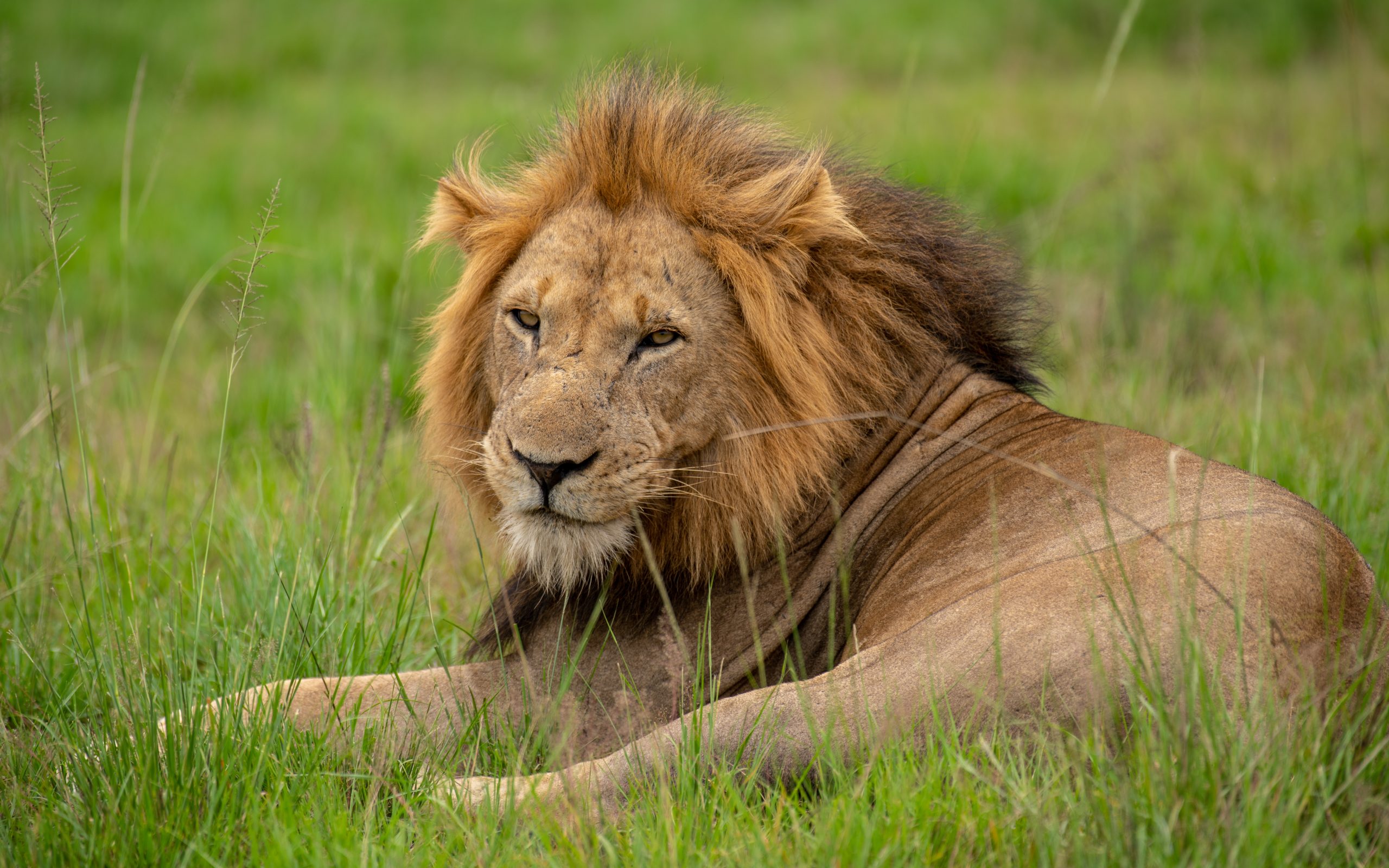
In Tanzania, you will spend hours cruising through the Serengeti or the Ngorongoro Crater, spotting lions lounging under the acacia trees or massive herds of elephants near the water sources/ponds, leopards, cheetah and the black rhino
But to keep from getting “safari fatigue,” Uganda flips the script. In places like Bwindi Impenetrable Forest, Mgahinga, Kalinzu Forest, Kyambura Gorge, Bugoma Forest, Budongo forest or Kibale Forest National Park, you swap the car for hiking boots. Trekking through shady, misty jungles to enjoy an encounter with the majestic mountain gorillas or watch the swinging chimpanzees.
This mix of “wheels and heels” keeps your energy levels buzzing and your camera roll diverse. You get the sunny, endless horizons of Tanzania’s Lake Manyara region one day and the misty, cool rainforests of Uganda’s Albertine Rift the next.
Instead of just seeing the famous animals of the plains, you get to experience the hidden wonders of the jungle, making your African adventure wholesome, especially with the African cultural infusion.
Wildlife Highlights You Cannot Miss
When you plan a trip to Uganda and Tanzania, you will experience two entirely different worlds intertwined in one African adventure.
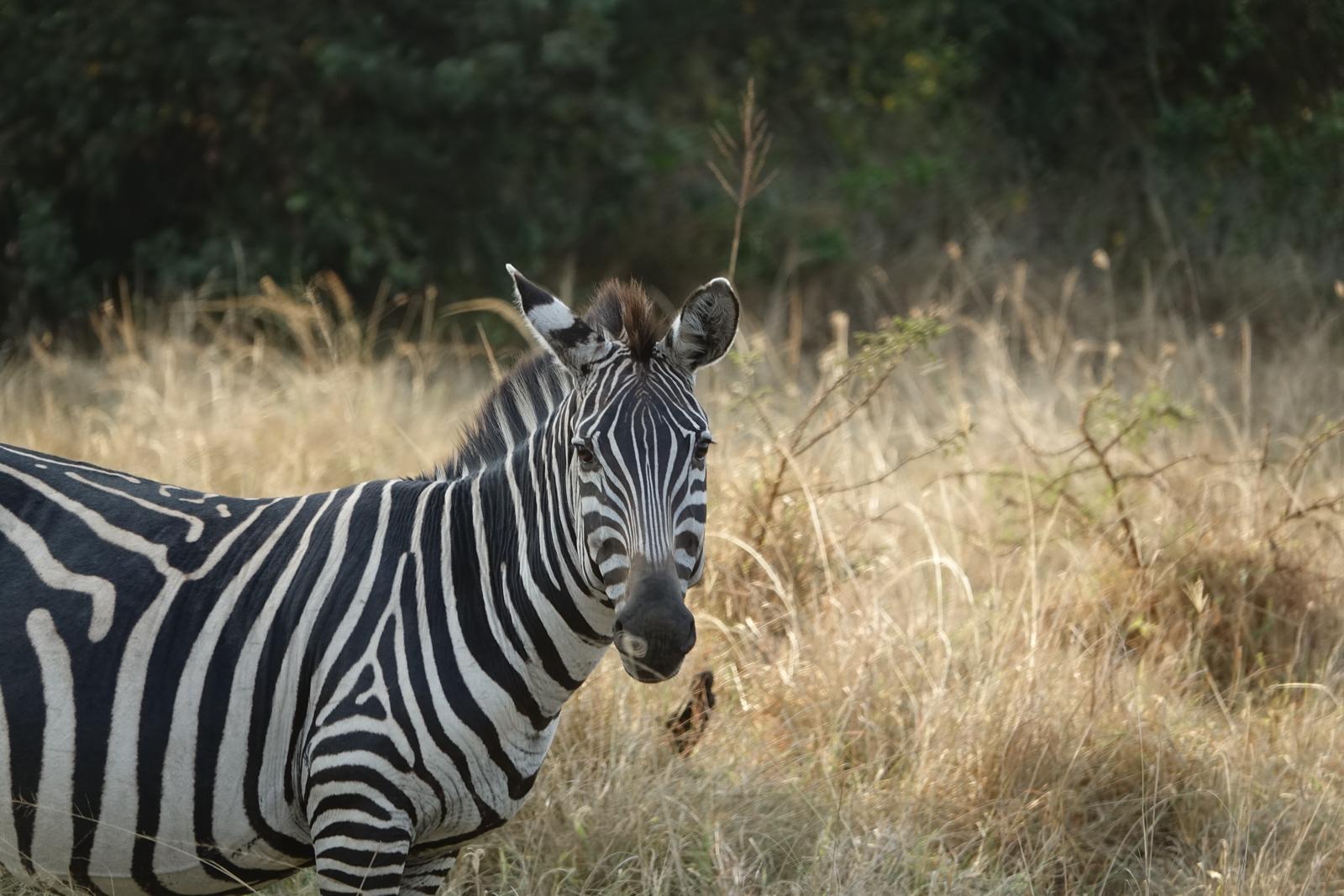
Tanzania is the renowned king of the open savanna. In the world-famous Serengeti National Park, you can witness the Great Migration, where millions of wildebeest and zebras kick up massive dust clouds as they dodge crocodiles in the Mara River. This is also your best bet for the “Big Five”: lions, leopards, elephants, buffalo, and the rare black rhino in the Serengeti.
If you head to the Ngorongoro Crater, you’ll find a natural zoo tucked inside a giant volcanic caldera, while Lake Manyara is known for its pink flamingos and Tarangire National Park for its big herds of elephants.
Uganda offers a “primate paradise” that you will not simply find on the Tanzanian plains. The highlight for most is Bwindi Impenetrable National Park, home to nearly half the world’s remaining population of mountain gorillas. Sitting just a few feet from these gentle giants is a soulful experience that feels much more personal than a standard drive.
In Kibale National Park, the “Primate Capital of the World,” you can track chimpanzees through the canopy. While Uganda has traditional wildlife too, like the unique tree-climbing lions of the Ishasha sector in Queen Elizabeth Park and the Rothschild giraffes and the famous thunderous falls at Murchison Falls, the focus is much on the verdant jungles of the South Western tourism circuit.
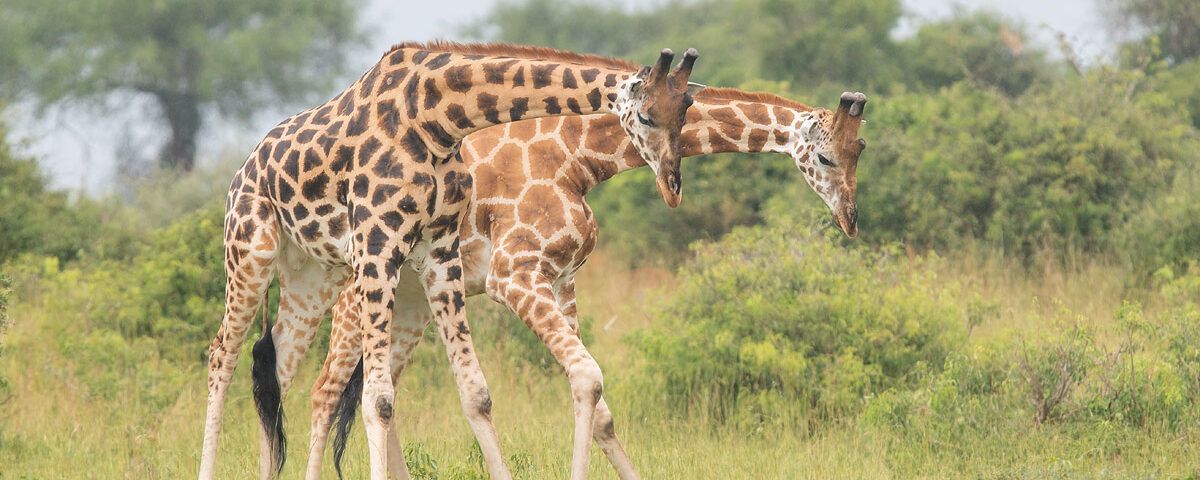
Combining these two destinations gives you the ultimate wildlife “highlight reel.” You start with the wide-angle views of the Serengeti and finish with the up-close, face-to-face primate encounters in the forests of Bwindi and Kibale.
This variety ensures your camera stays busy and your trip feels like a complete African story, covering everything from the dusty African sun to the misty rainforests and the life-changing cultural immersions.
Landscapes That Take Your Breath Away
The landscapes of Tanzania and Uganda are like two different paintings by the same master artist.
Tanzania is renowned for its “endless plains,” particularly in the Serengeti, where the grass turns a stunning gold during the dry season under a massive bright blue sky. But the geography here is also home to the Ngorongoro Crater, a giant natural amphitheater that looks like a lush “garden in the sky” where thousands of mammals, including the Big 5, live inside volcanic walls.
Of course, Tanzania is incomplete without Mount Kilimanjaro, the highest peak in Africa, which wears a white snowcap because of its marvelous height of about 5895 m above sea level.
In contrast, Uganda earned the name “The Pearl of Africa” because it is incredibly green and water-rich. Uganda has the “Mountains of the Moon,” the Rwenzori Mountains, standing at 5109 m above sea level and equally wearing snow caps throughout the year. It is home to an array of wildlife and vegetation, with experienced mountain climbers and hikers ranking it as the most challenging to hike.
The mighty Nile River, the longest river in the world, has its source in Uganda at the massive Lake Victoria (the largest lake on the African continent). The dramatic Murchison Falls, the most powerful waterfall in the world, where the entire Nile River squeezes through a tiny 8-meter gorge and plunges 45 meters into the “devil’s cauldron” with an explosive force, creating a permanent rainbow. The wildlife and cultural diversity, the tangled vines of the Bwindi rainforest and several scenic attractions make Uganda the best safari destination in Africa.
When you combine these two, your journey becomes a study in beautiful extremes. One day you are looking out over a dry, golden horizon where you can see for miles, and the next, you are tucked away in an emerald forest. This constant change in landscape keeps your spirit high and makes your African adventure perfectly novel.
Warm Culture and Friendly People
While the wildlife is spectacular, the people truly turn an East African safari into a lifelong memory. Uganda and Tanzania are famous for their hospitality, where a warm “Jambo” (Hello) or “Karibu” (Welcome) greets you at every stop.
In Tanzania, the culture is deeply tied to the vast landscapes of the north. Near the Serengeti and Ngorongoro, you will meet the iconic Maasai people. Famous for their bright red shukas and incredible jumping dance, the Maasai have peacefully lived alongside wild animals for centuries. Visiting a boma (village) near Arusha or Ngorongoro Crater allows you to see how ancient traditions thrive with nature in the modern world.
Uganda, on the other hand, offers a different and equally vibrant cultural flavor. As you travel from the central region of the Baganda people to the rolling hills of the Banyankole and Bakiga people in the west and southwest, you will find a deep love for folklore, dances, lifestyle and community.
The food: While Tanzania is the place to enjoy Nyama Choma (perfectly grilled goat or beef) with a side of Ugali, Uganda introduces you to the famous Rolex, not the watch this time. Often sold by friendly street vendors across the country but more common in places like Kampala the capital city or Jinja the adventure capital. You must also likely try matoke, a staple dish of steamed green bananas that is the heart of many Ugandan homes and often served on local buffets.
Visiting both countries, you realize that “Africa” is a beautiful mosaic of different languages, flavors, and traditions. You spend one evening sitting around a campfire hearing Maasai stories under the stars of the Tarangire, and a few days later, you find yourself laughing with the Ugandan Batwa community over a shared meal near Bwindi Impenetrable National Park or with the famous Karamojong people in the northeastern part of Uganda. You leave with the warmth of new friends who treated you like family from the moment you arrived.
Easy Travel and Border Crossings
If you’re worried that visiting two countries means double the stress, think again. Moving between these neighbors is surprisingly smooth because they share a long border and a close bond.
The quickest way to switch from the jungle to the savanna is a short flight from Entebbe International Airport in Uganda to Kilimanjaro in Tanzania; it takes about 1 hour direct flight or 1 hr 35 mins flying time via Nairobi
If you have more time and want to see the real countryside, you can even cross by land near Lake Victoria, passing through bustling market towns and small villages that most tourists don’t often see.
Though there are border charges at the Mutukula border checkpoint, officials see travelers through this route every day, so they are generally quick, helpful, and ready to wave you through to your next destination.
Because this “Gorilla and Great Migration Safari” route is so popular, local tour operators offer the best advice and logistical support. Whether you are landing in Entebbe or starting in Kilimanjaro or Arusha, your local tour operator handles the logistics, including gorilla permits, park entry tickets, accommodation and the domestic flights where needed.
The Best Time to Visit Both Countries
Uganda and Tanzania follow a very similar rhythm of sun and rain, meaning timing your trip is easier than you might think.
The absolute best time is the long dry season from June to October. This is the prime time for a combined safari because the weather is perfect and often predictable and the wildlife is relatively easier to spot.
In Tanzania’s Serengeti, this is when the Great Migration is in full swing, with massive herds crossing the Mara River. Meanwhile, in Uganda’s Bwindi or Maghinga, the forest trails are less slippery, making the hike to see the mountain gorillas much more manageable.
The short dry season from late December to February is another fantastic choice. The weather is warm and bright, which is perfect for cooling off by Lake Bunyonyi in Uganda or exploring the Ngorongoro Crater in Tanzania, which is lush green during this time and surprisingly easy to spot wildlife, including the elusive rhinos and the big cats. In Serengeti, this is the calving season in the southern Serengeti and Ndutu area that attracts high predator-prey activity, creating an episode that you don’t want to miss!
This is also the best season for birding as migratory birds from Europe arrive in huge numbers, turning parks like Queen Elizabeth and Tarangire into a riot of color. The grass is a bit longer, but the clear skies make for stunning photography of Mount Kilimanjaro or the Rwenzori peaks.

For those who prefer a quieter, more intimate experience, the “Green Season” (March to May) has its own charm. Yes, you’ll see more rain, but the landscapes turn a vibrant, deep emerald that looks incredible.
Because there are fewer crowds in popular spots like the Serengeti, Bwindi or Kibale Forest, many high-end lodges offer “low season” discounts, making it a budget-friendly time to travel. All year through, you can easily plan one seamless trip that captures the best of both Uganda and Tanzania.
Budget Tips for Your East African Adventure
Budgeting for an East African safari doesn’t have to break the bank, especially when you play your cards right by combining destinations.
You get much better value for money because you’re seeing a wider variety of landscapes, animals and people/culture, from the Serengeti to Bwindi, without having to pay for two entirely different vacations.
One of the smartest ways to manage costs is to balance luxury with local flavor. Booking a longer, 10-to-12-day package is actually cheaper per day than a quick 4-day trip. You are spreading the cost of the vehicle, the fuel, and the guide over more time.
You can also save a ton of pocket money by eating like a local; grabbing a rolex in a Ugandan town or sitting down for Nyama Choma & ugali in a Tanzanian village is much cheaper (and often tastier) than eating every single meal at a high-end tourist lodge.
The most important tip for your wallet is to plan ahead, especially for “bucket list” items. Mountain gorilla permits in Uganda and peak-season lodges near the Great Migration sell out months in advance.
Booking early ensures you get the standard rates rather than paying a premium for last-minute cancellations.
Also, remember that a well-tipped guide is your best asset; they know the secret spots in Queen Elizabeth Park, Kidepo Valley National park or the Tarangire. With a bit of smart planning, you can experience the best of the savanna and the jungle without a “luxury-only” price tag.
Start Your Journey Today : Uganda and Tanzania Safari Combo
Life is too short to settle for just one slice of the map when you can have the whole experience. Choosing a combined Uganda and Tanzania safari is a gift to yourself that changes how you see the world.
From the deep, rhythmic roar of a lion across the Serengeti to the quiet, soulful gaze of a silverback mountain gorilla in Bwindi, these are the moments that stick with you long after the dust has settled on your boots.
You’ll return home with stories of the “Mountains of the Moon” and the golden plains that will fill your conversations for years.
The best part is, by linking Uganda and Tanzania, you get to witness the full power of nature in one seamless loop. You might find yourself sharing a laugh with a Maasai warrior in the afternoon and, just a few days later, making coffee with the local batwa women in Bwindi. It’s this mix of wild landscapes and warm hospitality that makes Uganda, the “Pearl of Africa,” and Tanzania, the “Soul of the Wild,” the ultimate safari combo.
Don’t wait for a “perfect” moment that might never come. Talk to our safari planner now to curate your experience.
Related Posts