Tanzania Cultural Safaris: A Complete Guide Tanzania cultural safaris span a wide range: Maasai communities…
Tanzania Mountain Climbing and Hiking Safaris
Tanzania Mountain Climbing and Hiking Safaris: A Complete Guide
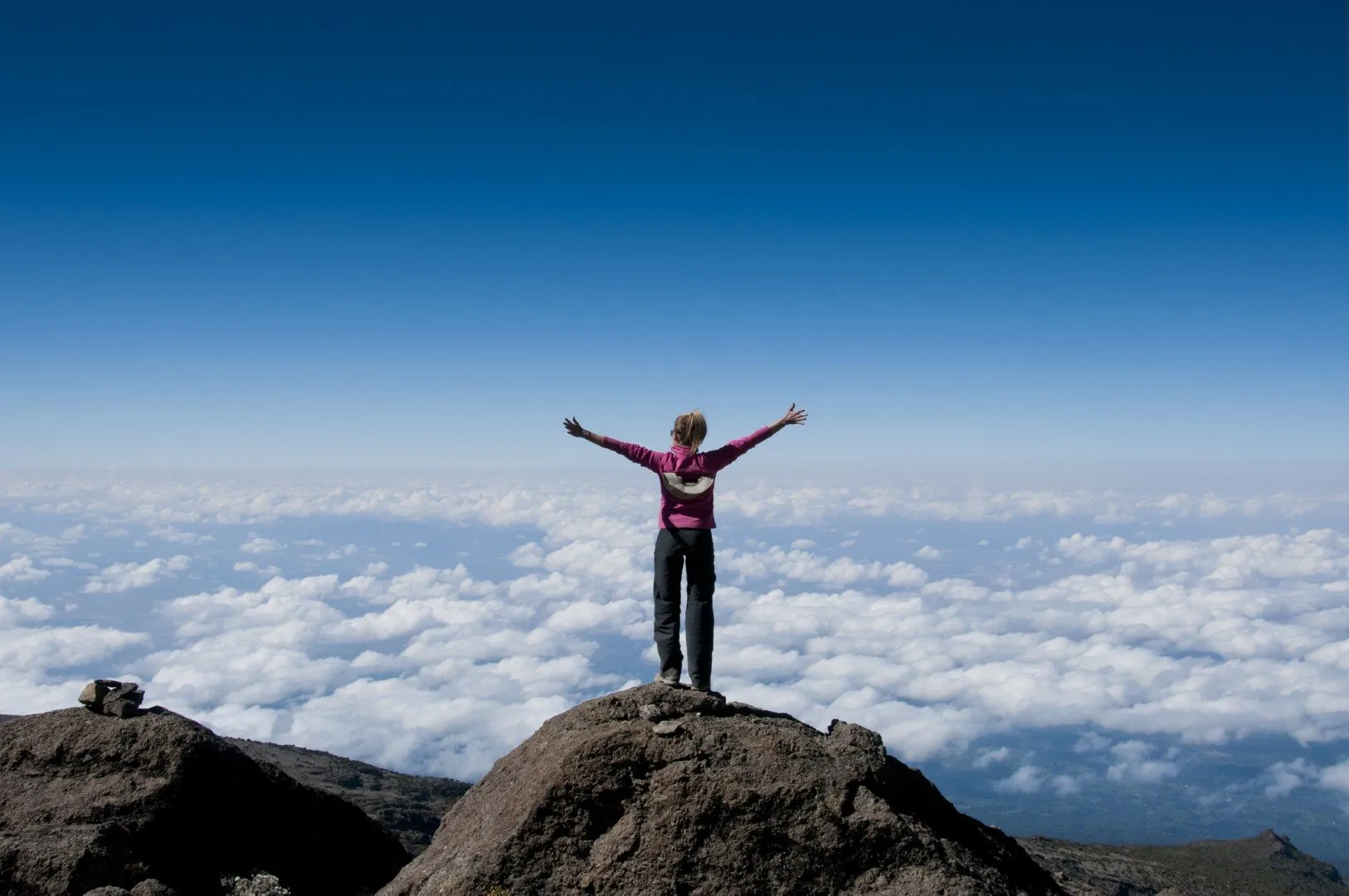
Kilimanjaro, Africa’s highest peak and the world’s tallest free-standing volcanic massif, dominates any discussion of Tanzania Mountain Climbing and Hiking Safaris, and rightly so: it’s one of the most accessible high-altitude summits on earth, requiring no technical mountaineering skill, only genuine altitude endurance and a properly paced multi-day ascent. Beyond Kilimanjaro, Mount Meru offers a genuinely underrated alternative climb, and the Ngorongoro Highlands provide gentler hiking within the same broader region as the famous crater.
This guide covers Tanzania’s climbing and hiking destinations, route selection for Kilimanjaro specifically, and how to combine mountain activities with a broader Tanzania safari itinerary.
Understanding Tanzania’s Mountain Landscape
Kilimanjaro’s summit, Uhuru Peak at 5,895 metres, is achievable by reasonably fit trekkers without technical climbing skill, though the mountain’s altitude and the genuine risk of altitude sickness mean route choice and proper acclimatisation time matter enormously for summit success. Mount Meru, Tanzania’s second-highest peak at 4,566 metres, offers a considerably less crowded and, in the view of many experienced climbers, more scenically dramatic climb, often used as an acclimatisation trek before Kilimanjaro itself.
Kilimanjaro and Tanzania’s Other Climbing Options
Kilimanjaro’s appeal lies in its combination of height and accessibility: Africa’s highest point, yet climbable without technical skill given a properly paced ascent. Route selection is the single most important decision for summit success, since longer routes with better acclimatisation profiles, Lemosho and the Northern Circuit specifically, significantly improve summit odds compared with shorter, faster routes like Marangu.
Mount Meru, considerably less visited than Kilimanjaro, offers dramatic views of Kilimanjaro itself from its slopes, along with genuinely rewarding wildlife viewing within Arusha National Park’s lower reaches, making it both a worthwhile standalone climb and a popular acclimatisation trek for travellers attempting Kilimanjaro shortly afterward.
Tanzania’s Climbing and Hiking Destinations
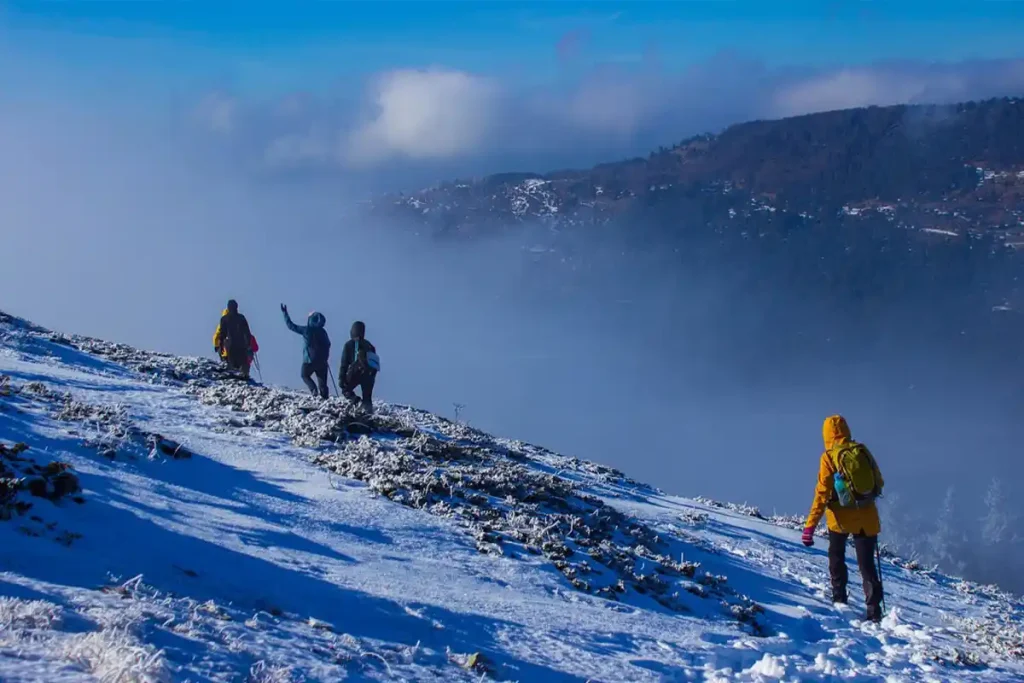
Here is a direct comparison of Tanzania’s main climbing and hiking destinations.
| Destination | Height | Difficulty | Typical Duration |
| Kilimanjaro | 5,895m | Non-technical but genuinely demanding altitude endurance | 5-9 days |
| Mount Meru | 4,566m | Moderate to demanding; less crowded, highly scenic | 3-4 days |
| Ngorongoro Highlands | Varies | Gentle to moderate day hiking | 1 day |
Tanzania’s Climbing and Hiking Destinations in Detail
What follows covers each of Tanzania’s main climbing and hiking destinations.
Kilimanjaro
Africa’s highest peak and one of the world’s most popular high-altitude trekking objectives, requiring no technical skill but genuine preparation given the altitude and multi-day ascent. Route choice, Lemosho and the Northern Circuit offering the best acclimatisation profiles, is the single most important decision for summit success.
Mount Meru
Tanzania’s second-highest peak, offering a considerably less crowded and highly scenic climb within Arusha National Park, with dramatic views of Kilimanjaro from its upper slopes and genuine wildlife viewing, including buffalo and giraffe, in the park’s lower reaches. Often climbed as acclimatisation before a Kilimanjaro attempt.
Ngorongoro Highlands
Gentler day hiking within the broader Ngorongoro Conservation Area, including walks to Empakaai Crater and Olmoti Crater, offering highland scenery and hiking without the multi-day commitment of Kilimanjaro or Meru.
Best Time for Hiking and Climbing in Tanzania
The dry seasons, January-February and June-October, offer the most favourable conditions on Kilimanjaro and Mount Meru, with clearer skies and firmer trail conditions.
| Season | Months | Conditions |
| Dry season (winter) | January – February | Best overall conditions on Kilimanjaro |
| Dry season (summer) | June – October | Good conditions; Tanzania’s main safari season overlaps |
| Rainy seasons | March-May, November | Difficult; many operators avoid this window |
What Do Tanzania Hiking and Climbing Trips Cost?
Costs vary by route and mountain, with Kilimanjaro’s longer, better-acclimatised routes costing more than shorter alternatives, and Mount Meru generally less expensive overall than Kilimanjaro given its shorter duration.
Ngorongoro Highlands day hikes — Modest addition to a safari itinerary
Day hikes to Empakaai or Olmoti Crater add relatively modest cost to a broader northern circuit safari.
Mount Meru climb — Moderate; multi-day guided trek
A three to four day trek with licensed guides and porters included, often combined as Kilimanjaro acclimatisation.
Kilimanjaro climb — Higher; route-dependent
Longer, better-acclimatized routes like Lemosho or the Northern Circuit cost more than shorter routes but significantly improve summit success odds.
Accommodation for Hiking and Climbing Trips
Most multi-day climbs use mountain camping during the ascent, with comfortable lodges at the base before and after.
| Mountain | Pre/Post-Climb Base | On-Mountain Accommodation |
| Kilimanjaro | Moshi or Arusha hotels | Camping (most routes) or huts (Marangu route) |
| Mount Meru | Arusha hotels | Mountain huts |
What a Kilimanjaro Climb Involves
Understanding the structure of a multi-day climb helps with realistic preparation.
Route Selection
The single most important decision for summit success, since longer routes with better acclimatisation profiles significantly improve summit odds compared with shorter, faster ascents.
Altitude Acclimatization
The primary challenge on Kilimanjaro is managed through gradual ascent profiles, proper hydration, and in some cases preventive medication discussed with a travel health professional.
Mount Meru as Acclimatization
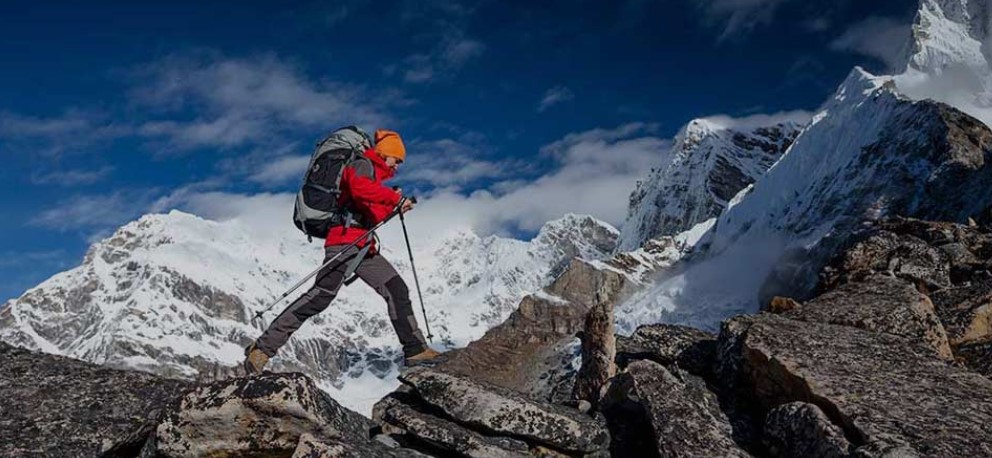
Many climbers specifically use a Mount Meru ascent in the days before attempting Kilimanjaro, given its genuine altitude gain and shorter overall commitment.
| Element | Key Consideration |
| Route selection (Kilimanjaro) | Longer routes (Lemosho, Northern Circuit) improve summit success odds |
| Altitude acclimatisation | The primary challenge on Kilimanjaro |
| Mount Meru as pre-acclimatisation | A popular strategy before attempting Kilimanjaro |
Planning a Tanzania Hiking or Climbing Trip
For Kilimanjaro specifically, choose a longer route and allow adequate preparation time, three to six months of cardiovascular training beforehand. Combining Kilimanjaro or Mount Meru with a northern circuit safari, given both mountains’ proximity to Arusha, is a natural and common pairing.
Climbing and Hiking Recommendations by Priority
Here is a direct guide to which Tanzania mountain destination best matches specific priorities.
| Priority | Recommended Destination | Why |
| Africa’s highest, non-technical summit | Kilimanjaro | Achievable without technical climbing skill |
| Less crowded, highly scenic climb | Mount Meru | Genuinely underrated alternative with Kilimanjaro views |
| Gentle highland hiking alongside a safari | Ngorongoro Highlands | Day hikes without a multi-day commitment |
Frequently Asked Questions
Do you need technical climbing skills for Kilimanjaro?
No, Kilimanjaro’s standard routes require no technical mountaineering skill, only genuine altitude endurance and proper preparation across a multi-day ascent.
What is the best route for Kilimanjaro?
Lemosho and the Northern Circuit offer the best acclimatisation profiles and highest summit success rates, though they take longer and cost more than shorter routes like Marangu.
Is Mount Meru worth climbing?
Yes, particularly for travellers wanting a less crowded, highly scenic alternative to Kilimanjaro, and it’s commonly used as an acclimatisation climb before a Kilimanjaro attempt.
Related Posts