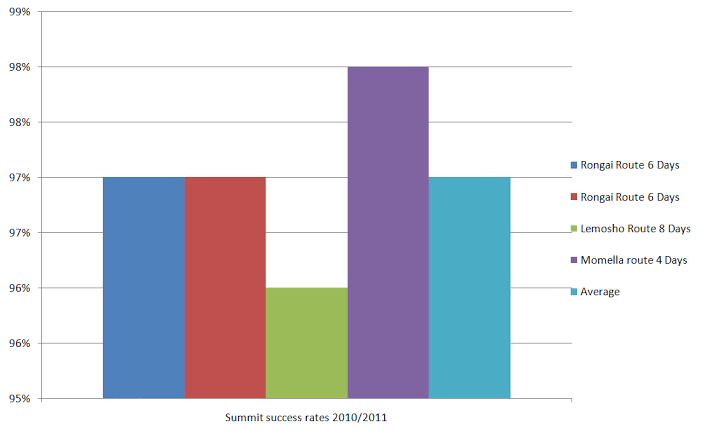
Kilimanjaro Success Rates Kilimanjaro success rates are often quoted at around two-thirds of climbers reaching…
Kidepo Valley National Park Safari Guide: Wildlife, Wilderness, Costs & Travel Tips
Kidepo Valley National Park Safari Guide: Wildlife, Wilderness, Costs & Travel Tips
Introduction: Uganda’s Far Northern Wilderness
There is a point on the journey to Kidepo Valley National Park when Uganda begins to feel entirely different from the country most visitors have encountered on the road. The cultivated hills become more widely spaced, the landscape opens into dry savannah, mountains rise abruptly from broad valleys and the traffic that normally accompanies the country’s main tourist routes gradually disappears. By the time you reach the park, the sense of distance is no longer measured simply in kilometers; it is felt in the silence, the enormous skies and the extraordinary amount of land between one settlement and another.
Kidepo Valley National Park lies in the northeastern corner of Uganda, in the semi-arid Karamoja region near the borders with South Sudan and Kenya. Covering approximately 1,442 square kilometres, the park ranges from about 914 metres to 2,750 metres in elevation and contains a remarkable combination of savannah plains, Rocky Mountains, seasonal rivers and dry valleys. Uganda Wildlife Authority describes Kidepo as one of the country’s most remote national parks, approximately 700 kilometres from Kampala, and records more than 77 mammal species and 476 bird species.
The distance is part of the attraction.
Kidepo has never been a destination for travelers who want to step quickly from an airport into a crowded safari circuit. It is a place where the journey, the landscape and the wildlife experience belong to the same story. The reward is a form of safari that feels spacious and unhurried, with large herds moving across open country, giraffes appearing against distant mountains, lions resting beside rocky outcrops and ostriches striding through grassland.
For travelers researching a Kidepo safari, however, the most important thing to understand is that the park is not simply a remote version of Uganda’s other savannah destinations. Kidepo has its own ecological character, its own wildlife communities, its own cultural setting and a landscape that changes dramatically between the Narus Valley and the broad Kidepo Valley.
It is this combination that makes Kidepo one of the most distinctive safari destinations in Uganda.
Where Is Kidepo Valley National Park?
Kidepo Valley National Park is located in the Karamoja subregion of northeastern Uganda, close to the country’s borders with South Sudan and Kenya. Uganda Wildlife Authority places the park roughly 700 kilometres from Kampala, although the actual distance and travel time depend heavily on the route used and whether the journey is made by road or air. We have the northern route via Gulu city to Kitgum and the Eastern route through Mbale and Moroto. Aerolink Uganda operates flights to Kidepo airstrip that takes about 1hr:40mins by air. However, you need to check with the flight operator or your tour operator for updates on the flight schedules. Otherwise charters are available even at short notice
The park sits within a much larger transboundary landscape rather than functioning as an isolated island of protected land. Wildlife moves through landscapes beyond the park boundaries, while local communities depend on the same broader environment for livestock, agriculture and other livelihoods.
This relationship between wildlife and people is increasingly important to Kidepo’s future. In 2026, Uganda Wildlife Authority reported new conservation work through the Kidepo–Turkana landscape, including initiatives aimed at improving ecological connectivity, minimizing human-wildlife conflict and strengthening cooperation with community conservancies.
The geography also explains the park’s remarkable scenery. Rather than being dominated by one enormous grassland plain, Kidepo is framed by mountain ranges and broken by two major seasonal river systems, the Narus and Kidepo, which create contrasting habitats within the park.
Why Is Kidepo Valley National Park Famous?
Kidepo is famous for its remoteness, exceptional scenery and wildlife diversity, but its strongest appeal comes from the way these elements combine.
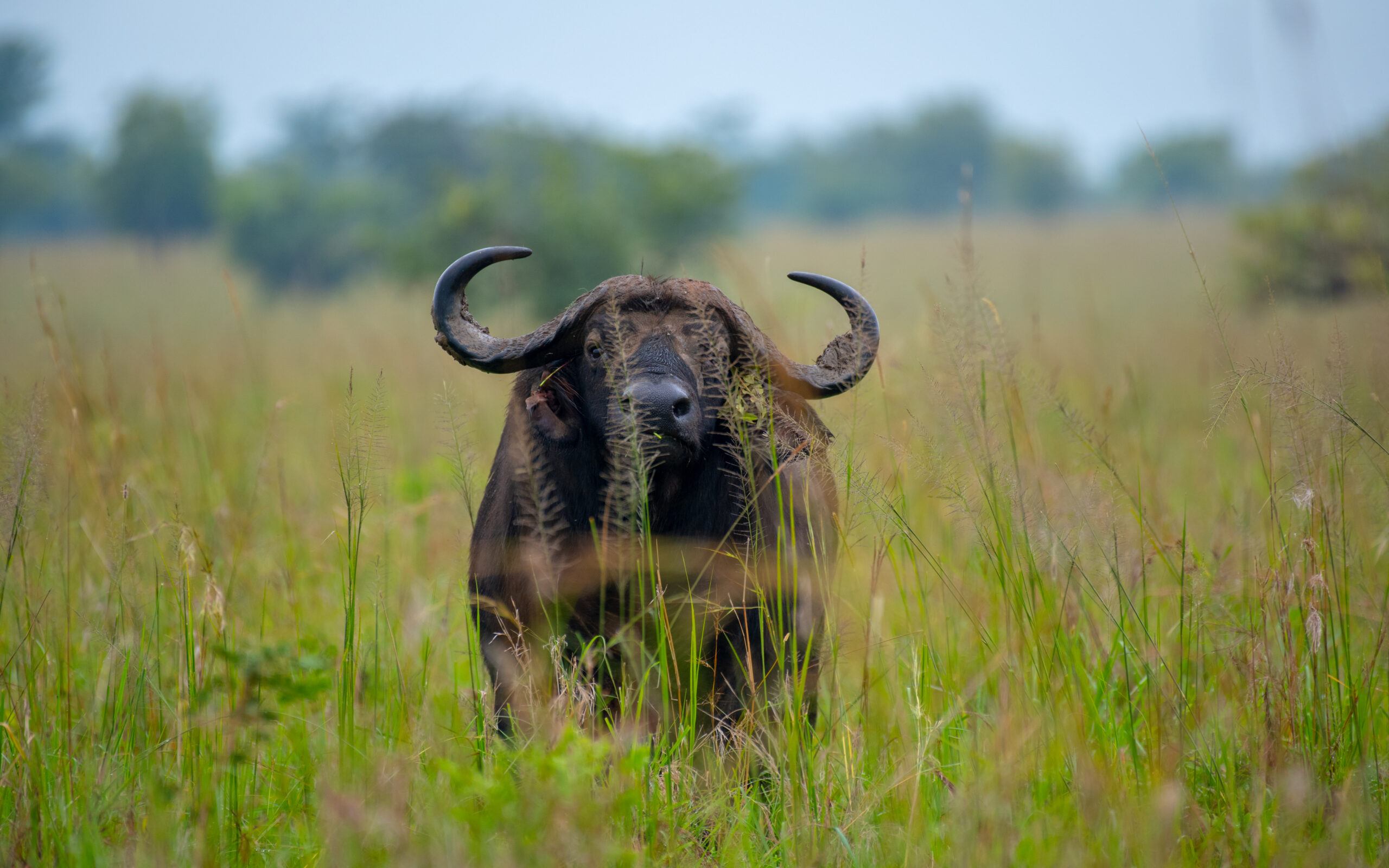
The park contains large populations of buffalo, elephants and other herbivores, while predators including lions and cheetahs occupy the savannah. It is also one of the places in Uganda where travelers can encounter wildlife that is uncommon or absent from the country’s better-known western and north western safari parks.
Kidepo is particularly significant for cheetahs, which Uganda Wildlife Authority identifies as traditionally occurring around Kidepo, making the park one of the country’s most important places for seeing this increasingly threatened big cat.
The park is also notable for its wild ostriches, which Uganda Wildlife Authority identifies as Uganda’s only population of wild ostriches. Its bird diversity extends far beyond ostriches, with a checklist of more than 476 species according to the current park information.
Then there is the landscape itself, which may be Kidepo’s most difficult feature to quantify. The broad valley floor, distant mountain ranges and dry riverbeds can make a game drive feel less like moving between individual sightings and more like crossing an enormous wilderness.
Kidepo Wildlife Safari: What Animals Can You See?
A Safari in Kidepo is especially rewarding for travelers interested in both familiar African wildlife and species associated with the dry northeastern landscapes of Uganda and South Sudan.
The park supports lions, elephants, buffaloes, giraffes, zebras, hartebeests, elands, leopards, cheetahs, jackals and numerous antelope species, alongside a substantial bird population. Uganda Wildlife Authority’s current park description specifically highlights lions, buffaloes, elephants, zebras, hartebeests and giraffes among the wildlife associated with Kidepo.
What makes the experience different from a typical safari circuit is not simply the number of species, but the setting in which they are encountered.
A buffalo herd can stretch across an open valley with mountains behind it. A giraffe can stand on a dry slope with nothing immediately around it except thorn trees and distant ridges. Lions may be seen resting on rocky ground overlooking the plains, while ostriches can appear unexpectedly during a drive through open grassland.
The park’s wildlife is also influenced strongly by the availability of water.
During the drier periods, the Narus Valley becomes particularly important because its remaining water sources draw animals into a comparatively concentrated area. Uganda Wildlife Authority’s park information describes Narus as a prime game-viewing area, while older park management material explains that wildlife tends to concentrate around the valley’s water sources during dry conditions.
Lions in Kidepo Valley National Park
Lions are among Kidepo’s most sought-after animals, and the park’s open landscape often provides a very different viewing experience from the more enclosed habitats found elsewhere in Uganda.
The Narus Valley is particularly productive for lion sightings because the combination of prey, water and rocky terrain creates suitable habitat. The park’s official description notes that lions are frequently associated with rocky outcrops in the valley.
A Kidepo lion sighting can therefore involve much more than seeing a predator beside a safari road. You may find a lion lying beneath a rocky ridge, scanning a valley occupied by buffalo, or moving slowly through the grass as the temperature begins to fall in the late afternoon.
As with any wild predator, sightings are never guaranteed, and the location of prides changes continually.
Cheetahs in Kidepo
Cheetahs are one of the animals that give Kidepo a particular distinction within Uganda.
Uganda Wildlife Authority identifies Kidepo as the traditional stronghold of cheetahs in Uganda, although occasional sightings elsewhere suggest that their former range may not be entirely lost.
The semi-arid landscape is suited to the hunting strategy of a species that relies on open ground and speed, and the park’s plains provide opportunities to encounter them during daylight hours.
Cheetah sightings, however, are much less predictable than sightings of some of the more numerous herbivores. Travelers should therefore treat seeing a cheetah as a fortunate wildlife encounter rather than an expected component of every Kidepo game drive.
Elephants in Kidepo
Elephants form an important part of the wider Kidepo ecosystem, and Uganda Wildlife Authority identifies Kidepo among the country’s principal elephant landscapes. Research involving satellite telemetry has also shown that elephants do not necessarily remain inside the national park; some animals spend substantial periods in surrounding community areas, illustrating why conservation cannot stop at the park boundary.
This is particularly relevant in a dry environment where access to water and seasonal forage can influence animal movements across considerable distances.
For visitors, elephant sightings can range from solitary animals and small groups to larger gatherings around water, depending on the season and location.
Giraffes and the Return of a Population
Kidepo’s giraffes have a particularly interesting conservation history.
Uganda Wildlife Authority and the Giraffe Conservation Foundation have documented the recovery of the park’s giraffe population after it was reduced to only three individuals in the 1990s. Fourteen giraffes were trans located to Kidepo from Murchison Falls National Park in 2018 as part of efforts to improve the population’s long-term viability, while ongoing monitoring has been used to understand their movements and survival.
Seeing a giraffe in Kidepo therefore carries a conservation story that extends well beyond the immediate safari encounter.
The species has become part of the visual identity of the park, particularly where giraffes move across the dry slopes surrounding the Narus Valley.
The Narus Valley: The Heart of a Kidepo Safari
If you have only seen photographs of Kidepo, it is easy to imagine the entire park as one enormous dry plain.
The Narus Valley shows why that description is incomplete.
Located south of Apoka, the valley provides a relatively reliable source of water compared with the surrounding seasonal landscape, which makes it one of the most productive wildlife-viewing areas in the park. Uganda Wildlife Authority describes it as the park’s prime game-viewing area, with buffaloes, giraffes, lions and other wildlife associated with its different habitats.
The landscape changes gradually as you drive through it. Swampy areas can hold buffaloes, drier slopes support giraffes and other herbivores, while rocky outcrops provide elevated positions for predators and spectacular viewpoints.
This makes Narus particularly rewarding for game drives because the terrain itself creates different wildlife niches within a relatively compact area.
During the dry season, the concentration of wildlife around remaining water sources can make the valley especially productive.
The Kidepo Valley Drive: Landscape Before Wildlife
The northern Kidepo Valley offers a different experience from Narus.
Wildlife can be less concentrated here, particularly during dry periods, but the scenery becomes increasingly expansive as the valley opens toward the South Sudan border. Older Uganda Wildlife Authority park material describes the drive from Apoka toward Kidepo Valley as being especially valuable for its enormous scale and scenery, with the journey passing through a watershed viewpoint before reaching the dry riverbed.
The river itself is often little more than a broad expanse of pale sand during the dry season, which can be difficult to reconcile with the fact that the same channel becomes part of a seasonal water system.
The journey can continue toward Kanangorok Hot Springs, a group of small hot pools near the South Sudan border. Uganda Wildlife Authority’s park information states that a ranger guide escort is required for this activity.
The Kidepo Valley drive is therefore worth doing even when wildlife sightings are not the principal objective. It is the landscape that becomes the attraction.
What Are the Best Things to Do in Kidepo Valley National Park?
Game drives are the central activity, but Kidepo offers a broader range of experiences for travelers who stay long enough to explore beyond the standard morning and afternoon circuit.
The current Uganda Wildlife Authority tariff lists activities including daytime game drives, night game drives, bird watching and nature walks, self-drive options, the Kidepo Lonyili Summit Hike and hiking the beautiful Kidepo Lomej Hills.
Day Game Drives
Morning and afternoon game drives provide the principal way to explore the park.
Morning drives can be productive for predators and active herbivores before temperatures rise, while afternoon drives allow travelers to experience the changing light and wildlife activity as the day cools.
Night Game Drives
Night drives offer a different experience of Kidepo. Some species become active after sunset, while nocturnal behavior can reveal animals that are rarely seen during daylight.
The experience also changes the atmosphere completely, with the spotlight illuminating only a small section of the surrounding darkness.
Nature Walks
A guided walking safari provides a more intimate way to enjoy nature, understand the park’s vegetation, and attention to smaller wildlife detail
Uganda Wildlife Authority requires ranger guidance for designated walking activities, which is particularly important in a landscape containing large mammals and predators.
Bird Watching
With more than 476 recorded bird species, Kidepo is an important destination for birders, especially those interested in species associated with northeastern Uganda and the dry-country habitats of the region.
Mountain Hiking
The Morungole range and other elevated areas around the park provide opportunities for guided hiking, while the Kidepo Lonyili Summit Hike offers a more demanding experience for travelers who want to see the landscape from above.
Kidepo Valley National Park and the Ostrich
One of the most distinctive wildlife encounters in Kidepo is the sight of a wild ostrich moving across the savannah.
Uganda Wildlife Authority identifies Kidepo as the home of Uganda’s only wild ostrich population.
These enormous birds can be surprisingly easy to spot in open country, although that does not mean every game drive will produce a sighting.
For photographers, the combination of ostriches, golden grassland and distant mountains can produce some of the most distinctive images associated with a Kidepo safari.
Kidepo’s Mountains and the Morungole Landscape
Kidepo’s mountains prevent the landscape from becoming visually repetitive.
The Morungole Mountains, together with other ranges surrounding the park, rise from the plains and create the dramatic backdrop that distinguishes Kidepo from flatter savannah destinations.
These mountains are also closely connected to the communities living around the protected area, including the Ik community in the Morungole region.
A guided cultural and hiking experience can therefore add another dimension to a Kidepo safari, particularly for travelers who want to understand the relationship between landscape, livestock, settlement and conservation.
Kidepo and the Karamojong Culture
A safari in Kidepo is incomplete without experiencing the vibrant cultures and traditions of the Karamojong people.
The Karamojong have a strong pastoral tradition, and cattle remain deeply connected to social and economic life in the region.
Community visits may include opportunities to learn about:
- Traditions and culture
- Music and dance
- Local handmade Crafts making
- Community based conservation
Cultural tourism rewards a respectful approach, particularly where visitors are welcomed into a home or community commonly known as manyattas
The objective should be genuine exchange and learning rather than treating people as part of the wildlife spectacle.
Uganda Wildlife Authority’s Kidepo material identifies community walks around local Karamojong manyattas as one of the experiences available outside the park.
The Ik and the Morungole Mountains
The Ik people live in the mountainous area north of Kidepo and have a distinct cultural and linguistic identity.
Travelers interested in visiting Ik communities should use established local guides and community-based tourism arrangements rather than arriving independently.
The experience can be particularly rewarding when it is approached as an opportunity to understand the local cultures and traditions rather than as a staged cultural performance.
What Is the Best Time to Visit Kidepo Valley National Park?
Kidepo has a semi-arid climate, and seasonality affects both the appearance of the landscape and the distribution of wildlife.
The traditional dry period is generally the most predictable time for game viewing because water becomes increasingly concentrated, particularly around the Narus Valley that attracts a higher concentration of wildlife
The Dry Season
The drier months can produce dusty tracks, golden grassland and concentrated wildlife around remaining water sources.
This is often the period preferred by travelers whose main objective is wildlife viewing.
However, the temperatures can become very hot, but with easily navigable road conditions.
The Wet Season
Rain transforms Kidepo.
The grass becomes greener, temporary water sources appear, migratory and resident birds become more active, and the landscape can look completely different from its dry-season appearance.
Wildlife can also spread more widely because water is no longer concentrated around a few remaining sources.
For photographers and travelers interested in landscapes, birding and the seasonal transformation of the savannah, the wetter months can therefore be very rewarding.
However, the road conditions demand patience and a stronger 4X4 vehicle
How Many Days Do You Need for a Kidepo Safari?
The distance involved means that Kidepo deserves more time than a quick overnight stop.
A three-day Kidepo safari can work if you fly in and out and focus on the principal game drives, but a longer stay generally provides a more relaxed experience.
Three Days
A practical three-day itinerary might include arrival, a full day of game viewing and departure on day three
Four Days
Four days gives you room for multiple game drives, a night drive or nature experience and a cultural activity.
Five Days or More
A longer stay is particularly attractive for photographers, birders and travelers who want to explore both the Narus and Kidepo valleys without making every day feel like a race against the departure schedule.
The biggest mistake is treating Kidepo as if it were a park that can be squeezed into a much larger itinerary without considering the travel time.
How Do You Get to Kidepo Valley National Park?
There are two practical approaches: road and air.
Flying to Kidepo
For international visitors and travelers with limited time, flying is generally the most convenient option.
Uganda Wildlife Authority currently describes scheduled or chartered flights as the preferred way to reach the park, with flights connecting Kidepo to Uganda’s major tourism gateways. The operator normally coordinates the transfer from the airstrip to the lodge.
Flying is very convenient and saves substantial road time with just about 1hr40mins flight with Cessna caravan plane, although it increases the cost of the safari and you miss the beautiful countryside
Driving to Kidepo
Driving gives travelers a much deeper sense of northern Uganda and Karamoja.
Uganda Wildlife Authority identifies several road approaches, with routes passing through places such as Gulu, Kitgum, and Mbale, Moroto among other parts of the region. The most direct road approach through Gulu and Kitgum can take about 11 hours from the relevant northern approach. Considering an overnight stop in Gulu is much rewarding as it offers you an opportunity to breakdown the distance and track rhinos at Ziwa Rhino Sanctuary rather than treating the entire journey as a single uninterrupted transfer that may turn out exhausting
A road safari also allows you to turn the journey itself into part of the itinerary, with possible stops in other wildlife and cultural areas along the way.
How Much Does a Kidepo Safari Cost?
The cost of a Kidepo safari varies considerably because the park is remote and transportation can represent a significant part of the budget.
The current Uganda Wildlife Authority park page lists the 24hr entrance fees of:
- US$40 for foreign non-residents
- US$30 for foreign residents
- UGX 20,000 for East African Community citizens.
The most recently published Uganda Wildlife Authority conservation tariff available on its website, covering July 2024 through June 2026, lists Kidepo activity rates including US20 per guide for aday time game drive for foreign nnon-residents, US30 per person for a night game drive, US25 for birdwatching and nature walks, US$50 for the Kidepo Lonyili Summit Hike and US$40 for the Lomej hike for foreign non-residents.
Because that detailed tariff ended in June 2026, travelers planning a safari in late 2026 or later should confirm the current activity charges directly with Uganda Wildlife Authority or their safari operator before budgeting.
The largest cost difference between Kidepo itineraries usually comes from transportation.
A road safari may cost less in terms of flights but require more driver time, fuel and accommodation along the route. A fly-in safari reduces travel time dramatically but introduces air-transfer costs and a missed opportunity to appreciate the beautiful countryside.
Your total budget can therefore include:
- Park entry
- Game drives
- Accommodation
- Safari vehicle
- Driver-guide
- Domestic flights
- Airstrip transfers
- Meals
- Cultural activities
- Night drives
- Hiking
- Tips/gratuity (recommended)
- Travel insurance
Where Should You Stay in Kidepo?
Accommodation choices are concentrated around the park and the Apoka area, with additional options outside the protected area.
The important consideration is not simply whether a lodge is luxury, mid-range or budget/basic.
It is how the accommodation fits into your safari route/style.
Apoka Area
Staying near Apoka places you close to major game-viewing routes, particularly the Narus Valley also closer to Kidepo valley with a 40km distance.
Luxury Lodges
High-end accommodation can transform the Kidepo experience by making the lodge itself part of the wilderness journey, with amazing views, private spaces and opportunities to experience the landscape beyond the game drive.
Mid-Range and Budget Options
More affordable accommodation is available around the park and nearby communities, although travelers should confirm current operating status, road access and included services before booking.
Camping
Camping can offer an especially immersive experience in Kidepo, although travelers should use designated sites and follow Uganda Wildlife Authority guidance rather than camping independently in wildlife areas.
What Should You Pack for a Kidepo Safari?
Packing for Kidepo is different from packing for Bwindi.
The environment is generally hotter and drier, particularly during the dry season, although temperatures can vary significantly between day and night.
A useful packing list includes:
- Lightweight long-sleeved shirts
- Lightweight trousers
- Comfortable walking shoes
- Hat
- Sunglasses
- Sunscreen
- Insect repellent
- Reusable water bottle
- Binoculars
- Camera
- Spare batteries
- Power bank
- Headlamp
- Light jacket for early mornings and evenings
- Personal medication
- Small first-aid kit
- Waterproof protection for electronics
Neutral-colored clothing is practical for wildlife viewing, while layers are useful because early morning game drives can feel considerably cooler than the middle of the day.
Is Kidepo Valley National Park Safe?
Kidepo is a remote wilderness area near an international border, so travelers should not treat it like an urban tourist destination where normal city precautions are sufficient.
The park has organized tourism operations, guides and ranger systems. Uganda Wildlife Authority has continued to strengthen security and conservation operations in the Kidepo landscape. In 2026, new communication and field-monitoring equipment was provided through the NaturAfrica program to improve operations across the wider Kidepo–Turkana landscape.
Visitors should remain with their guide, avoid independent walking in wildlife areas and follow instructions concerning routes, wildlife encounters and border-area travel.
Current travel advisories should also be checked before departure as conditions can change, particularly in regions close to international borders.
The safest approach is to travel with a reputable safari operator that understands the current roads, park regulations and local conditions.
Kidepo’s Conservation Story Is Changing
Kidepo’s conservation story is not frozen in the past.
One of the most significant developments in 2026 was the beginning of a southern white rhinoceros reintroduction to Kidepo Valley National Park.
Uganda Wildlife Authority announced in March 2026 that the first two southern white rhinos were moved from Ziwa Rhino Sanctuary to Kidepo, beginning a planned translocation of eight animals. The move marked the return of rhinos to the Kidepo landscape 43 years after the last rhino was sighted there.
The historical context is important because Uganda once supported both northern white and eastern black rhinoceros populations, but poaching and insecurity eliminated them from the country. Uganda Wildlife Authority records the last rhino being killed in the Narus Valley of Kidepo in 1983.
The new reintroduction is therefore not simply another wildlife tourism announcement. It represents an attempt to restore a species that once belonged to the landscape.
Kidepo and Human-Wildlife Conflict
Conservation in Kidepo has to account for the fact that wildlife does not always respect park boundaries.
Elephants provide one of the clearest examples.
Research cited by Uganda Wildlife Authority indicates that around half of the elephants in the Kidepo area may spend more time in surrounding community areas than inside the national park, demonstrating why conservation efforts must extend into the wider landscape.
The 2026 NaturAfrica initiative is designed partly around this challenge, with community conservancies and landscape-level cooperation being developed to improve coexistence and ecological connectivity.
For visitors, this means that a safari in Kidepo has an economic and conservation footprint extending far beyond the park gate.
The landscape only works when wildlife, protected areas and neighboring communities are considered together.
Kidepo Valley National Park vs Murchison Falls National Park
Both parks offer classic African savannah experiences, but the character of the journeys is different.
Murchison Falls is considerably easier to incorporate into many Uganda itineraries from Kampala and Entebbe, and its Nile boat safari adds a major water-based experience to conventional game drives.
Kidepo, by comparison, is defined by remoteness, semi-arid scenery, mountain backdrops and wildlife associated with northeastern Uganda.
Murchison rewards travelers with limited time who want a major Uganda safari experience without traveling to the far northeast.
Kidepo becomes particularly compelling for travelers who value solitude, unusual landscapes and the feeling of being far from the conventional safari route.
Kidepo Valley National Park vs Queen Elizabeth National Park
Queen Elizabeth National Park offers a broader mixture of habitats, including savannah, lakes, forests and the Kazinga Channel, with opportunities for boat safaris and chimpanzee tracking in the wider area.
Kidepo is drier, more remote and more mountainous, with a stronger sense of wilderness and a different collection of wildlife species.
Queen Elizabeth is often easier to combine with Kibale and Bwindi in a southwestern Uganda itinerary.
Kidepo works naturally with northern Uganda and can be incorporated into longer journeys through Karamoja.
The choice is therefore less about which park is universally superior and more about the safari experience your looking.
Who Should Visit Kidepo Valley National Park?
Kidepo is particularly well suited to travelers who want a safari that feels remote and spacious, photographers looking for dramatic landscapes and unusual wildlife combination, birders interested in northeastern Uganda, and experienced safari travelers who have already visited the country’s more accessible parks and want something different.
It is also an excellent choice for travelers who want culture to form part of the safari rather than treating wildlife as the entire story.
Kidepo may be less suitable for someone who has only a couple of days in Uganda and wants to minimize road travel, because reaching the park overland requires substantial time and flying adds to the overall cost.
Frequently Asked Questions About a Kidepo Safari
Is Kidepo Valley National Park worth visiting?
Kidepo offers a combination of remoteness, wildlife, mountain scenery and cultural experiences that is difficult to reproduce elsewhere in Uganda, making it particularly attractive to travelers who have enough time and want a wilderness-focused safari.
How many days should I spend in Kidepo?
Three days can work for a fly-in safari, but four or five days provide more flexibility for multiple game drives, night activities, birding, hiking and cultural experiences.
Can you see the Big Five in Kidepo?
Kidepo has lions, elephants and buffaloes, while leopard sightings are highly possible; however, rhinoceros had historically disappeared from the landscape, and the 2026 southern white rhino reintroduction is intended to restore the species and the park’s big five status
Can you see cheetahs in Kidepo?
Kidepo is traditionally the principal area for cheetah in Uganda, although sightings are never guaranteed because cheetahs occur at much lower densities than many of the park’s herbivore.
Are there giraffes in Kidepo?
Yes. Kidepo has a recovering giraffe population, supported partly by translocation efforts from Murchison Falls National Park.
Are there ostriches in Kidepo?
Yes. Uganda Wildlife Authority identifies Kidepo as one of the locations of Uganda’s only wild ostrich population.
What is the best month for Kidepo safari?
The drier months are generally preferred for concentrated wildlife viewing, particularly around the Narus Valley, while wetter periods can offer greener scenery, stronger bird activity and a very different photographic atmosphere.
Can you drive from Kampala to Kidepo?
Yes, although it is a long journey. Uganda Wildlife Authority identifies several road routes and recommends considering overnight stops rather than treating the journey as a single continuous transfer.
Is it better to fly or drive to Kidepo?
Flying saves considerable travel time and is useful for shorter safaris, while driving provides a much deeper experience of northern Uganda and Karamoja. The better option depends on your travel style, available time and budget.
Does Kidepo have night game drives?
Yes. Night game drives are among the activities listed in Uganda Wildlife Authority’s published Kidepo tariff, although travelers should confirm the current rate and availability for their travel dates because the detailed tariff currently available online covers July 2024 through June 2026.
Can you visit Kidepo during the rainy season?
Yes. Kidepo remains open during the wetter periods, and the landscape can become dramatically greener, although rainfall may affect road conditions and wildlife distribution.
Can you visit Kidepo with children?
Families can visit Kidepo, but parents should consider the length of travel, heat, early game drives and the remote nature of the destination when deciding whether it suits their children.
What should I wear on a Kidepo safari?
Lightweight, breathable clothing is useful during the day, while long sleeves and trousers provide protection from sun and insects. A warm layer is useful for early mornings and evenings.
Do I need binoculars for Kidepo?
Binoculars are highly recommended to bring the action closer. The landscape is open and wildlife may be some distance from your vehicle or viewing point.
Is Kidepo safe for tourists?
Kidepo has organized tourism and conservation operations, but it is a remote border-area wilderness, so travelers should follow their guide’s instructions, use established routes and check current travel guidance before departure.
Can I combine Kidepo with other Uganda national parks?
Yes. Longer itineraries can combine Kidepo with destinations such as Murchison Falls, Pian Upe, Mount Elgon or Sipi falls among other northern and eastern Uganda attractions, although travel times need to be planned carefully.
Can I combine Kidepo with gorilla trekking?
Yes, but the distance between northeastern Uganda and Bwindi in the southwest makes this a longer safari. A domestic flight can make the combination considerably more practical.
A Sample Kidepo Safari Itinerary
Three-Day Fly-In Kidepo Safari
A short fly-in itinerary can begin with arrival at Kidepo’s airstrip, followed by an afternoon game drive through the Narus Valley. The second day can combine a morning game drive with a night activity or cultural experience, while the final morning provides another opportunity for wildlife viewing before the return flight.
Four-Day Kidepo Safari
Four days creates more breathing room and allows travelers to explore the Narus Valley, make the Kidepo Valley drive, undertake another game drive and include either a cultural experience, birding activity or guided nature walk.
Five-Day Kidepo Wilderness Experience
With five days, the safari becomes less dependent on maximizing every available game drive. You can divide time between different habitats, allow for weather changes and spend more time understanding the surrounding Karamoja landscape.
What Makes Kidepo Different From Other Uganda Safaris?
The easiest way to understand Kidepo is to think about space.
At many African safari destinations, the excitement comes from the concentration of animals, vehicles and viewing opportunities within a relatively compact area. Kidepo can offer the opposite experience. You may spend part of a morning driving through apparently empty country before coming around a bend and finding buffalo scattered across the valley, giraffes silhouetted against the mountains or a pair of ostriches moving across the road.
That spaciousness changes the rhythm of the safari. It makes the landscape part of the wildlife experience rather than simply the background to it. The remoteness also means that Kidepo rewards travelers who are willing to give the destination time.
Planning a Kidepo Safari in 2026 and Beyond
There are several reasons to pay attention to Kidepo when planning a Uganda safari now.
The park continues to receive investment in conservation and tourism infrastructure, while the wider Kidepo–Turkana landscape is becoming a stronger focus for ecological connectivity and community conservation.
The 2026 rhinoceros reintroduction adds another long-term conservation story to the destination, while continuing giraffe monitoring and broader wildlife research demonstrate how the park’s animal populations are being actively managed.
At the same time, travelers should understand that Kidepo’s remoteness remains part of its character.
It is not likely to become a destination where the landscape is filled with vehicles and large numbers of visitors moving between standardized viewing points, and that is precisely why many safari travelers are drawn to it.
The Long Road to Kidepo
Kidepo Valley National Park asks more of a traveler than some of Uganda’s other safari destinations, particularly in terms of time and distance, but the reward is an experience shaped by a landscape that still feels unusually large and uncongested.
The journey north introduces Karamoja gradually, through changing vegetation, mountains, settlements and open country, until the boundaries of the national park become almost secondary to the enormous landscape around you. Inside Kidepo, the Narus Valley brings wildlife together around water, while the Kidepo Valley opens into a much wider world of dry riverbeds, distant mountains and plains where ostriches, giraffes, elephants and predators move according to their own patterns rather than a tourist timetable.
The conservation story is equally important. The recovery of Kidepo’s giraffes, the continued monitoring of elephants, new efforts to strengthen community conservation and the 2026 return of southern white rhinos all demonstrate that this is a living conservation landscape rather than a static wilderness preserved in time.
For a traveler planning a Uganda safari, Kidepo makes the most sense when it is treated as a destination in its own right rather than a box to be checked between other parks.
Give it enough days, allow the roads and landscape to become part of the experience, spend time in the Narus Valley as well as the broader Kidepo landscape, and leave room for the encounters that cannot be scheduled.
The greatest appeal of Kidepo is not simply that it has lions, elephants, giraffes, cheetahs or ostriches. It is that, even while watching those animals, you can still feel the extraordinary scale of the country around them.
Related Posts